

Computer Multiplication Games Review Are They Effective
Do computer multiplication games really work?
Computer multiplication games improve multiplication skills with educational games by combining repetition, instant feedback, and engaging visuals. Studies and parent feedback show children retain facts faster and feel less pressure, helping reduce math anxiety in elementary students multiplication while making practice feel like play rather than work.
Computer Multiplication Games Review: Are They Effective?
⏱ 7 min read
Computer multiplication games are transforming how kids learn math—but are they actually better than traditional tools? If your child struggles with memorizing times tables or feels frustrated during homework, you’re not alone. Many parents are now comparing wooden math toys vs digital learning apps to find what truly works—and what keeps kids engaged.
Which learning method actually helps your child enjoy math again? Read on!
👉 Discover engaging ways to help your child love math again
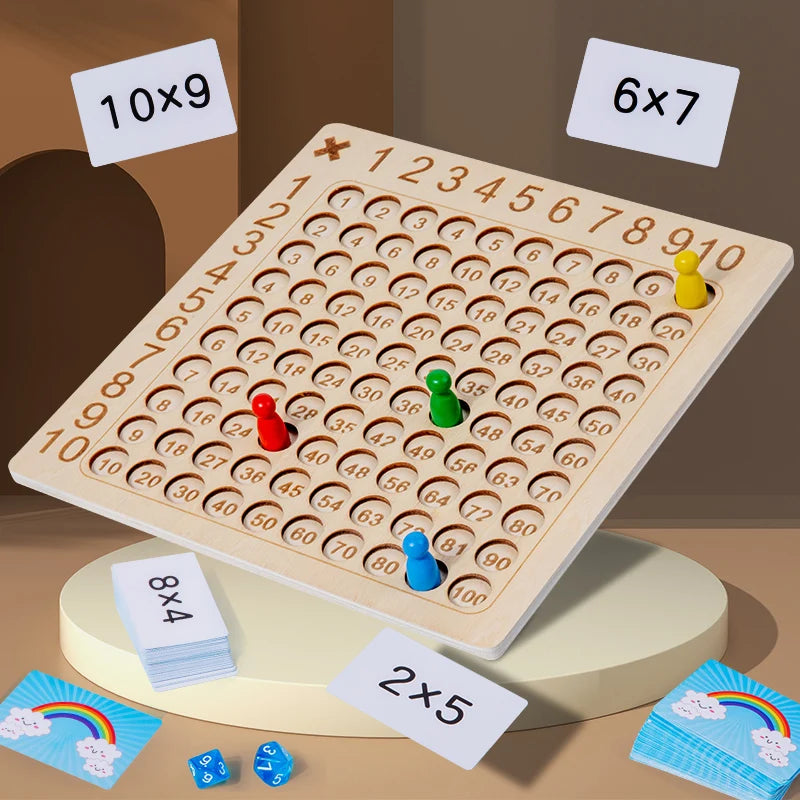
💡 See it in action - computer multiplication games / wooden math toys vs digital learning apps, is Montessori multiplication board effective, improve multiplication skills with educational games, math anxiety in elementary students multiplication
Why Parents Are Switching to Digital Math Tools
Many children struggle with memorization-based math. Flashcards feel repetitive, and worksheets can quickly lead to frustration.
Computer multiplication games offer a different experience. They turn practice into interactive challenges where kids earn rewards, progress through levels, and receive instant corrections.
- Immediate feedback helps correct mistakes fast
- Gamified rewards increase motivation
- Adaptive difficulty matches your child’s pace
- Visual learning improves retention
Parents exploring Baby Growth & Learning tools often notice that children stay focused longer with digital formats compared to traditional methods.
Wooden Math Toys vs Digital Learning Apps: Which Is Better?
| Feature | Wooden Math Toys | Digital Learning Apps |
|---|---|---|
| Engagement | Moderate | High (interactive gameplay) |
| Feedback Speed | Slow (manual correction) | Instant |
| Portability | Physical setup required | Available anywhere |
| Skill Progress Tracking | Limited | Advanced analytics |
| Screen Time Concern | None | Needs balance |
While wooden tools provide tactile learning, digital apps excel in consistency and adaptability. Many families now combine both approaches for balanced development.
Is Montessori Multiplication Board Effective?
The Montessori multiplication board is effective for building foundational understanding through hands-on repetition. However, it lacks instant feedback and adaptive progression. Pairing it with computer multiplication games can accelerate learning by reinforcing concepts with interactive practice and measurable results.
The Montessori approach focuses on self-directed learning. Children physically place beads or pegs to understand multiplication patterns.
- Great for visual learners
- Encourages independent thinking
- Builds strong number sense
- Best for early-stage learners
However, once children understand the basics, they often need faster-paced practice—which is where digital tools shine.
Explore hands-on learning tools alongside modern options in Sensory Toys for a more complete learning experience.
👉 Learn how to combine traditional and digital tools for better results
How Computer Multiplication Games Improve Skills Faster
Children learn best when they are emotionally engaged. Computer multiplication games tap into this by making learning fun and rewarding.
- Repetition without boredom through varied gameplay
- Real-time corrections improve accuracy
- Progress tracking builds confidence
- Short sessions fit into busy routines
Instead of forcing memorization, these games naturally reinforce multiplication through consistent exposure.
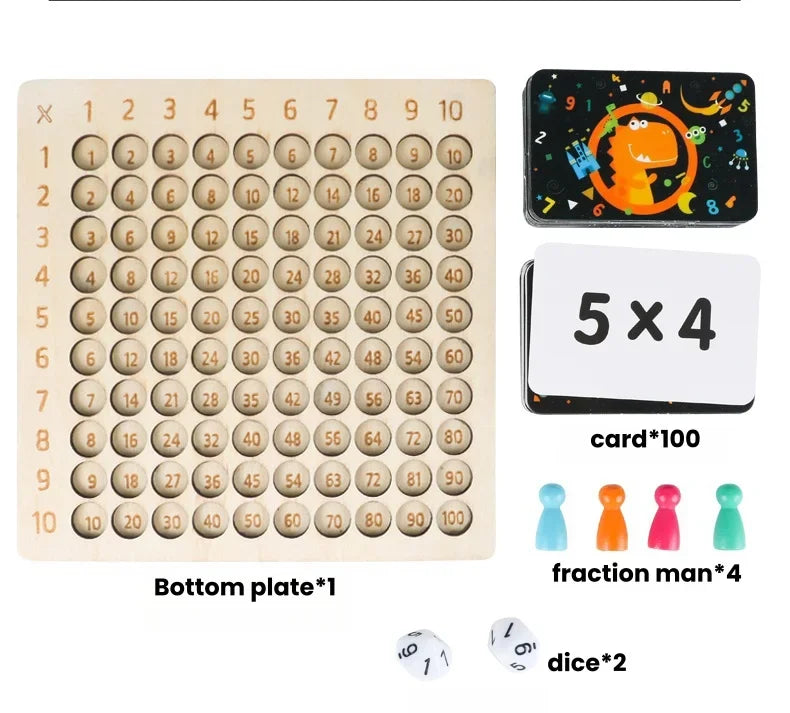
💡 See it in action - computer multiplication games / wooden math toys vs digital learning apps, is Montessori multiplication board effective, improve multiplication skills with educational games, math anxiety in elementary students multiplication
Key Advantages Over Traditional Methods
- Turns practice into play
- Reduces resistance to learning
- Encourages daily consistency
- Improves long-term retention
For parents juggling multiple responsibilities, tools from Smart Baby Gadgets and educational apps provide convenience without sacrificing quality learning.
Reducing Math Anxiety in Elementary Students
Math anxiety is more common than many parents realize. Children may feel pressure to perform quickly or fear making mistakes.
Computer multiplication games create a low-pressure environment where:
- Mistakes are part of the game
- No public embarrassment occurs
- Kids can retry without judgment
- Confidence builds gradually
Parents often report noticeable improvements in attitude within just a few weeks of consistent use.
Combining learning tools with calming routines from Sleep & Comfort can further support emotional well-being and focus.
Real Parent Reviews & Case Studies
Case Study 1:
A 7-year-old struggling with multiplication improved test scores by 30% after 4 weeks of daily game-based practice.
Case Study 2:
A child who resisted homework began voluntarily practicing math for 15 minutes daily after switching to interactive games.
Parent Feedback:
- “My child actually asks to practice now.”
- “Homework time is no longer a battle.”
- “We saw faster improvement than with worksheets.”
These real-world results highlight how engagement directly impacts learning outcomes.
How to Choose the Right Tool for Your Child
- Identify your child’s learning style (visual, tactile, or auditory)
- Balance screen time with hands-on activities
- Look for progress tracking features
- Choose age-appropriate difficulty levels
For a balanced approach, consider combining digital tools with physical learning aids like this Montessori Wooden Math Learning Toy Set.
This hybrid method often delivers the best results—engagement from games and foundational understanding from tactile tools.
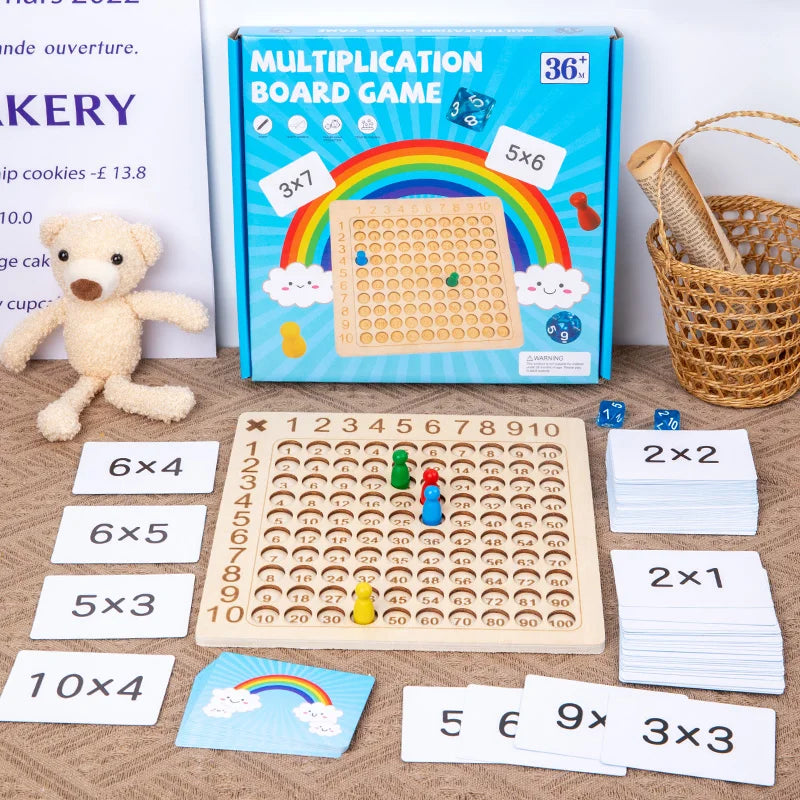
💡 See it in action - computer multiplication games / wooden math toys vs digital learning apps, is Montessori multiplication board effective, improve multiplication skills with educational games, math anxiety in elementary students multiplication
👉 Get yours now — limited stock available and help your child master multiplication faster
Frequently Asked Questions
Are computer multiplication games better than worksheets?
They are often more engaging and provide instant feedback, which helps children learn faster and stay motivated compared to repetitive worksheets.
How much time should kids spend on math games daily?
About 10–20 minutes per day is enough to see improvement without overwhelming your child or increasing screen fatigue.
Can digital games replace traditional math tools?
Not entirely. A combination of digital and hands-on tools provides the most balanced and effective learning experience.
Do these games really reduce math anxiety?
Yes, by removing pressure and making learning enjoyable, many children feel more confident and less stressed about math.
Pillar Article: Best Multiplication Computer Game for Kids Full Review
Other Related Articles:
Explore More:





