

Easy Way to Learn Multiplication Without Tears or Stress
What is the easiest way to learn multiplication for kids?
The easy way to learn multiplication is to replace memorization with hands-on play, visual patterns, and simple games. Kids understand faster when they see and touch numbers instead of repeating tables. This method reduces stress, builds confidence, and helps multiplication stick naturally without frustration or tears.
Easy Way to Learn Multiplication Without Tears or Stress
Looking for an easy way to learn multiplication that actually works? Many kids struggle with multiplication tables, and multiplication memorization feels overwhelming for kids who lose confidence fast. The secret is to make math fun for elementary students by turning lessons into games and hands-on activities. If you’ve ever wondered how to teach multiplication through play without frustration or tears, this approach might completely change the way your child learns—but what’s the trick that makes it stick?
⏱ 7 min read
Does your child freeze when they see multiplication problems? You're not alone. Many parents feel stuck between forcing memorization and watching their child lose confidence.
👉 Which learning method actually works without stress? Keep reading—you might be surprised.
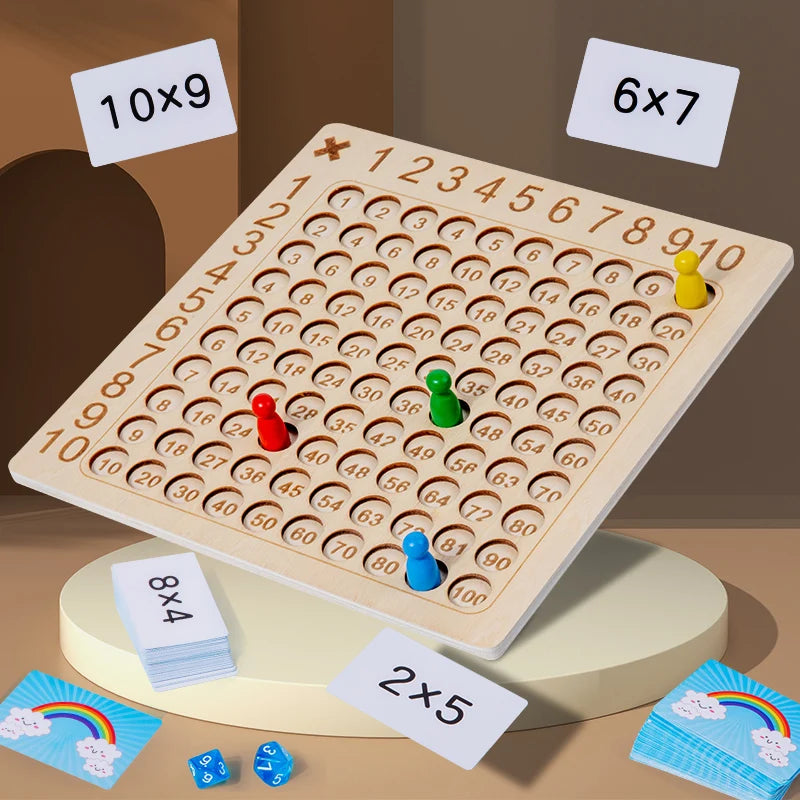
💡 See it in action - easy way to learn multiplication / kids struggle with multiplication tables, multiplication memorization feels overwhelming for kids, make math fun for elementary students, how to teach multiplication through play
👉 Discover simple tools that turn math into play:
Why Kids Struggle With Multiplication Tables
Before fixing the problem, it helps to understand it.
- ❌ Memorization feels boring and repetitive
- ❌ Numbers seem abstract without visuals
- ❌ Fear of getting answers wrong creates anxiety
- ❌ Traditional methods move too fast
When multiplication becomes pressure instead of discovery, kids shut down quickly.
That’s why simply repeating tables rarely works long-term.
The Easy Way to Learn Multiplication (That Actually Works)
The easy way to learn multiplication is to combine visual learning, hands-on interaction, and play-based repetition. Instead of memorizing numbers blindly, children understand patterns, build connections, and practice through engaging activities that feel like games rather than lessons.
This approach works because it matches how kids naturally learn—through seeing, touching, and exploring.
What Makes This Method Different?
- ✅ Uses objects instead of abstract numbers
- ✅ Encourages exploration instead of pressure
- ✅ Builds understanding before memorization
- ✅ Turns practice into fun challenges
Instead of saying “6 × 4 = 24,” kids see it as 6 groups of 4 objects—and suddenly, it makes sense.
Traditional vs Play-Based Learning Comparison
| Method | Pros | Cons |
|---|---|---|
| Traditional Memorization | Quick exposure to tables | Stressful, easy to forget |
| Worksheets | Structured practice | Boring, repetitive |
| Play-Based Learning | Engaging, builds understanding | Requires tools or setup |
| Hands-On Tools | Visual + interactive learning | Initial guidance needed |
For most children, play-based learning leads to better retention and less frustration.
Best Tools That Make Math Fun for Elementary Students
Choosing the right tools can completely change your child’s experience.
- Counting blocks or beads
- Flashcards with visuals
- Interactive math boards
- Hands-on wooden learning sets
Explore helpful learning tools in Sensory Toys designed to support early math development.
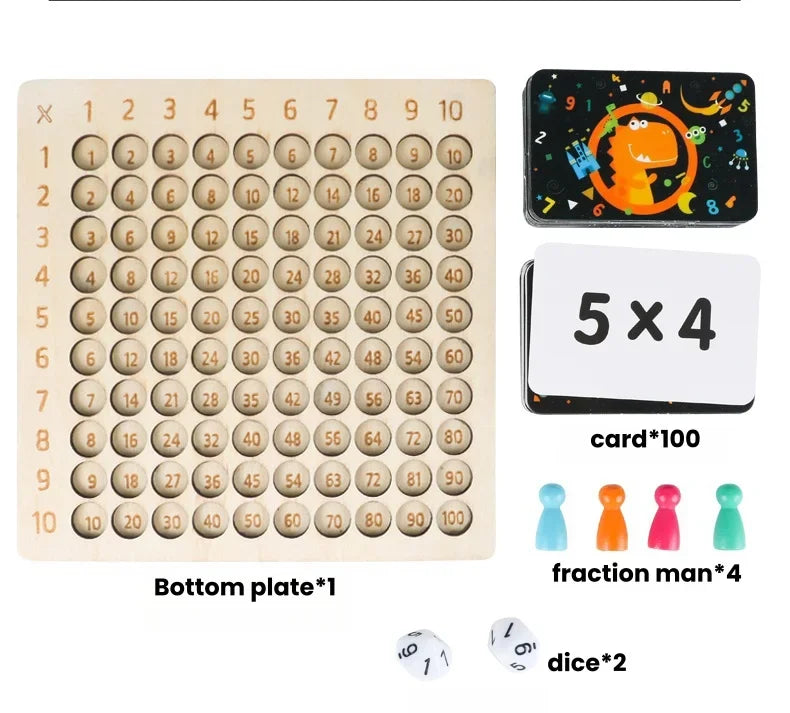
💡 See it in action - easy way to learn multiplication / kids struggle with multiplication tables, multiplication memorization feels overwhelming for kids, make math fun for elementary students, how to teach multiplication through play
👉 Learn how to choose the right learning tools step by step:
Step-by-Step: How to Teach Multiplication Through Play
- Start with grouping: Use objects like blocks to show groups (e.g., 3 groups of 5).
- Turn it into a game: Ask fun questions like “How many total?”
- Introduce patterns: Show repeated addition visually.
- Practice through play: Use tools or toys for repetition without boredom.
- Celebrate small wins: Build confidence with every success.
This method removes fear and replaces it with curiosity.
Why This Method Builds Confidence Fast
Parents often notice changes within days:
- ✔ Kids stop avoiding math
- ✔ Faster understanding of concepts
- ✔ Improved memory without stress
- ✔ Increased independence during practice
Real parent feedback:
"My child went from crying over math homework to actually enjoying it. The difference was night and day."
That’s the power of making learning feel natural.
If you want to support your child’s learning journey further, explore helpful products in Feeding Tools and Mobility & Training that also encourage independence and skill-building.
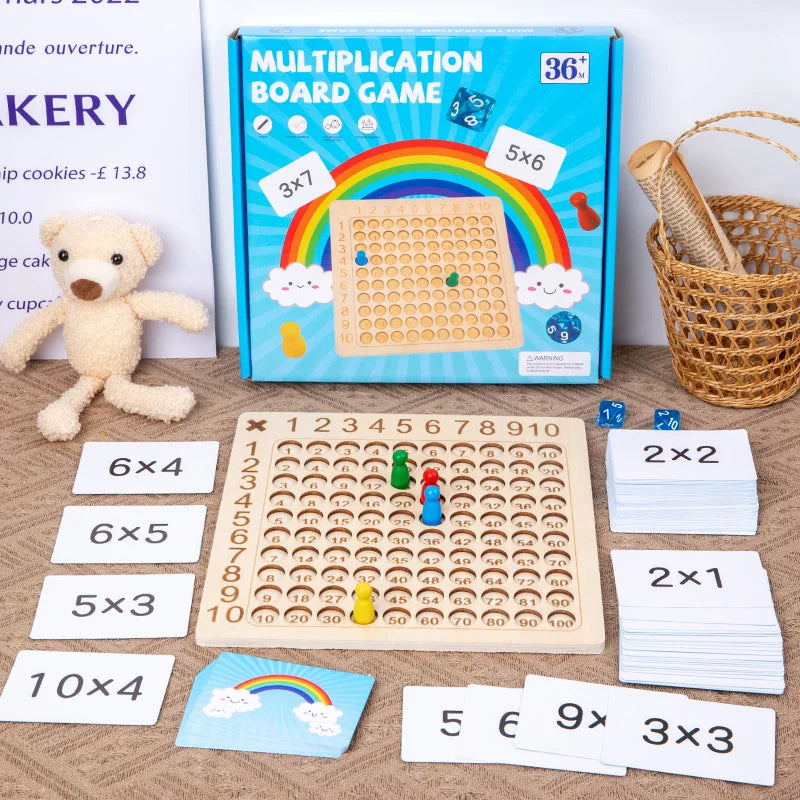
💡 See it in action - easy way to learn multiplication / kids struggle with multiplication tables, multiplication memorization feels overwhelming for kids, make math fun for elementary students, how to teach multiplication through play
👉 Get yours now — make learning stress-free today
Frequently Asked Questions
What age should kids start learning multiplication?
Most children begin around ages 6–7, but introducing concepts through play earlier can make the transition much easier.
Why does my child forget multiplication tables?
Memorization without understanding often leads to quick forgetting. Hands-on learning helps information stick longer.
How long does it take to learn multiplication?
With play-based methods, many kids show improvement within weeks instead of months.
Can games really replace traditional learning?
Games don’t replace learning—they enhance it by making practice engaging and effective.
What’s the best way to practice daily?
Short, fun sessions using interactive tools work better than long, repetitive drills.
Pillar Article: Montessori vs Traditional Schools: Which Wins for Kids?
Other Related Articles:
- Fun Ways to Learn Multiplication Facts: What Actually Works?
- Top Educational Multiplication Games Compared for Kids
- Montessori Multiplication Board vs Apps: What Works Better?
- Best Times Table Games Online Free Kids Actually Love
Explore More:





