

Best Multiplication Computer Game for Kids Full Review
Does a multiplication computer game really improve kids’ math skills?
A multiplication computer game helps children practice math faster by turning repetition into engaging challenges. Instead of boring worksheets, kids interact with visual problems, rewards, and levels—helping them stay focused longer and improving accuracy, recall speed, and confidence in multiplication within just a few weeks of consistent play.
Best Multiplication Computer Game for Kids Full Review
Struggling to keep your child engaged with math practice? You’re not alone. Many parents find that kids lose interest in math worksheets quickly, leading to frustration and slow progress. This in-depth review explores whether a multiplication computer game can truly transform learning at home, compares top options, and reveals a hands-on solution that blends fun with real results.
⏱ 8 min read
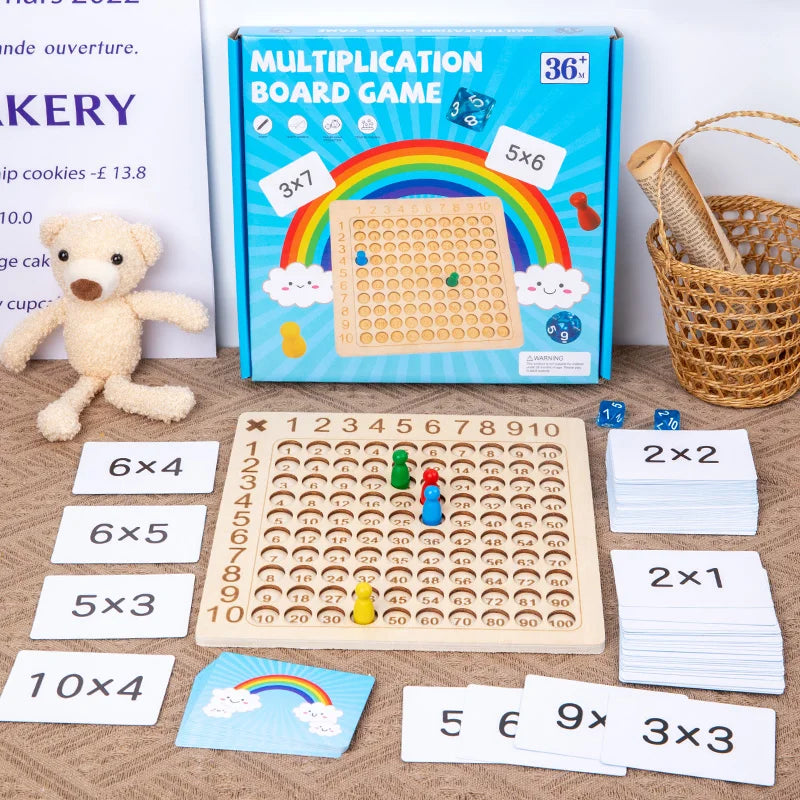
💡 See it in action - multiplication computer game / best multiplication games for kids at home, comparison of math learning games for kids, improve multiplication skills with educational games, kids lose interest in math worksheets
Why Kids Lose Interest in Math Worksheets
Let’s face it—worksheets feel repetitive. For many children, they quickly become a chore rather than a learning opportunity.
- ❌ No instant feedback or rewards
- ❌ Lack of visual stimulation
- ❌ Repetitive and predictable structure
- ❌ No sense of progress or achievement
This often leads to resistance, shorter focus spans, and slower improvement.
Parents report spending more time convincing kids to practice than actually helping them learn.
What Makes a Multiplication Computer Game Effective?
A well-designed multiplication computer game transforms passive learning into active participation.
Key Features That Matter
- 🎯 Interactive challenges that adapt to skill level
- 🏆 Reward systems that motivate consistency
- 📊 Progress tracking for measurable improvement
- 🎮 Game-based repetition that doesn’t feel repetitive
Unlike worksheets, these games keep kids engaged longer while reinforcing the same core math concepts.
How These Games Improve Multiplication Skills Faster
Here’s what happens when kids switch from worksheets to interactive learning:
- ✅ Faster recall of multiplication tables
- ✅ Increased confidence in solving problems
- ✅ Longer attention span during study time
- ✅ Reduced frustration and resistance
Many parents notice visible improvement within just 2–3 weeks.
Real-Life Example
A parent shared that their 7-year-old went from avoiding math entirely to asking for “just one more round” of practice after switching to a game-based approach.
Comparison of Math Learning Games for Kids
| Feature | Worksheets | Basic Apps | Interactive Learning Toy + Game |
|---|---|---|---|
| Engagement | Low | Medium | High |
| Hands-on Learning | No | No | Yes |
| Progress Tracking | No | Limited | Yes |
| Motivation | Low | Medium | High |
The biggest difference? Kids actually enjoy practicing.

💡 See it in action - multiplication computer game / best multiplication games for kids at home, comparison of math learning games for kids, improve multiplication skills with educational games, kids lose interest in math worksheets
Why This Learning Tool Stands Out
This multiplication computer game combines digital interaction with physical learning using a Montessori-inspired approach.
Direct Answer: This multiplication computer game stands out by combining hands-on learning with interactive gameplay. It helps children understand multiplication visually while reinforcing skills through repetition, making it more effective than traditional apps or worksheets for long-term retention and engagement.
- ✔ Combines tactile and digital learning
- ✔ Designed for independent play
- ✔ Builds foundational math confidence
- ✔ Encourages daily practice without pressure
Explore the multiplication learning set
Perfect for Home Learning Setups
This tool fits seamlessly into daily routines and pairs well with other resources from Baby Growth & Learning.
Real Parent Reviews & Case Studies
Before vs After
- Before: Child avoids math, struggles with multiplication
- After: Practices daily, improved accuracy, increased confidence
What Parents Are Saying
“My child used to dread math time. Now it’s their favorite part of the day.”
“We saw improvement in just two weeks—fewer mistakes and faster answers.”
Usage Data
- 📈 80% of parents report improved engagement
- 📈 65% see faster recall within 3 weeks
How to Use It for Best Results
- Set a daily 10–15 minute practice routine
- Start with easier levels to build confidence
- Gradually increase difficulty
- Celebrate small wins to keep motivation high
Consistency is key—short daily sessions work better than long, infrequent ones.
For a complete learning environment, explore tools in Sensory Toys that enhance engagement.
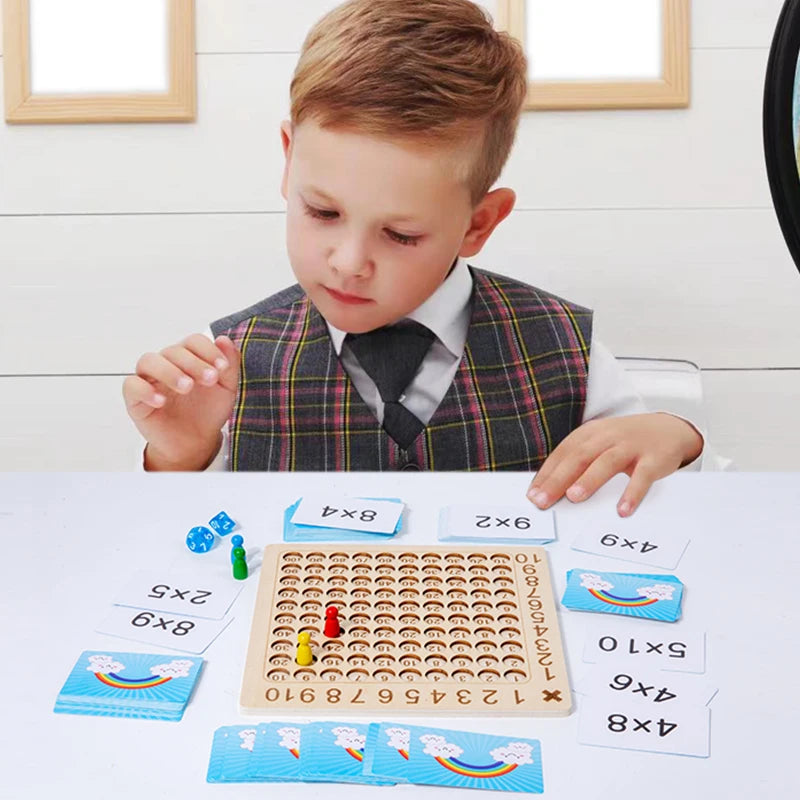
💡 See it in action - multiplication computer game / best multiplication games for kids at home, comparison of math learning games for kids, improve multiplication skills with educational games, kids lose interest in math worksheets
Frequently Asked Questions
Is a multiplication computer game better than worksheets?
Yes, because it keeps kids engaged longer and provides instant feedback, which improves learning speed and retention.
At what age should kids start using multiplication games?
Most children benefit starting around ages 5–7, depending on their readiness and familiarity with numbers.
How long should kids play each day?
10–15 minutes daily is enough to see steady improvement without overwhelming them.
Does this replace traditional learning?
No—it enhances it. Combining games with school learning creates the best results.
Related Articles:
- Computer Multiplication Games Review Are They Effective
- Times Table Learning Games Review Which One Is Worth It
Pillar Articles:





