

Early Childhood Educational Toys That Grow With Every Learner
Early Childhood Educational Toys: Best Picks by Age & Development (2026)
Choosing early childhood educational toys isn’t just about entertainment—it’s about supporting how children learn, think, and grow. The best toys for early childhood education combine hands-on interaction, safety, and long-term engagement across different developmental stages.
From infants to kindergarteners, the right toys help build cognitive skills, motor coordination, language, and independence—without relying on screens.
educational toys for 2 year olds: Real Parent Insights & Best Picks Compared
Educational toys for 2 year olds can feel overwhelming to choose—especially when every brand promises “learning” and “development.” This upgraded guide expands beyond toddlers to show how toys support early childhood development from 0–6 years , while still highlighting the best-performing options for 2-year-olds.
⏱ 10 min read
Explore trusted options designed to support development without compromising safety.
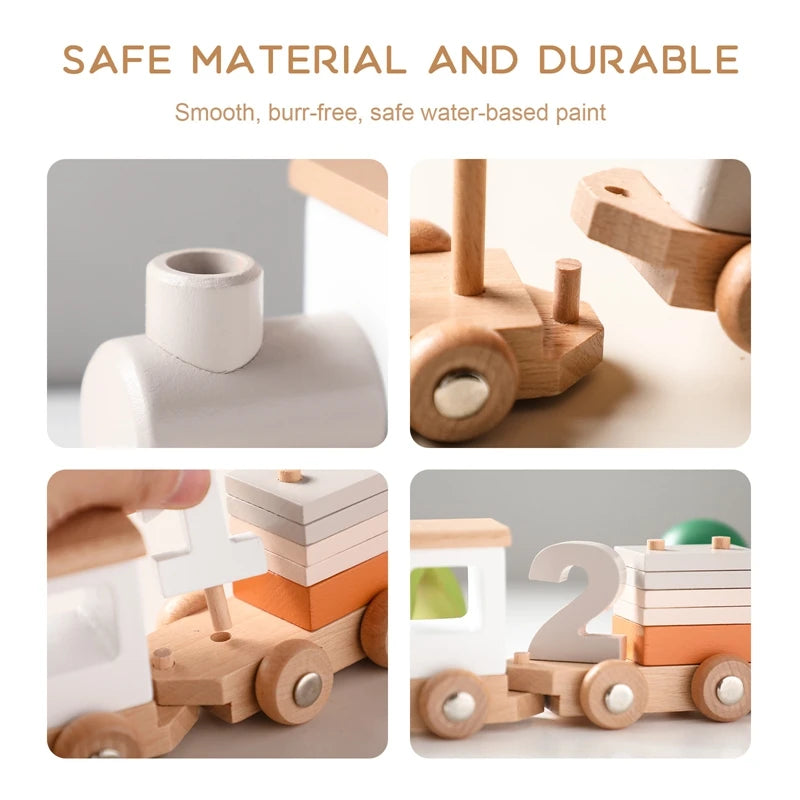
Safe toys for toddlers with learning benefits that encourage hands-on discovery
How Educational Toys Support Early Childhood Development
Cognitive and problem-solving skills
Toys like shape sorters and puzzles help children recognize patterns, build memory, and develop logical thinking through trial and error.
Fine and gross motor development
Stacking, pulling, and building toys strengthen hand-eye coordination and muscle control—critical for early independence.
Language and communication growth
Toys that encourage naming, storytelling, and role play expand vocabulary and improve communication skills.
Social-emotional learning
Imaginative play teaches sharing, empathy, and emotional expression—key foundations for real-world interaction.
Explore more in Baby Growth & Learning to support these milestones.
Best Early Childhood Educational Toys by Age Group
Infants (0–12 months)
- Soft sensory toys
- High-contrast visuals
- Rattles and grasping toys
Toddlers (1–3 years)
- Stacking toys
- Shape sorters
- Simple building sets
- Wooden train sets
Preschoolers (3–5 years)
- Creative building kits
- Role-play toys
- Basic STEM toys
Kindergarten readiness (5–6 years)
- Early math games
- Reading tools
- Problem-solving kits
Best Toys by Learning Skill Category
STEM and problem-solving toys
Encourage logic, experimentation, and early engineering thinking.
Fine motor and sensory toys
Improve coordination and tactile exploration through hands-on play.
Language and literacy toys
Support vocabulary building, storytelling, and early reading skills.
Creative and imaginative play toys
Boost creativity, independence, and emotional expression.
Best Picks Compared: Top Educational Toys Reviewed
Comparison Table
| Toy Type | Best Age | Skills Developed | Material |
|---|---|---|---|
| Wooden Train Sets | 2–5 years | Motor + imagination | Wood |
| Stacking Toys | 1–3 years | Coordination | Wood/Plastic |
| Shape Sorters | 1–3 years | Problem-solving | Plastic/Wood |
| Sensory Toys | 0–3 years | Exploration | Mixed |
Among these, parents consistently favor wooden train toy for kids for its durability and open-ended play value.
Make confident decisions with practical guidance from real parent experiences.
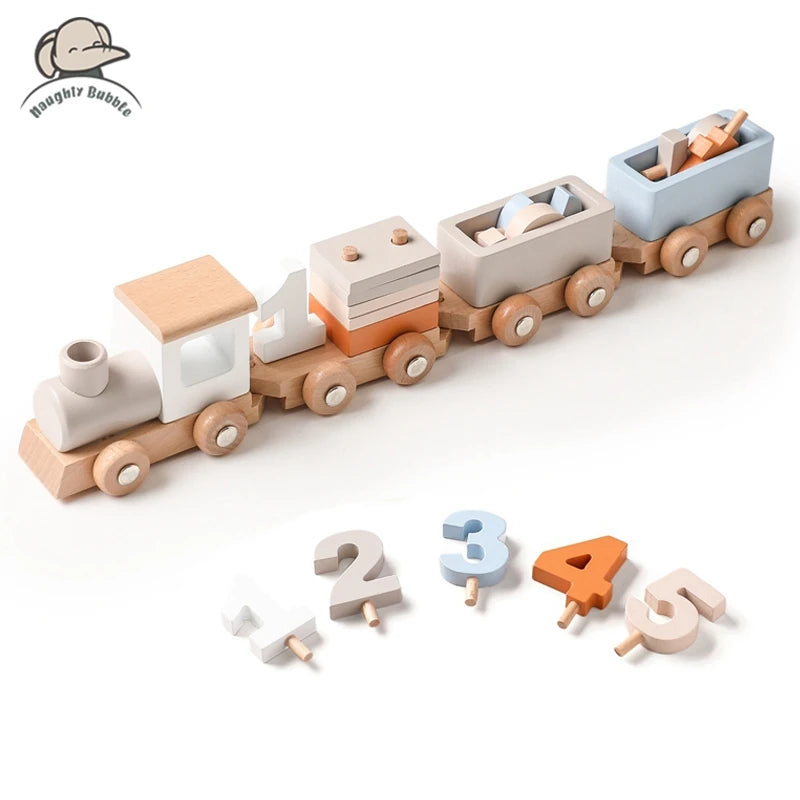
Hands-on learning activities that boost focus and creativity
Montessori Toys vs Traditional Toys Benefits
Key Differences
| Feature | Montessori | Traditional |
|---|---|---|
| Play Style | Child-led | Pre-programmed |
| Learning Type | Exploration | Instruction |
| Engagement | Long-term | Short bursts |
Montessori-style toys typically encourage deeper focus and longer engagement, especially for toddlers.
Educational Toy Buying Guide for Parents
Choosing age-appropriate toys
Always match toys to your child’s current developmental stage—not just their age.
Balancing fun and learning
The best toys teach naturally through play—not forced instruction.
Budget vs long-term value
Fewer high-quality toys often outperform many cheap ones.
Avoiding overstimulation
Too many lights and sounds can reduce focus and creativity.
Toy Safety, Materials, and Certification Checklist
Non-toxic and eco-friendly materials
Look for BPA-free plastic or natural wood.
Durability and build quality
Well-built toys last longer and reduce hazards.
Safety certifications to look for
Check for ASTM, EN71, or similar standards.
Age labeling and choking hazards
Avoid small detachable parts for toddlers under 3.
How to Choose Toys That Keep Kids Engaged Longer
Encouraging independent play
Open-ended toys allow children to explore without constant guidance.
Rotating toys effectively
Switch toys weekly to maintain interest without buying more.
Combining toys with activities
Pair toys with storytelling or problem-solving challenges.
For added safety, explore Health & Safety essentials.
Screen-Free Learning and Parent-Child Activities
Interactive play ideas
- Build simple tracks or towers together
- Sort colors and shapes
Daily learning routines
- Short play sessions with focused goals
- Consistent playtime schedules
Combining toys with storytelling
Use toys to create stories that expand imagination and language.
Hands-on learning games
Simple games like matching, stacking, or role play reinforce learning naturally.
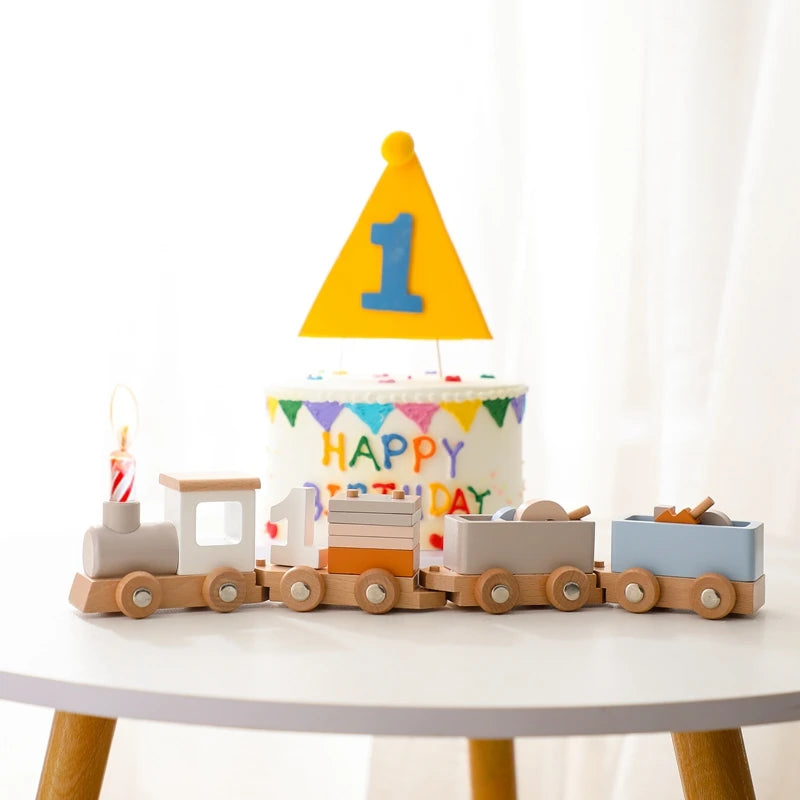
Interactive and safe toys that keep toddlers engaged longer
Give your toddler a toy they’ll actually use, love, and learn from every day.
FAQs About Early Childhood Educational Toys
What are the best toys for early childhood education?
Open-ended toys like building sets, train sets, and sensory toys provide the most long-term value.
How do educational toys support development?
They improve cognitive, motor, language, and social skills through interactive play.
What are the safest materials for kids’ toys?
Natural wood, silicone, and BPA-free plastics are among the safest options.
Are Montessori toys better than traditional toys?
They often promote longer engagement and independent learning.
What toys should parents avoid for early learning?
Avoid overly complex, noisy, or purely passive toys that limit creativity.
How many toys does a young child really need?
About 5–10 high-quality toys in rotation is ideal.
What are the best screen-free activities for young children?
Hands-on play, storytelling, building, and sorting games are highly effective.
How do I choose age-appropriate educational toys?
Match toys to your child’s developmental stage and current abilities.
Pillar Article: toys for developing fine motor skills: Best Fit for Different Child Needs
Other Related Articles:
Explore More:





