

What Toys Are Good for Fine Motor Skills? Age Guide
What are the best toys for developing fine motor skills in toddlers?
The best toys for developing fine motor skills in toddlers are stacking blocks, shape sorters, threading toys, chunky puzzles, nesting cups, and simple wooden play sets. These hands-on toys encourage grasping, pinching, twisting, and problem-solving while strengthening hand muscles and coordination. Regular play with age-appropriate toys helps build everyday skills needed for writing, feeding, dressing, and independent play.
Toys for Developing Fine Motor Skills: Best Fit for Different Child Needs
Finding effective toys for developing fine motor skills doesn't have to be complicated. Instead of focusing on flashy features, choose toys that encourage your child to grasp, stack, connect, sort, and manipulate objects with their hands. Whether your toddler is building grip strength, improving coordination, or learning to stay focused on a task, the right toy provides meaningful practice through everyday play. This guide explains how to choose developmentally appropriate toys and match them to your child's current abilities.
⏱ 8 min read
Which toys genuinely support your toddler's development—and which are simply entertaining? Here's what parents should know before choosing their next toy.
Discover the safest toys for your baby
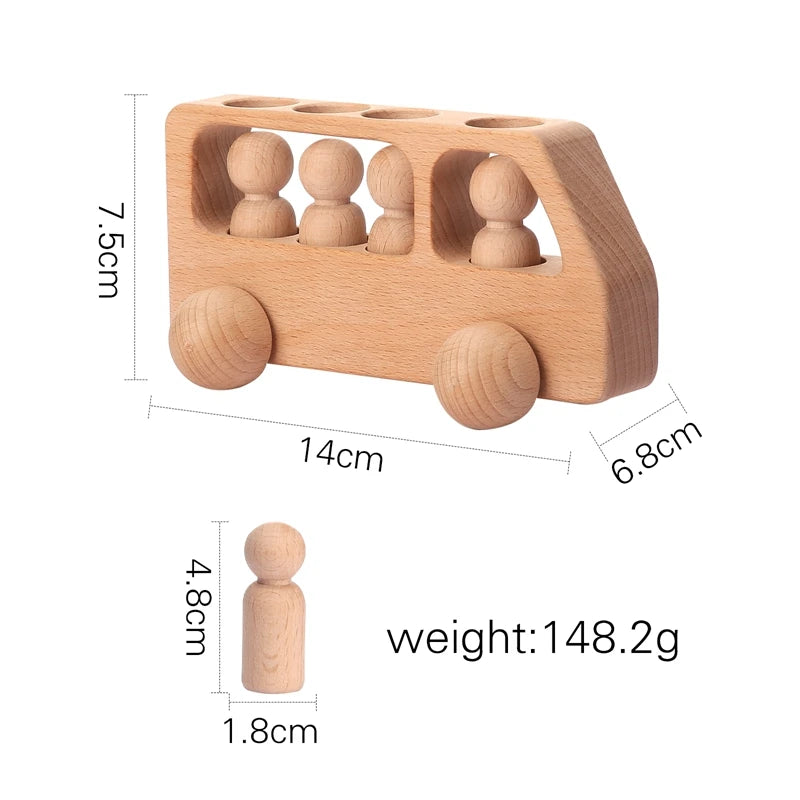
Best toys for fine motor skill development that keep toddlers engaged. See it in action.
Why Fine Motor Skills Matter Early
Fine motor skills are the small, controlled movements of the hands, fingers, and wrists that children rely on throughout daily life. These abilities develop gradually through repeated play and practice, forming the foundation for independence at home and readiness for preschool.
As toddlers strengthen these skills, they become more confident performing everyday activities such as:
- Holding crayons and markers with better control
- Feeding themselves using spoons and forks
- Stacking blocks and building simple structures
- Turning book pages one at a time
- Picking up small objects using a pincer grasp
- Beginning simple dressing tasks like pulling zippers or fastening large buttons
Children develop these skills at different rates, but frequent opportunities for hands-on play help improve finger strength, hand-eye coordination, dexterity, and bilateral coordination. Choosing toys that encourage active manipulation gives toddlers repeated practice without making learning feel like work.
If your child consistently avoids using one or both hands, struggles with simple grasping activities, or becomes frustrated during age-appropriate play, introducing targeted fine motor activities can provide valuable practice while keeping the experience enjoyable.
Explore tools designed for growth in Baby Growth & Learning .
How Toys Support Real Development
Fine motor toys do more than keep children busy—they provide repeated opportunities to practice precise hand movements during enjoyable play. Each time a toddler stacks, twists, threads, or fits pieces together, the brain and hands work together to strengthen coordination and control.
Consistent, age-appropriate play gradually builds the skills children rely on for school readiness and everyday independence.
Key benefits of the right toys
- Strengthen fingers, hands, and wrists
- Improve hand-eye coordination and bilateral coordination
- Develop concentration, patience, and problem-solving
- Support self-feeding, drawing, dressing, and other daily tasks
- Encourage independent exploration and confidence
Choosing toys that require active participation is more effective than selecting products that mainly entertain.
Toys are less effective for fine motor development when they:
- Rely mostly on lights, sounds, or automatic movement
- Are too easy to challenge your child or too difficult to complete
- Require little grasping, pinching, turning, stacking, or connecting
- Offer only one way to play, limiting repeated skill practice
How to Match Toys to Your Child's Specific Needs
1. For weak grip strength
Choose toys that encourage squeezing, pressing, pulling, or connecting pieces together. These movements naturally build hand strength while remaining fun and engaging.
- Soft building blocks
- Chunky wooden puzzles
- Wooden train sets like this engaging option
Open-ended construction toys are especially useful because children repeat the same gripping and connecting motions throughout play.
2. For poor coordination
Look for activities that require careful placement and controlled movement to improve accuracy.
- Stacking rings
- Shape sorters
- Threading beads with large laces
- Simple peg boards
These toys strengthen visual tracking while helping children coordinate both hands together.
3. For short attention spans
Select toys that provide quick success while still encouraging hands-on interaction.
- Simple cause-and-effect toys
- Interactive wooden play sets
- Sensory play kits with scooping, pouring, or sorting activities
Rotating a small selection of toys every few days can also help maintain interest without overwhelming your child. Browse engaging options in Sensory Toys .
4. For advanced toddlers
As fine motor control improves, introduce toys that involve planning, sequencing, and more precise movements.
- Building kits
- Mini construction toys with larger connectors
- Pattern puzzles
- Lacing and weaving activities
Gradually increasing the level of challenge keeps children engaged while continuing to strengthen dexterity, coordination, and problem-solving skills.
Comparison of Popular Toy Types
| Toy Type | Best For | Recommended Age | Key Benefits | Limitations |
|---|---|---|---|---|
| Wooden Toys | Grip strength and coordination | 12 months+ | Durable, tactile, encourages open-ended play and problem-solving | Usually fewer electronic features, which may not appeal to every child |
| Plastic Interactive Toys | Capturing attention | 12 months+ | Immediate feedback through lights, buttons, and sounds | May encourage less hands-on manipulation if play is mostly passive |
| Montessori Toys | Independent skill development | 12 months–5 years | Designed for purposeful practice, concentration, and self-directed learning | Often work best with gradual introduction and age-appropriate progression |
| Traditional Toys | General play and imagination | All ages | Versatile, familiar, and easy to combine with other activities | Not all traditional toys specifically target fine motor development |
Selecting a toy category should depend on your child's current developmental stage rather than the number of features it offers. Toys that encourage repeated grasping, stacking, sorting, or connecting typically provide the greatest opportunities to strengthen fine motor skills over time.
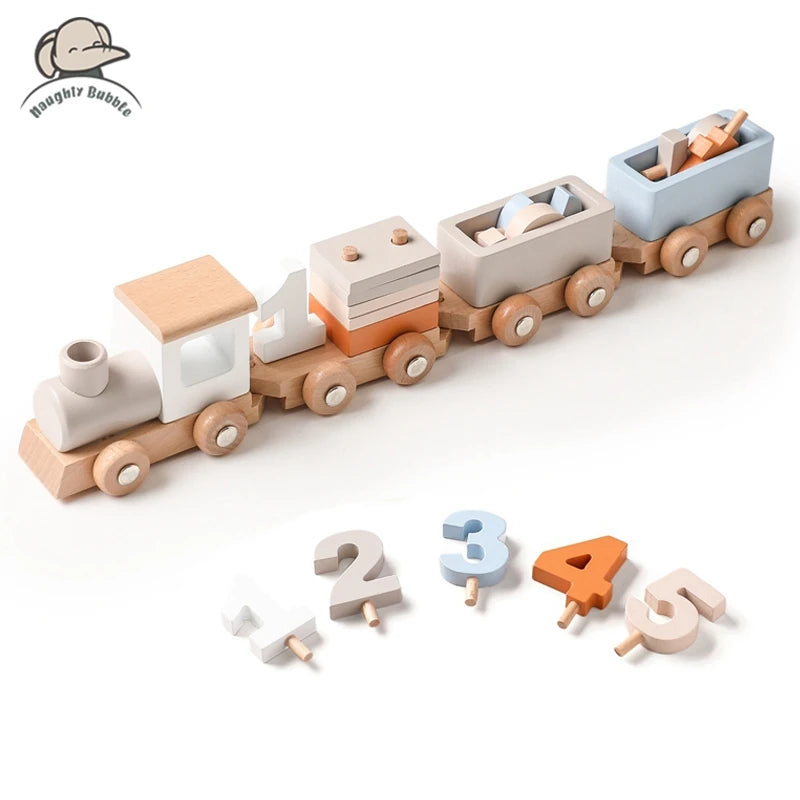
Safe toys for toddlers with learning benefits that improve coordination. See it in action.
Learn step-by-step how to choose the right baby gear
Ways to Improve Toddler Fine Motor Skills Through Play
- Rotate a small selection of toys every week to keep play fresh without overwhelming your child.
- Demonstrate new actions first, then encourage your toddler to try independently.
- Allow repeated practice at your child's own pace, since repetition strengthens coordination and confidence.
- Praise effort and persistence rather than focusing only on completing a task correctly.
- Balance fine motor toys with everyday activities such as drawing, stacking, sorting, pouring, and self-feeding.
- Reduce screen time and overly stimulating electronic toys to encourage more active, hands-on play.
Short, consistent play sessions are generally more effective than introducing a large number of new toys. Even 15 to 30 minutes of focused play each day can support steady skill development.
Support daily routines with tools from Feeding Tools .
Common Mistakes That Slow Progress
- Buying too many toys at once, making it difficult for children to focus.
- Choosing toys that don't match the child's current developmental stage.
- Depending mainly on passive electronic entertainment instead of interactive play.
- Stepping in too quickly instead of allowing independent problem-solving.
- Replacing challenging activities before children have enough time to practice.
Small adjustments to your toy selection and daily routine often produce better long-term results than constantly purchasing new products.
What works better?
- Maintain a small collection of purposeful, age-appropriate toys.
- Include a variety of hands-on activities that involve grasping, stacking, sorting, and building.
- Create regular play routines that encourage daily practice.
- Gradually increase the difficulty as your child's skills improve.
How This Wooden Train Toy Supports Real Skill Growth
A well-designed wooden train set encourages children to grasp, connect, stack, pull, and rebuild pieces repeatedly. These simple actions strengthen hand muscles, improve coordination, and develop planning skills through open-ended play. Because children can create new layouts each time they play, the toy continues to provide appropriate challenges as their abilities grow.
- Builds grip strength and finger control through repeated handling
- Encourages problem-solving and creative thinking during construction
- Promotes independent, screen-free play
- Supports long-term fine motor development as play becomes more complex
Pair with essentials from Mobility & Training for holistic development.
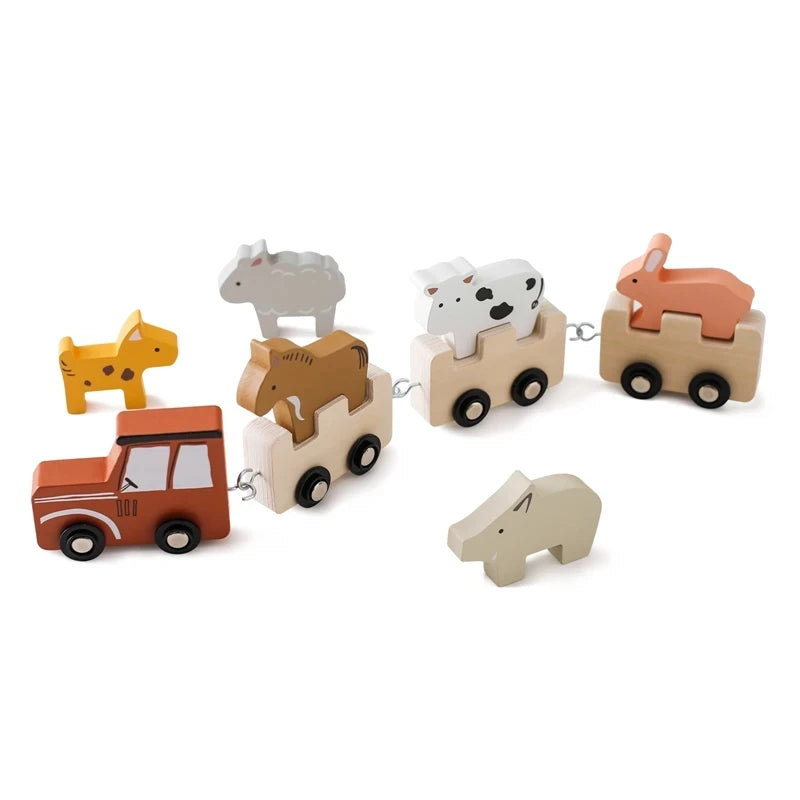
Best toys for fine motor skill development for hands-on learning. See it in action.
Get yours now — limited stock!
FAQs
What age should children start using fine motor toys?
Many children begin using simple fine motor toys between 12 and 18 months. Start with large, easy-to-grasp toys and gradually introduce more challenging activities as coordination improves.
What toys are good for fine motor skills?
Some of the best choices include stacking blocks, shape sorters, chunky puzzles, threading beads, nesting cups, peg boards, and wooden construction toys. These activities encourage grasping, pinching, stacking, and precise hand movements.
Which toys improve pincer grasp?
Large beads, peg puzzles, shape sorters, stacking toys, and simple posting activities help children practice using their thumb and index finger together, an important movement for feeding, writing, and dressing.
Are Montessori toys good for fine motor development?
Yes. Montessori toys emphasize hands-on exploration and purposeful movement, making them excellent for developing coordination, dexterity, concentration, and independence when matched to a child's developmental stage.
How much fine motor play is recommended each day?
Aim for about 15 to 30 minutes of focused fine motor activities daily. These sessions can be spread throughout the day and combined with everyday routines such as drawing, self-feeding, sorting, and building.
Can everyday household items build fine motor skills?
Absolutely. Safe household objects such as measuring cups, clothespins, large spoons, empty containers, and stacking plastic cups can provide valuable opportunities to practice grasping, pouring, sorting, and transferring objects under adult supervision.
Related Articles:
- early childhood educational toys: Best Choices for Fast vs Slow Learners
- great toys for 3 year olds: Perfect Picks for Active vs Quiet Kids
Pillar Articles:
- educational toys for 2 year olds: Real Parent Reviews & Best Picks Compared
- toys for fine motor skill development: Key Features That Boost Coordination Fast
- Screen free activities: Easy Step-by-Step Ways to Keep Kids Engaged at Home
- educational toys for 4 year olds: Montessori vs Traditional Best Picks





