

How to Use Times Table Games to Boost Memory Fast
Do times table games really work?
Times table games improve recall speed and accuracy by turning repetition into active play. When children engage with patterns, challenges, and rewards, they retain multiplication facts faster. These games reduce boredom, increase focus, and help learners confidently apply math skills in real-life situations.
How to Use Times Table Games to Boost Memory Fast
⏱ 6 min read
Struggling to keep your child engaged with multiplication? You’re not alone. Many parents notice kids lose interest in math worksheets quickly, leading to frustration and slow progress. The good news: there’s a faster, more enjoyable way to build strong math skills—through play. Let’s explore how simple games can turn confusion into confidence.
Explore Baby Growth & Learning for hands-on solutions your child will love.
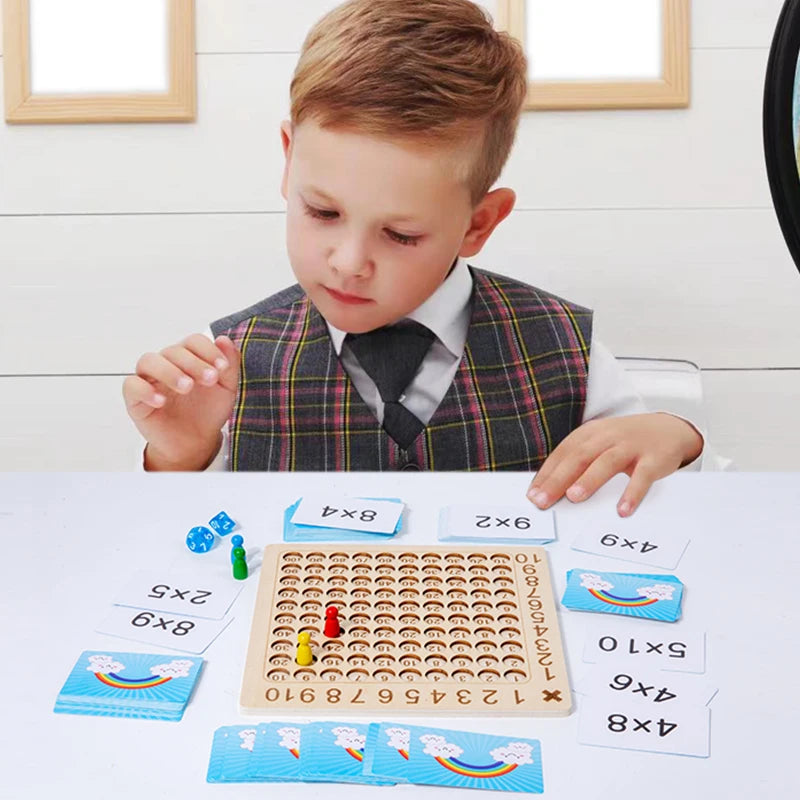
💡 See it in action - times table games / kids lose interest in math worksheets, interactive multiplication games for classroom learning, fun ways to practice multiplication tables, improve multiplication skills with educational games
Why Times Table Games Work So Well
Times table games help children learn faster because they activate multiple areas of the brain at once. Instead of passive memorization, kids interact, think, and respond.
- Active engagement: Kids stay focused longer when learning feels like play
- Repetition without boredom: Games naturally repeat key facts
- Instant feedback: Helps correct mistakes quickly
- Confidence building: Small wins encourage continued learning
When kids lose interest in math worksheets, it’s usually because the process feels repetitive and disconnected. Games solve this by adding excitement and purpose.
Step-by-Step: How to Use Times Table Games Effectively
Times table games are most effective when used consistently and intentionally. Follow these steps to see fast improvement:
-
Start with simple tables
Focus on 2s, 5s, and 10s first to build confidence. -
Use short sessions (10–15 minutes)
Keep it fun and avoid burnout. -
Mix different game styles
Switch between visual, physical, and mental games. -
Encourage friendly competition
Play together or involve siblings for motivation. -
Celebrate small wins
Praise effort, not just correct answers.
Browse interactive tools in Sensory Toys designed for hands-on learning.
Fun Game Ideas That Actually Improve Memory
Looking for fun ways to practice multiplication tables? These proven ideas work both at home and in classrooms.
1. Flashcard Race
Turn basic flashcards into a timed challenge. Kids answer as many as possible in one minute.
2. Multiplication Bingo
Create bingo cards with answers. Call out multiplication problems instead of numbers.
3. Dice Multiplication
Roll two dice and multiply the numbers. This builds quick mental math skills.
4. Array Building with Objects
Use blocks or beads to visually represent multiplication problems.
| Game Type | Best For | Skill Developed |
|---|---|---|
| Flashcard Race | Speed | Recall accuracy |
| Bingo | Group learning | Listening & matching |
| Dice Game | Quick thinking | Mental math |
| Array Building | Visual learners | Concept understanding |

💡 See it in action - times table games / kids lose interest in math worksheets, interactive multiplication games for classroom learning, fun ways to practice multiplication tables, improve multiplication skills with educational games
Common Mistakes Parents Make (And How to Fix Them)
| Mistake | Why It Slows Learning | Better Approach |
|---|---|---|
| Forcing long sessions | Leads to frustration | Keep sessions short and fun |
| Only using worksheets | Causes boredom | Mix in interactive multiplication games for classroom learning |
| Focusing only on speed | Hurts understanding | Balance speed with accuracy |
| No consistency | Weak retention | Practice daily in small doses |
Fixing these small issues can dramatically improve results within just a few weeks.
Best Tools to Make Learning Easier
Sometimes, the right tool makes all the difference. Hands-on materials help kids connect numbers with real-world meaning.
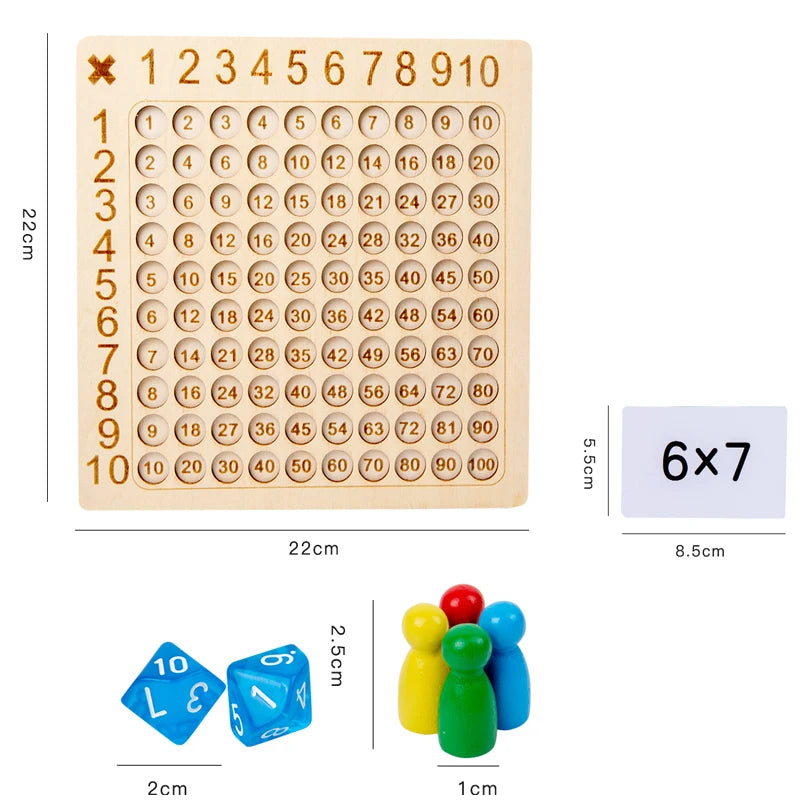
- Wooden number boards
- Counting beads
- Interactive learning kits
- Visual multiplication charts
One highly effective option is a hands-on learning kit like this Montessori math toy set. It allows children to physically interact with numbers, making abstract concepts easier to understand.
Parents often report that their children become more focused and confident after just a few sessions using tactile tools.
For even better results, combine these tools with resources from Baby Growth & Learning Tips to create a consistent learning routine.
How to Track Progress Without Pressure
Tracking progress doesn’t have to feel stressful. Keep it simple and encouraging.
- Use a sticker chart for completed sessions
- Track improvement in speed weekly
- Celebrate milestones (like mastering the 5x table)
- Avoid comparing with other kids
Quick check-in: Is your child answering faster and with more confidence? That’s real progress.
💡 See it in action - times table games / kids lose interest in math worksheets, interactive multiplication games for classroom learning, fun ways to practice multiplication tables, improve multiplication skills with educational games
Make learning easier today with this Montessori math toy set and turn practice into play.
Quick FAQs
What age should kids start times table games?
Most children can begin around ages 5–6, starting with simple patterns like 2s and 5s.
How often should kids practice multiplication?
Daily practice for 10–15 minutes is ideal for building strong memory without causing fatigue.
Are games better than worksheets?
Games are more engaging and improve retention, especially when kids lose interest in math worksheets.
Do interactive multiplication games really help?
Yes, they improve focus, recall speed, and confidence by making learning active and enjoyable.
With the right approach, learning multiplication doesn’t have to be a struggle. It can become something your child actually looks forward to—every single day.
Pillar Article: How to Learn Multiplication Facts Quickly in 7 Easy Steps
Other Related Articles:
- How to Create a Math Board Game DIY Kids Will Love
- How to Use Math Hands On Activities for Kindergarten
- Learn How to Multiply Step by Step Without Frustration
Explore More:





