

Fun Ways to Learn Multiplication Facts: What Actually Works?
What are fun ways to learn multiplication facts that actually work?
Fun ways to learn multiplication facts combine games, visual tools, and short daily practice to improve memory and confidence. Kids retain facts faster when learning feels like play—using hands-on activities, pattern recognition, and repetition in small bursts instead of drills that cause frustration.
Fun Ways to Learn Multiplication Facts: What Actually Works?
⏱ 7 min read — If your child forgets multiplication facts easily or groans at practice time, you’re not alone. Many parents feel stuck between boring drills and inconsistent progress. The good news? There are simple, proven ways to make multiplication stick—without tears or resistance. Let’s explore what truly works.
Does your child say, “I hate math practice”? You’re not imagining it—traditional repetition often fails to engage young minds. But when learning becomes interactive, kids stay curious, focused, and confident.
Baby Growth & Learning
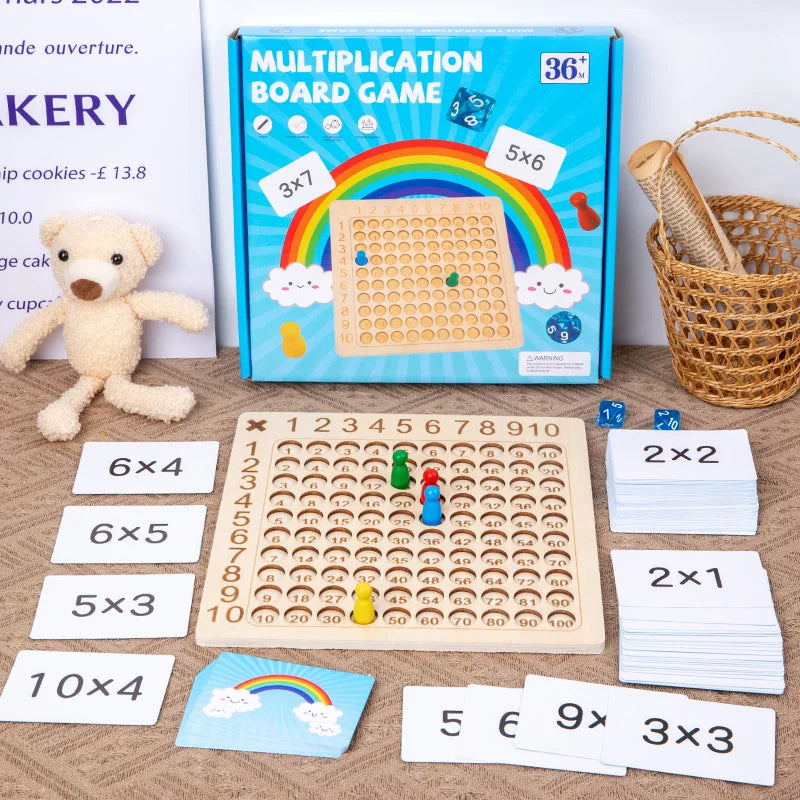
💡 See it in action - fun ways to learn multiplication facts / kids forget multiplication facts easily, hands on math learning activities for kids, best multiplication games for kids at home, my child hates math practice
Why Kids Forget Multiplication Facts Easily
Before fixing the problem, it helps to understand why it happens. Many kids don’t struggle with ability—they struggle with how they’re taught.
- Too much memorization without understanding patterns
- Practice feels repetitive and boring
- No visual or hands-on support
- Long sessions instead of short, consistent exposure
When learning lacks engagement, the brain simply doesn’t retain information well.
Fun Ways to Learn Multiplication Facts That Work
Fun ways to learn multiplication facts focus on combining play, repetition, and visual understanding. Kids remember better when they interact with numbers using games, objects, and patterns. Short, daily practice sessions with engaging tools help build long-term memory without frustration or resistance.
1. Turn Multiplication Into a Game
Games instantly remove pressure. Instead of “practice,” kids feel like they’re playing.
- Dice multiplication challenges
- Flashcard races
- Board games with multiplication steps
- Memory matching games
These are among the best multiplication games for kids at home because they combine fun with repetition.
2. Use Patterns Instead of Memorizing Everything
Multiplication is full of patterns—once kids see them, learning speeds up.
- 5s end in 0 or 5
- 9s follow digit patterns (like 18, 27, 36)
- Even numbers double easily
This reduces the need to memorize every single fact.
3. Break Practice Into Small Daily Sessions
Instead of long sessions, try:
- 5 minutes in the morning
- 5 minutes after school
- Quick review before bedtime
Short bursts improve retention significantly.
Children Montessori Wooden Math Learning Toy Set
Which Method Works Best? (Side-by-Side)
| Method | Pros | Cons | Best For |
|---|---|---|---|
| Flashcards | Fast recall practice | Can feel repetitive | Quick review |
| Math Games | Engaging and fun | May lack structure | Motivation |
| Worksheets | Structured learning | Boring for many kids | Reinforcement |
| Hands-on Tools | Visual + interactive | Requires setup | Deep understanding |
Best Multiplication Games for Kids at Home
If your child hates math practice, these ideas can completely shift their mindset:
- Multiplication War: Flip cards and multiply numbers
- Array Building: Use objects to visualize groups
- Skip Counting Challenges: Count by 2s, 3s, 4s
- Treasure Hunt: Solve clues using multiplication
Parents often notice kids practicing longer when they don’t realize they’re learning.
How Hands-On Learning Makes Math Stick
Hands on math learning activities for kids are powerful because they engage multiple senses.
Instead of abstract numbers, children see and touch what multiplication means.
- Grouping objects into sets
- Building arrays with blocks
- Using wooden number tools
- Matching numbers with quantities
Parents report faster progress when combining visual tools with daily practice.
One parent shared: “My child went from avoiding math to asking to play multiplication games after we switched to hands-on tools.”
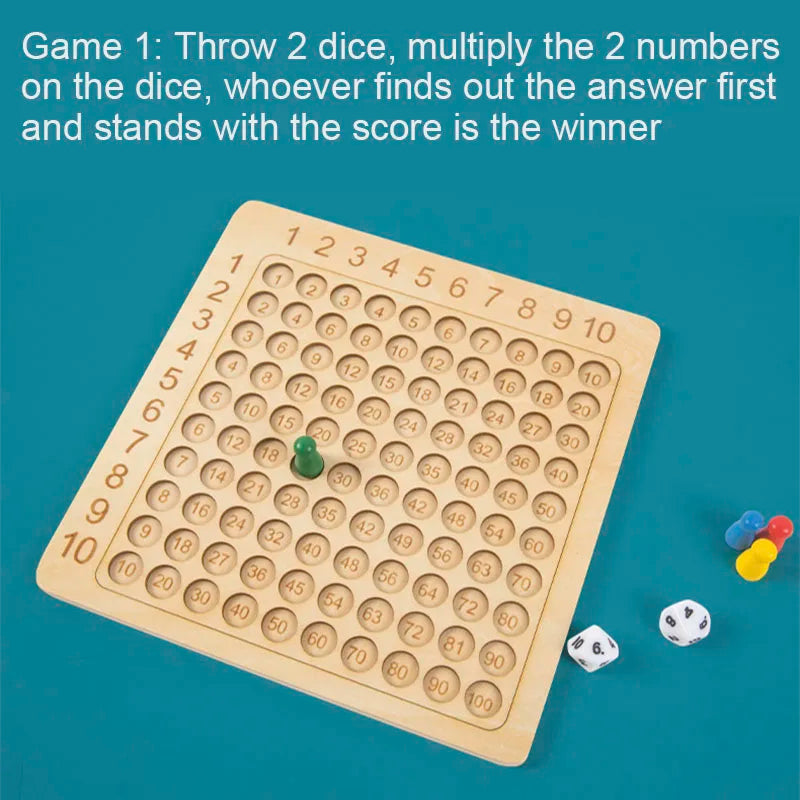
💡 See it in action - fun ways to learn multiplication facts / kids forget multiplication facts easily, hands on math learning activities for kids, best multiplication games for kids at home, my child hates math practice
Simple Daily Routine That Builds Memory Fast
- Start with 2–3 known facts for confidence
- Introduce 1–2 new facts only
- Use a game or visual tool
- End with a quick success review
This routine keeps learning manageable and stress-free.
Consistency matters more than intensity.
Helpful Tools That Support Learning
Combining play with structure works best. Tools that encourage interaction can make a big difference.
- Sensory Toys help younger learners stay engaged
- Baby Growth & Learning supports skill-building through play
- Wooden math tools provide tactile learning experiences
Real Parent Feedback
- “My child finally remembers multiplication without stress.”
- “Practice time went from tears to excitement.”
- “Short sessions and games made a huge difference.”
When to Try a Different Approach
If your child still struggles, consider switching methods if you notice:
- Frustration or avoidance
- No improvement after weeks of practice
- Difficulty recalling even familiar facts
Sometimes, a simple change in approach unlocks progress.
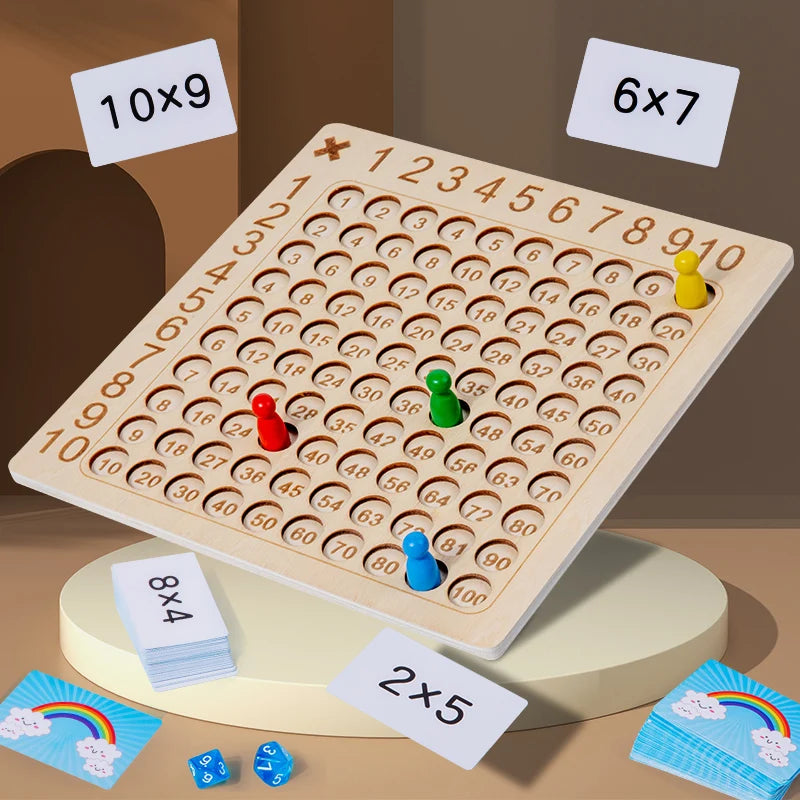
💡 See it in action - fun ways to learn multiplication facts / kids forget multiplication facts easily, hands on math learning activities for kids, best multiplication games for kids at home, my child hates math practice
Children Montessori Wooden Math Learning Toy Set
FAQs
How to learn multiplication facts quickly?
Focus on short daily practice, use games, and teach patterns instead of memorizing everything. Hands-on tools and repetition in small sessions help children retain information faster.
Why do kids forget multiplication facts easily?
Many children rely on memorization without understanding. Without engagement or repetition, facts are easily forgotten. Interactive learning improves retention.
What are the best multiplication games for kids at home?
Card games, dice challenges, and memory matching games are effective. They make learning enjoyable while reinforcing multiplication skills naturally.
What if my child hates math practice?
Switch to playful learning methods. Use games, visual tools, and short sessions to reduce stress and build confidence gradually.
Pillar Article: Montessori vs Traditional Schools: Which Wins for Kids?
Other Related Articles:
- Top Educational Multiplication Games Compared for Kids
- Montessori Multiplication Board vs Apps: What Works Better?
- Easy Way to Learn Multiplication Without Tears or Stress
- Best Times Table Games Online Free Kids Actually Love
Explore More:





