

Counting Toys for 2 Year Olds That Make Learning Numbers Fun
What are the best educational toys 2 year olds can learn from?
Educational toys 2 year olds benefit from most are hands-on, safe, and designed to teach counting, sorting, matching, problem-solving, and fine motor skills through play. The best counting toys for 2 year olds encourage active exploration, helping toddlers build early number sense and confidence without relying on screens.
Educational toys 2 year olds: Best reviewed learning sets
⏱ 6 min read — Finding educational toys 2 year olds genuinely enjoy doesn't have to be difficult. The best learning toys combine safe materials, simple activities, and opportunities to practice counting, sorting, matching, and independent thinking while keeping play fun every day.
Ever bought a toy your toddler ignored after just a few minutes? Many parents discover that simple, hands-on toys often provide more lasting educational value than flashy electronic alternatives.
What are the best counting toys for 2 year olds?
The best educational toys for 2 year olds encourage children to touch, move, stack, sort, and count objects rather than simply pressing buttons. At this age, toddlers learn best through repetition and hands-on exploration.
- For early counting: Wooden finger counting toys and counting bears
- For fine motor skills: Peg boards and stacking blocks
- For independent play: Montessori counting trays
- For matching and sorting: Number puzzles and magnetic counting games
- For growing toddlers: Simple toddler abacuses
Children who enjoy manipulating real objects often stay engaged longer while naturally practicing counting, color recognition, sequencing, and hand-eye coordination.
What counting skills should a 2-year-old be developing?
Every child develops at their own pace, but most 2 year olds begin building the foundations of early math through everyday play.
Counting milestones at age 2
- Counting small groups of objects with adult guidance
- Recognizing numbers in books and toys
- Sorting by color or size
- Matching identical objects
- Beginning one-to-one correspondence while counting
Number recognition vs memorization
Many toddlers can recite numbers before they truly understand quantity. The goal isn't simply saying "one, two, three," but connecting each spoken number with a physical object. That's why learning toys for 2 year olds that encourage touching and moving pieces are so effective.
How counting toys support early math
Math toys for 2 year olds help children:
- Understand quantity visually
- Practice problem-solving through play
- Strengthen fine motor coordination
- Build confidence through repetition
- Develop concentration during short learning sessions
Collections like Baby Growth & Learning and Sensory Toys support these important developmental milestones.
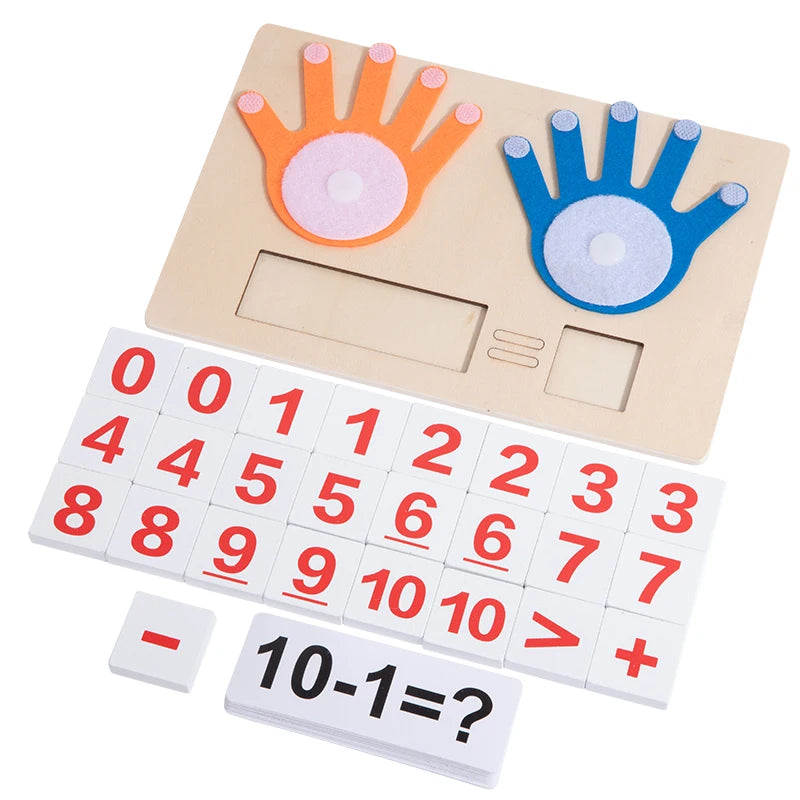
See it in action - educational toys 2 year olds, counting practice, tactile math learning, safe wooden educational toys for kids.
Best counting toys for 2 year olds reviewed
Wooden counting bears
Best for: Color sorting and beginner counting.
Pros: Excellent for matching activities, durable, encourages independent learning.
Cons: Small pieces require adult supervision.
Number puzzles
Best for: Number recognition and shape matching.
Pros: Encourages logical thinking while improving hand-eye coordination.
Cons: Less suitable for children who still mouth toys.
Stacking counting blocks
Best for: Building towers while practicing simple counting.
Pros: Supports creativity and spatial awareness.
Cons: May not focus specifically on number learning.
Montessori counting trays
Best for: Independent learning and one-to-one counting practice.
Pros: Encourages concentration and self-correction.
Cons: Works best with parent guidance during early sessions.
Abacus for toddlers
Best for: Developing counting sequences and visual number relationships.
Pros: Durable and suitable for several years of learning.
Cons: Some toddlers need demonstrations before using it independently.
Magnetic counting games
Best for: Travel and quiet activities.
Pros: Portable with fewer loose pieces.
Cons: Magnets should always remain securely enclosed.
Counting peg boards
Best for: Fine motor development.
Pros: Strengthens finger control while reinforcing counting.
Cons: Requires supervision due to removable pegs.
Interactive counting toys
Best for: Children who enjoy sounds and lights in moderation.
Pros: Can increase initial engagement.
Cons: Screen-free tactile toys generally encourage more active learning.
Among these options, one product combines simplicity, durability, and excellent educational value.
Wooden Finger Counting Toy
- Safe non-toxic wooden construction
- Bright colors for visual learning
- Finger counting promotes one-to-one correspondence
- Built for everyday toddler play
- No batteries or screens required
Parents often choose this toy because it naturally combines counting practice, fine motor development, and independent exploration in one activity.
Comparison table: Top counting toys for toddlers
| Toy Type | Recommended Age | Learning Skills | Material | Safety | Value |
|---|---|---|---|---|---|
| Wooden Finger Counting Toy | 2+ | Counting, fine motor, number recognition | Wood | ★★★★★ | ★★★★★ |
| Counting Bears | 2+ | Sorting, colors, counting | Plastic | ★★★★☆ | ★★★★☆ |
| Number Puzzle | 2+ | Number recognition | Wood | ★★★★★ | ★★★★☆ |
| Toddler Abacus | 2.5+ | Counting patterns | Wood | ★★★★★ | ★★★★☆ |
| Electronic Learning Toy | 2+ | Basic number exposure | Mixed | ★★★☆☆ | ★★★☆☆ |
Montessori vs traditional counting toys
| Montessori Toys | Traditional Toys |
|---|---|
| Hands-on exploration | Often guided by sounds or lights |
| Encourages independent learning | Usually adult-led activities |
| Simple wooden materials | Mixed materials and electronics |
| Focus on concentration | Focus on entertainment |
Neither style is universally better. Families looking for screen-free, independent play often prefer Montessori-inspired toys, while traditional toys may appeal to children who enjoy more interactive features.
How to choose the best counting toy for a 2-year-old
Safety checklist
- Choose non-toxic materials
- Look for smooth edges
- Select age-appropriate sizes
- Follow manufacturer age recommendations
Durability and materials
Solid wood and high-quality plastics typically withstand years of toddler play. Durable toys can also be reused by younger siblings.
Storage and portability
Toys that include trays, storage boxes, or carrying cases are easier to keep organized and encourage regular use.
Common mistakes to avoid
- Buying toys that are too advanced
- Choosing entertainment over educational value
- Ignoring safety certifications
- Purchasing too many similar toys instead of versatile ones
For safe environments during play, explore Health & Safety .
Expert tips for encouraging counting through play
- Count everyday objects like snacks, toys, and stairs.
- Keep learning sessions between 10 and 20 minutes.
- Let your child explore without correcting every mistake.
- Celebrate effort rather than perfect counting.
- Rotate toys every few weeks to maintain interest.
You can also combine counting activities with products from Feeding Tools by counting pieces of fruit, crackers, or utensils during meals.
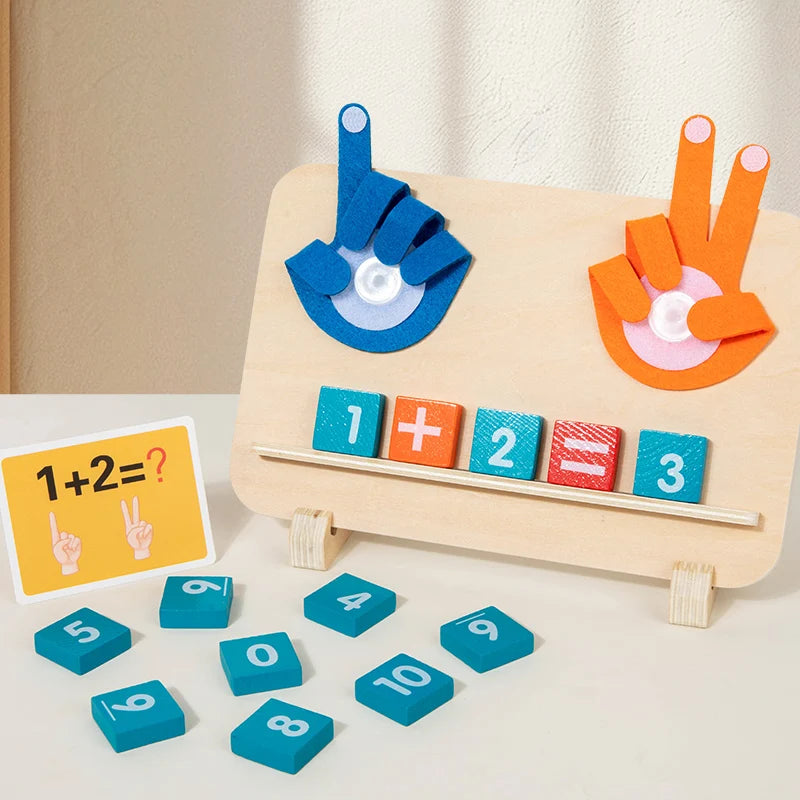
Hands-on counting activities help toddlers connect numbers with real objects through everyday play.
Real parent reviews and play experiences
Sarah, mom of a 2-year-old
"My son went from losing interest after a few minutes to happily counting and sorting for nearly 15 minutes."
Jason, father of twins
"We've tried several educational toys, but the wooden counting activities held their attention the longest and helped both children recognize numbers."
Parents consistently mention:
- Longer independent play sessions
- Excellent durability
- Easy cleanup and storage
- Improved confidence with counting activities
Many families also pair educational toys with items from Mobility & Training to encourage whole-body development.
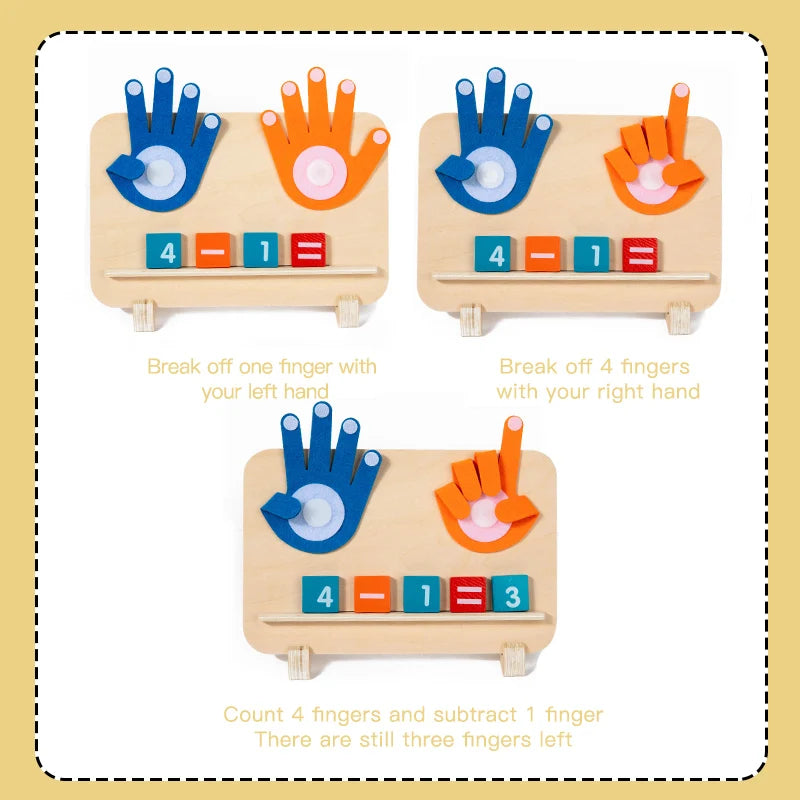
Screen-free counting games encourage confidence, focus, and fine motor development through play.
Shop the Wooden Finger Counting Toy
Frequently asked questions
When do toddlers usually start counting?
Many toddlers begin reciting numbers between ages 2 and 3, while understanding quantity develops gradually through repeated hands-on experiences.
What are the best educational toys for 2 year olds?
Wooden counting toys, shape sorters, stacking blocks, puzzles, and Montessori-inspired learning activities are among the best options because they combine learning with active play.
What types of learning toys are ideal for toddlers around two years old?
Toys that encourage touching, sorting, stacking, matching, and counting are ideal because they support cognitive, language, and fine motor development simultaneously.
Are Montessori counting toys worth buying?
Yes. Many families appreciate Montessori toys because they encourage independent exploration, concentration, and practical learning using simple materials.
How do math toys help a 2-year-old learn?
Math toys introduce early concepts like quantity, sequencing, matching, and one-to-one correspondence while strengthening problem-solving and coordination.
What is the best learning toy for a 2.5-year-old?
A wooden counting toy, toddler abacus, or number puzzle can provide age-appropriate challenges while preparing children for preschool math activities.
How many counting toys does a toddler need?
Most toddlers benefit more from a small selection of high-quality, versatile toys than a large collection. Rotating a few favorite toys regularly helps maintain interest.
Pillar Article: Math educational toys: Best brands reviewed for real results
Other Related Articles:
Explore More:





