

Counting Toys for 3 Year Olds That Make Learning Numbers Fun
Do counting toys help 3 year olds learn math?
Yes, counting toys can help 3 year olds build early math skills when they encourage active play instead of memorization. The best educational toys for 3 year olds make numbers easier to understand through touching, moving, sorting, and matching. These hands-on experiences support number recognition, one-to-one correspondence, fine motor development, and preschool readiness.
Educational toys for 3 year olds: Best counting toys compared
⏱ 7 min read — Counting toys for 3 year olds can make early math practice easier by turning numbers into something children can see, touch, and explore. This guide compares the best educational toys for 3 year olds by learning goal, explains which toys support different developmental skills, and helps parents choose the right option for their child’s learning style.
Does your child know how to say numbers but struggle to understand what those numbers actually mean? Many toddlers can memorize counting sequences without developing a true understanding of quantities.
Which math toys for 3 year olds actually build real learning skills? Let’s compare the options that make counting more meaningful.
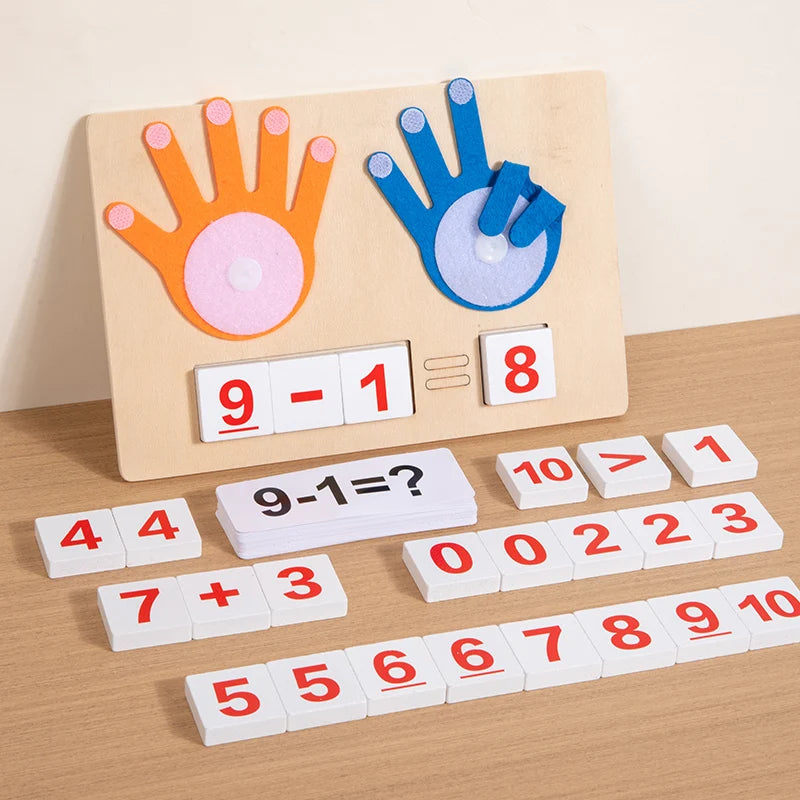
See it in action - educational toys for 3 year olds / toddlers losing interest in counting practice, early learning math toy Montessori style, best math learning toys for toddlers, teaching toddlers math using tactile toys
Curious which counting toys actually help children learn?
Explore hands-on options designed to build early math confidence through play.
Best counting toys for 3 year olds: Top picks by learning goal
The best counting toys for 3 year olds are not always the most complicated. Children learn fastest when toys match their current abilities and encourage repetition, exploration, and problem-solving. The right choice depends on whether your child needs help with number recognition, counting practice, logic skills, or independent learning.
Best for number recognition
Wooden finger counting toys are ideal for children who are learning what numbers represent. These toys connect visual numbers with physical actions, helping toddlers understand quantity instead of simply repeating words.
- Builds number recognition
- Supports one-to-one counting
- Improves hand-eye coordination
Best for: Children beginning their first counting activities.
Best for counting practice
Counting bears, bead sets, and movable counters allow children to practice adding, grouping, and comparing quantities. These toys are useful because toddlers can physically move objects while counting aloud.
- Encourages repetition without boredom
- Makes numbers easier to visualize
- Supports early math confidence
Best for: Toddlers who can say numbers but need help connecting numbers with amounts.
Best Montessori counting toy
Montessori learning toys for 3 year olds focus on simple designs, self-correction, and independent discovery. These toys allow children to practice skills at their own pace without feeling pressured.
- Promotes independent learning
- Encourages concentration
- Supports problem-solving skills
Best for: Parents who prefer structured, hands-on learning.
Best sorting and counting toy
Sorting toys combine colors, shapes, and numbers to introduce early logic skills. They help children recognize patterns and understand relationships between objects.
- Develops classification skills
- Improves cognitive flexibility
- Supports preschool preparation
Best for: Children who enjoy organizing and matching activities.
Best STEM math toy
STEM-inspired math toys introduce early concepts like patterns, sequencing, and problem-solving. These toys encourage curiosity and experimentation through play.
- Builds logical thinking
- Encourages creative solutions
- Supports future STEM skills
Best for: Curious toddlers who enjoy challenges.
Best interactive learning toy
Interactive learning toys combine sounds, movement, or feedback to keep children engaged. They can be helpful for toddlers who lose interest quickly during traditional counting practice.
- Keeps attention longer
- Provides immediate feedback
- Makes practice feel like play
Best for: Active learners who need more stimulation.
Best preschool counting toy
Preschool educational toys for 3 year olds should support skills children use in classrooms, including counting, matching, following instructions, and independent play.
- Supports kindergarten readiness
- Builds confidence
- Encourages learning routines
Best for: Children preparing for preschool.
Best budget counting toy
Simple wooden counting toys often provide excellent value because they are durable, reusable, and support multiple activities as children grow.
- Long-lasting materials
- Multiple learning uses
- Easy for parents to introduce
Best for: Families looking for affordable early learning toys.
Quick comparison table
| Toy Type | Material | Recommended Age | Key Skills | Best For |
|---|---|---|---|---|
| Wooden finger counting toy | Wood | 3+ years | Number recognition, fine motor skills | Learning basic numbers |
| Counting bears and sorting sets | Plastic or silicone | 3+ years | Counting, grouping, patterns | Hands-on math practice |
| Montessori counting toys | Wood or natural materials | 3+ years | Independent learning, concentration | Self-paced discovery |
| Abacus and bead toys | Wood and beads | 3+ years | Counting, coordination, problem-solving | Visual learners |
| Number matching games | Cardboard or wood | 3+ years | Memory, matching, recognition | Preschool preparation |
| Interactive electronic counting toys | Plastic and electronics | 3+ years | Listening, response, number practice | Children needing extra engagement |
Why some toddlers lose interest in counting activities
Many toddlers do not struggle with numbers because they cannot learn them. They struggle because traditional counting activities often feel repetitive or disconnected from real play.
- Short attention spans: Three year olds learn best through quick, engaging activities.
- Difficulty level: Toys that are too advanced can create frustration.
- Lack of interaction: Passive learning makes abstract numbers harder to understand.
- Too much pressure: Children learn better when mistakes are part of play.
That is why Sensory Toys and interactive learning toys for 3 year olds can improve engagement. When children can touch, move, and experiment, counting becomes a natural part of play.
Best counting toy categories reviewed
Counting bears and sorting sets
Counting bears are popular math toys for 3 year olds because they combine counting, sorting, and color recognition. Children can create groups, compare sizes, and practice early addition.
- Learning outcomes: Counting, sorting, pattern recognition
- Pros: Versatile and supports many activities
- Cons: Small pieces require supervision
- Best use case: Guided learning sessions at home
Wooden number puzzles
Wooden number puzzles help children connect symbols with meanings. They are especially useful for visual learners who enjoy matching and problem-solving.
- Learning outcomes: Number recognition and memory
- Pros: Durable and simple to use
- Cons: Less open-ended than other toys
- Best use case: Independent practice
Montessori counting toys
Montessori learning toys for 3 year olds emphasize hands-on exploration. They encourage children to repeat activities until they understand the concept.
- Learning outcomes: Focus, independence, math confidence
- Pros: Child-led learning approach
- Cons: Some children need parent guidance
- Best use case: Structured learning environments
Abacus and bead toys
Abacus toys introduce counting through movement. Sliding beads helps children visualize quantities while strengthening coordination.
- Learning outcomes: Counting, hand control, visual math
- Pros: Durable and reusable
- Cons: Requires introduction for beginners
- Best use case: Daily counting practice
Number matching games
Number matching games combine memory with early math practice. They are useful for children preparing for preschool activities.
- Learning outcomes: Recognition and concentration
- Pros: Encourages family interaction
- Cons: Limited physical play
- Best use case: Parent-child learning time
Interactive electronic counting toys
Electronic counting toys can motivate children who prefer sound, movement, and immediate responses.
- Learning outcomes: Listening skills and number practice
- Pros: Highly engaging
- Cons: Screen-like stimulation may distract some children
- Best use case: Short practice sessions
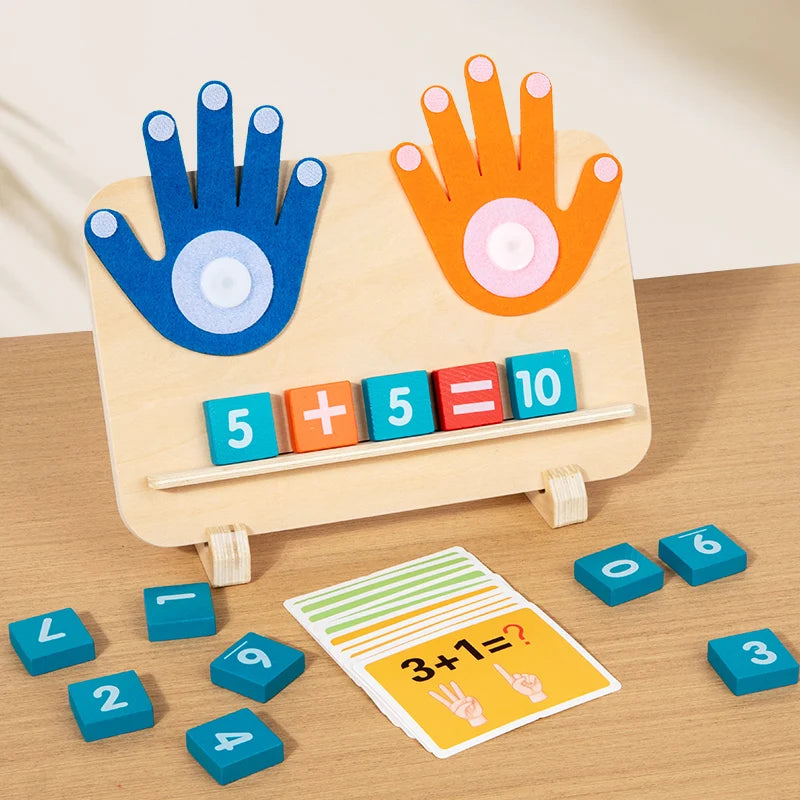
See it in action - educational toys for 3 year olds / toddlers losing interest in counting practice, early learning math toy Montessori style, best math learning toys for toddlers, teaching toddlers math using tactile toys
How counting toys support developmental milestones
Early learning toys for 3 year olds support more than math skills. They also help children develop the abilities needed for preschool and everyday problem-solving.
- Math readiness: Children learn quantity, patterns, and basic number relationships.
- Problem solving: Toys encourage children to test ideas and find solutions.
- Hand-eye coordination: Moving pieces improves fine motor control.
- Independent play: Children gain confidence by completing tasks themselves.
Combining counting activities with resources from Baby Growth & Learning can help create a balanced learning routine at home.
Want a simple way to build counting skills at home?
Start with tactile toys and gradually introduce more challenging activities as your child grows.
How to choose the best counting toy for your 3 year old
- Match the skill level: Choose toys that challenge your child without causing frustration.
- Check safety features: Look for age-appropriate designs, durable construction, and child-safe materials.
- Consider materials: Wooden toys are often durable, while plastic options may offer more interactive features.
- Understand learning style: Some children prefer puzzles, while others learn better through movement.
- Evaluate value: The best toys support multiple skills instead of only one activity.
Pros and cons of counting toys
- ✅ Makes abstract math concepts easier to understand
- ✅ Builds confidence through independent practice
- ✅ Supports fine motor and problem-solving skills
- ✅ Encourages preschool readiness
- ❌ Some toys may lose interest after repeated use
- ❌ Advanced toys may frustrate beginners
- ❌ Not every educational toy focuses on meaningful skill development
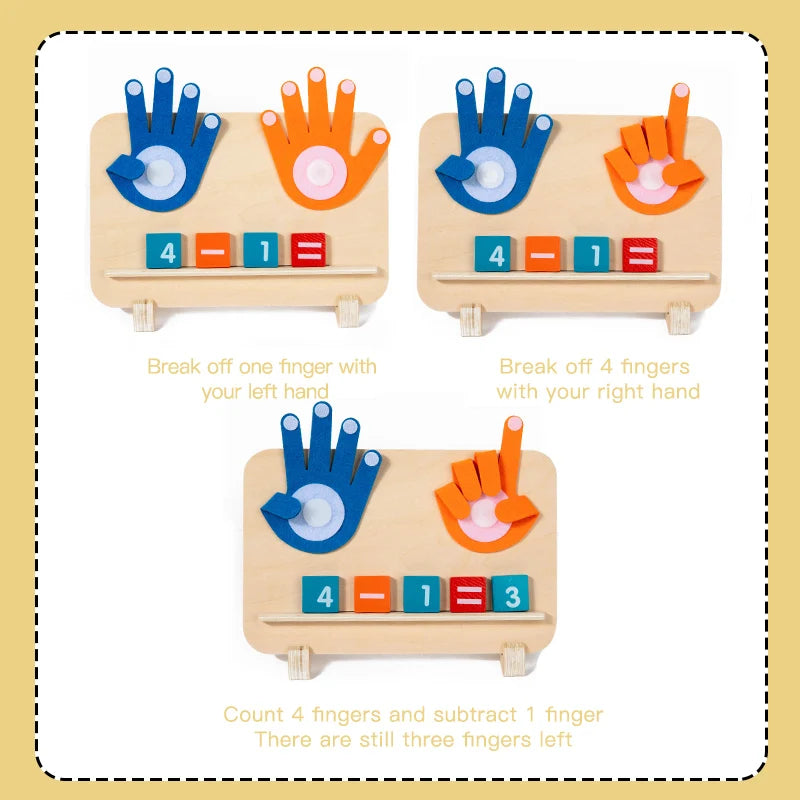
See it in action - educational toys for 3 year olds / toddlers losing interest in counting practice, early learning math toy Montessori style, best math learning toys for toddlers, teaching toddlers math using tactile toys
Ready to make counting practice more enjoyable?
Try the wooden finger counting toy to help children connect numbers with hands-on learning.
Frequently Asked Questions
What are the best counting toys for 3 year olds?
The best counting toys for 3 year olds are hands-on options such as wooden counting toys, sorting sets, number puzzles, and Montessori counting activities. The right choice depends on your child’s current skills and learning style.
What math skills should a 3 year old develop?
Most 3 year olds begin developing number recognition, counting ability, simple sorting, pattern understanding, and basic problem-solving skills through play.
Are wooden counting toys better than plastic ones?
Wooden counting toys are often valued for durability and simplicity, while plastic toys may include more interactive features. Both can support learning when they encourage active play.
Which counting toys are Montessori inspired?
Montessori-inspired counting toys usually include simple designs, natural materials, sorting activities, bead counting, and tools that allow children to learn independently.
How do counting toys prepare children for preschool?
Counting toys help children practice skills needed in preschool, including following instructions, recognizing numbers, solving simple problems, and working independently.
What safety features should parents look for when buying counting toys?
Parents should choose age-appropriate toys made from safe materials, with sturdy construction and pieces that match the child’s developmental stage.
Pillar Article: Best preschool learning toys: Top picks compared for kids
Other Related Articles:
- Number recognition games for kindergarten: Top game review
- Montessori counting beads: Which set is best reviewed
- Toys for developing fine motor skills: Top toy comparison
- Number recognition preschool activities: Best methods compared
Explore More:





