

Fine Motor Skill Development Toys That Build Real Skills
Do fine motor skill development toys really work?
Yes— fine motor skill development toys can support meaningful skill growth when they encourage purposeful, hands-on practice rather than passive entertainment. The most effective fine motor skill toys challenge children to grasp, pinch, twist, stack, thread, place, and manipulate objects in ways that strengthen the small muscles of the hands and fingers while improving precision and control.
These activities also help develop hand-eye coordination , bilateral coordination (using both hands together), finger dexterity, and the pincer grasp needed for everyday tasks such as self-feeding, buttoning clothes, drawing, and eventually writing. Progress is typically gradual, with skills improving through frequent, enjoyable repetition instead of one-time play sessions.
Well-designed toys for hand eye coordination provide an appropriate level of challenge that keeps children engaged without causing frustration. In contrast, toys that rely mostly on lights, sounds, or repetitive button pressing may entertain briefly but often provide fewer opportunities to practice the movements that build lasting fine motor skills.
⏱ 8 min read
fine motor skill development toys: Why Design Matters for Real Progress
Many parents hope the right toy will strengthen their child's hands, improve concentration, and prepare them for everyday skills like dressing, drawing, and early writing. However, not every toy provides the same developmental value. The best fine motor skill development toys combine purposeful movements with age-appropriate challenges, encouraging children to practice grasping, placing, turning, and building repeatedly. Over time, these small actions can translate into greater confidence, accuracy, and independence during daily activities.
Wondering why one toy becomes a daily favorite while another is quickly forgotten? Understanding how toy design supports specific motor skills can help you choose options that encourage lasting, meaningful play.
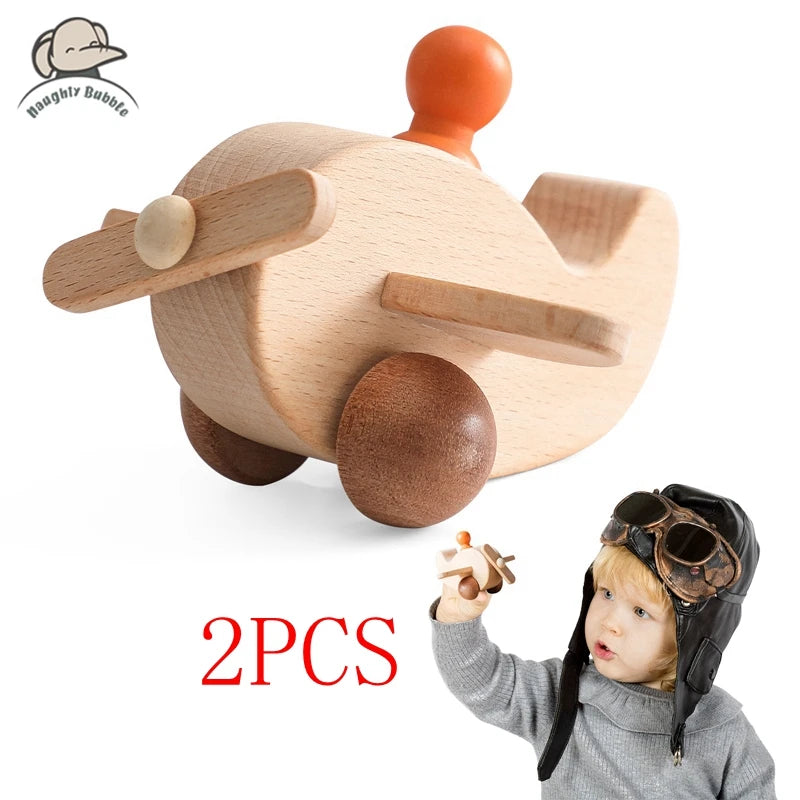
fine motor skill development toys that support hand strength, precision, and focus. See it in action.
Why Good Design Creates Real Progress Faster
Children learn best when every movement has a clear purpose. Effective fine motor skill development toys encourage repeated actions that strengthen finger muscles, improve dexterity, and refine hand-eye coordination while keeping play enjoyable enough that children want to return to the activity again and again.
Look for toy designs that include:
- Easy first success: simple tasks that build confidence before introducing greater challenges.
- Gradual progression: opportunities to increase complexity as skills improve.
- Purposeful hand movements: pinching, grasping, twisting, sliding, stacking, threading, or placing objects with control.
- Meaningful feedback: movements produce visible results such as completing a pattern, balancing a structure, or connecting pieces correctly.
- Safe, durable construction: smooth edges, appropriately sized components, and materials that withstand repeated practice.
When these features work together, children are more likely to practice consistently, leading to observable improvements in finger control, grip strength, coordination, and confidence over time.
Signs Toys Are Not Improving Fine Motor Skills
Not every toy marketed for young children provides meaningful fine motor practice. Some fine motor skill development toys offer plenty of entertainment but few opportunities to strengthen finger control, hand-eye coordination, or dexterity. Before replacing a toy, consider whether the activity simply needs to be adjusted or whether the toy no longer matches your child's developmental stage.
- Too many lights and sounds, not enough manipulation: Passive entertainment replaces opportunities to grasp, pinch, twist, or place objects.
- Only one repetitive action: Pressing a single button repeatedly offers limited practice compared with activities that require multiple hand movements.
- Tasks are consistently too difficult: Frequent frustration, giving up quickly, or needing constant adult help suggests the challenge may exceed the child's current abilities.
- Tasks are mastered immediately: If every activity becomes effortless after one or two attempts, there is little opportunity to build new skills.
- Pieces are poorly sized for small hands: Components that are difficult to grasp or manipulate can reduce successful practice.
- Limited movement variety: Toys that never involve grasping, threading, stacking, sorting, turning, or placing objects exercise only a narrow range of fine motor skills.
If you notice these signs, try simplifying the activity, demonstrating a new way to play, or introducing slightly more challenging tasks before deciding the toy is ineffective. Many examples of toys not improving fine motor skills become more useful when the level of challenge better matches a child's current abilities.
Best Toys for Fine Motor Skill Development: What to Look For
The best toys for fine motor skill development encourage children to repeat purposeful hand movements while gradually increasing the level of challenge. Whether you're choosing fine motor toys for toddlers , preschool fine motor toys , or Montessori fine motor toys , prioritize activities that promote active problem-solving instead of passive play.
1. Multi-Step Play
Look for toys that require children to complete several connected actions, such as picking up pieces, fitting them together, threading them, stacking them, or rebuilding structures. Multi-step activities strengthen planning skills while providing repeated practice with grasping, placing, and controlled hand movements.
2. Two-Hand Use
The most effective toys encourage bilateral coordination, where one hand stabilizes an object while the other manipulates it. These movements support practical everyday skills such as fastening clothing, using utensils, opening containers, and early handwriting tasks.
3. Precision Grip Practice
Choose toys with appropriately sized, safe components that encourage children to pinch, pick up, rotate, or carefully position pieces. Activities involving posting, threading, sorting, or placing objects help strengthen the pincer grasp, finger dexterity, and hand control needed for increasingly precise tasks.
4. Open-Ended Possibilities
Open-ended toys stay engaging because children can invent new challenges as their abilities improve. Building sets, stacking materials, and manipulatives that can be arranged in multiple ways encourage repeated practice without feeling repetitive, making them valuable for long-term skill development.
When comparing toys, focus less on flashy features and more on whether they encourage purposeful resistance, grasping, pinching, threading, placing, and problem-solving through repeated play. These qualities typically provide greater developmental value than toys that rely primarily on sounds or automatic effects.
Browse more playful learning options in Baby Growth & Learning and touch-based ideas in Sensory Toys .
How This Wooden Train Toy Helps Build Skills Naturally
Building toys can support multiple areas of fine motor development when they encourage children to manipulate pieces in different ways instead of repeating a single action. A wooden train set is one example of a fine motor skill development toy because it combines construction, movement, and imaginative play while providing repeated opportunities to practice precise hand movements.
The wooden train toy for kids is a good example of this approach. Rather than serving as the focus of learning on its own, it offers a variety of hands-on activities that help children strengthen important motor skills during everyday play.
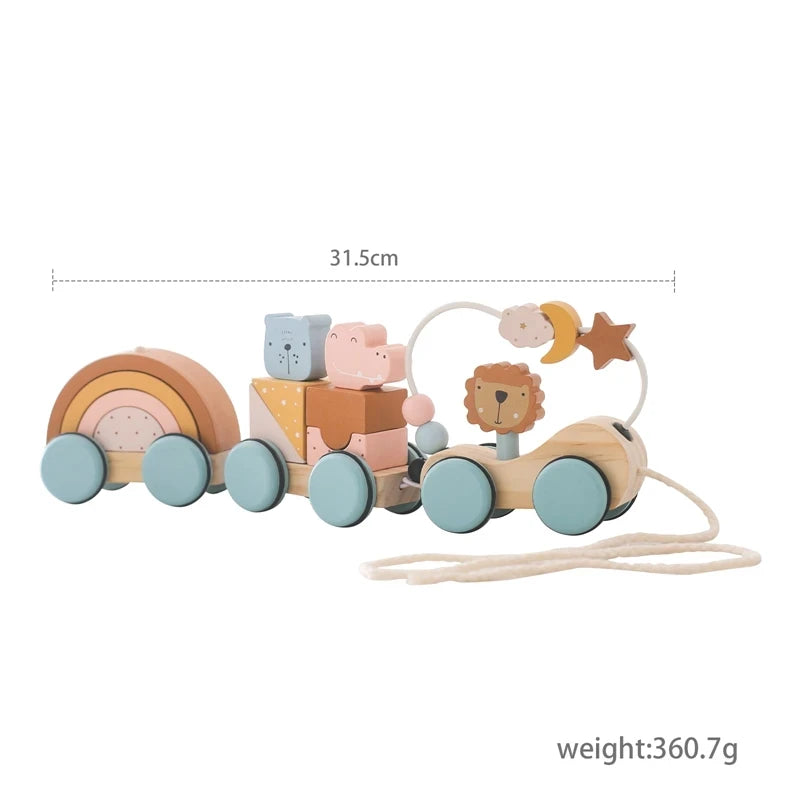
Best toys for fine motor skill development combine purposeful hand movements with imaginative play. See it in action.
Children can practice several important skills while playing with this type of toy:
- Grasping and placing: Picking up train cars and arranging them strengthens finger control and hand stability.
- Connecting pieces: Joining cars or assembling track sections encourages precision, bilateral coordination, and problem-solving.
- Controlled pushing and pulling: Guiding the train along a track develops hand-eye coordination and movement control.
- Building layouts: Rearranging tracks or creating new routes promotes planning, spatial awareness, and flexible thinking.
- Pretend play: Storytelling naturally extends play sessions, giving children more opportunities to repeat beneficial hand movements.
Like many fine motor skill toys, a wooden train set works best when its level of difficulty matches the child's current abilities. Younger toddlers may simply practice grasping, stacking, and pushing, while older preschoolers can create more complex layouts, solve building challenges, and combine construction with imaginative play. As skills improve, introducing new building ideas or small challenges helps maintain engagement without creating unnecessary frustration.
How to Keep Toddlers Engaged Longer Without Screens
Longer periods of focused play give children more opportunities to strengthen fine motor skills through repetition. Instead of expecting extended attention immediately, use short, enjoyable activities that gradually increase in complexity as confidence grows.
- Rotate toys every few days or weekly so familiar activities feel new without overwhelming your child.
- Offer only two or three choices at a time to encourage deeper engagement rather than constant switching.
- Introduce one simple challenge , such as stacking one more block or connecting an extra piece, before allowing independent exploration.
- Combine toy play with toddler fine motor activities like sorting objects by color, transferring items between containers, or matching shapes.
- Increase difficulty gradually by adding extra pieces, more precise placement tasks, or simple building goals as skills improve.
- Praise persistence and problem-solving instead of perfect results to build confidence and encourage continued practice.
- Stay nearby at first, then step back as your child becomes more comfortable playing independently.
These simple routines are practical ways to improve toddler fine motor skills while also helping children develop concentration, independence, and longer attention spans through meaningful, hands-on play.
Need calm routine support too? Explore Sleep & Comfort and daily essentials in Baby Care Essentials .
Quick Comparison: Which Toy Design Works Better?
| Toy Type | Primary Skill Focus | Best For | Repeat Play Potential |
|---|---|---|---|
| Light-up single button toy | Limited finger movement | Brief entertainment | Low |
| Basic stacking toy | Grasping and hand control | Beginning fine motor practice | Medium |
| Wooden train/building toy | Bilateral coordination, precision, planning | Toddlers and preschoolers ready for multi-step play | High |
| Puzzle with movable parts | Hand-eye coordination and finger precision | Children developing problem-solving skills | High |
What Real Progress Often Looks Like
Children usually develop fine motor skills gradually through consistent, enjoyable practice rather than dramatic overnight improvements. Instead of looking for broad developmental claims, watch for small, observable changes in how your child completes everyday tasks. These milestones provide a more reliable way to judge whether fine motor skill development toys are supporting meaningful progress.
- More accurate grasping: Picking up smaller objects with greater control and fewer dropped items.
- Improved utensil use: Holding spoons and forks more steadily during meals.
- Better crayon and marker control: Making more intentional lines, circles, and simple shapes.
- Stronger bilateral coordination: One hand stabilizes an object while the other completes a task.
- Greater precision during play: Stacking blocks higher, placing puzzle pieces more accurately, or connecting building pieces with less assistance.
- Longer periods of focused independent play: Staying engaged with hands-on activities before switching to something new.
- Growing confidence: Attempting slightly more challenging activities without becoming discouraged.
If a task becomes consistently easy, introduce a slightly greater challenge instead of replacing the toy immediately. For example, encourage taller block towers, more detailed building layouts, smaller sorting objects that remain age appropriate, or multi-step play sequences. Gradually increasing difficulty is one of the most effective ways to improve toddler fine motor skills while maintaining motivation and continued progress.
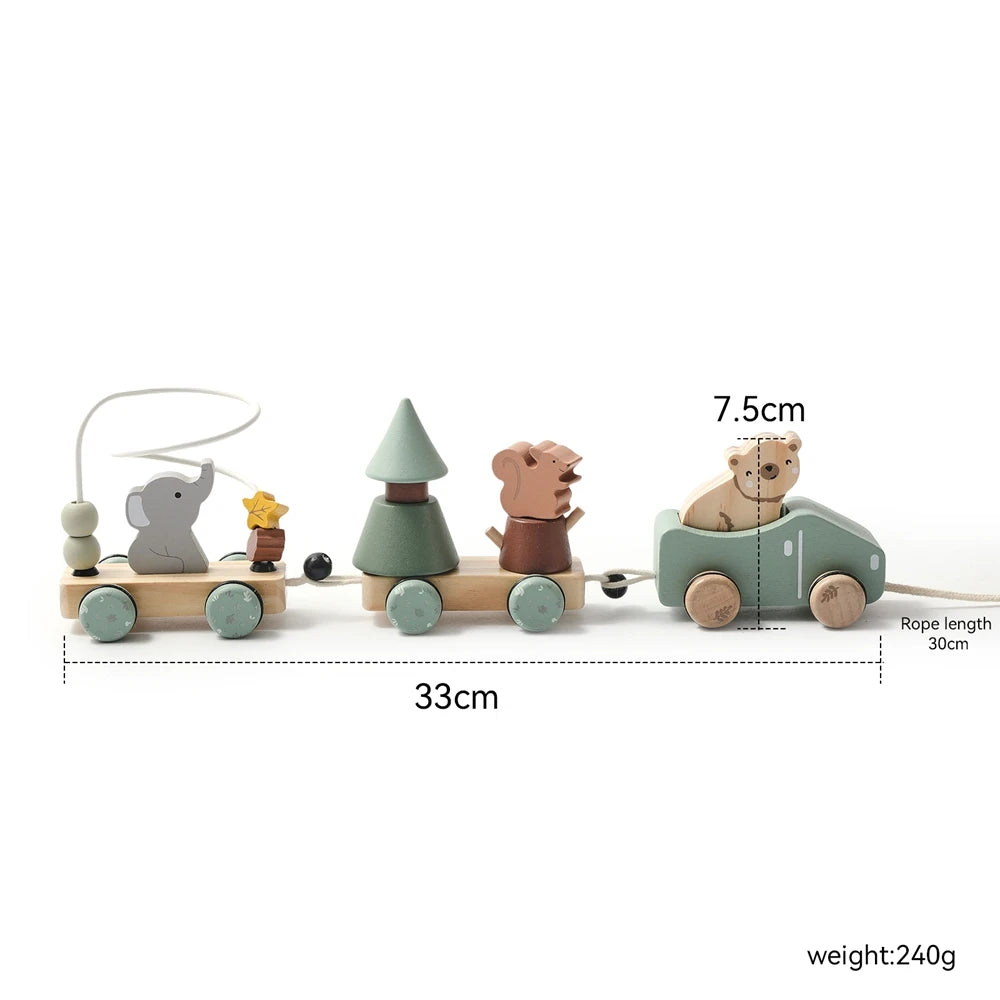
Hands-on play helps children build stronger grasp control, coordination, and confidence through consistent practice. See it in action.
Mini FAQ
What age should children start using fine motor skill development toys?
Many children can begin using simple fine motor skill development toys around 12 months of age, including large stacking blocks, posting toys, and easy shape sorters. As hand control and coordination improve, introduce more challenging building, threading, and puzzle activities that match your child's developmental readiness rather than age alone.
Which toys are best for developing a pincer grasp?
Toys that encourage children to pick up, pinch, and carefully place small, age-appropriate pieces are excellent for developing a pincer grasp. Peg boards, posting toys, threading activities, simple puzzles, and many Montessori fine motor toys provide repeated opportunities to strengthen thumb-and-finger coordination.
How long should toddlers play with fine motor toys?
Short, focused sessions of about 10–20 minutes each day are often more effective than occasional long play periods. Consistent practice through enjoyable activities helps children steadily improve dexterity, control, and confidence without becoming overwhelmed.
Are wooden fine motor toys better than plastic toys?
Material alone does not determine developmental value. Both wooden and plastic toys can support learning when they encourage purposeful grasping, sorting, stacking, building, or problem-solving. Many parents prefer wooden toys because they are durable and distraction-free, while high-quality plastic toys may offer additional movement or manipulation opportunities.
How do I know if a fine motor toy is helping?
Look for gradual improvements in everyday tasks, such as more accurate grasping, better crayon control, easier self-feeding, stronger two-hand coordination, longer periods of focused play, and increased willingness to attempt new challenges. These observable changes are better indicators of progress than simply how often a child plays with a toy.
If you're looking for a versatile example that combines building, imaginative play, and repeated hands-on practice, the wooden train toy for kids can provide opportunities to strengthen several fine motor skills as children grow.
Pillar Article: toys for fine motor skill development: Key Features That Boost Coordination Fast
Other Related Articles:
Explore More:





