

Toys for Developing Coordination Skills: Parent Picks
Do toys for fine motor skill development really work?
Yes. Toys for fine motor skill development help children strengthen the small muscles in their hands and fingers through purposeful, repetitive play. Activities such as stacking, threading, connecting, sorting, and building encourage grasping, pinching, rotating, and controlled wrist movements that support everyday skills like writing, dressing, feeding, and using scissors.
Research in early childhood development shows that hands-on play strengthens the connection between movement, sensory feedback, and brain development. Well-designed fine motor skill development toys also improve hand-eye coordination, bilateral coordination, and problem-solving while keeping children actively engaged instead of passively entertained.
toys for fine motor skill development: Key Features That Boost Coordination Fast
Finding toys that genuinely improve coordination can feel overwhelming. Many products promise educational value but offer little opportunity for children to practice meaningful hand movements. The best toys for fine motor skill development combine engaging play with progressive challenges, helping children build strength, precision, confidence, and independence through everyday activities that feel fun rather than like practice.
⏱ 5 min read
Discover the safest toys for your baby and unlock real skill-building play.
Which toys actually strengthen little hands and improve coordination? This guide explains the features that matter most, why they work, and how to choose toys that support lasting developmental progress.
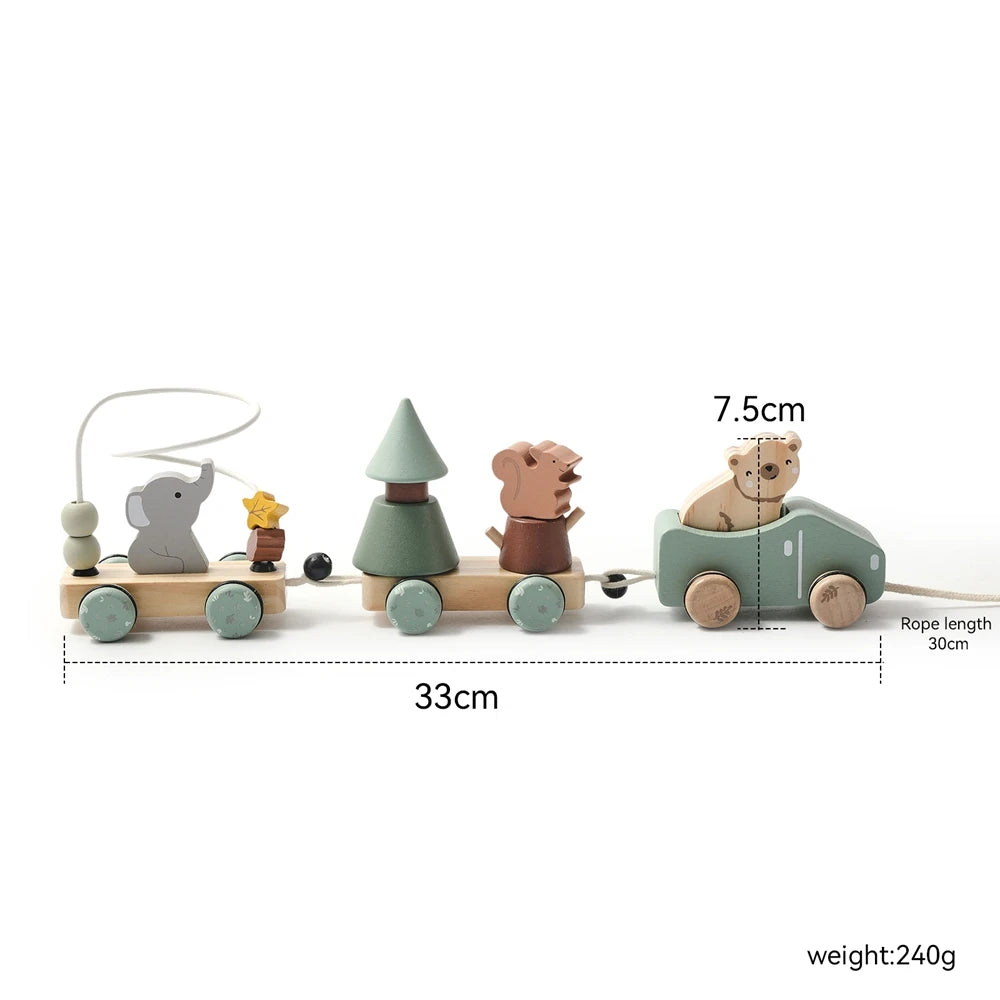
toys for fine motor skill development that improve coordination fast – See it in action
Why Fine Motor Skills Shape Everyday Independence
Fine motor skills are the precise movements made by the small muscles of the hands, fingers, and wrists. Children rely on these skills every day to button clothing, hold crayons and pencils, turn pages, zip jackets, build with blocks, feed themselves, and complete countless classroom and self-care activities.
As children grow, fine motor control develops alongside visual processing, balance, and hand-eye coordination. Purposeful play gives them repeated opportunities to refine these movements, making everyday tasks easier and boosting confidence as they master new challenges.
When fine motor skills are delayed or underdeveloped, children may tire quickly during writing, struggle with fasteners, avoid puzzles or crafts, or become frustrated by activities requiring precision. Choosing toys that encourage grasping, pinching, twisting, stacking, and connecting helps build these abilities naturally while keeping learning enjoyable.
Rather than relying on passive entertainment, the best toys encourage active exploration, repeated practice, and gradual skill progression. Over time, these experiences transfer into improved independence at home, greater school readiness, and stronger confidence in everyday tasks.
Explore more learning tools in Baby Growth & Learning .
Key Features That Boost Coordination Fast
1. Multi-Grip Design Encourages Hand Strength
The best fine motor development toys encourage children to use a variety of hand movements instead of repeating a single motion. Pinching, grasping, twisting, pulling, and rotating strengthen different muscle groups while improving finger dexterity and wrist stability.
- Chunky wooden pieces build grip strength and hand stability.
- Smaller connectors encourage fingertip precision and pincer grasp development.
- Textured or rounded surfaces provide comfortable sensory feedback for confident handling.
- Different shapes and sizes challenge children to adjust their grip naturally.
2. Cause-and-Effect Mechanics Build Control
Children learn best when their actions produce immediate, visible results. Connecting tracks, stacking blocks, fitting puzzle pieces, or moving components into place teaches them that precise movements lead to successful outcomes. This repeated feedback strengthens motor planning, concentration, and hand-eye coordination while making practice enjoyable.
3. Repetition Without Boredom
The most effective toys that help with fine motor skills encourage children to repeat essential movements through open-ended play. Instead of completing the same task once, children can build, redesign, sort, and create new challenges, reinforcing motor patterns without losing interest.
4. Structured Play Paths
Structured toys gradually increase complexity as children gain confidence. Starting with simple matching or stacking before progressing to building systems and imaginative play allows coordination skills to develop at an appropriate pace while encouraging greater independence.
5. Progressive Skill Challenges
High-quality toys continue to support development as children grow. Features that introduce new building patterns, more precise connections, or increasingly complex designs provide ongoing opportunities to improve coordination, problem-solving, and fine motor control without requiring an entirely new toy collection.
Find similar engaging options in Sensory Toys .
Why Some Toys Don’t Improve Fine Motor Skills
Not every toy supports meaningful development. Some products are entertaining but offer little opportunity for children to practice the controlled hand movements needed to improve coordination. Choosing toys that match a child's developmental stage is just as important as choosing educational toys in general.
- ❌ Passive play dominated by lights, sounds, or automatic movement instead of hands-on interaction.
- ❌ Oversized pieces that require little finger control or precision.
- ❌ Limited replay value that reduces opportunities for repeated skill practice.
- ❌ No progression in difficulty, so children quickly outgrow the learning experience.
- ❌ Activities that don't match the child's age or current developmental abilities.
Toys not improving fine motor skills often prioritize entertainment over active engagement. In contrast, the most effective developmental toys challenge children to manipulate, connect, sort, and build with increasing accuracy, helping coordination improve naturally through regular play.
Learn step-by-step how to choose the right toy for faster skill development.
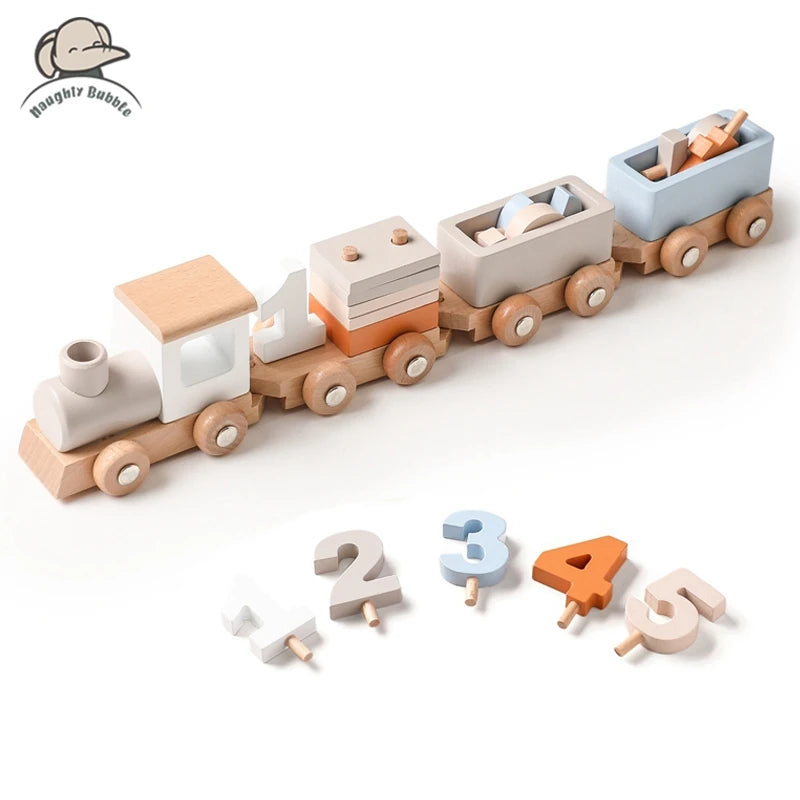
best toys for fine motor skill development with real learning benefits – See it in action
Real Benefits Parents Notice Quickly
When children consistently use toys for developing coordination skills, improvements often extend beyond playtime. Repetitive, hands-on activities strengthen hand muscles while helping children perform everyday tasks with greater confidence, accuracy, and independence.
- ✅ Stronger grip for holding crayons, pencils, paintbrushes, and eating utensils.
- ✅ Better hand-eye coordination during building, drawing, puzzles, and everyday play.
- ✅ Greater finger control for dressing tasks such as fastening buttons and pulling zippers.
- ✅ Longer attention spans through engaging, goal-oriented activities.
- ✅ Improved problem-solving and planning during imaginative construction play.
- ✅ Increased confidence as children master progressively more challenging tasks.
- ✅ Better school readiness through improved pre-writing and classroom skills.
- ✅ More independence during daily routines that require precise hand movements.
Consistent practice is more important than lengthy play sessions. Even 15 to 30 minutes of purposeful play each day can help reinforce coordination, dexterity, and fine motor control while keeping learning enjoyable.
The wooden train toy for kids is an excellent example of a toy that combines creative storytelling with repeated opportunities to connect tracks, align pieces, move train cars, and solve simple building challenges. These varied actions strengthen grip, improve wrist stability, encourage bilateral coordination, and keep children engaged through open-ended play.
Parent experience: “After just a couple of weeks of regular play, our toddler became noticeably more confident holding spoons, stacking blocks, and completing simple puzzles. Everyday tasks became less frustrating because hand movements were more controlled.”
Support daily routines with tools from Feeding Tools .
Comparison: Effective vs Ineffective Toys
| Feature | Effective Toys | Ineffective Toys |
|---|---|---|
| Engagement | Interactive, open-ended play that encourages exploration | Passive entertainment with limited participation |
| Skill Building | Develops precision, grip strength, and hand-eye coordination | Requires minimal hand movement or control |
| Progression | Offers increasing levels of challenge as skills improve | Provides the same experience every time |
| Replay Value | High through creative building and problem-solving | Low once the novelty wears off |
| Independence | Encourages self-directed learning and confidence | Often depends on passive observation |
| Learning Outcome | Steady improvement in coordination and daily life skills | Little long-term developmental benefit |
Ways to Improve Toddler Fine Motor Skills at Home
Developing strong hand control does not require lengthy lessons. Small, consistent opportunities for purposeful play are one of the most effective ways to improve toddler fine motor skills while keeping learning enjoyable.
- Schedule daily hands-on play. Aim for 15 to 30 minutes of activities that involve grasping, stacking, connecting, threading, or sorting.
- Rotate toys regularly. Introducing different challenges every few days keeps children engaged while encouraging new movement patterns.
- Include everyday household activities. Let children stack cups, sort socks, transfer objects with tongs, or help prepare simple snacks to practice fine motor control.
- Demonstrate new movements. Model how to connect pieces, build structures, or complete simple tasks before encouraging independent attempts.
- Increase difficulty gradually. Start with larger pieces and progress to smaller components as coordination improves.
- Encourage imaginative play. Storytelling and pretend play naturally extend play sessions, giving children more opportunities to practice important movements.
- Celebrate progress instead of perfection. Positive encouragement builds confidence and motivates children to keep practicing challenging skills.
Regular practice combined with age-appropriate toys helps strengthen finger muscles, improve hand-eye coordination, and prepare children for everyday tasks such as drawing, dressing, writing, and using utensils independently.
Enhance your setup with Mobility & Training .
Buying Guide: Choosing Safe Toys with Learning Benefits
When selecting safe toys for toddlers with learning benefits, consider both developmental value and safety. The best toys encourage purposeful movement while meeting high standards for durability, material quality, and age-appropriate design.
Safety Checklist
- Choose non-toxic, child-safe materials with durable finishes.
- Look for smooth edges and splinter-free surfaces.
- Select sturdy construction that can withstand repeated play.
- Avoid small detachable parts for children below the recommended age.
- Pick toys that are easy to wipe clean and maintain.
Materials
Wood, high-quality BPA-free plastics, and food-grade silicone are all excellent choices when manufactured to recognized safety standards. Wooden toys are especially popular because they provide natural tactile feedback and often encourage slower, more intentional play.
Age Appropriateness
Always follow the manufacturer's recommended age range. Toys should offer enough challenge to develop coordination without becoming frustrating or creating unnecessary safety risks.
Matching Toys to Coordination Goals
- Grip strength: Stacking blocks, building sets, and chunky puzzles.
- Pincer grasp: Threading beads, peg boards, and sorting activities.
- Hand-eye coordination: Construction toys, train systems, and shape matching.
- Bilateral coordination: Toys requiring both hands to build, connect, or assemble.
Browse trusted essentials in Health & Safety .
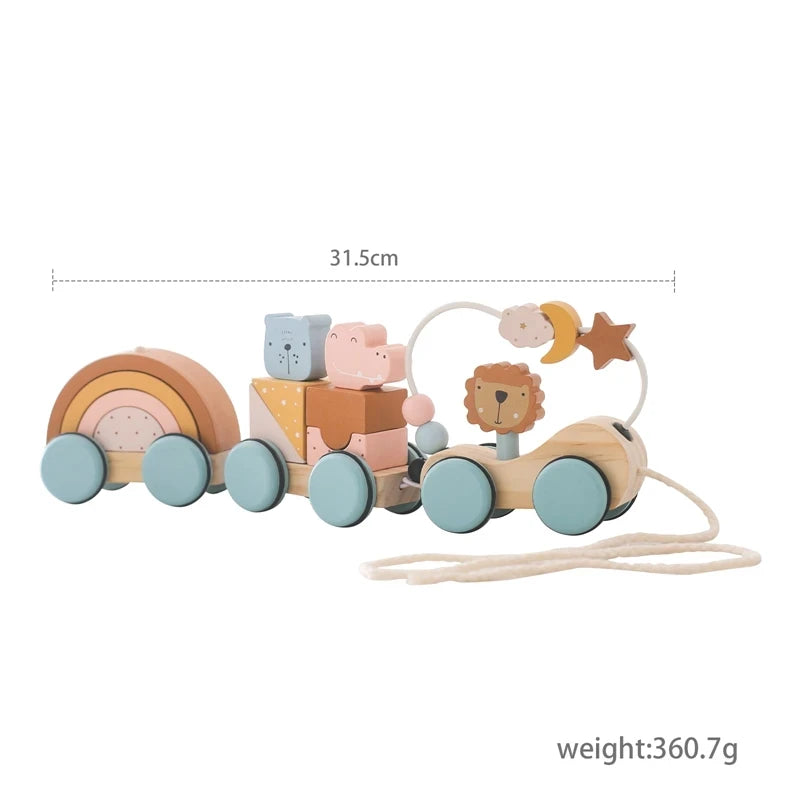
safe toys for toddlers with learning benefits that build coordination – See it in action
Get yours now and support your child's coordination, creativity, and confidence through everyday play.
FAQs
What are the best toys for developing coordination skills?
The best toys for developing coordination skills include stacking blocks, threading sets, wooden train systems, construction toys, peg boards, and shape sorters. These activities encourage precise hand movements, problem-solving, and repeated practice that strengthens fine motor control.
Which developmental toys are recommended for improving fine motor skills in infants?
For infants, choose lightweight rattles, textured grasping toys, soft stacking cups, sensory balls, and large stacking rings. These toys encourage reaching, grasping, transferring objects between hands, and early hand-eye coordination while remaining safe for their developmental stage.
How do I choose toys for fine motor skill development?
Select toys that match your child's age, provide progressive challenges, encourage active manipulation rather than passive observation, and allow repeated open-ended play. Durable, well-designed toys typically offer better long-term developmental value than novelty toys.
Can one toy improve multiple coordination skills?
Yes. Open-ended toys such as building systems and wooden train sets can improve fine motor control, hand-eye coordination, bilateral coordination, spatial awareness, creativity, and problem-solving during the same play session.
How often should toddlers practice coordination activities?
Daily practice of around 15 to 30 minutes is generally enough to reinforce coordination skills. Short, consistent sessions are more effective than occasional extended play periods.
What safety features should coordination toys have?
Look for non-toxic materials, rounded edges, durable construction, age-appropriate sizing, secure components, and surfaces that are easy to clean. Always supervise young children according to the manufacturer's recommendations.
Related Articles:
- fine motor skill development toys: Why Design Matters for Real Progress
- wooden toys for 3 year olds: Natural Materials That Boost Learning Power
Pillar Articles:





