

Fine Motor Skill Problems: Which Activities Help Most
Which activities help most with fine motor skill problems?
Fine motor skill problems improve fastest with hands-on, repetitive activities that build finger strength and coordination. Playdough shaping, cutting with child-safe scissors, threading beads, and drawing exercises are among the most effective methods. These activities support fine motor skill delays preschoolers while making learning fun, engaging, and confidence-boosting.
Fine Motor Skill Problems: Which Activities Help Most
Fine motor skill problems can quietly affect confidence, learning, and independence in young children—but the right activities can change everything. From targeted solutions for fine motor skill delays preschoolers to hands-on ways to improve fine motor skills crafts, this guide uncovers simple yet powerful techniques. If your children lack creative play ideas, you’ll discover engaging, low-effort activities that build strength, coordination, and focus—so which ones deliver the fastest results?
⏱ 6 min read
Struggling with messy handwriting, difficulty holding crayons, or trouble with buttons and zippers? You're not alone. Many parents notice these early signs and wonder what actually works.
Which activities truly make a difference—and how can you start today? Let’s break it down.
fine motor skill problems activities for preschoolers 💡 See it in action
What Are Fine Motor Skill Problems?
Fine motor skill problems refer to difficulties using small muscles in the hands and fingers. These skills are essential for everyday tasks like writing, eating, dressing, and playing.
Common signs include:
- Weak grip when holding pencils or utensils
- Difficulty cutting, drawing, or coloring
- Avoiding tasks that require hand coordination
- Slow or messy handwriting
For fine motor skill delays preschoolers, early support can significantly improve long-term development.
Why These Skills Matter for Daily Life
Fine motor skills aren’t just about school readiness—they impact independence and confidence.
- Self-care: Buttoning clothes, brushing teeth
- Learning: Writing, drawing, using scissors
- Play: Building, crafting, exploring textures
- Confidence: Completing tasks without frustration
Without support, children may feel discouraged or fall behind socially and academically.
Explore helpful tools in Baby Growth & Learning to support your child’s progress.
Best Activities That Deliver Fast Results
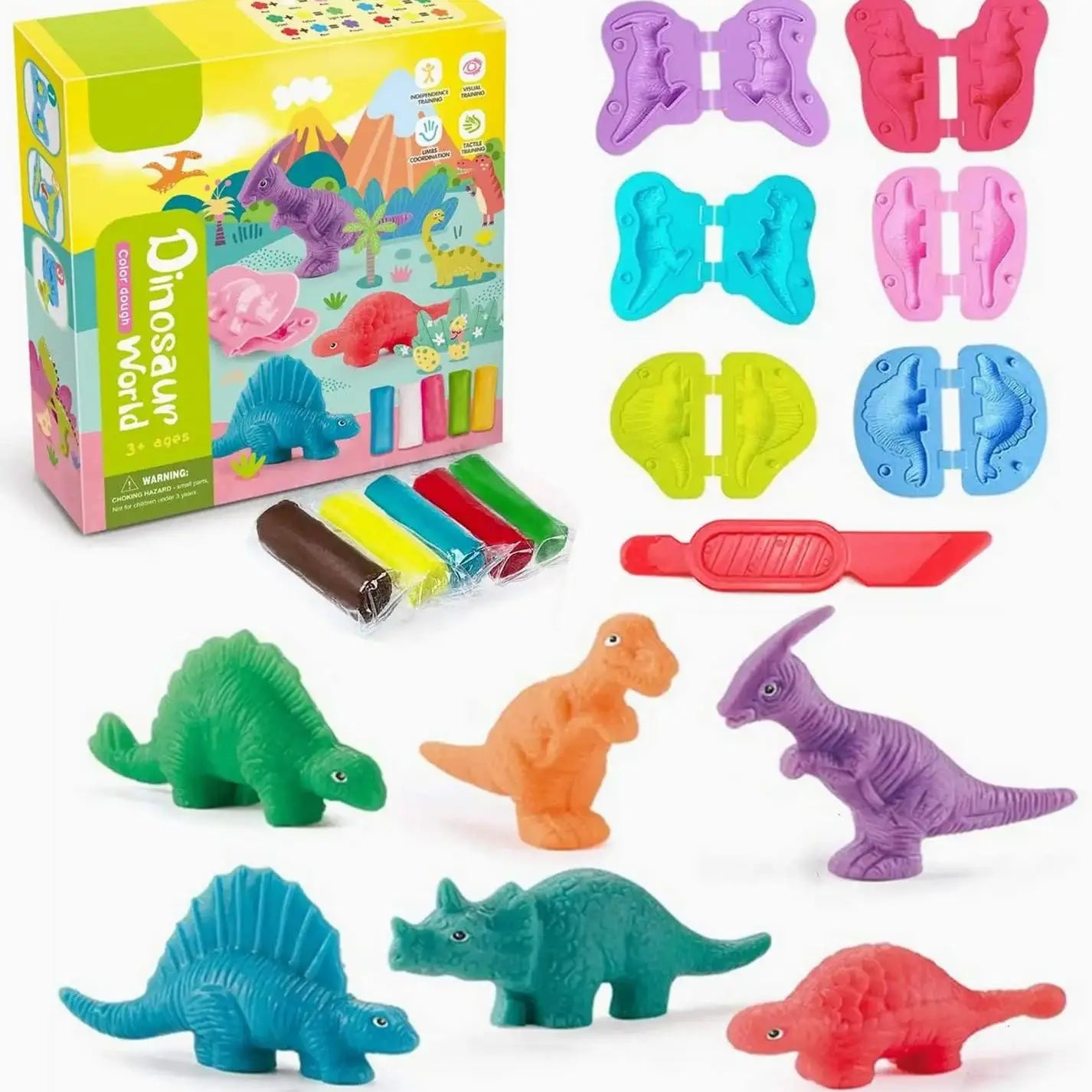
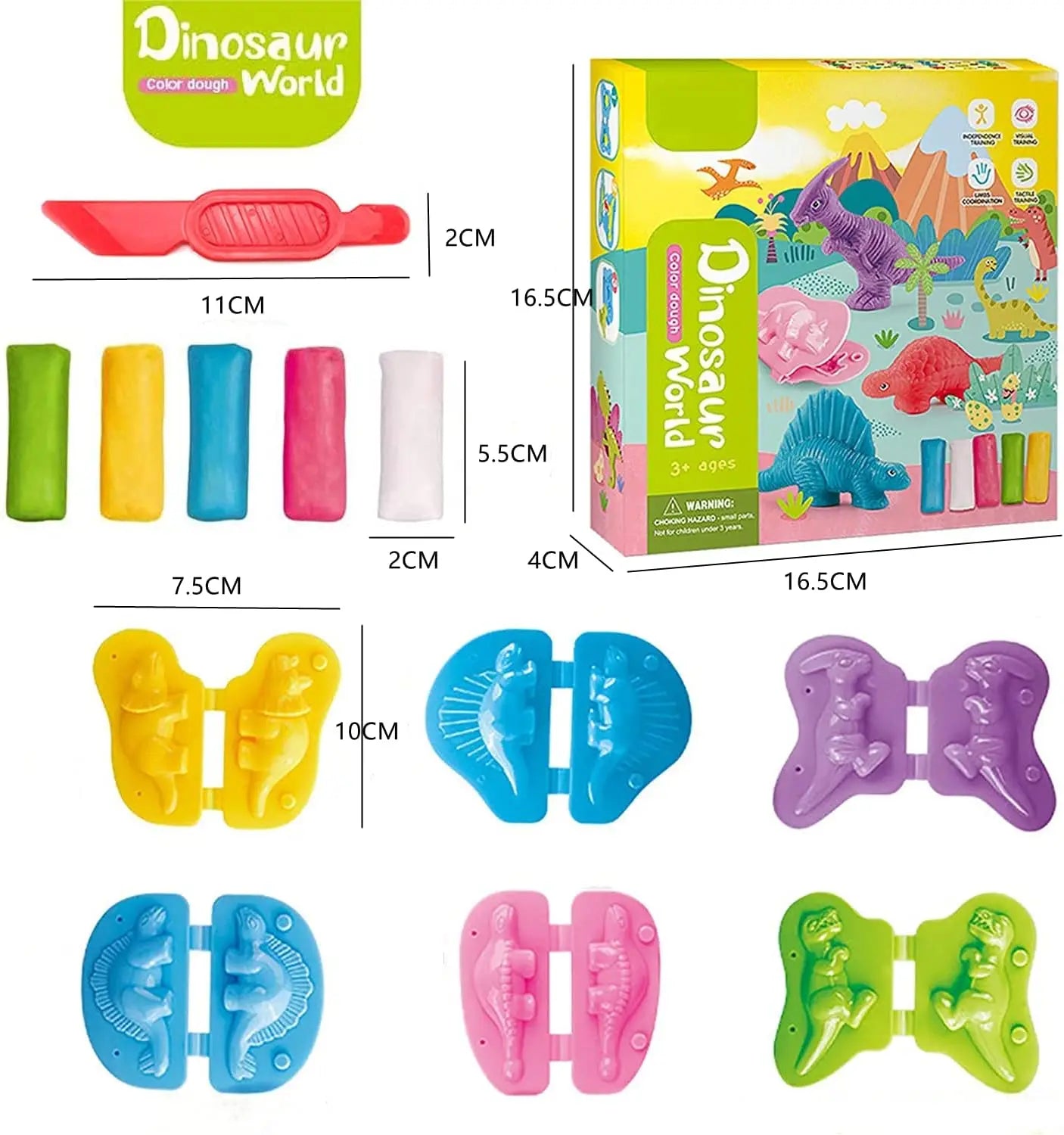
1. Playdough Strength Training (Top Performer)
Soft, moldable textures strengthen fingers while encouraging creativity.
- Squeezing builds grip strength
- Rolling improves coordination
- Shaping enhances control
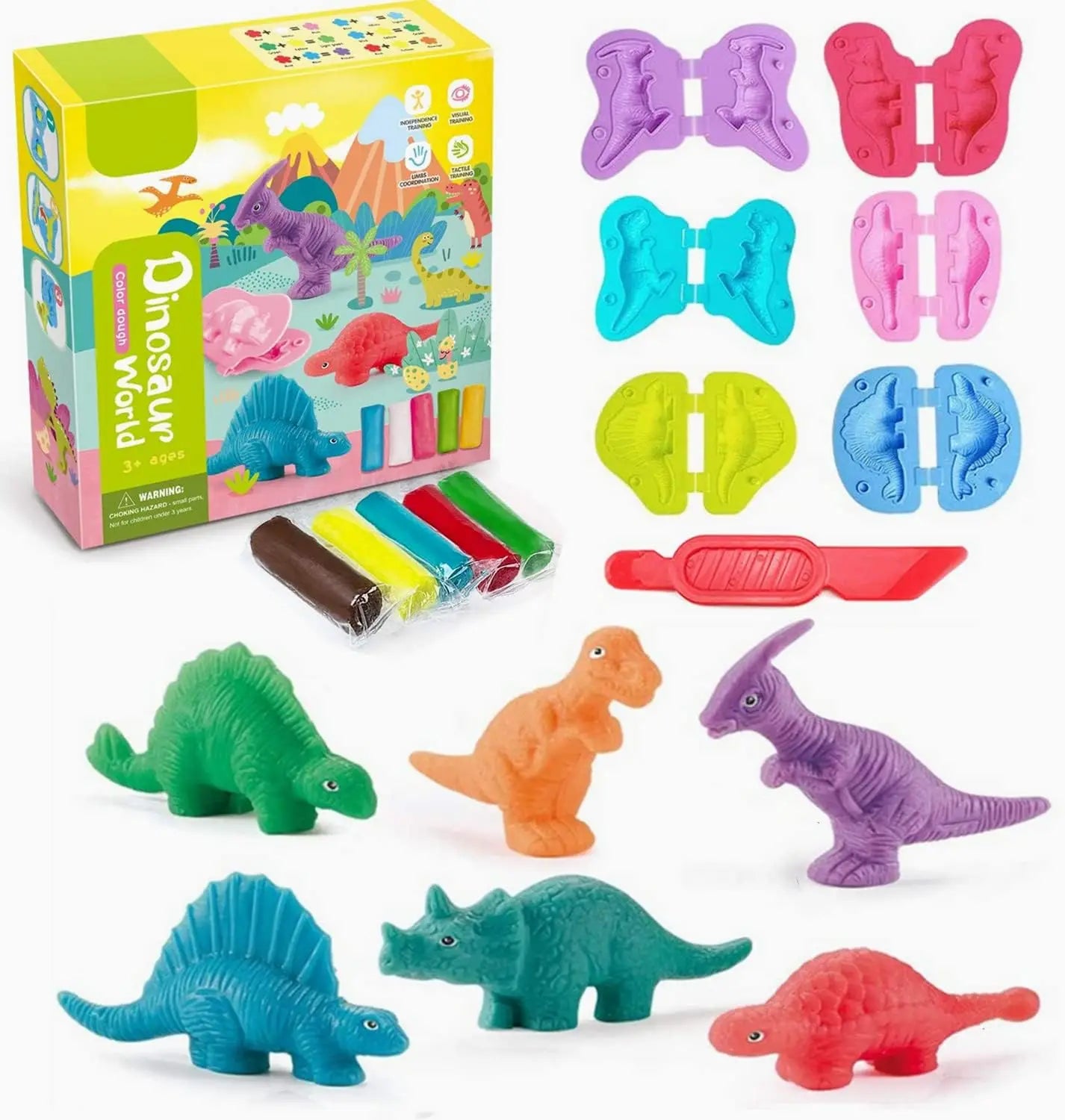
👉 Try this engaging set: dinosaur playdough set
2. Cutting with Child-Safe Scissors
Cutting paper develops hand control and bilateral coordination.
- Start with straight lines
- Progress to shapes
- Use thicker paper for easier grip
3. Bead Threading & Lacing
Perfect for improving precision and focus.
- Enhances hand-eye coordination
- Builds patience
- Encourages pattern recognition
4. Drawing & Coloring Exercises
Simple but powerful for control and creativity.
- Use crayons for better grip
- Encourage tracing shapes
- Gradually introduce detailed coloring
5. Everyday Life Tasks
Real-world practice is incredibly effective:
- Pouring water
- Using spoons and forks
- Opening containers
improve fine motor skills crafts for children 💡 See it in action
How Play-Based Tools Make Learning Easier
Children learn best through play—not pressure.
Tools like sensory toys and creative kits make repetitive practice enjoyable, not frustrating.
| Activity | Skill Developed | Engagement Level |
|---|---|---|
| Playdough shaping | Grip strength | High |
| Drawing | Control & precision | Medium |
| Beading | Coordination | High |
| Cutting | Hand control | Medium |
Browse fun tools in Sensory Toys to keep your child engaged longer.
Step-by-Step Daily Routine for Progress
- Start with warm-up play (5–10 minutes): Use playdough or squeezing toys
- Introduce one focused activity: Drawing, cutting, or threading
- Incorporate real-life practice: Let your child help with small tasks
- End with free creative play: Encourage imagination without rules
This structure helps build consistency without overwhelming your child.
Common Mistakes Parents Should Avoid
- ❌ Forcing long practice sessions
- ❌ Expecting quick perfection
- ❌ Using tools that are too advanced
- ❌ Ignoring signs of frustration
- ✅ Keep sessions short and fun
- ✅ Celebrate small wins
- ✅ Choose age-appropriate tools
- ✅ Encourage, don’t pressure
Support safe and comfortable learning environments with Health & Safety essentials.
Real Parent Experiences
“My 4-year-old refused to hold a pencil. After two weeks of playdough activities, she started drawing on her own.”
“We struggled with buttons and zippers. Simple daily practice made a huge difference in just a month.”
Many parents report noticeable improvement within 2–4 weeks when using consistent, play-based methods.
fine motor skill delays preschoolers solutions 💡 See it in action
FAQs
What causes fine motor skill problems in children?
Fine motor skill problems can result from limited practice, developmental delays, or low muscle strength in the hands. Early exposure to hands-on activities can significantly improve these skills.
How long does it take to see improvement?
With consistent daily practice, many children show noticeable improvement within 2–4 weeks, especially when activities are engaging and age-appropriate.
What are the best tools for children who lack creative play ideas?
Interactive tools like playdough sets, sensory toys, and simple craft kits are highly effective. They combine fun and skill-building, making children more likely to stay engaged and practice longer.
Pillar Article: Sensory Activities for Autism: Best Uses for Real Progress
Other Related Articles:
Explore More:





