

Sensory Toys for 5 Year Olds: Best for Focus and Calm
Do sensory toys for 5 year olds help focus and calm?
Sensory toys for 5 year olds help improve focus and calm by engaging touch, movement, and visual feedback. These toys reduce overstimulation, support emotional regulation, and keep kids engaged longer—especially when designed with varied textures and interactive elements that match a child’s developmental needs.
Sensory Toys for 5 Year Olds: Best for Focus and Calm
Sensory toys for 5 year olds can transform focus and calm in minutes—but only if you choose the right ones. In this top sensory toys for preschoolers review, we uncover why kids lose interest in toys quickly and how the right textures, movement, and feedback loops keep them engaged longer. This parents guide sensory toys age three and up reveals surprising ways to reduce meltdowns and boost attention… but which ones actually work best?
⏱ 7 min read
Does your child bounce between toys, lose focus quickly, or struggle to stay calm during quiet time? You’re not alone—and the solution may be simpler than you think.
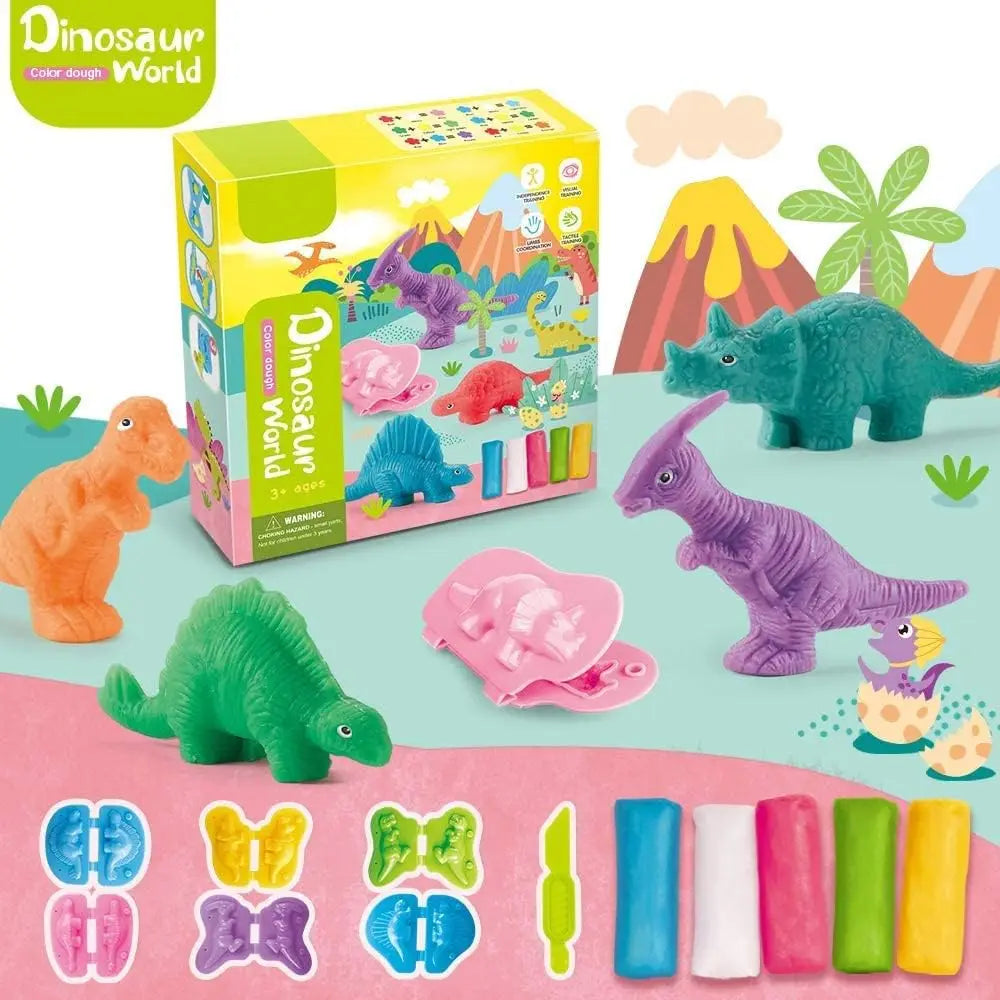
sensory toys for 5 year olds that improve focus and calm 💡 See it in action
Why Kids Lose Interest in Toys Quickly (And How to Fix It)
Many parents notice the same pattern: a new toy gets attention for a few minutes… then it’s abandoned.
- Too predictable (no challenge or variation)
- Lack of sensory stimulation
- Overstimulating (too noisy or chaotic)
- Not aligned with developmental stage
The fix? Toys that provide feedback—something your child can feel, change, or control.
That’s where sensory toys for 5 year olds stand out.
What Makes Sensory Toys for 5 Year Olds Actually Work?
Sensory toys for 5 year olds work best when they combine touch, motion, and creativity. The most effective options keep children engaged by offering changing feedback—like squeezing, shaping, or stretching—helping improve focus while naturally calming the nervous system.
- Texture variety: Smooth, soft, stretchy, or bumpy surfaces
- Interactive feedback: Toys that respond to touch
- Creative freedom: Open-ended play instead of fixed rules
- Repetition without boredom: Each play feels slightly different
Which toy actually keeps your child engaged longer? Keep reading—you might be surprised.
Best Sensory Toys for Focus and Calm
1. Hands-On Creative Play (Best for Deep Focus)
Creative sensory play encourages longer attention spans by allowing kids to explore freely.
- Builds patience and concentration
- Encourages problem-solving
- Reduces screen dependency
One standout option is the dinosaur playdough set, which combines texture, imagination, and hands-on learning in one activity.
2. Fidget-Based Toys (Best for Quick Calm)
Perfect for kids who need constant movement or struggle with stillness.
| Pros | Cons |
|---|---|
| Instant calming effect | May lose novelty faster |
| Portable and simple | Less creative engagement |
3. Movement-Based Sensory Play (Best for Energy Release)
For kids who seem “always on,” movement helps regulate emotions.
- Jumping, squeezing, stretching
- Improves body awareness
- Releases excess energy safely
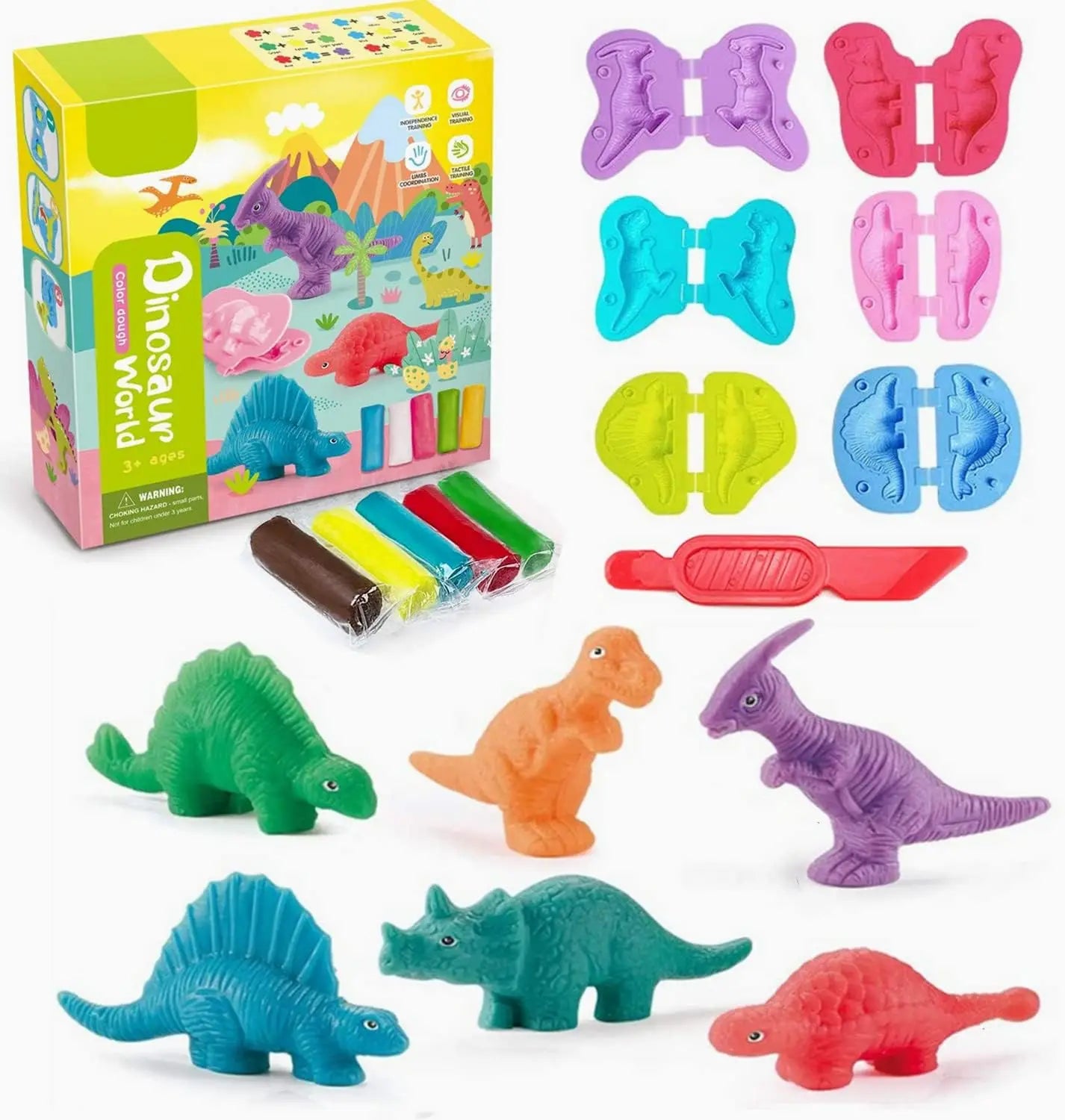
top sensory toys for preschoolers review in real play moments 💡 See it in action
How to Choose the Right Sensory Toy (Step-by-Step)
- Identify your child’s need: Focus, calming, or energy release
- Look for multi-sensory features: Touch + movement + visual
- Choose open-ended toys: Avoid one-function toys
- Test engagement time: Does your child return to it?
For example, if your child struggles with quiet time, a moldable, tactile toy like the dinosaur playdough set can keep them focused for extended periods.
Quick Comparison: Which Toy Fits Your Child?
| Need | Best Toy Type |
|---|---|
| Short attention span | Creative sensory kits |
| High energy | Movement-based toys |
| Anxiety or meltdowns | Soft tactile toys |
Real Parent Experiences: What Actually Works
“My son used to switch toys every 5 minutes.”
After introducing a sensory play kit, he now plays independently for 20–30 minutes.
“Meltdowns during homework were constant.”
Adding calming sensory tools
Pillar Article: Sensory Activities for Autism: Best Uses for Real Progress
Other Related Articles:
Explore More:





