

Sensory Activities for Autism: Best Uses for Real Progress
What are sensory activities for autism and do they really help?
Sensory activities for autism help children process sights, sounds, textures, and movement in a structured way. When done consistently, they improve focus, reduce overwhelm, and build daily skills. Simple hands on sensory learning activities at home can support emotional regulation and engagement in as little as 10–15 minutes a day.
Sensory Activities for Autism: Best Uses for Real Progress
⏱ 8 min read
Sensory activities for autism can transform daily routines when done right—but many parents feel frustrated when sensory play not engaging enough becomes a pattern. If your child loses interest quickly or becomes overwhelmed, you’re not alone. This guide shows how to use preschool sensory development activities at home in a smarter, more personalized way—so every activity leads to real progress, better focus, and calmer days.
Which sensory activities actually work for your child’s needs? Keep reading—you might discover the one small change that makes everything click.
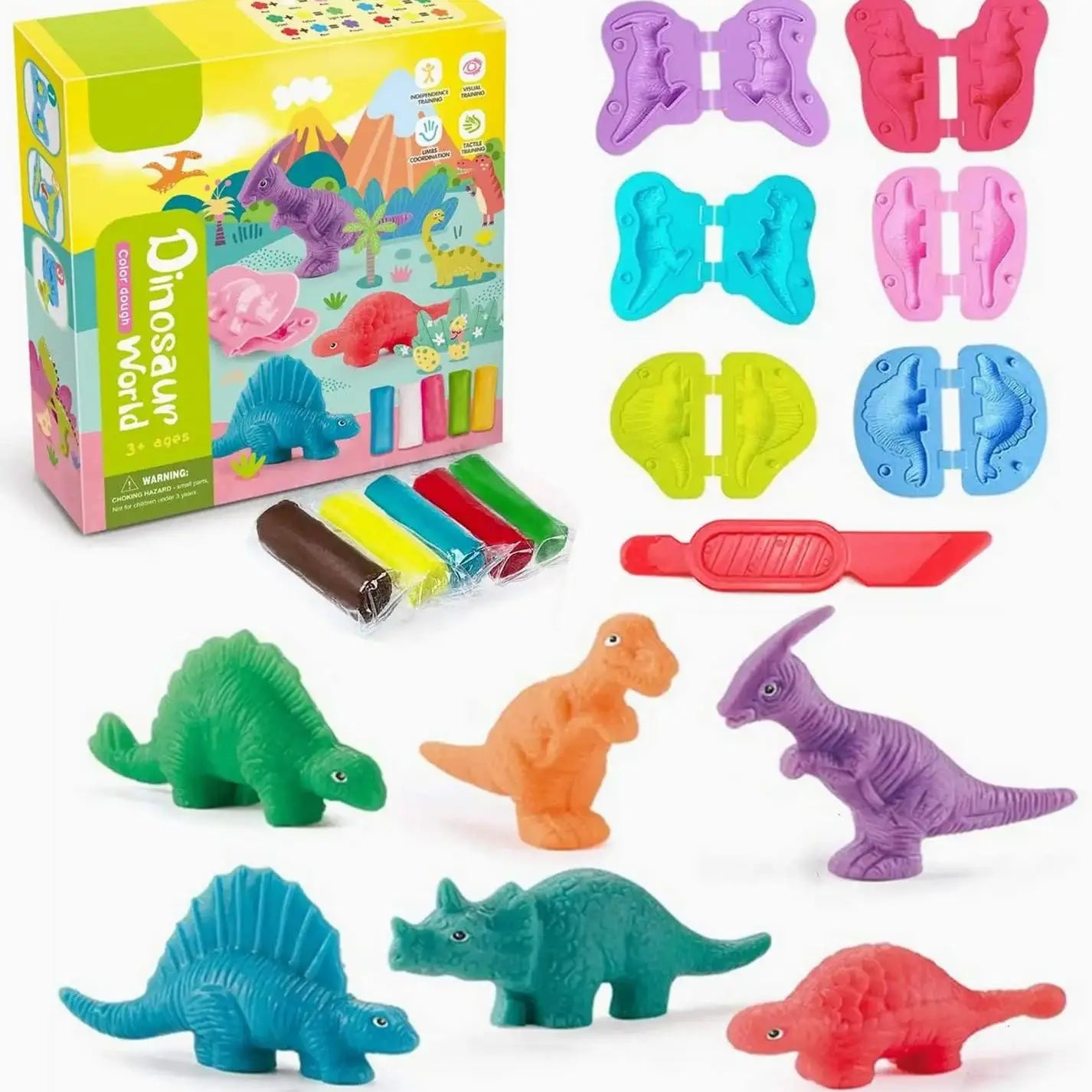
sensory activities for autism + preschool sensory development activities at home 💡 See it in action
👉 Discover playful ways to boost focus and calmness today
Sensory Toys can turn simple moments into meaningful learning experiences.
Why Sensory Play Sometimes Feels Like It’s Not Working
If you’ve ever set up a fun activity only for your child to walk away—or melt down—you’ve likely wondered why sensory play not engaging enough is so common.
The truth is, it’s rarely about the activity itself. It’s about how it matches your child’s sensory needs.
Common reasons sensory activities fall flat
- Too overwhelming (too many colors, sounds, textures)
- Not stimulating enough for sensory-seeking children
- Lack of structure or clear purpose
- Activities don’t match developmental stage
For example, a child who craves movement may ignore quiet tactile play, while a child sensitive to textures may avoid messy activities entirely.
How to Make Sensory Activities for Autism Actually Work
Sensory activities for autism work best when they are personalized, predictable, and purposeful. Instead of random play, focus on structured experiences that match your child’s sensory profile. The right approach helps improve attention, reduce stress, and build independence over time.
4 simple shifts that change everything
- Start small: 10–15 minutes is enough to see results
- Follow your child’s cues: Notice what they enjoy or avoid
- Create repetition: Familiar routines build comfort
- Use multi-sensory input: Combine touch, movement, and visuals
These small adjustments often turn frustration into engagement within days.
Best Hands On Sensory Learning Activities That Show Real Progress
Not all activities are created equal. The most effective ones combine engagement with developmental benefits.
Top-performing sensory activities
| Activity | Best For | Benefit |
|---|---|---|
| Playdough shaping | Fine motor skills | Improves hand strength and focus |
| Water pouring games | Calming sensory input | Reduces anxiety and builds coordination |
| Texture bins | Tactile exploration | Encourages curiosity and tolerance |
| Movement play | Sensory seekers | Supports regulation and energy release |
One standout option is the dinosaur playdough set, which combines creativity, tactile input, and imaginative play in one activity.
Why playdough-based activities work so well
- Soft texture reduces resistance
- Encourages creativity without pressure
- Builds fine motor skills naturally
- Easy to repeat daily without boredom
👉 Learn how to turn everyday play into meaningful progress
Explore Baby Growth & Learning tools designed for real development at home.
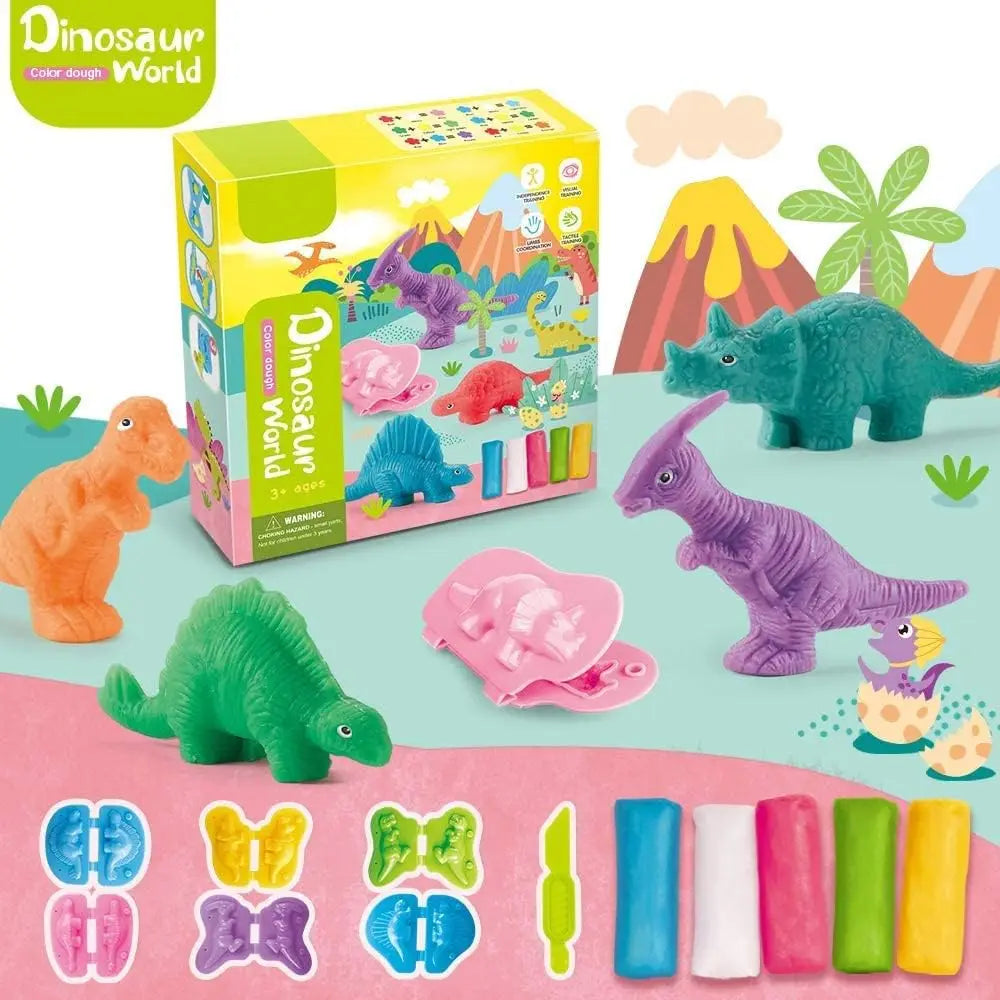
hands on sensory learning activities 💡 See how it boosts engagement
Match Sensory Activities to Your Child’s Unique Needs
This is where most parents see the biggest breakthrough.
Instead of trying every activity, focus on what your child truly needs.
Sensory profiles and what works best
- Sensory-seeking: Needs more input → try movement, squeezing, pushing
- Sensory-sensitive: Needs calm → use soft textures, slow activities
- Easily overwhelmed: Needs structure → keep activities simple and predictable
- Low engagement: Needs novelty → rotate toys and themes
For example, a child who avoids messy play may respond better to structured tools found in Health & Safety solutions that reduce unpredictability.
How to Build a Simple Daily Sensory Routine at Home
Consistency is more powerful than complexity.
A simple daily plan
- Morning: calming tactile play (5–10 min)
- Afternoon: movement-based activity
- Evening: relaxing sensory play
- Before bed: quiet repetitive activity
This rhythm helps regulate your child’s nervous system throughout the day.
Tips for success
- Keep activities in the same location
- Use visual cues or timers
- Repeat favorite activities often
- Gradually introduce new elements
Pairing sensory play with comfort items from Sleep & Comfort can make transitions smoother.
Why the Right Sensory Tools Make Progress Faster
Sometimes, the difference between frustration and success is the tool you use.
Generic toys often lack the structure or sensory balance children need. Purpose-designed tools provide the right level of stimulation without overwhelm.
What to look for
- Soft, safe textures
- Easy-to-use design
- Multi-sensory engagement
- Durability for repeated use
The dinosaur playdough set is especially effective because it combines:
- Creative storytelling
- Fine motor development
- Safe tactile exploration
- Repeatable structured play
Real Parent Experiences: What Actually Changed
Many parents notice improvements within weeks when sensory play is done correctly.
Common results reported
- Longer attention spans
- Fewer meltdowns
- Better transitions between activities
- Increased independence
Example:
“We struggled with sensory play not engaging enough for months. Once we switched to structured activities like playdough sets, our child stayed focused for 20 minutes straight. It changed our entire routine.”
These outcomes show that the right approach—not more effort—is what drives progress.
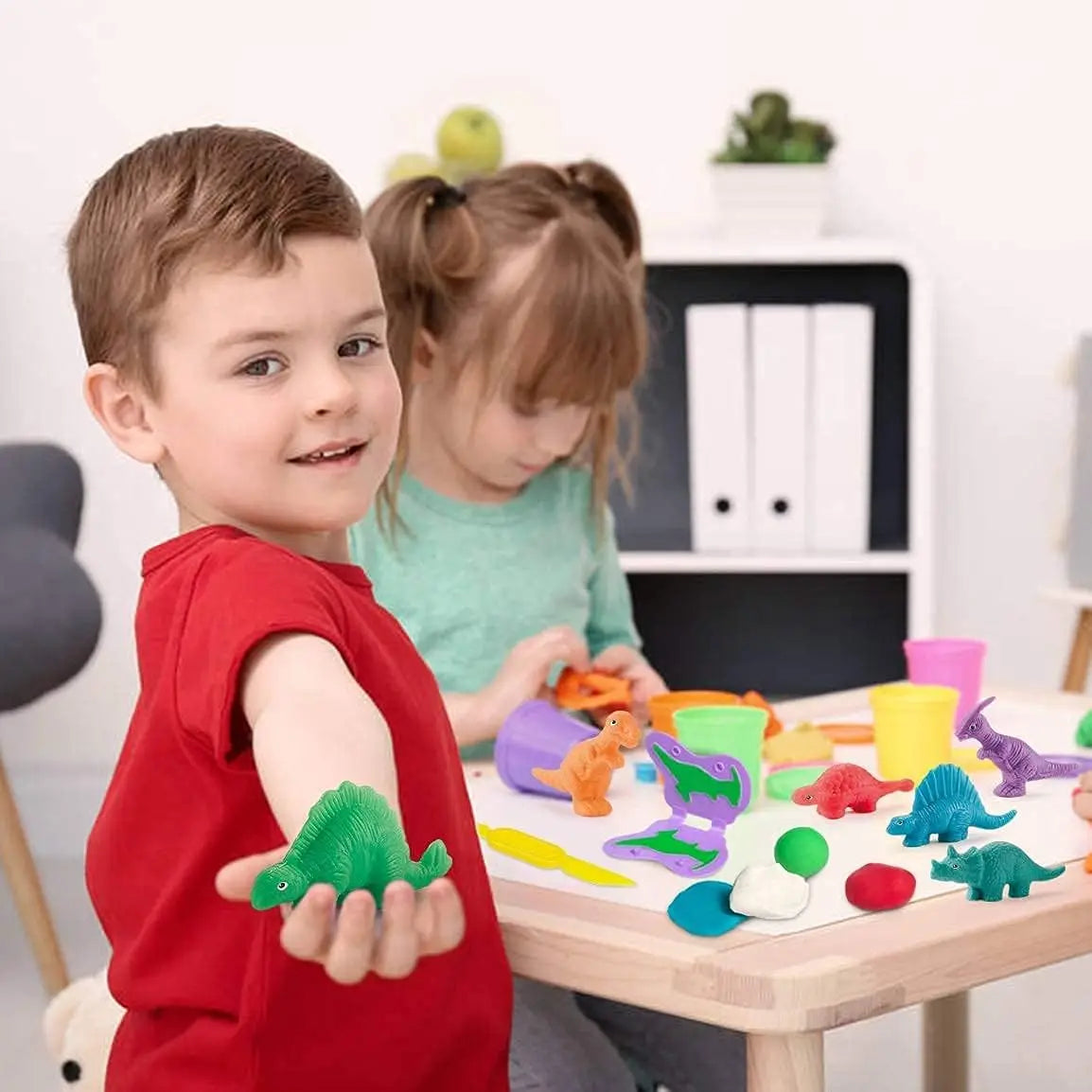
preschool sensory development activities at home 💡 See the difference
👉 Get yours now — limited stock!
Bring engaging, effective play home with the dinosaur playdough set and explore more in Sensory Toys.
Frequently Asked Questions
What are the best sensory activities for autism at home?
The best sensory activities for autism include playdough, water play, texture bins, and movement-based exercises. These hands on sensory learning activities support focus, emotional regulation, and motor skills when done consistently in a structured routine.
Why is sensory play not engaging enough for my child?
Sensory play not engaging enough usually means the activity doesn’t match your child’s sensory needs. Adjusting intensity, simplifying the setup, or choosing more interactive tools can significantly improve engagement.
How often should I do sensory activities?
Short daily sessions (10–30 minutes total) are more effective than long, infrequent ones. Consistency helps children feel safe, improves learning, and builds lasting skills over time.
Related Articles:
- Sensory Toys for 5 Year Olds: Best for Focus and Calm
- Fine Motor Skill Problems: Which Activities Help Most
Pillar Articles:





