

Learning toys preschool: Real parent reviews and results
Do learning toys preschool really work?
Learning toys preschool can significantly improve early math skills by turning abstract numbers into hands-on experiences. Parents report faster counting recognition, better focus, and reduced frustration when children use interactive tools designed for ages three to six, especially when play-based learning replaces traditional worksheets.
Learning toys preschool: Real parent reviews and results
⏱ 6 min read
Are you worried your child is falling behind with numbers—or worse, starting to dislike math altogether? Many parents notice preschool math frustration and slow progress early, but the right tools can change everything. Real families are seeing surprising breakthroughs using hands-on, playful learning methods that actually keep kids engaged.
Which learning approach actually works for your child? Keep reading to discover what real parents experienced—and what made the biggest difference.
👉 Discover playful ways to rebuild your child’s confidence with numbers
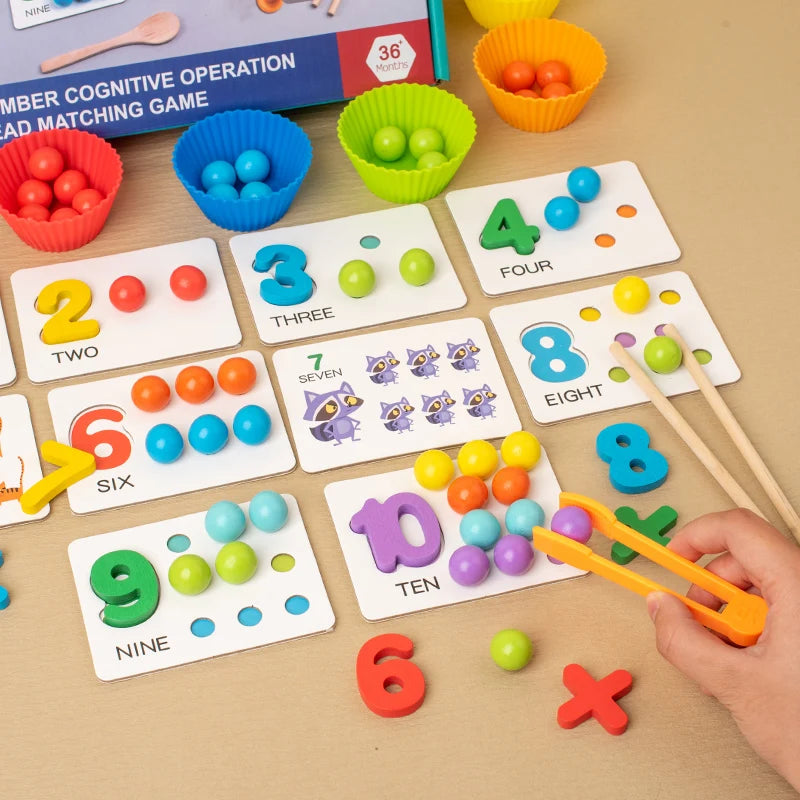
💡 See it in action - learning toys preschool / preschool math frustration and slow progress, children lose interest in early math learning, interactive math learning tools for parents, educational math toys ages three to six
Why young children struggle with early math
Many parents feel confused when their child suddenly resists counting or number games. It often starts small—losing focus, avoiding tasks, or saying “this is too hard.”
- Abstract numbers are difficult to visualize
- Repetition without engagement leads to boredom
- Pressure creates anxiety instead of curiosity
- Children lose interest in early math learning quickly
This is where learning toys preschool shift the experience from pressure to play.
How learning toys preschool boost confidence fast
Learning toys preschool transform math into something children can touch, see, and enjoy. Instead of memorizing numbers, kids build understanding naturally through play.
- Hands-on interaction improves memory retention
- Colorful visuals make concepts easier to grasp
- Self-paced learning reduces stress
- Gamified play keeps attention longer
Parents browsing Baby Growth & Learning often notice that tools combining play and structure deliver the fastest results.
👉 Learn how to choose the right interactive tools for your child’s learning style
Real parent reviews and results
Nothing builds trust like real experiences. Here’s what parents are saying after switching to interactive math tools:
Case Study #1: From frustration to excitement
“My 4-year-old used to cry during counting practice. After introducing wooden number blocks, she started asking to play ‘math games’ every day. Within 2 weeks, she could count to 50 confidently.”
Case Study #2: Faster learning without pressure
“We struggled with slow progress for months. Using hands-on tools made everything click. He finally understands what numbers mean—not just memorizing them.”
Case Study #3: Improved focus and independence
“Instead of forcing practice, I just set up the toys. My child plays independently and learns without even realizing it.”
Many of these results come from tools like interactive wooden math sets designed specifically for ages three to six.
Comparison: traditional vs interactive learning
| Approach | Pros | Cons |
|---|---|---|
| Worksheets | Structured, easy to follow | Boring, low engagement |
| Flashcards | Quick repetition | Limited understanding |
| Learning toys preschool | Engaging, hands-on, fun | Requires initial setup |
The difference is clear: interactive play leads to deeper understanding and better long-term results.
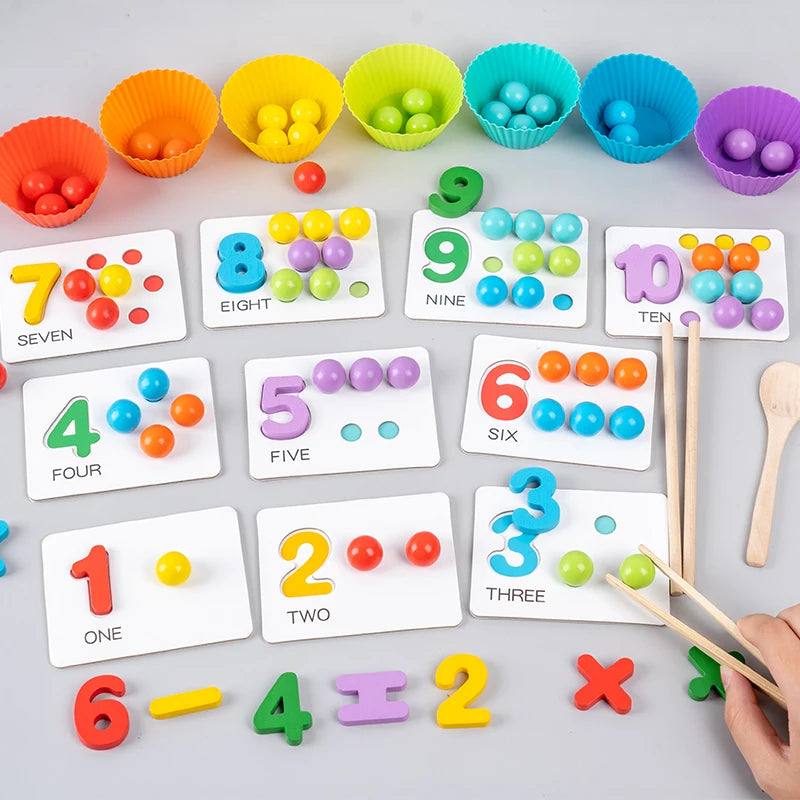
💡 See it in action - learning toys preschool / preschool math frustration and slow progress, children lose interest in early math learning, interactive math learning tools for parents, educational math toys ages three to six
What makes the best educational math toys ages three to six
Not all toys are created equal. The best ones share key features that support real learning:
- Multi-sensory design (touch, sight, movement)
- Progressive difficulty levels
- Safe, durable materials
- Encouragement of independent play
Parents exploring Sensory Toys often combine them with math tools to create a richer learning environment.
Pros and Cons
- ✅ Encourages curiosity and confidence
- ✅ Reduces resistance to learning
- ✅ Builds foundational math skills early
- ❌ Requires parent guidance initially
- ❌ Some children need time to adapt
How to use interactive math learning tools for parents
- Start with simple counting games using physical objects
- Let your child lead the play without pressure
- Gradually introduce more complex concepts
- Keep sessions short and fun (10–15 minutes)
Pairing these tools with routines from Baby Care Essentials helps create a balanced daily learning environment.
👉 Get yours now — limited stock available and see the difference within days
Final verdict: are these toys worth it?
Learning toys preschool stand out because they turn frustration into excitement.
Pillar Article: Best educational toys for kindergartners: Top reviews & winners
Other Related Articles:
Explore More:





