

Advantages of Montessori Education: 12 Benefits for Children
What Are the Advantages of Montessori Education?
The advantages of Montessori education extend far beyond early math skills. The Montessori approach encourages children to become independent learners by combining hands-on experiences, self-directed exploration, and carefully prepared learning environments. Rather than memorizing information, children discover concepts through meaningful activities that build confidence, curiosity, and problem-solving abilities.
Parents often choose Montessori because it supports the development of the whole child. Along with academic growth, children practice concentration, responsibility, communication, and practical life skills that prepare them for success in school and everyday life.
Core Montessori principles
Developed by Dr. Maria Montessori, the Montessori philosophy is based on the belief that children learn best when they actively participate in their own education. Teachers guide rather than direct, allowing children to progress at an individual pace while working with materials designed to match their developmental stage.
Key principles include:
- Child-centered learning that respects individual interests and readiness.
- Hands-on materials that transform abstract concepts into concrete experiences.
- Mixed-age classrooms that encourage collaboration and peer learning.
- Prepared environments that promote independence and purposeful exploration.
- Freedom within clear boundaries to help children develop self-discipline.
How self-directed learning works
One of the greatest Montessori education benefits is giving children meaningful choices throughout the learning process. Instead of moving every student through identical lessons at the same pace, Montessori educators observe each child's progress and introduce new challenges when the child is ready.
This individualized approach helps children:
- Develop intrinsic motivation rather than relying on external rewards.
- Strengthen attention span through uninterrupted work periods.
- Learn from mistakes using self-correcting educational materials.
- Build confidence by mastering skills independently.
While adults remain available for guidance, children gradually become active participants in their own learning journey instead of passive recipients of information.
Why hands-on learning improves outcomes
Many of the long-term benefits of Montessori education stem from its emphasis on learning by doing. Manipulating objects, experimenting with materials, and solving real-world problems help children connect new information with meaningful experiences, leading to stronger understanding and longer retention.
For example, mathematical concepts become easier to understand when children physically count beads, build number patterns, or compare quantities before working with symbols on paper. Similar hands-on experiences are used across language, science, practical life, and sensory activities, creating a balanced foundation for lifelong learning.
Research in early childhood education suggests that active engagement improves comprehension, supports executive function, and encourages flexible thinking—qualities that benefit children well beyond the preschool years.
⏱ 7 min read — Curious why so many parents are rethinking preschool choices? If your child struggles with confidence, focus, or early academic skills, you're not alone. Understanding how Montessori differs from traditional preschool can help you decide which learning environment best matches your child's needs and personality.
Which educational approach helps children become confident, curious, and independent learners? The comparison begins by understanding the principles that make Montessori education unique.
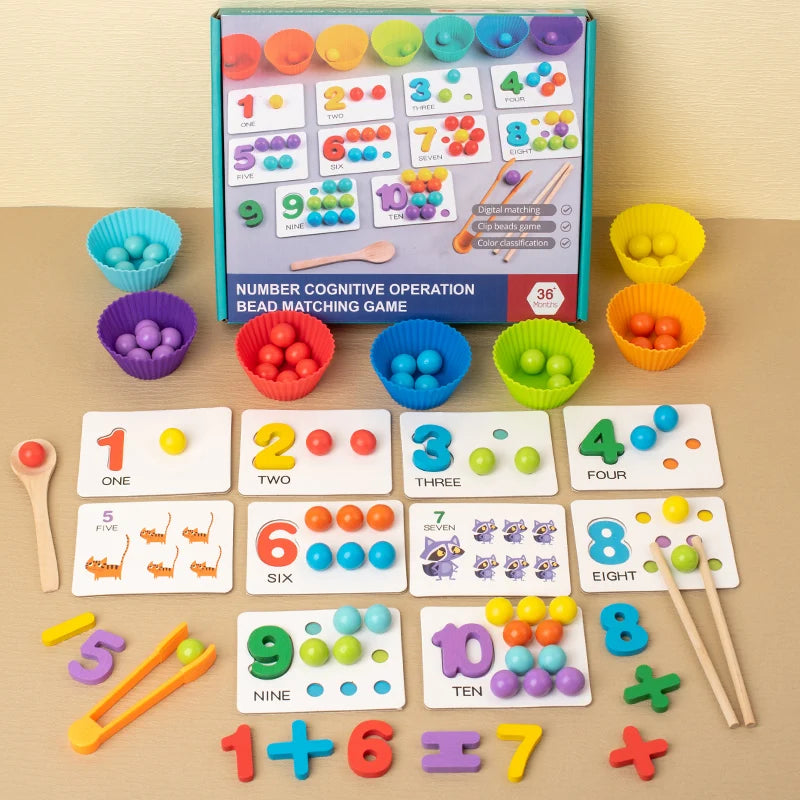
See Montessori learning in action with hands-on materials that support independence, early math understanding, and child-led exploration.
Discover hands-on learning tools that make math fun: Explore Montessori wooden math set
Montessori vs Traditional Preschool: Key Differences
Both Montessori and traditional preschool aim to prepare children for future learning, but they use different teaching philosophies. Understanding these differences can help parents choose an environment that matches their child's learning style, personality, and developmental needs.
| Feature | Montessori Method | Traditional Preschool |
|---|---|---|
| Learning approach | Child-led exploration with hands-on materials | Teacher-directed lessons following a structured curriculum |
| Teacher's role | Guide and observer who introduces lessons as children are ready | Primary instructor leading whole-class activities |
| Assessment | Observation of individual progress and skill mastery | Group activities, assignments, and milestone-based evaluation |
| Classroom environment | Prepared spaces that encourage independence and choice | Scheduled routines with teacher-selected activities |
| Learning pace | Individualized progression | Generally follows the same pace for the entire class |
| Social development | Mixed-age collaboration and peer mentoring | Children are typically grouped by age |
Neither approach is universally better. Montessori may benefit children who enjoy exploring independently and learning through hands-on experiences, while traditional preschool may be a better fit for children who thrive with structured routines and teacher-guided instruction.
Parents often find that the quality of the classroom, teacher experience, and the child's individual temperament have a greater influence on success than the educational philosophy alone.
Research-Backed Benefits of Montessori Education
Research on Montessori education suggests that children can benefit academically, socially, and emotionally when programs faithfully implement Montessori principles. While outcomes vary depending on school quality and individual learning needs, studies have found positive associations with executive function, self-motivation, collaboration, and early academic achievement.
Academic performance
Montessori classrooms encourage children to build deep conceptual understanding rather than memorizing information. Through carefully sequenced, hands-on materials, children often develop stronger foundational skills in mathematics, language, and problem-solving before progressing to more abstract concepts.
Independence and motivation
Because children are encouraged to make meaningful choices within a structured environment, they gradually develop independence, responsibility, and intrinsic motivation. These qualities can contribute to greater persistence when facing new or challenging tasks.
Problem-solving skills
Many Montessori materials are intentionally self-correcting, allowing children to identify and fix mistakes independently. This process promotes critical thinking, resilience, and confidence while reducing reliance on constant adult intervention.
Long-term learning habits
By emphasizing concentration, curiosity, and self-directed exploration, Montessori education helps children develop learning habits that extend beyond preschool. Skills such as planning, attention control, and thoughtful decision-making support success throughout later stages of education.
Benefits of Montessori Education by Age
Toddlers (18 months–3 years)
During the toddler years, Montessori activities focus on developing independence, language, coordination, and practical life skills. Children learn everyday tasks such as pouring, sorting, dressing, and cleaning, helping them build confidence while improving fine motor control and concentration.
Preschoolers (3–6 years)
Preschool-aged children benefit from hands-on experiences that support early literacy, mathematics, sensory exploration, and social development. Because lessons are individualized, children can progress at a pace that matches their readiness while developing problem-solving skills and a lifelong love of learning.
Kindergarten and elementary students
As children grow, Montessori education places greater emphasis on critical thinking, collaboration, research, and independent responsibility. Students are encouraged to ask questions, explore real-world topics, and apply knowledge across multiple subject areas instead of relying solely on memorization.
Advantages and Limitations of Montessori Education
Major advantages
- Encourages independence and self-confidence from an early age.
- Promotes deeper understanding through hands-on learning.
- Supports individualized learning without unnecessary pressure.
- Develops executive function, concentration, and problem-solving abilities.
- Fosters intrinsic motivation and a positive attitude toward learning.
Potential limitations
- Program quality varies depending on teacher training and school implementation.
- Some children may initially prefer more structured, teacher-directed instruction.
- Specialized learning materials can increase classroom costs.
- Transitioning to traditional school settings may require an adjustment period for some students.
Who benefits most?
Montessori can be an excellent fit for children who enjoy exploring independently, learning through movement, and working at their own pace. Families who value curiosity, self-direction, and active participation in education often appreciate the Montessori philosophy.
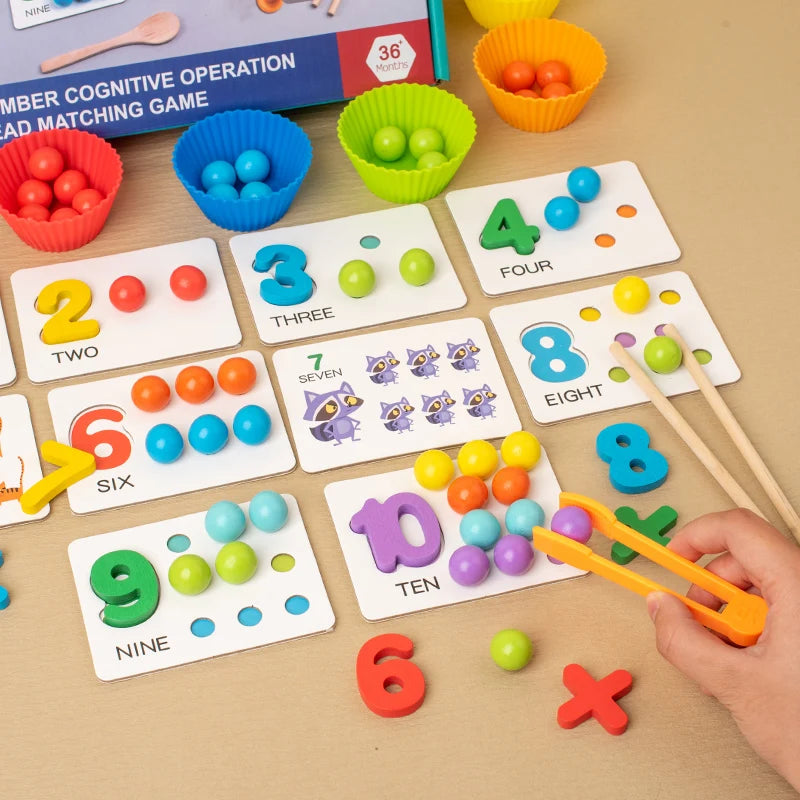
Hands-on Montessori activities encourage independent thinking, confidence, and meaningful learning experiences across multiple developmental stages.
Support hands-on learning at home: Shop Montessori math learning set today
Frequently Asked Questions
Is Montessori better than traditional preschool?
Neither approach is universally better. Montessori emphasizes independence, hands-on learning, and individualized pacing, while traditional preschool typically follows a structured, teacher-led curriculum. The best choice depends on your child's learning style, personality, and the quality of the program.
Is Montessori worth it?
For many families, Montessori is worth considering because it promotes self-motivation, confidence, critical thinking, and long-term learning habits. Visiting classrooms and observing how teachers interact with children can help determine whether a specific program is the right fit.
What are the biggest benefits of Montessori education?
The biggest Montessori education benefits include stronger independence, hands-on understanding of academic concepts, improved executive function, problem-solving skills, intrinsic motivation, and social-emotional development.
What are the disadvantages of Montessori education?
Potential limitations include differences in program quality, the need for specially trained educators, and the possibility that some children may prefer a more structured classroom environment. These factors vary considerably between schools.
At what age should children start Montessori?
Many children begin Montessori programs between 18 months and 3 years of age, although Montessori principles can be introduced at home even earlier through practical life activities, language-rich interactions, and child-led play.
Can Montessori methods be used at home?
Yes. Parents can incorporate Montessori principles by creating accessible learning spaces, encouraging independence in daily routines, offering hands-on activities, and allowing children to solve age-appropriate challenges with minimal unnecessary intervention.
Pillar Article: Best preschool educational toys: Top picks & comparisons 2026
Other Related Articles:
- Number recognition games for preschoolers: Top games compared
- Preschool math manipulatives: Best sets compared for learning
- Benefits of hands on learning: What works better for kids?
- Educational toys for 4 year olds: Which works best?
Explore More:





