

Preschoolers and math: Choosing toys for learning styles
Do preschoolers and math toys really help children learn numbers?
Preschoolers and math learning improves significantly when children use hands-on toys that match their learning style. These tools reduce early math anxiety in young learners, help kids understand quantities visually, and make counting feel like play instead of pressure—leading to faster, more confident number recognition.
Preschoolers and math: Choosing toys for learning styles
Preschoolers and math can feel overwhelming when children struggle learning basic numbers or kids have trouble understanding quantities. The good news? The right toys can reduce early math anxiety in young learners while matching how your child naturally learns. From hands-on counting tools to visual puzzles, these strategies reveal the best ways to teach preschool math without pressure or frustration. But which toy actually works for your child’s learning style—and why do some fail completely?
⏱ 7 min read
Does your child avoid counting games or get frustrated with simple numbers? You’re not alone—and the solution might be simpler than you think.
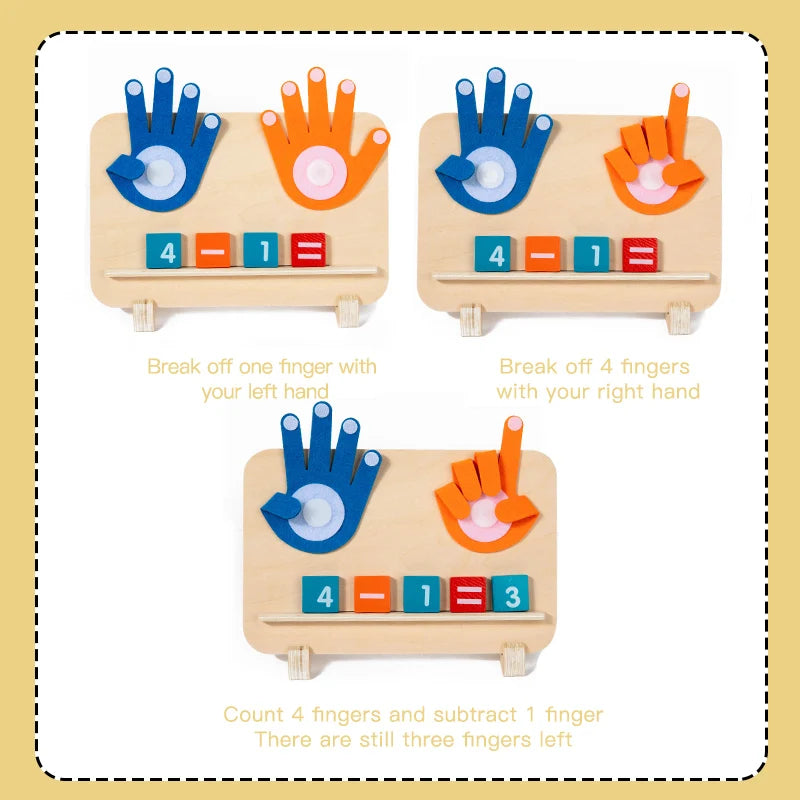
💡 See it in action - preschoolers and math / children struggle learning basic numbers, early math anxiety in young learners, best ways to teach preschool math, kids have trouble understanding quantities
Why Preschoolers Struggle with Math—and How Toys Can Help
Preschoolers and math challenges often start with abstract concepts. Numbers don’t feel “real” yet, which is why many children struggle learning basic numbers.
- They can’t see or touch numbers
- They confuse counting with memorizing
- They don’t understand quantities
- They feel pressure when corrected
This leads to early math anxiety in young learners—even before kindergarten.
That’s where hands-on tools from Baby Growth & Learning and tactile options from Sensory Toys make a difference. They turn abstract math into something children can see, feel, and enjoy.
How Matching Toys to Learning Styles Changes Everything
Preschoolers and math success depends less on “how smart” a child is—and more on how they learn best.
Children typically fall into three learning styles:
- Visual learners: Learn through seeing patterns and colors
- Tactile learners: Learn by touching and moving objects
- Auditory learners: Learn through sounds and repetition
When toys match these styles, something powerful happens:
- Kids understand quantities faster
- Confidence replaces frustration
- Learning feels like play—not pressure
Best Toy Types for Each Learning Style (And Why They Work)
1. Tactile Learners: Hands-On Counting Tools
If your child loves building, stacking, or touching everything, they likely learn best through movement.
A great example is the wooden finger counting toy, which helps kids physically connect numbers to real quantities.
- Improves number recognition through touch
- Helps kids understand “more vs less”
- Reduces confusion around counting order
Pair this with calming tools from Massage & Relaxation to reduce frustration during learning time.
2. Visual Learners: Colorful Puzzles & Number Boards
Visual learners need to “see” math concepts clearly.
- Color-coded numbers build recognition
- Patterns improve memory retention
- Shapes connect math to real-world objects
These toys work especially well when combined with structured routines supported by Smart Baby Gadgets.
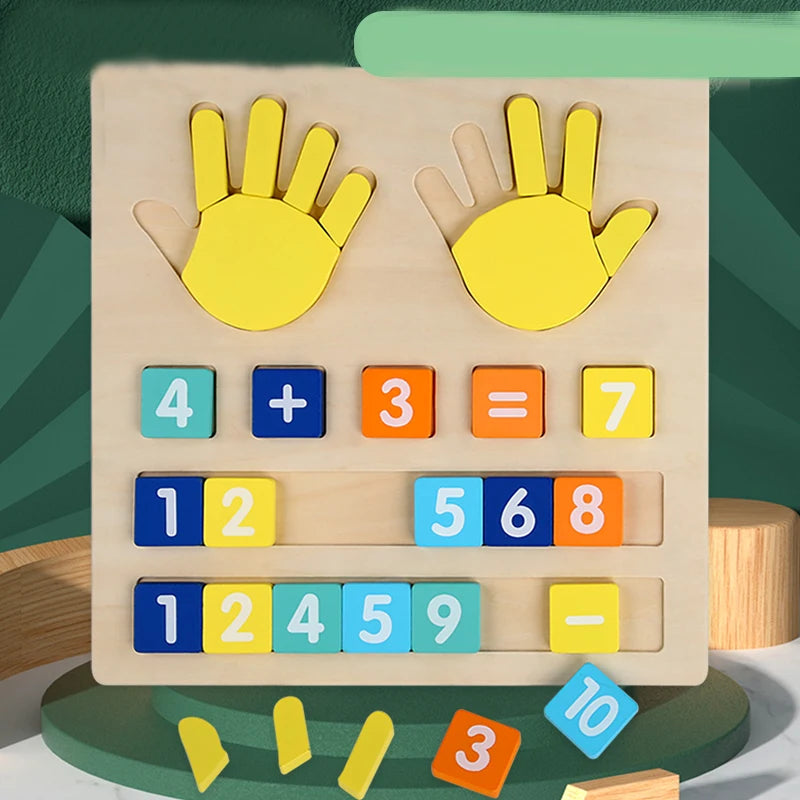
💡 See it in action - preschoolers and math / children struggle learning basic numbers, early math anxiety in young learners, best ways to teach preschool math, kids have trouble understanding quantities
3. Auditory Learners: Counting Songs & Interactive Toys
Some children learn best through sound and repetition.
- Songs reinforce counting sequences
- Repetition builds memory
- Interactive feedback boosts engagement
For these children, combining toys with daily routines like feeding using tools from Feeding Tools can create consistent learning moments.
How to Choose the Right Toy for Your Child (Step-by-Step)
- Observe how your child plays naturally
- Identify whether they prefer touch, visuals, or sound
- Choose one toy that matches their style
- Introduce it during relaxed, playful moments
- Repeat consistently without pressure
For example, if your child resists flashcards but loves stacking toys, the wooden finger counting toy may be a better fit than traditional methods.
Comparison Table: Which Toy Fits Your Child Best?
| Learning Style | Best Toy Type | Key Benefit | Common Mistake |
|---|---|---|---|
| Tactile | Hands-on counting toys | Builds quantity understanding | Too many abstract worksheets |
| Visual | Color puzzles | Improves recognition | Lack of visual cues |
| Auditory | Interactive toys | Enhances memory | Ignoring repetition |
Real Parent Experiences: What Actually Works
“My son hated counting…”
“I thought he just wasn’t ready. But once we switched to a hands-on toy, he finally understood quantities. Now he counts everything.”
“Math time used to end in tears”
“Using tactile tools reduced pressure. She stopped feeling ‘wrong’ and started enjoying learning.”
Many parents also noticed improvements when combining toys with consistent routines from Sleep & Comfort collections to create calm learning environments.
Common Mistakes That Make Math Harder
- Forcing memorization instead of understanding
- Using one teaching method for every child
- Introducing concepts too quickly
- Ignoring signs of early math anxiety
Instead, focus on matching tools to your child—not the other way around.
💡 See it in action - preschoolers and math / children struggle learning basic numbers, early math anxiety in young learners, best ways to teach preschool math, kids have trouble understanding quantities
Why the Right Toy Feels Like It Was Made for Your Child
The best tools don’t just teach—they adapt to your child’s natural way of learning.
- They reduce frustration
- They build confidence
- They create positive learning habits
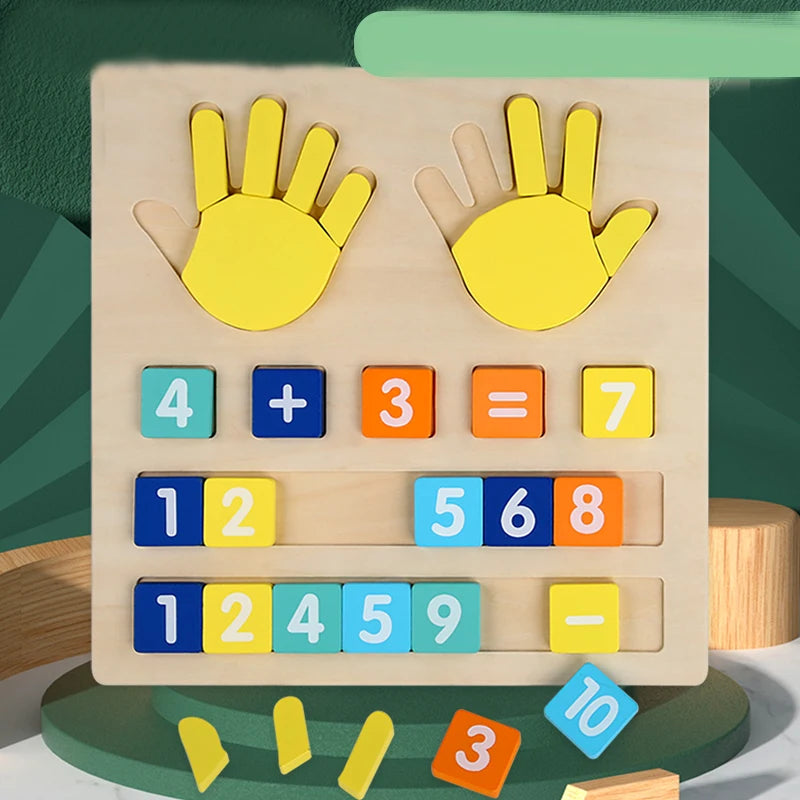
That’s why the wooden finger counting toy works so well—it turns learning into something children can control, explore, and enjoy.
Frequently Asked Questions
Why do preschoolers struggle with math?
Most preschoolers struggle because math concepts are abstract. Without hands-on tools, children struggle learning basic numbers and have trouble understanding quantities.
What is the best way to teach preschool math?
The best approach is using play-based learning with toys that match your child’s learning style. This reduces early math anxiety in young learners and improves understanding.
How do I know if my child has math anxiety?
Signs include frustration, avoidance, or emotional reactions during counting activities. Using the right toys can help reduce this early.
Are counting toys really effective?
Yes—especially tactile tools like finger counting toys. They help children connect numbers to real objects, improving comprehension and confidence.
When should I start teaching math?
Early exposure through play (ages 2–4) is ideal. Focus on fun, not performance, to build a strong foundation.
Pillar Article: Learning toys preschool: Best fits for different child needs
Other Related Articles:
Explore More:





