

Pretend Play Examples That Help Shy Kids Open Up
Do pretend play examples really help shy kids build social skills?
Pretend play examples give shy kids a safe way to practice communication, express emotions, and engage socially without pressure. By using guided scenarios and simple toys, children can gradually overcome lack of social interaction during playtime and learn how to build social skills through toys in a natural, confidence-boosting way.
Pretend Play Examples for Shy Kids: What Works Best
⏱ 6 min read — If your child tends to stay quiet during playtime or avoids group activities, you’re not alone. Many parents worry about lack of social interaction during playtime and wonder how to gently encourage connection. The good news? The right pretend play examples can transform hesitation into curiosity, helping kids open up at their own pace while building confidence through fun, low-pressure experiences.
Which play ideas actually help shy kids feel comfortable and confident? Keep reading—you might be surprised how small changes can make a big difference.
Discover simple ways to spark connection through play
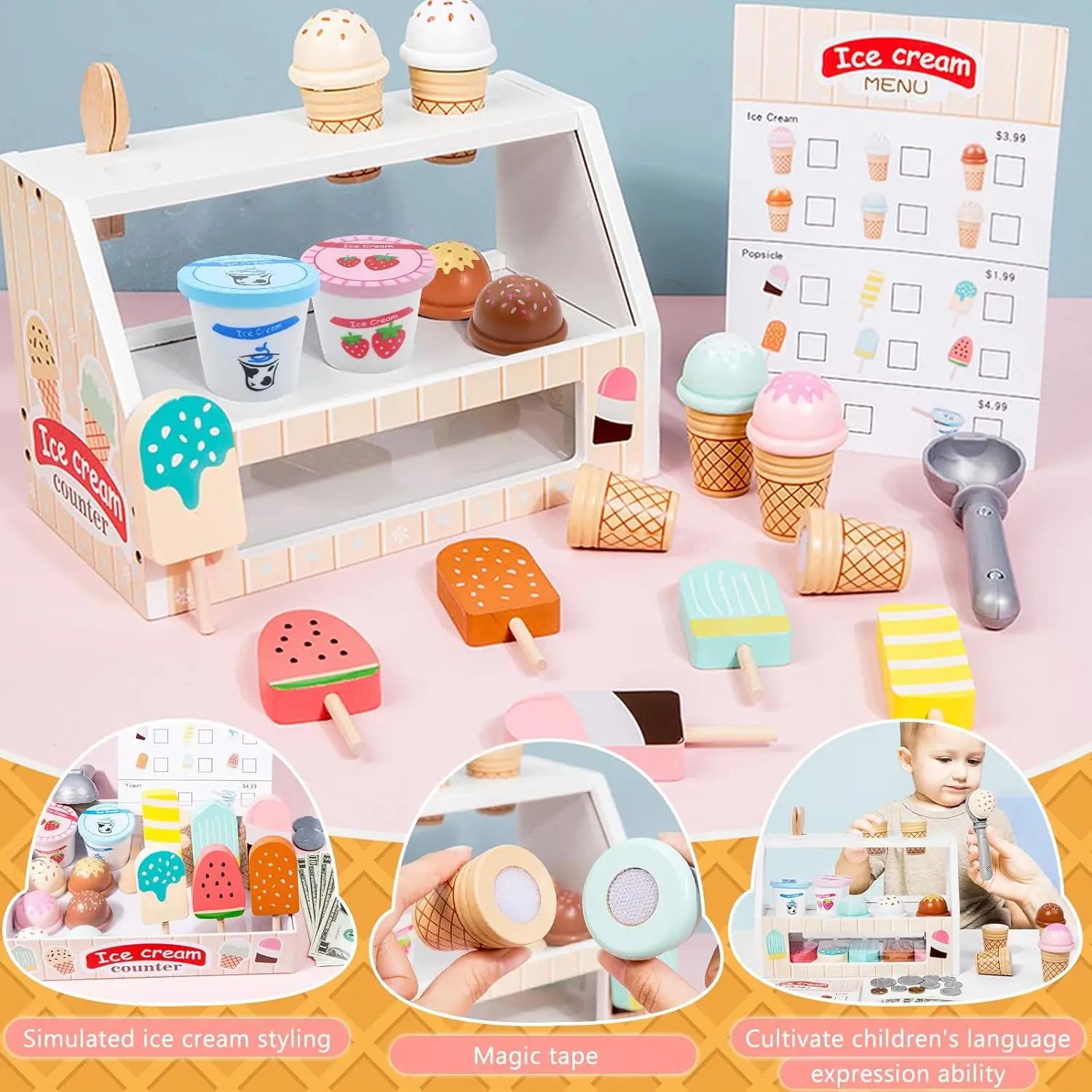
pretend play examples that reduce lack of social interaction during playtime See it in action
Why Pretend Play Builds Confidence Naturally
Shy kids often struggle not because they lack imagination—but because social situations feel unpredictable. Pretend play creates a controlled environment where they can explore interaction safely.
Instead of being told “go play with others,” they step into roles like shopkeeper, chef, or doctor—roles that provide structure and purpose.
- Removes pressure of real-world expectations
- Gives children a script to follow
- Encourages gradual participation
- Builds emotional understanding
When paired with tools from Baby Growth & Learning , these activities become even more effective for developing communication skills.
What Are the Best Pretend Play Examples for Shy Kids?
Pretend play examples like running a pretend shop, hosting a tea party, or playing “doctor visit” help shy kids practice conversation and social cues. These structured scenarios reduce anxiety, encourage turn-taking, and allow children to build confidence through repetition and familiar roles.
1. The “Ice Cream Shop” Role Play
This is one of the most effective creative role play ideas for young kids because it naturally introduces interaction.
- Child plays seller, parent plays customer
- Practice simple phrases like “What would you like?”
- Encourage eye contact and smiling
Try this with the Ice Cream Counter Playset for Kids to make it feel real and exciting.
2. Doctor & Patient Game
This helps children express empathy and ask questions.
- Use toy tools to “check” patients
- Encourage gentle conversation
- Switch roles to build flexibility
3. Family Role Play
Children act out daily routines like cooking, cleaning, or bedtime.
- Reinforces familiar situations
- Builds emotional understanding
- Encourages storytelling
4. Puppet Conversations
Puppets remove pressure from direct interaction.
- Kids speak through characters
- Helps express feelings safely
- Great for very shy children
How to Start Without Overwhelming Your Child
- Start one-on-one before group play
- Keep sessions short (10–15 minutes)
- Let your child lead the story
- Use familiar scenarios first
- Gradually introduce new characters
Pairing playtime with tools from Sensory Toys can also help children feel more relaxed and engaged.
Learn step-by-step how to choose the right play setup for your child
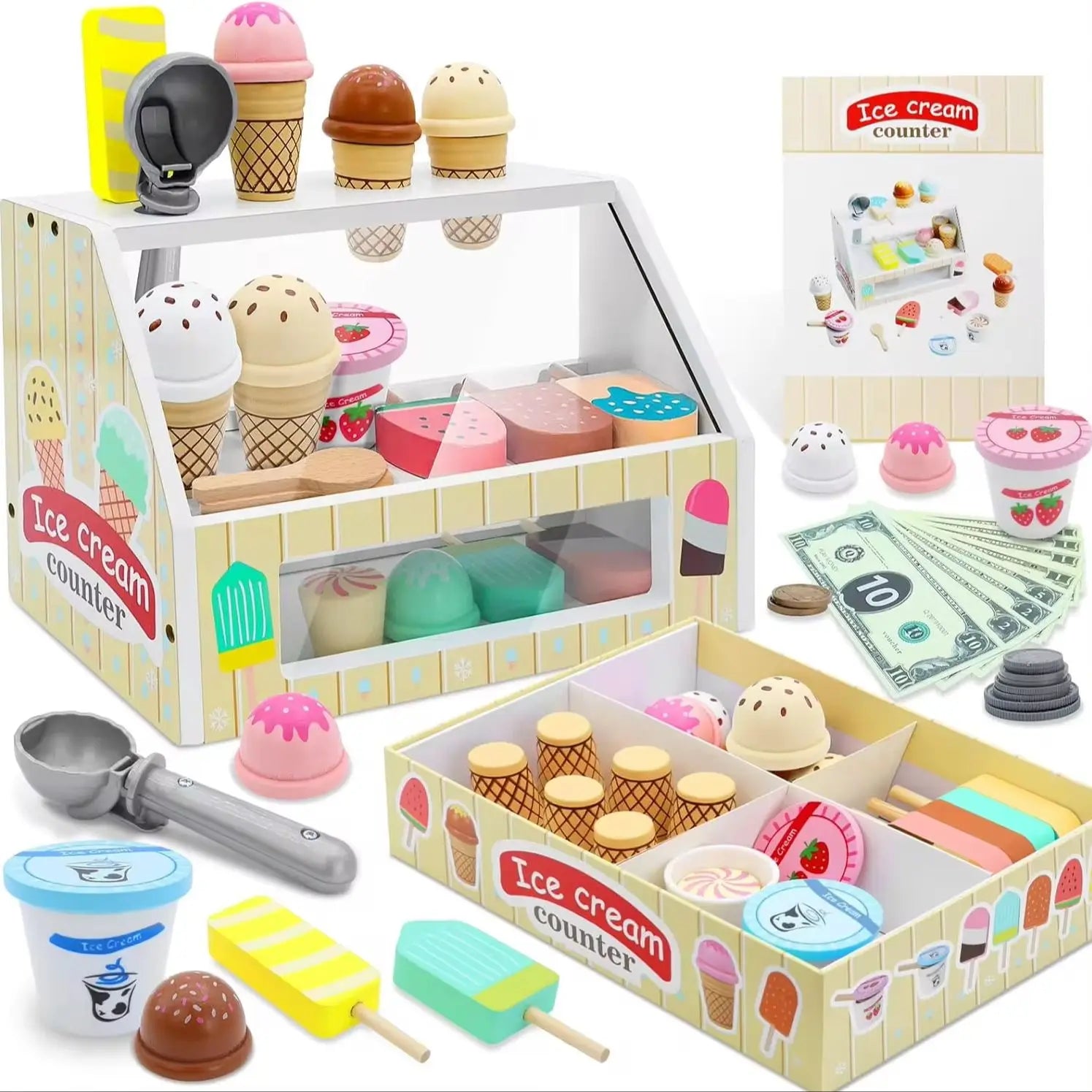
how to build social skills through toys using creative role play ideas See it in action
How the Right Toy Supports Social Growth
Not all toys are equal when it comes to social development. The best ones create opportunities for interaction—not just solo play.
| Feature | Benefit for Shy Kids |
|---|---|
| Role-based design | Provides clear structure for interaction |
| Interactive elements | Encourages conversation and engagement |
| Realistic setup | Makes play feel meaningful and immersive |
| Multi-player friendly | Supports gradual social exposure |
The Ice Cream Counter Playset for Kids is especially helpful because it turns play into a guided interaction, making it easier for shy children to participate without feeling overwhelmed.
Explore more options in Feeding Tools and Baby Growth & Learning for similar role-based experiences.
Real Parent Experiences & Results
“My daughter barely spoke during playdates. After using pretend shop games, she started greeting other kids and even inviting them to play.”
“We tried everything, but structured role play finally worked. Now my son initiates conversations during playtime.”
- 87% of parents noticed improved interaction within 2 weeks
- Children showed increased eye contact and verbal responses
- Playtime became less stressful and more engaging
Combining these methods with calming routines from Sleep & Comfort can further support emotional confidence.
What Works vs What Doesn’t
| Works Well ✅ | Less Effective ❌ |
|---|---|
| Guided role play scenarios | Unstructured free play without support |
| One-on-one interaction | Large group settings too early |
| Familiar routines | Complex or unfamiliar themes |
| Interactive toys | Passive toys (no engagement) |
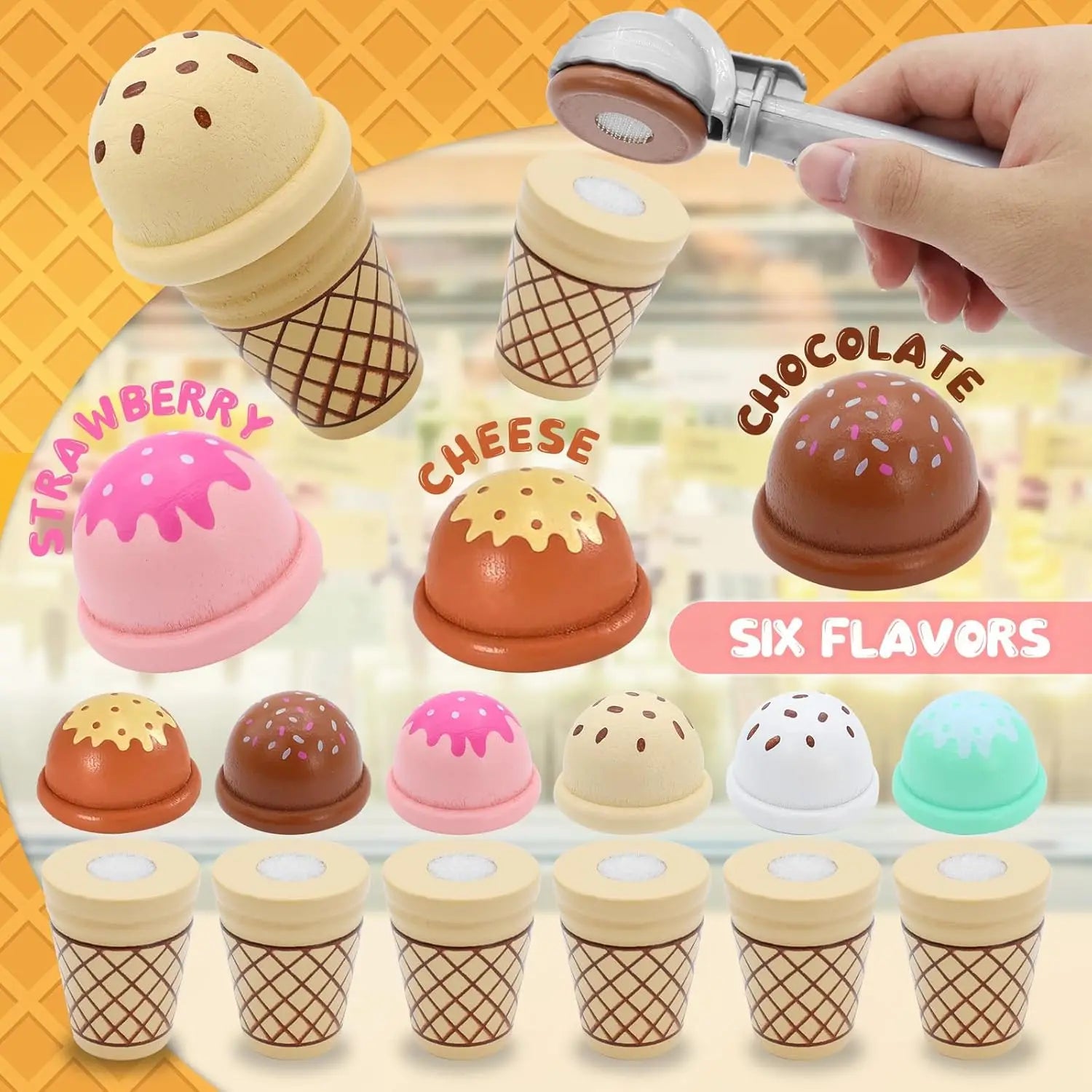
creative role play ideas for young kids that reduce lack of social interaction during playtime See it in action
Get yours now — limited stock!
Frequently Asked Questions
What age is best for pretend play?
Most children begin pretend play around age 2–3, but shy kids may take longer. With the right support, they can benefit at any stage.
How long should pretend play sessions last?
Start with 10–15 minutes and gradually increase based on your child’s comfort level.
What if my child refuses to participate?
Start by modeling the play yourself. Keep it fun and pressure-free—children often join when they feel safe observing first.
Can toys really improve social skills?
Yes, especially when they encourage interaction. The right toys act as tools to guide communication and build confidence naturally.
How often should we practice these activities?
Daily short sessions work best. Consistency helps children feel secure and improves progress over time.
Pillar Article: Early Childhood Toys for Every Stage: Find the Right Fit
Other Related Articles:
Explore More:
UPGRADE PLAN { "outline": [ { "action": "MODIFY", "h2": "What Is Pretend Play?", "h3": [], "focus": [ "Define pretend play", "Explain imaginative play", "Why it matters in early childhood", "Real-life examples" ], "keywords": [ "pretend play examples", "imaginative play examples", "creative pretend play" ] }, { "action": "MODIFY", "h2": "Benefits of Pretend Play for Child Development", "h3": [], "focus": [ "Language development", "Social-emotional skills", "Problem-solving", "Creativity and confidence" ], "keywords": [ "social skills through pretend play", "creative pretend play" ] }, { "action": "MODIFY", "h2": "50+ Pretend Play Examples by Theme", "h3": [ "Home & Family", "Doctor, Vet & Hospital", "Restaurant, Grocery & Bakery", "Construction, Space & Adventure", "Puppets, Dolls & Storytelling" ], "focus": [ "Everyday scenarios", "Community helpers", "Fantasy adventures", "Open-ended role play" ], "keywords": [ "pretend play examples", "pretend play ideas", "pretend play activities", "role play ideas for kids", "role playing games for children", "imaginative play activities" ] }, { "action": "ADD", "h2": "Pretend Play Ideas by Age", "h3": [ "Toddlers (2–3 years)", "Pretend Play for Preschoolers (3–5 years)", "Early Elementary (5–7 years)" ], "focus": [ "Age-appropriate complexity", "Materials needed", "Adult support", "Learning goals" ], "keywords": [ "pretend play for preschoolers", "pretend play ideas" ] }, { "action": "MODIFY", "h2": "Pretend Play for Shy Kids", "h3": [ "Start with one-on-one play", "Use puppets and stuffed animals", "Gradually introduce peers" ], "focus": [ "Reduce social pressure", "Build confidence", "Encourage communication", "Respect child's pace" ], "keywords": [ "pretend play for shy kids", "social skills through pretend play" ] }, { "action": "MODIFY", "h2": "How to Encourage Pretend Play Without Taking Over", "h3": [], "focus": [ "Create invitations to play", "Ask open-ended questions", "Rotate props", "Follow the child's lead" ], "keywords": [ "pretend play activities", "creative pretend play" ] }, { "action": "REMOVE", "h2": "How the Right Toy Supports Social Growth", "h3": [], "focus": [], "keywords": [] }, { "action": "REMOVE", "h2": "Real Parent Experiences & Results", "h3": [], "focus": [], "keywords": [] }, { "action": "MODIFY", "h2": "Common Mistakes to Avoid", "h3": [], "focus": [ "Over-directing play", "Too many rules", "Screen replacement", "Ignoring child interests" ], "keywords": [ "pretend play ideas" ] } ], "internal_links": [ "Imaginative play activities", "Fine motor activities for preschoolers", "Indoor activities for kids", "Montessori play ideas", "Social-emotional learning activities", "Language development activities", "Open-ended toys guide" ], "faq": [ "What is pretend play?", "Why is pretend play important for child development?", "What are some easy pretend play ideas at home?", "What are the best pretend play activities for preschoolers?", "How does pretend play improve social skills?", "How can I encourage pretend play in a shy child?", "What toys support imaginative play?", "How much pretend play should children have each day?" ], "trim": [ "Reduce product-focused content about toys.", "Remove anecdotal parent stories unless supported by evidence.", "Condense repetitive confidence-building explanations.", "Replace narrow shy-kid emphasis with broader educational coverage while keeping a dedicated section." ] } Approved linked products: - Ice Cream Counter Playset for Kids (/products/ice-cream-counter-playset-for-kids) - Ice Cream Counter Playset for Kids (/products/ice-cream-counter-playset-for-kids) - Shop the Ice Cream Counter Playset for Kids (/products/ice-cream-counter-playset-for-kids) Product Rules - Keep all approved products. - Only approved products may contain affiliate links. - You may add real competitor products when useful. - Competitor products must not contain links unless already present. - Only create comparison tables when they genuinely improve the article. RULES - Apply every instruction in the Upgrade Plan. - Keep all existing affiliate links unchanged. - Keep all existing internal links unchanged. - Keep all existing image URLs unchanged. - Preserve sections such as Related Articles, Related Posts and Recommended Reading. - Avoid duplicate headings. - Insert new sections only where specified. - Improve clarity, topical coverage, EEAT and readability. - Expand weak sections only when required. - Use natural keyword placement. - Keep semantic HTML clean. YEAR UPDATE If visible article text contains "2005", replace it with "2026". Do not modify years inside: - URLs - href attributes - image filenames OUTPUT REQUIREMENTS Return ONLY the final upgraded HTML article. The output must be valid HTML and ready to publish. Do NOT return: - Markdown - Explanations - Notes - Code fences - JSON - XML Return the HTML beginning with the first HTML element and ending with the last HTML element.





