

Robot Educational Toy vs Others: Honest Buyer Insights
Does a robot educational toy really improve kids’ learning?
A robot educational toy helps children develop drawing, motor, and problem-solving skills faster by combining guided visuals with interactive play. Compared to traditional methods, it offers structured learning, boosts confidence, and reduces frustration, making it especially effective for toddlers who need step-by-step support.
Robot Educational Toy vs Others: Honest Buyer Insights
A robot educational toy can transform how kids learn and create, but is it truly better than traditional methods? This guide breaks down drawing robot vs traditional art learning, highlights top educational drawing toys for toddlers, and delivers an automatic drawing robot toy detailed review to uncover real benefits, hidden drawbacks, and surprising skill boosts—so which option actually gives your child an edge?
⏱ 7 min read
Every parent wants their child to learn faster, feel confident, and enjoy the process. But when it comes to drawing and creativity, many parents face the same struggle: messy attempts, frustration, and a lack of progress.
So what actually works better—traditional art tools or a robot educational toy?
Which learning tool helps your child stay focused, improve faster, and enjoy drawing more? Read on!
👉 Discover smarter ways to support your child’s creativity with tools from Baby Growth & Learning
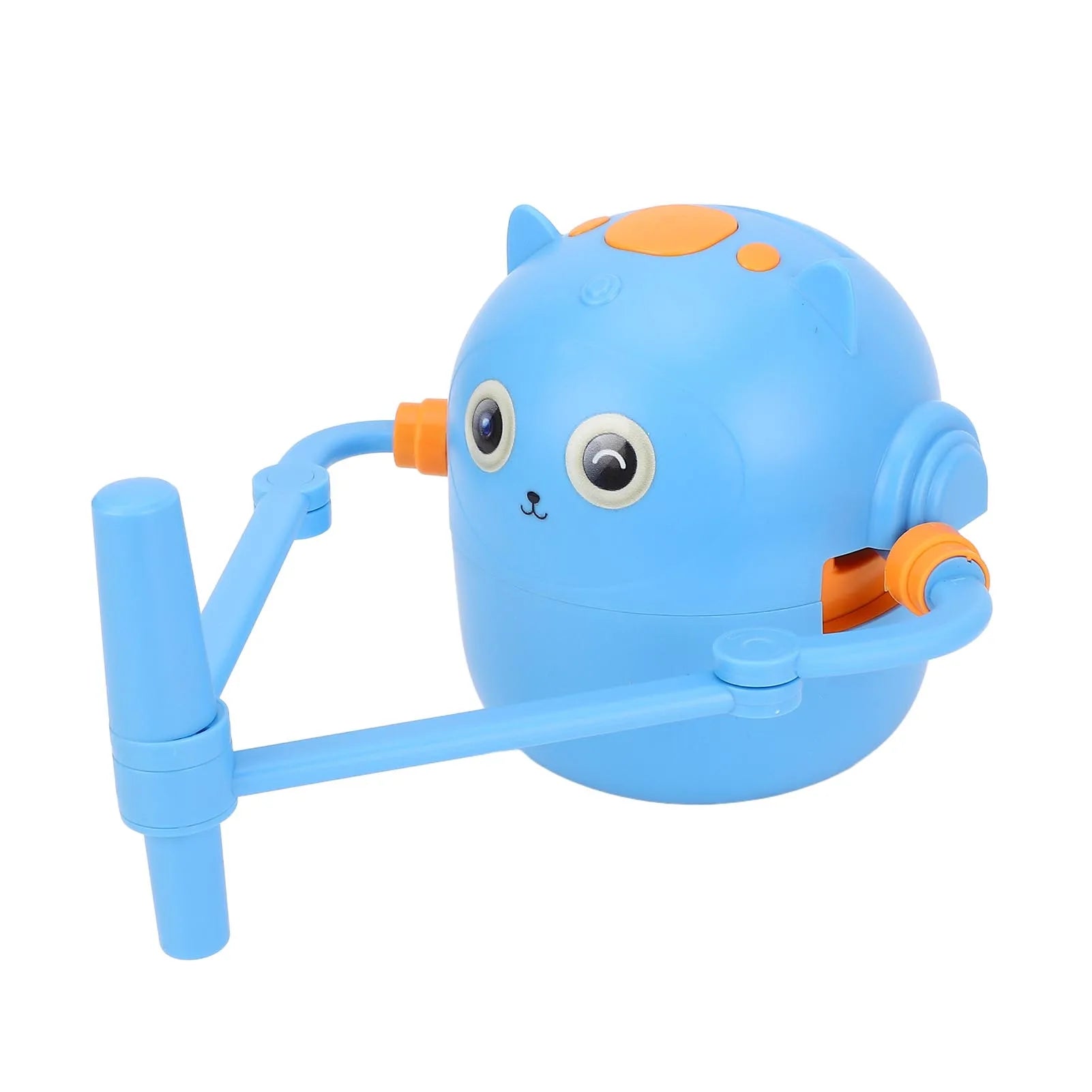
robot educational toy in action – drawing robot vs traditional art learning 💡 See it in action
What Is a Robot Educational Toy and Why Are Parents Switching?
A robot educational toy is a guided learning device that teaches kids how to draw step-by-step using automation and visual cues. It reduces guesswork, builds confidence quickly, and helps toddlers develop coordination and creativity without frustration.
Unlike crayons or blank paper, these toys guide children through structured drawing paths. This means fewer tears, more success moments, and visible improvement in just days.
- ✔ Step-by-step drawing guidance
- ✔ Improves fine motor skills
- ✔ Encourages independent learning
- ✔ Keeps kids engaged longer
Drawing Robot vs Traditional Art Learning: Which One Wins?
| Feature | Robot Educational Toy | Traditional Drawing |
|---|---|---|
| Learning Speed | Fast, guided | Slow, trial-and-error |
| Engagement | High, interactive | Depends on child |
| Confidence Building | Immediate results | Often frustrating |
| Skill Development | Structured growth | Unpredictable |
Traditional drawing still has value, especially for free creativity. But for beginners, especially toddlers, it often leads to frustration.
A robot educational toy bridges that gap by giving children a clear path to follow.
How This Robot Makes Learning Easier for Kids
- Less frustration: Kids don’t feel “stuck” anymore
- Faster improvement: Visible progress boosts motivation
- Cleaner playtime: Less mess, more structure
- Independent learning: Parents get a break
Parents often notice their children going from “I can’t draw” to “Look what I made!” within days.
👉 Learn how to choose smart learning tools from Smart Baby Gadgets
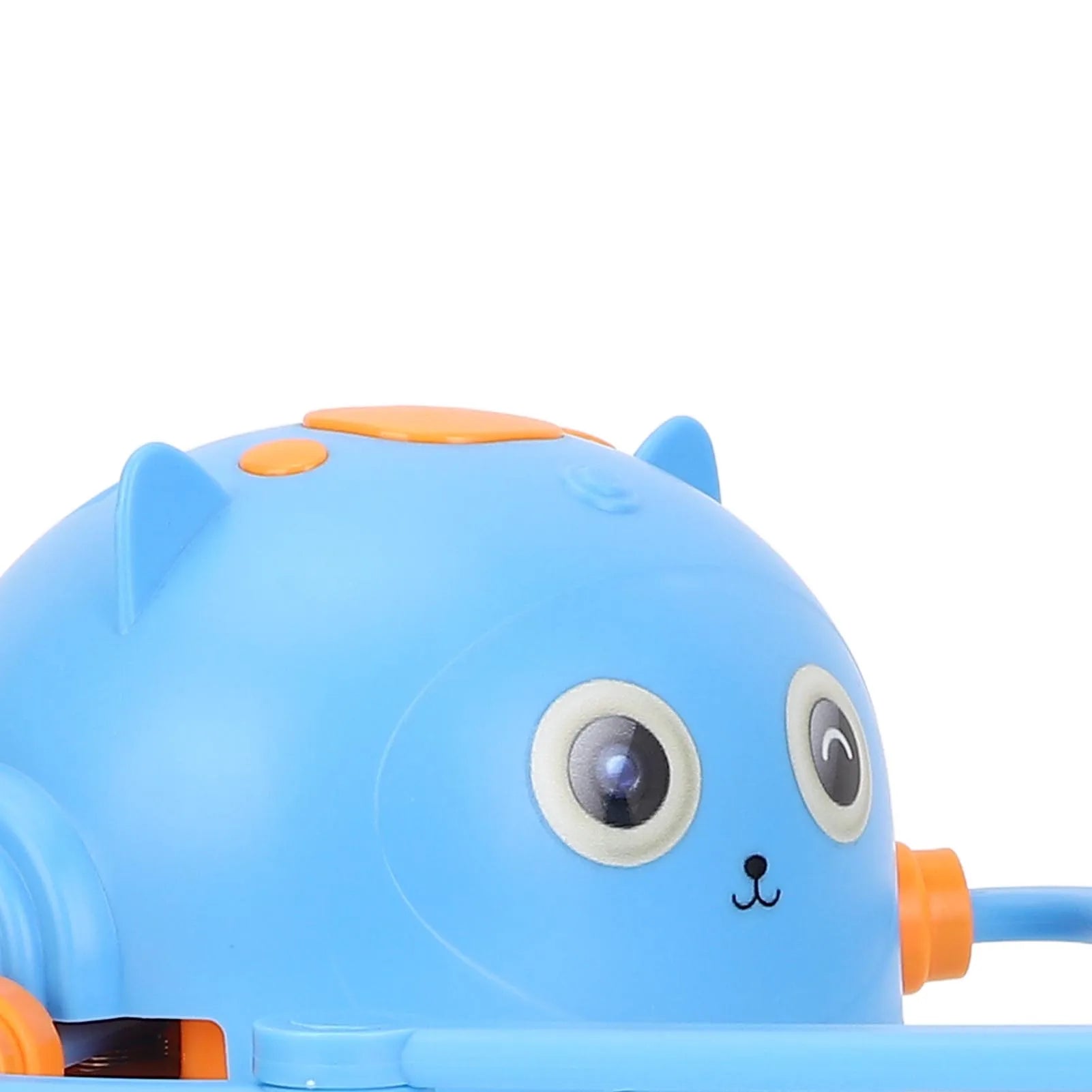
automatic drawing robot toy detailed review in real use 💡 See it in action
Automatic Drawing Robot Toy Detailed Review: What You Actually Get
This robot educational toy stands out because it combines simplicity with effective learning design. It’s not just a toy—it’s a guided skill builder.
Key Features
- Pre-programmed drawing patterns
- Kid-friendly controls
- Safe, durable materials
- Compact and portable design
What Makes It Different
Unlike passive toys, this one actively teaches. Kids follow along, repeat, and improve—without feeling pressured.
👉 Try it here: drawing robot for kids
Real Parent Reviews & Results
“My 4-year-old went from scribbles to actual drawings in a week.”
“It keeps my child busy while actually learning something useful.”
“Finally, a toy that isn’t just noise—it teaches!”
Many parents report:
- ✔ Longer attention spans
- ✔ Increased confidence
- ✔ Reduced screen time
Compared to toys from Sensory Toys, this option focuses more on structured skill-building rather than just stimulation.
Pros and Cons Breakdown
| Pros | Cons |
|---|---|
| Easy to use | Less free-form creativity |
| Fast skill improvement | Requires setup |
| Engaging for kids | Battery or power needed |
| Reduces frustration | Limited designs depending on model |
How to Choose the Right Drawing Toy for Your Child
- Consider your child’s age and skill level
- Look for guided features for beginners
- Check safety and material quality
- Choose toys that balance fun and learning
For younger toddlers, structured tools like this robot are often more effective than open-ended drawing kits.
Final Verdict: Is a Robot Educational Toy Worth It?
If your goal is faster learning, less frustration, and more confidence, a robot educational toy is a strong choice.
Traditional drawing still matters—but starting with guidance helps children enjoy the process instead of giving up.
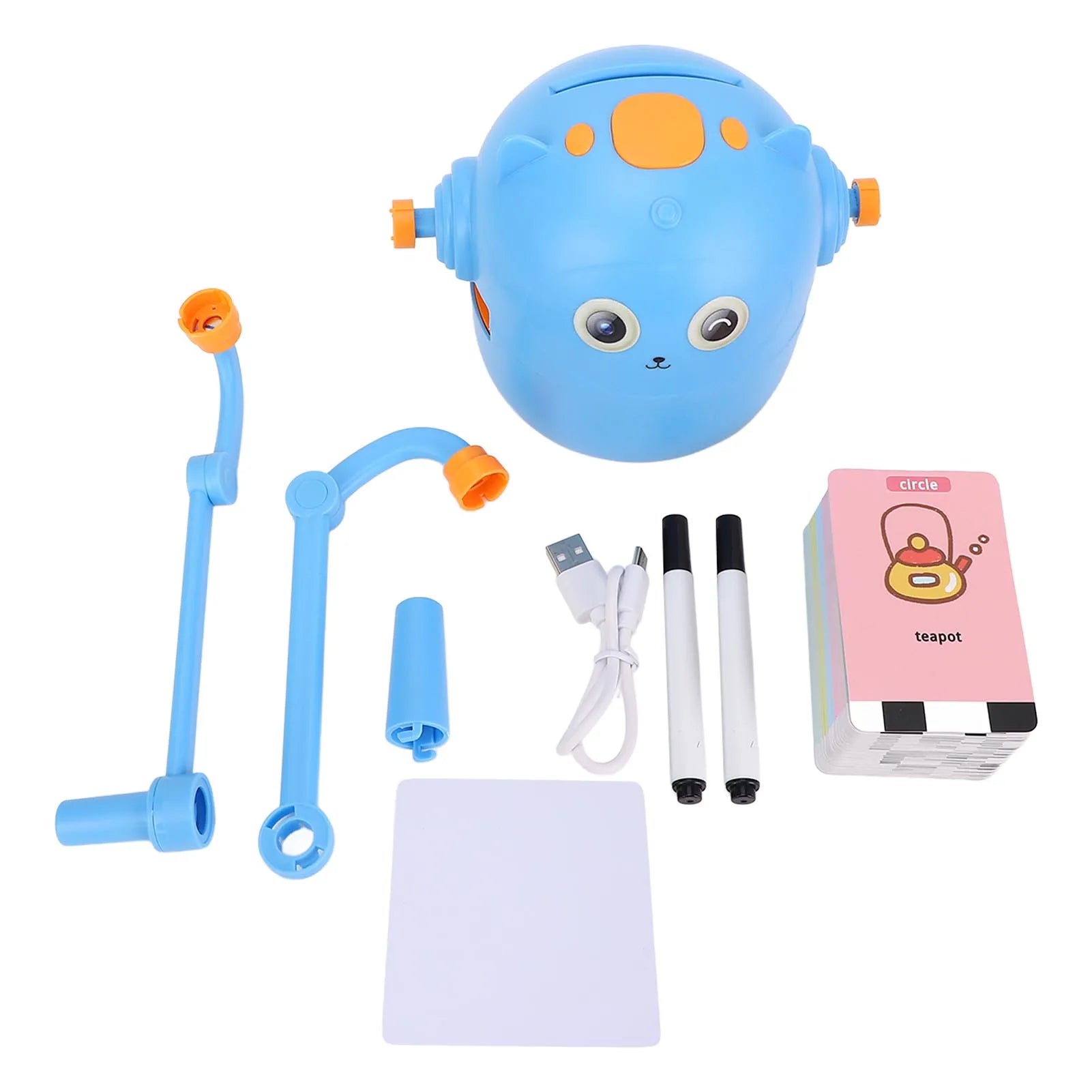
top educational drawing toys for toddlers 💡 See it in action
👉 Get yours now — limited stock! Shop the drawing robot
FAQ
Is a robot educational toy suitable for toddlers?
Yes, most models are designed for young children with simple controls and safe materials, making them ideal for early learning.
Does it replace traditional drawing completely?
No, it complements traditional methods by building confidence first, then encouraging free creativity later.
How quickly will my child see results?
Many parents notice improvement within a few days, especially in confidence and drawing accuracy.
Pillar Article: Robot Drawing Toy Review: Is It Worth It for Kids
Other Related Articles:
Explore More:





