

Drawing Robot Reviews: Which Ones Are Worth Buying?
Drawing Robot Reviews: Best Drawing Robots for Kids Compared
Looking for the best drawing robot for kids ? This drawing robot review compares how these creative learning tools perform for beginners, including drawing accuracy, setup experience, educational value, and overall fun factor. We tested the key features parents care about most to understand whether a robot drawing toy is worth buying for creative play, STEM learning, and screen-free activities.
⏱ 8 min read
Choosing the right creative toy can be challenging. Parents want something that keeps children engaged while also helping them build useful skills. A drawing robot toy combines technology, art, and guided learning to make drawing easier for kids who may feel unsure where to start.
But do drawing robots actually improve creativity, or are they just another toy that gets forgotten?
This guide covers drawing robot reviews , real-world performance, pros and cons, safety considerations, and what to look for before buying one.
Curious about more creative learning tools for children?
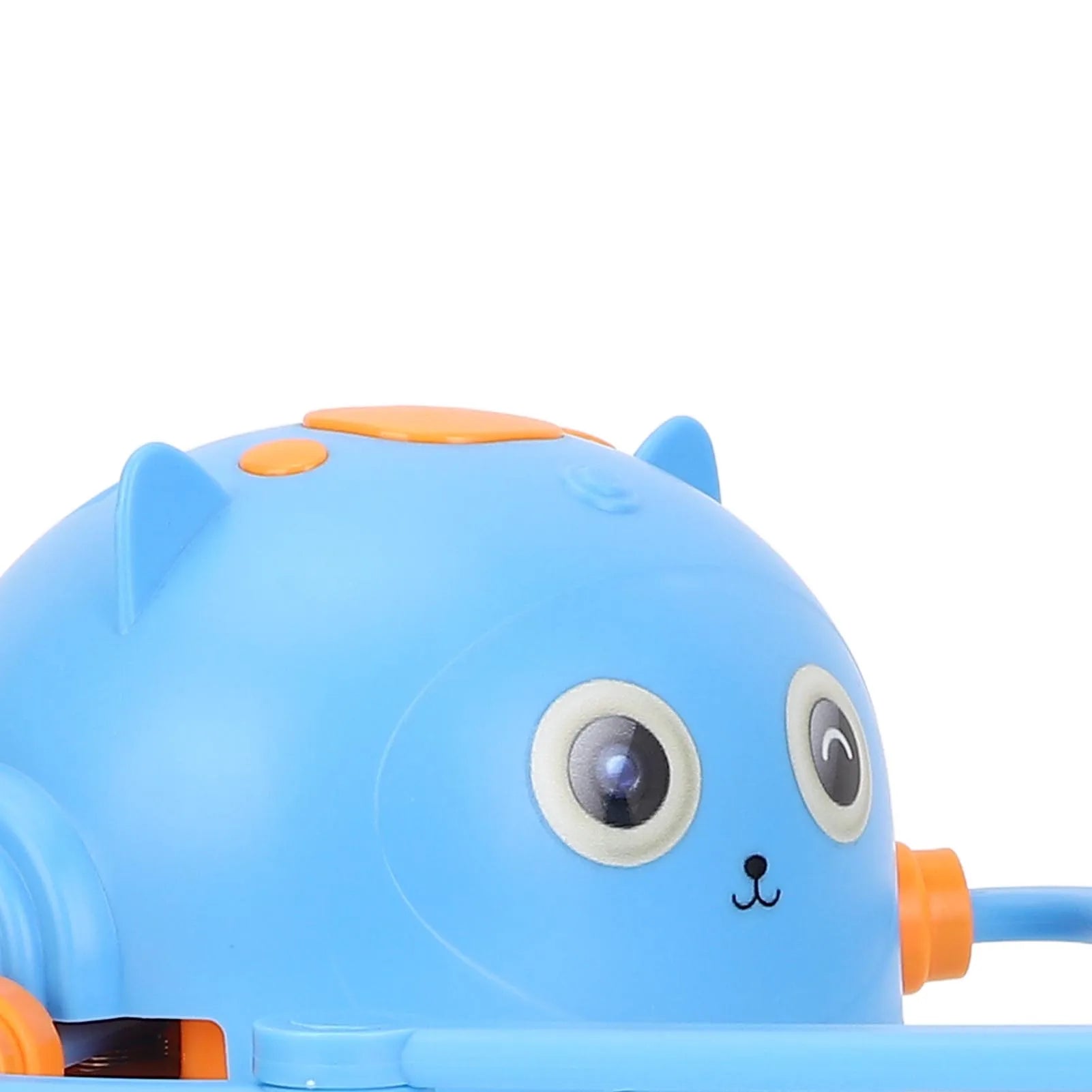
robot drawing toy for kids in action — explore creative learning
Quick Comparison Table
Before choosing a drawing robot for kids, compare the features that matter most for everyday use, learning value, and long-term enjoyment.
| Feature | Drawing Robot for Kids | Traditional Drawing | Best For |
|---|---|---|---|
| Drawing accuracy | Consistent guided drawings | Depends on child's skill | Beginners learning shapes |
| Age range | Usually best for ages 3–8 | Suitable for all ages | Early creative development |
| Power and connectivity | Simple powered operation | No power needed | Interactive learning |
| Learning curve | Fast with guided steps | Requires more practice | Kids who need confidence |
| Value for money | High for structured learning | Low-cost creative option | Parents seeking screen-free play |
How Drawing Robots Work for Kids
A drawing robot for kids works by turning complex drawings into simple, manageable steps. Instead of asking children to create artwork from scratch, it provides guidance that helps them understand shapes, patterns, and drawing sequences.
Key Technologies Explained
- Drawing mechanism: Motors and guided movements help the robot create lines, shapes, or patterns accurately.
- Supported surfaces: Most models work on paper or dedicated drawing areas designed for easy use.
- Simple setup: Beginner-friendly designs focus on quick assembly and easy controls.
- Learning progression: Children start with basic shapes before moving toward more detailed drawings.
This step-by-step approach makes a drawing robot for beginners easier to use compared with traditional drawing methods that require more confidence from the start.
Want a step-by-step creative solution your child will actually use?
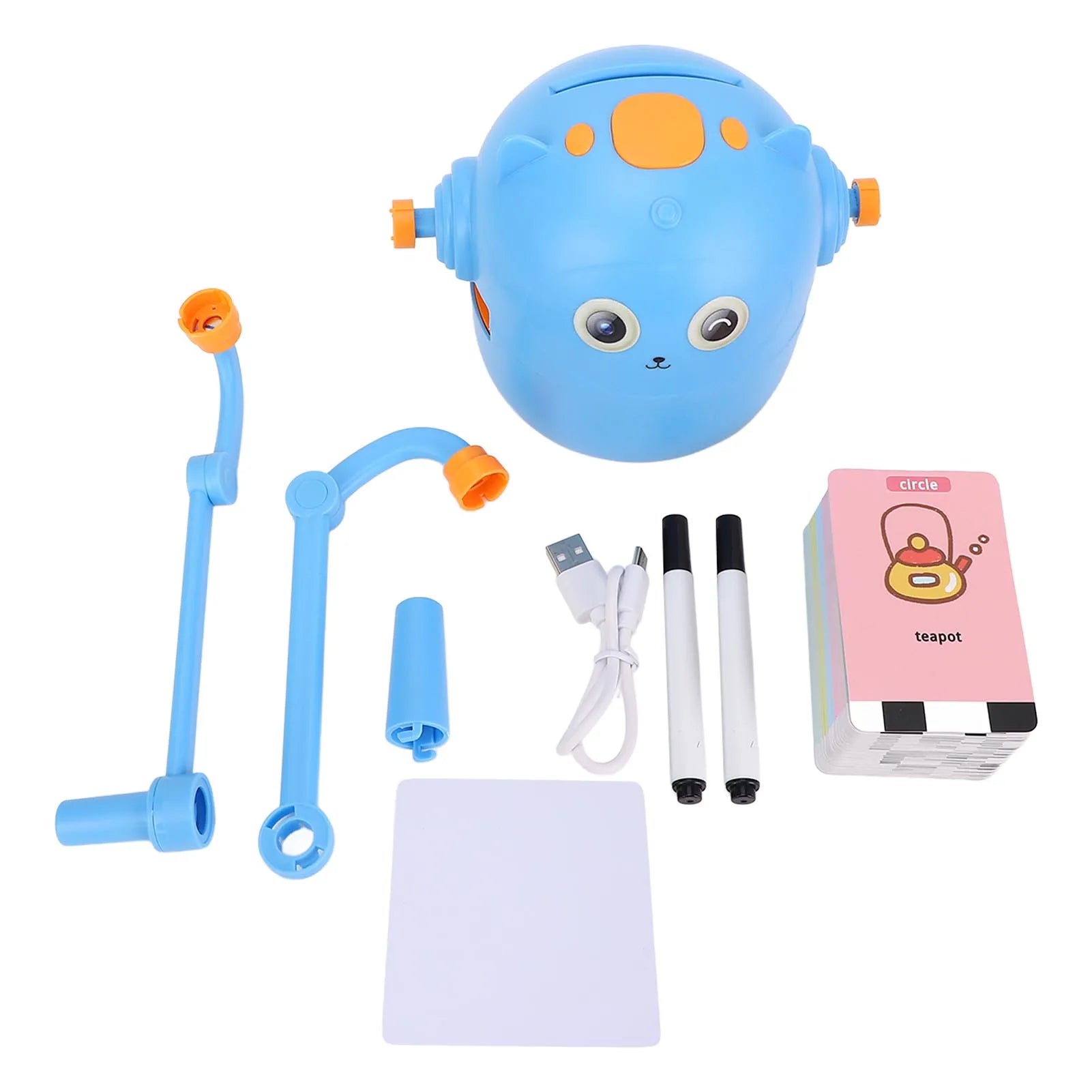
best drawing robot for kids review — see how it teaches step-by-step
Are Drawing Robots Good for Kids?
Yes, drawing robots are good for kids when used as a creative learning tool. Educational drawing robot toys combine art practice with problem-solving, helping children develop skills while enjoying independent play.
Educational Benefits
- Creativity development: Kids learn basic drawing concepts and gain confidence to create their own artwork.
- Fine motor skills: Following drawings and handling materials supports hand-eye coordination.
- STEM learning: Children are introduced to technology, sequencing, and simple engineering concepts.
- Focus improvement: Guided activities encourage children to complete tasks step-by-step.
Age Recommendations
The best age range for a drawing robot is typically around 3–8 years old . Younger children benefit from guided drawing practice, while older children may enjoy experimenting with designs and creative challenges.
Parents exploring Sensory Toys can also consider this type of product as part of a hands-on learning routine.
Best Drawing Robot Reviews
These drawing robot reviews focus on different needs parents have when choosing a creative toy.
Best Overall: Drawing Robot for Kids
Best for: Families looking for balanced creativity, learning, and entertainment.
The drawing robot for kids provides a beginner-friendly experience with guided drawing support. It is designed for children who enjoy creating artwork but may need help getting started.
Highlights:
- Easy learning process
- Encourages independent play
- Suitable for beginner artists
- Combines technology with creativity
Best Budget: Simple Drawing Robot Toys
Best for: Parents looking for an affordable introduction to technology-based drawing.
Budget drawing robots are often simpler but can still provide entertainment and basic drawing practice. They are best for younger children who need short creative activities.
Best for Beginners: Guided Drawing Robots
Best for: Children who say “I can’t draw” or become frustrated easily.
Beginner-focused models reduce pressure by providing clear steps and predictable results, helping children build confidence before moving to free drawing.
Best Educational Choice: STEM Drawing Robots
Best for: Parents who want art combined with technology learning.
Educational drawing robots encourage curiosity about how machines work while supporting creative expression.
Drawing Robot for Kids Pros and Cons
| Pros | Cons |
|---|---|
| Beginner-friendly guided drawing | Limited advanced artwork options |
| Encourages independent creativity | May require initial setup |
| Reduces screen time | Some children may eventually outgrow it |
| Builds confidence quickly | Does not replace free drawing practice |
Value assessment: The advantages usually outweigh the limitations for younger children and beginners who benefit from structured creative activities.
Drawing Quality and Real-World Performance
Drawing robot toy reviews often focus on one important question: how well does it actually draw?
A quality drawing robot should provide consistent lines, reliable movement, and enough variety to keep children interested. While it may not replace professional art tools, it performs well as a learning aid.
- Accuracy: Guided movements create predictable results.
- Consistency: Children can repeat drawings and improve through practice.
- Speed: Most beginner designs prioritize learning over fast completion.
- Limitations: Creativity is still strongest when children combine robot guidance with their own ideas.
Comparison: Drawing Robot vs Traditional Drawing
| Feature | Drawing Robot | Traditional Drawing |
|---|---|---|
| Skill development | Builds confidence through guidance | Develops independent creativity |
| Creativity | Starts structured, becomes flexible | Completely open-ended |
| Convenience | Provides clear instructions | Requires more imagination |
| Best use case | Beginners learning fundamentals | Children with drawing experience |
A drawing robot for kids works best as a starting point, while traditional drawing remains important for long-term artistic growth.
Buying Guide: How to Choose the Best Drawing Robot
Features That Matter
- Age suitability: Choose a design appropriate for your child's skill level.
- Safety: Look for child-friendly materials and secure construction.
- Accessories: Extra templates and drawing tools increase replay value.
- Ease of use: Simple controls help children play independently.
- Price: Balance features with how often your child will use it.
Who Should Buy One
A drawing robot is a strong choice for:
- Children learning basic drawing skills
- Parents seeking screen-free activities
- Families interested in STEM and creative learning
- Kids who need confidence before free drawing
Kids Drawing Robot Safety
Kids drawing robot safety depends on choosing age-appropriate products and using them correctly.
- Materials: Select toys made from durable, child-safe materials.
- Power safety: Check battery compartments and charging instructions.
- Supervision: Younger children should use electronic toys with adult guidance.
- Maintenance: Keep moving parts clean and inspect regularly.
Final Verdict: Is the Best Drawing Robot Worth Buying?
After comparing drawing robot reviews, features, learning benefits, and real-world performance, a drawing robot can be a valuable creative tool for young children.
The best drawing robot helps beginners overcome frustration, practice important skills, and enjoy screen-free entertainment. It is especially useful for children ages 3–8 who need guidance while developing confidence.
Best choice: Families looking for an educational, beginner-friendly art toy will find a drawing robot a worthwhile addition to creative playtime.
Skip it if: Your child already prefers advanced freehand drawing or needs complex artistic tools.
Ready to boost your child’s creativity today?
FAQs
What is the best drawing robot for kids?
The best drawing robot for kids should be easy to use, safe, beginner-friendly, and provide engaging drawing activities that match the child’s age.
Are drawing robots good for kids?
Yes. Drawing robots can support creativity, fine motor skills, focus, and STEM learning when used as part of balanced play.
How do drawing robots work for kids?
Drawing robots guide children through step-by-step drawing processes using programmed movements, templates, or interactive instructions.
What age is a drawing robot suitable for?
Most drawing robots are suitable for children around ages 3–8, although the ideal age depends on the product design and child's abilities.
Is a drawing robot good for beginners?
Yes. Beginners often benefit the most because guided drawing reduces frustration and helps children experience early success.
Are drawing robot toys safe for children?
Most are safe when made with child-friendly materials and used according to manufacturer instructions with appropriate supervision.
Can drawing robots improve drawing skills?
They can help children learn shapes, patterns, and drawing techniques, but they work best alongside traditional creative activities.
What should I look for before buying a drawing robot?
Consider age suitability, safety features, ease of use, accessories, durability, and whether the toy matches your child’s interests.
Related Articles:
- Robot Educational Toy vs Others: Honest Buyer Insights
- Drawing Robot Toy Real Parent Reviews and Results
Pillar Articles:





