

Robots for 3 Year Olds: Best Use Cases for Early Learning
Do robots for 3 year olds really help early learning?
Robots for 3 year olds can support early learning by combining play with guided activities that build motor skills, creativity, and confidence. These tools introduce simple drawing, tracing, and problem-solving tasks that match toddler development, helping children learn step by step while staying engaged and motivated.
Robots for 3 Year Olds: Best Use Cases for Early Learning
Interactive toys for 5 year olds can transform how children learn, play, and express themselves at home. If your kids are bored with traditional art practice, these tools unlock fresh ways to improve kids creativity at home while supporting the best ways to build drawing confidence kids naturally develop over time. From hands-on kits to interactive art learning tools for toddlers, each option blends fun with real skill-building—so what happens when playtime starts shaping lifelong creativity?
⏱ 6 min read
Is your toddler struggling to stay focused during drawing time? Or do they quickly give up, saying “I can’t do it”? You're not alone. Many parents face the challenge of building drawing confidence while keeping learning fun and stress-free.
Which tool actually helps toddlers enjoy drawing without frustration? Read on!
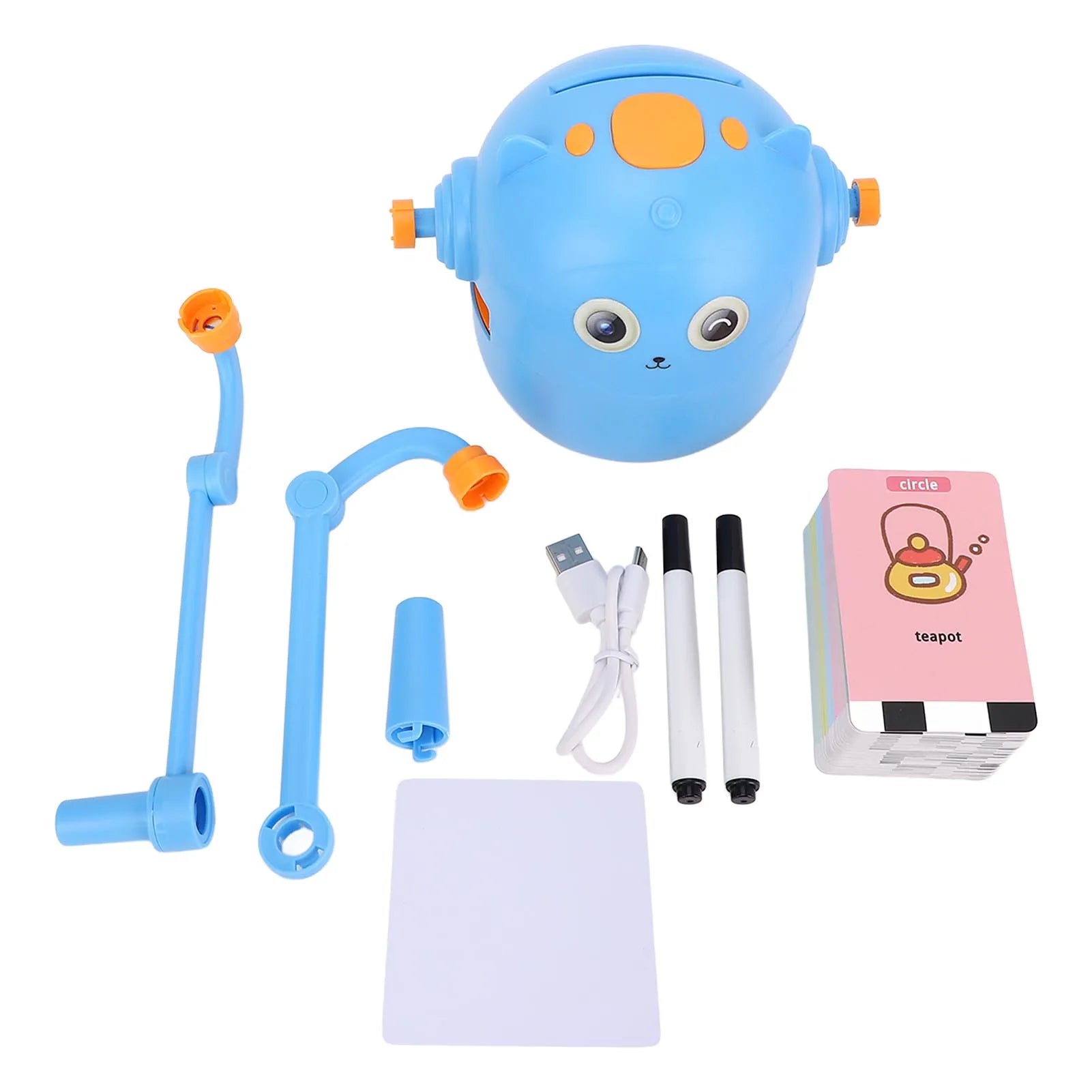
Robots for 3 year olds helping toddler struggles with drawing confidence 💡 See it in action
Why Robots Make Learning Easier for Toddlers
At age three, children are still developing fine motor skills and confidence. Traditional drawing often feels overwhelming.
That’s where robots step in—turning learning into guided play.
- They break drawings into simple, repeatable steps
- They reduce frustration by guiding hand movements
- They keep toddlers engaged longer through interaction
- They build confidence through visible progress
Instead of feeling like a “task,” drawing becomes something your child looks forward to every day.
For more tools that support early development, explore Baby Growth & Learning.
Best Use Cases for Early Learning
1. Building Drawing Confidence from Scratch
If your toddler struggles with drawing confidence, robots provide structured guidance.
They show exactly where to start, what to draw next, and how shapes connect.
Result: Less hesitation, more “I did it!” moments.
2. Encouraging Independent Play
Robots allow toddlers to explore drawing without constant help.
This builds independence while giving parents a short break.
3. Turning Screen Time into Active Learning
Instead of passive watching, kids actively participate—drawing, tracing, and improving.
This creates a healthier balance between digital and hands-on play.
4. Supporting Fine Motor Development
Repeated tracing improves hand control, grip strength, and coordination.
These skills are essential for writing later on.
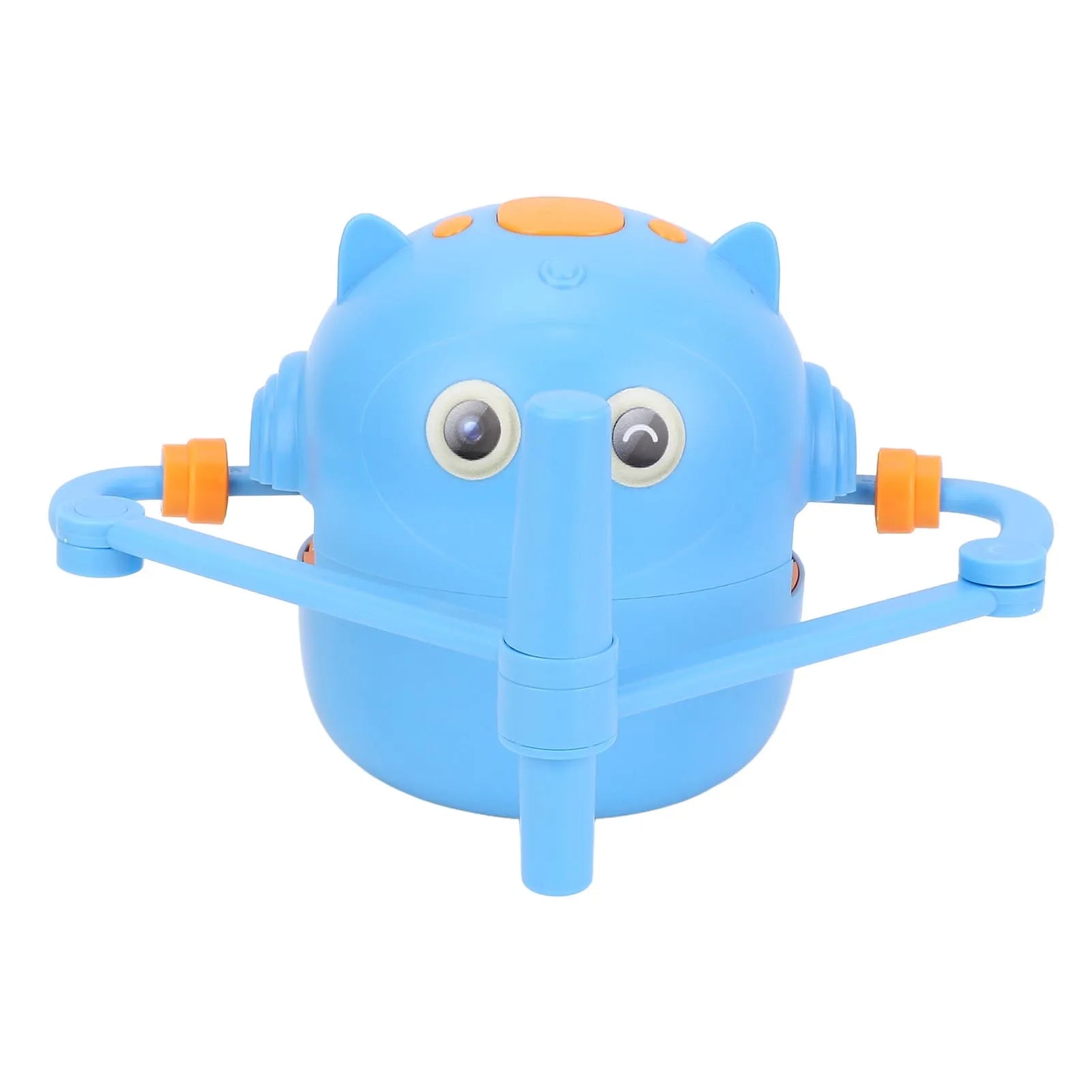
Safe drawing robot toy for toddlers improving creativity 💡 See it in action
How to Teach Toddlers Drawing Step by Step
- Start with simple shapes like circles and lines
- Let the robot demonstrate each step clearly
- Encourage your child to follow along slowly
- Praise effort, not perfection
- Repeat drawings to build muscle memory
This method removes pressure and replaces it with progress.
Pair this with tools from Sensory Toys to enhance engagement through touch and interaction.
How to Choose a Safe Drawing Robot Toy for Toddlers
Not all robots are designed with toddlers in mind. Here’s what matters most:
- Non-toxic materials: Safe for curious hands and mouths
- Rounded edges: Prevent accidental injuries
- Simple controls: Easy for small hands to use
- Age-appropriate content: No overwhelming complexity
Explore more safety-focused tools in Health & Safety.
Comparison: Traditional Drawing vs Robot-Assisted Learning
| Feature | Traditional Drawing | Robot-Assisted Drawing |
|---|---|---|
| Guidance | Limited | Step-by-step support |
| Engagement | Short attention span | Interactive and fun |
| Confidence Building | Slow | Faster visible progress |
| Independence | Requires supervision | Encourages self-learning |
Real Parent Experiences
“My son used to avoid drawing completely.”
After using a guided robot, he now asks to draw every evening.
“It changed our routine.”
Instead of frustration, we now have calm, creative playtime.
“Confidence improved in just a week.”
He proudly shows his drawings to everyone.
These small wins add up to big developmental progress.
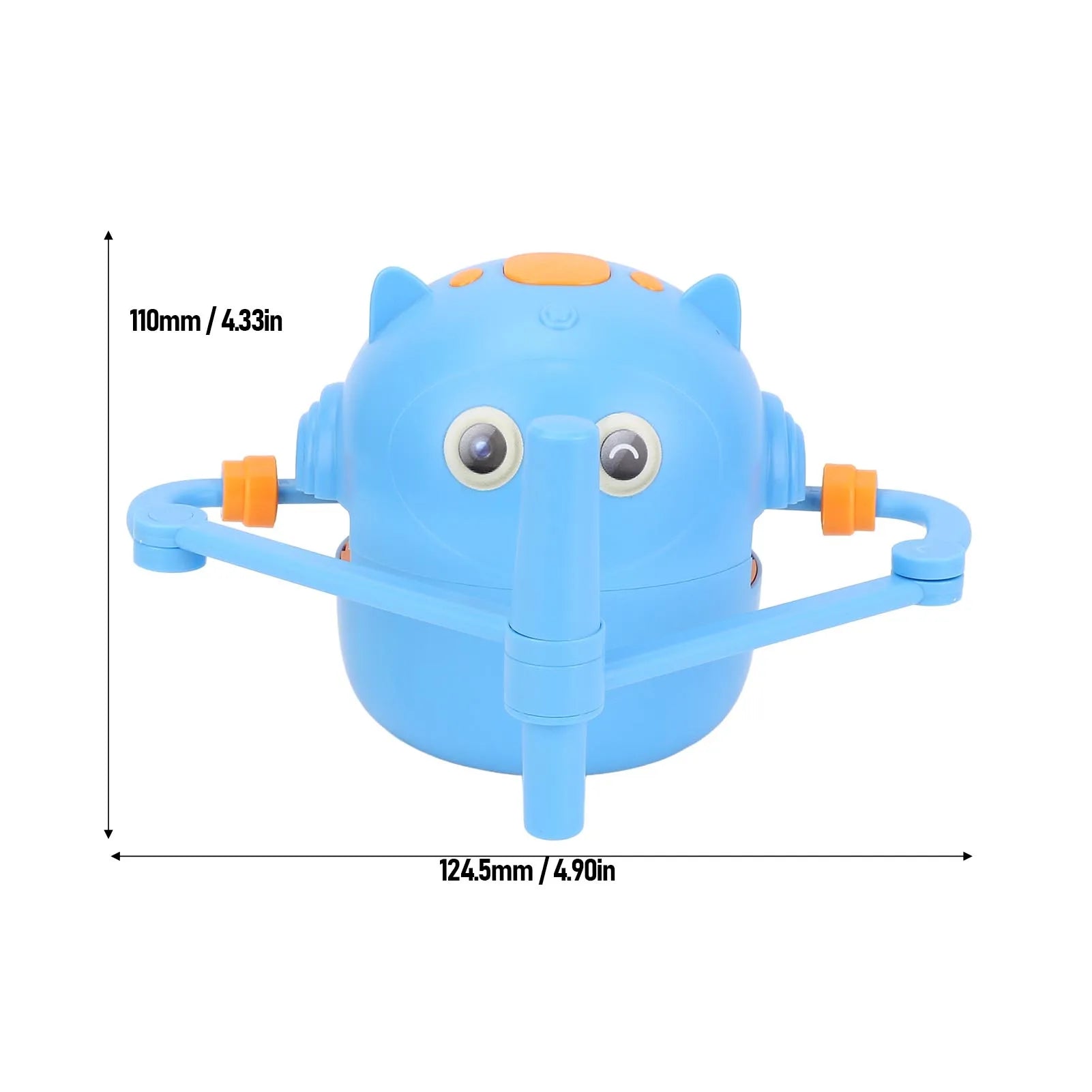
How to teach toddlers drawing step by step with robots 💡 See it in action
FAQs
Are robots for 3 year olds safe?
Yes, when designed for toddlers, they use non-toxic materials, smooth edges, and simple controls. Always choose age-appropriate models built specifically for young children.
Can robots really help with drawing confidence?
Yes. By breaking drawings into simple steps, robots reduce frustration and help children succeed faster, which builds confidence naturally over time.
How often should my toddler use a drawing robot?
Short sessions of 15–20 minutes daily are ideal. Consistent practice helps improve motor skills and keeps learning enjoyable without overwhelming your child.
Pillar Article: Interactive Toys for 5 Year Olds That Fit Every Learning Style
Other Related Articles:
Explore More:





