

Interactive Toys for 5 Year Olds That Fit Every Learning Style
Do interactive toys for 5 year olds really improve creativity and learning?
Interactive toys for 5 year olds boost creativity and confidence by turning play into active learning. They adapt to different learning styles—visual, hands-on, or auditory—helping children stay engaged longer. These tools encourage problem-solving, imagination, and independent thinking, making learning feel fun instead of frustrating.
Interactive Toys for 5 Year Olds That Fit Every Learning Style
Interactive toys for 5 year olds can transform how kids learn, especially when traditional methods fall flat. If your child is among those kids bored with traditional art practice, these tools unlock exciting ways to improve kids creativity at home while supporting the best ways to build drawing confidence kids need. From interactive art learning tools for toddlers to smart play kits, discover options that adapt to every learning style—but which ones truly make a difference?
⏱ 8 min read
Ever notice how your child loses interest the moment you bring out paper and crayons?
You’re not alone. Many parents struggle with kids bored with traditional art practice, especially around age five when curiosity grows faster than attention span.
Which toy actually keeps them engaged while helping them learn? Keep reading—you might find the perfect match for your child’s learning style.
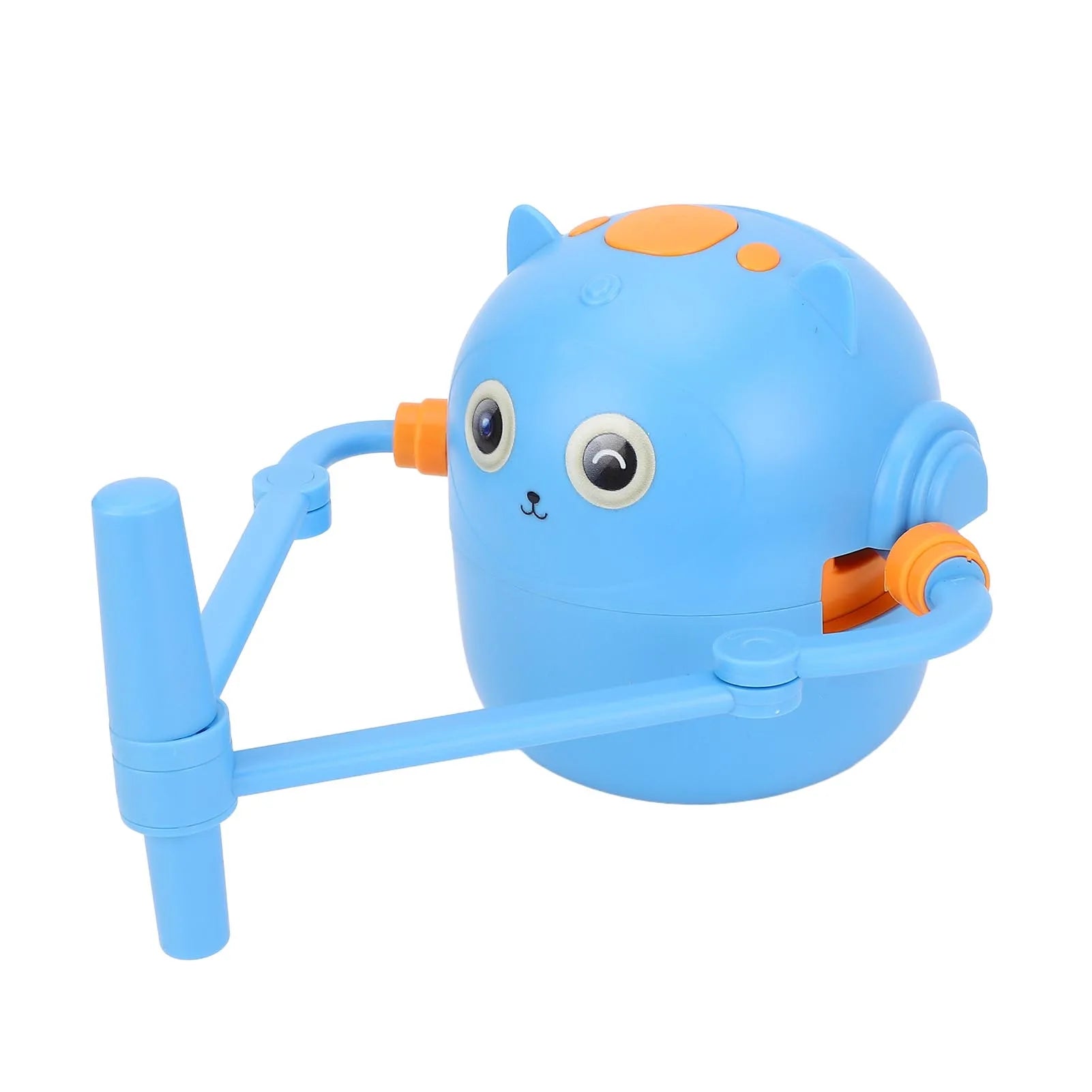
interactive toys for 5 year olds that boost creativity at home 💡 See it in action
Why Interactive Toys Matter More Than Ever for Creative Growth
Children today are surrounded by passive entertainment—screens, videos, and instant content. While convenient, these rarely build creativity.
Interactive toys change that.
- Encourage active thinking instead of passive watching
- Build confidence through trial and error
- Adapt to different learning speeds
- Turn frustration into curiosity
For parents exploring Baby Growth & Learning, these toys bridge the gap between play and meaningful development.
How Interactive Toys Match Every Learning Style
Every child learns differently—and that’s where most traditional toys fall short.
- Visual learners: Need colors, shapes, and visual feedback
- Kinesthetic learners: Learn by touching and doing
- Auditory learners: Respond to sound and instructions
The best interactive toys for 5 year olds combine all three.
Visual Learners: Build Drawing Confidence Naturally
If your child loves watching videos but avoids drawing, they may be visual learners.
Common struggles include:
- Fear of making mistakes
- Lack of step-by-step guidance
- Low confidence in drawing skills
Best ways to build drawing confidence kids need:
- Provide guided drawing experiences
- Use tools that show progress step-by-step
- Celebrate small wins instead of perfection
- Encourage repetition without pressure
This is where interactive drawing tools shine—they guide, correct, and inspire all at once.
Hands-On Learners: Learning Through Movement and Play
Does your child constantly move, touch, and explore? Sitting still may not work for them.
These kids benefit from:
- Physical interaction
- Building and assembling
- Trial-and-error learning
Interactive toys that involve movement help channel energy into creativity instead of frustration.
Explore options in Mobility & Training for active learning support.
Auditory Learners: Learning Through Sound and Feedback
Some children learn best when they hear instructions or feedback.
These toys often include:
- Voice prompts
- Sound-based rewards
- Interactive storytelling
They’re especially useful for kids who struggle with silent, independent tasks.
A Smarter Way to Combine All Learning Styles
Interactive toys for 5 year olds work best when they don’t force a single method.
That’s why smart tools like guided drawing robots are gaining attention.
Why they stand out:
- Combine visual, auditory, and hands-on learning
- Provide structured guidance without pressure
- Turn drawing into a fun, repeatable activity
- Reduce frustration for kids bored with traditional art practice
One parent shared:
"My son used to quit drawing after two minutes. Now he finishes full sketches and asks for more."
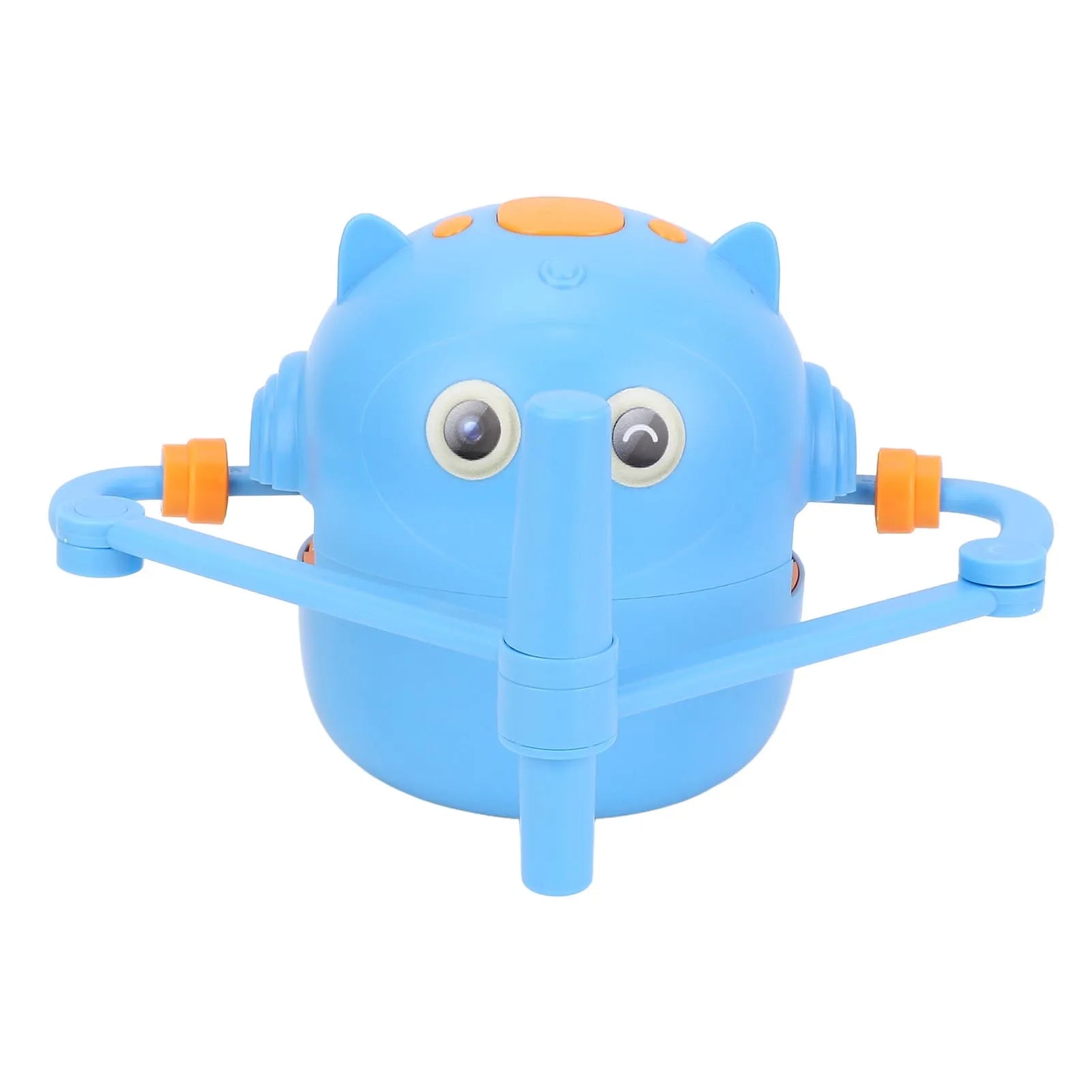
best ways to build drawing confidence kids need with smart tools 💡 See it in action
Comparison: Which Interactive Toy Type Fits Your Child Best?
| Toy Type | Best For | Benefits | Limitations |
|---|---|---|---|
| Drawing Robots | Visual + Hands-on learners | Guided creativity, builds confidence | Requires setup |
| Sensory Kits | Kinesthetic learners | Touch-based exploration | Can be messy |
| Audio Learning Toys | Auditory learners | Voice guidance | Less visual engagement |
| DIY Craft Kits | Creative thinkers | Encourages imagination | May lack guidance |
Browse more creative options in Sensory Toys to expand your child’s playtime experience.
How to Choose the Right Interactive Toy for Your Child
-
Identify your child’s learning style
Watch how they play—do they prefer watching, touching, or listening? -
Look for guided interaction
Tools that guide without controlling help build independence. -
Prioritize engagement over complexity
Simple but interactive beats complicated and confusing. -
Choose toys that grow with your child
Adaptability ensures long-term use.
For parents focused on development and safety, explore Health & Safety essentials alongside play tools.
Real Parent Experiences: What Actually Works
Case 1: The reluctant artist
A 5-year-old refused to draw. After introducing a guided drawing toy, he began completing daily sketches within a week.
Case 2: The hyperactive learner
A child who couldn’t sit still stayed engaged for 20+ minutes using interactive art tools.
Case 3: The perfectionist
A child afraid of mistakes gained confidence through step-by-step drawing guidance.
These stories highlight one thing: the right tool can completely change how a child learns.
Why This Approach Works Better Than Traditional Methods
- Removes pressure to be perfect
- Encourages exploration instead of repetition
- Builds confidence through guided success
- Keeps kids engaged longer
Parents often combine these tools with resources from Baby Growth & Learning to create a well-rounded development routine.
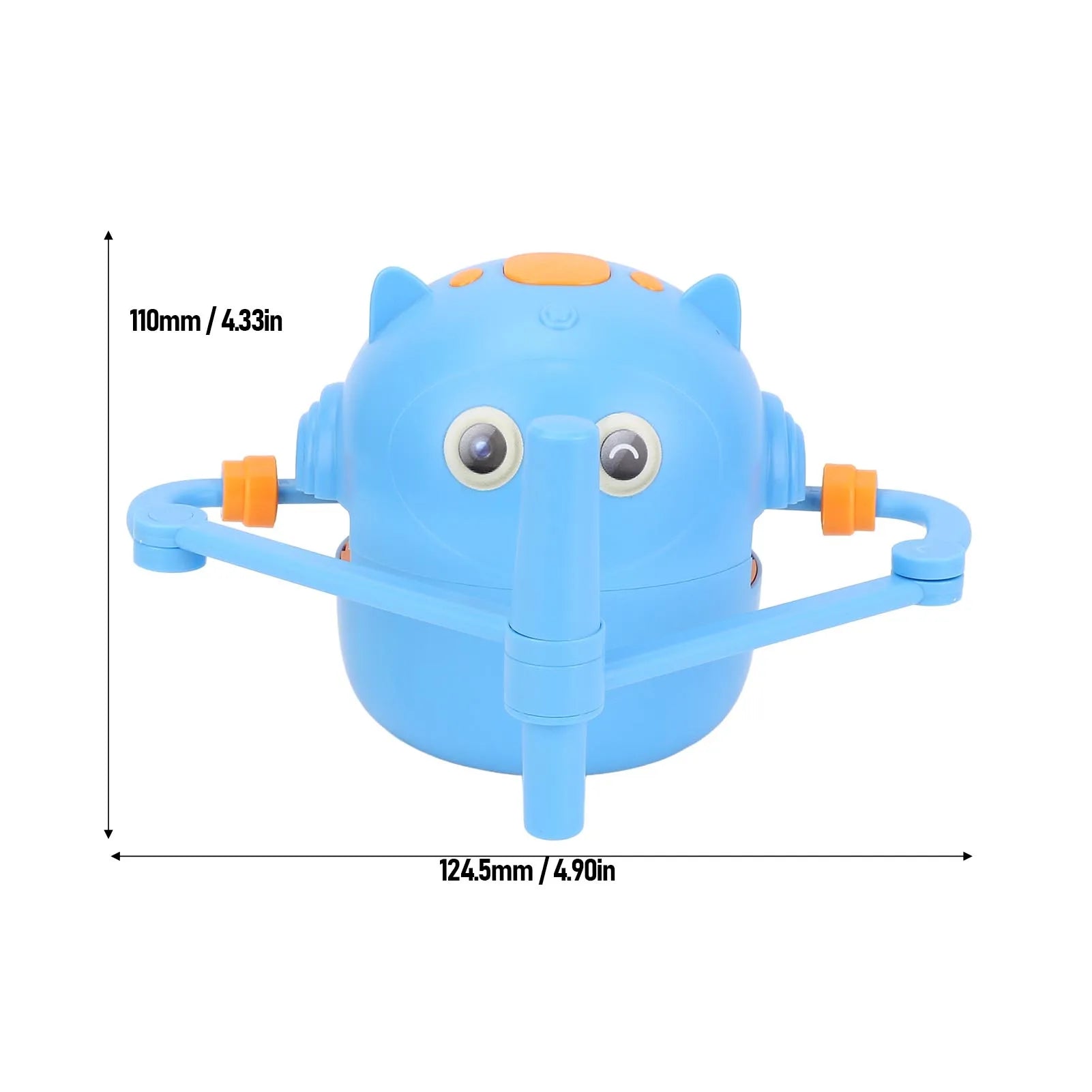
interactive art learning tools for toddlers that spark creativity 💡 See it in action
Final Thoughts: Make Learning Feel Like Play
When kids enjoy the process, they learn faster and retain more.
Interactive toys for 5 year olds aren’t just about fun—they’re about unlocking potential.
Instead of forcing traditional methods, meet your child where they are.
FAQs
What are the best interactive toys for 5 year olds?
The best options combine visual, hands-on, and guided learning elements. Tools like drawing robots, sensory kits, and interactive art sets work well because they adapt to different learning styles and keep children engaged longer.
How can I improve my child’s creativity at home?
Focus on play-based learning. Provide tools that encourage exploration, allow mistakes, and offer guidance. Interactive toys are one of the most effective ways to improve kids creativity at home without adding pressure.
Why is my child bored with traditional art practice?
Traditional methods often lack engagement and feedback. Many kids need interactive guidance to stay interested. Switching to dynamic tools helps maintain attention and builds confidence.
Related Articles:
- Interactive Toys for 4 Year Olds: Which Kids Benefit Most
- Robots for 3 Year Olds: Best Use Cases for Early Learning
Pillar Articles:





