

Do I need to sterilize bottles every time?
Do i need to sterilize bottles every time is a common concern for parents. In most homes, thorough washing with hot water and soap is enough after the newborn stage. Daily sterilizing is helpful in early weeks, during illness, or when using methods like sterilizing bottles dishwasher cycles or steaming bottles sterilization correctly.
Do I Need to Sterilize Bottles Every Time? Expert Advice for Parents
⏱ 7 min read
Feeding your baby should feel reassuring, not overwhelming. Many parents worry they might be doing too much—or not enough—when it comes to bottle hygiene. If you’ve ever stared at a sink full of bottles at 2 a.m. wondering what’s truly necessary, you’re not alone. Let’s walk through what really keeps your baby safe while protecting your time and sanity.
Why parents keep asking about bottle sterilizing
New parents are flooded with advice. Some say sterilize everything. Others say soap and water is enough. Add sleep deprivation and fear of germs, and it’s easy to overdo routines that add stress without real benefit.
Explore practical options designed for everyday parenting in Feeding & Nursing.
Do i need to sterilize bottles every time? Understanding everyday routines makes feeding calmer 💡 See it in action
Do I need to sterilize bottles every time?
Do i need to sterilize bottles every time depends on your baby’s age and health. For healthy babies older than three months, washing bottles thoroughly after each use is usually enough. Sterilizing is still recommended for newborns, premature babies, or when bottles haven’t been cleaned promptly.
Think of sterilizing as extra protection in specific moments, not a rule you must follow forever. This balanced approach keeps feeding safe without adding unnecessary work.
When sterilizing is strongly recommended
- During the first 2–3 months of life
- If your baby was born prematurely
- After illness or stomach bugs
- When traveling or using untreated water
Is sterilizing bottles in the dishwasher safe?
Sterilizing bottles dishwasher cycles can be effective when done correctly. A dishwasher that reaches high temperatures and includes a heated dry cycle can eliminate most harmful bacteria.
- Place bottles on the top rack
- Use a hot water cycle (at least 160°F)
- Ensure bottles are dishwasher-safe
For many families, this method saves time and reduces clutter, especially when paired with organized storage from Baby Hygiene Gadgets.
How steaming bottles sterilization fits busy routines
Steaming bottles sterilization uses heat and steam to kill germs without chemicals. Countertop steamers and microwave options are popular because they work fast and fit into tight schedules.
Steaming bottles sterilization offers fast peace of mind 💡 See it in action
Why parents love steaming
- Usually takes under 10 minutes
- No chemical residue
- Compact and travel-friendly
- Easy to combine with nighttime feeding prep
Many steamers pair naturally with tools found in Sterilization Devices, creating a smoother feeding workflow.
Best way to sterilize glass bottles
The best way to sterilize glass bottles is boiling or steaming. Glass tolerates heat well and doesn’t warp, making it ideal for parents who want durability and simple cleaning.
- Wash bottles thoroughly with soap and water
- Submerge fully in boiling water for 5 minutes or use steam
- Air dry on a clean rack
Parents who prefer glass often appreciate how easy it is to combine sterilizing with warming, especially when using tools from Bottle Warmers.
A realistic daily bottle hygiene routine
Which feeding routine fits your life right now? The safest routine is one you can maintain without exhaustion.
- Newborn stage: Wash after each use, sterilize daily
- 3–6 months: Wash thoroughly, sterilize every few days
- 6+ months: Wash with hot water; sterilize as needed
Supportive tools from Health & Safety collections help reduce guesswork while keeping standards high.
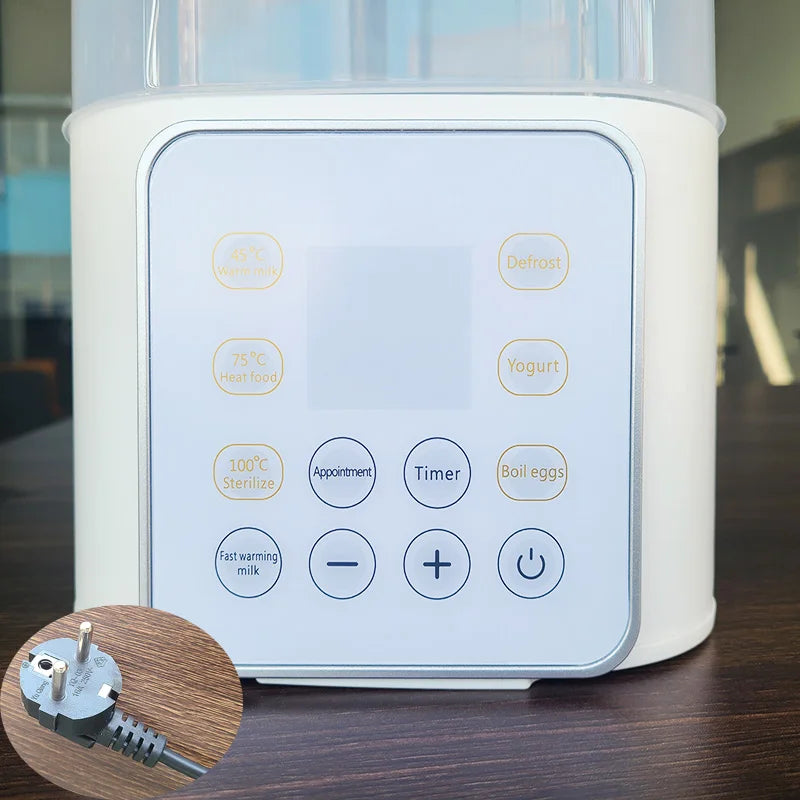
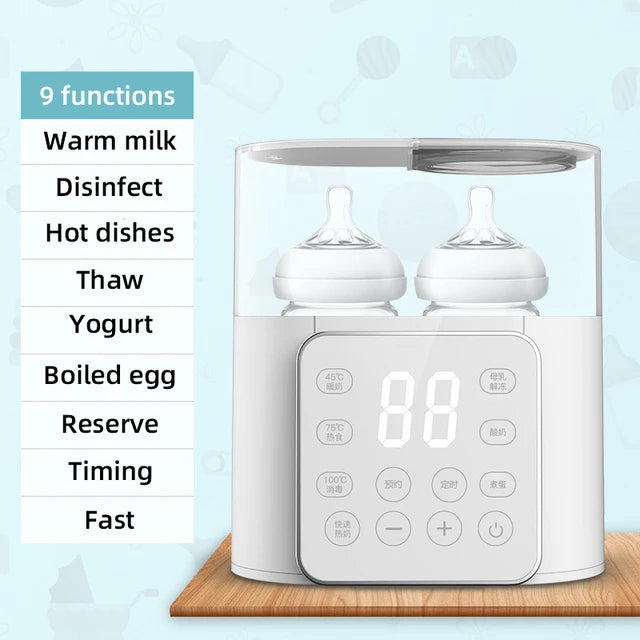
Discover supportive solutions that simplify prep and warming with our multi-function bottle warmer.
Comparing common sterilization methods
| Method | Speed | Best for | Effort level |
|---|---|---|---|
| Boiling | Slow | Glass bottles | High |
| Dishwasher | Medium | Daily loads | Low |
| Steaming | Fast | Busy parents | Low |
Parents often share that switching to a faster method cut prep time nearly in half while keeping routines consistent.
Choosing the right routine answers do i need to sterilize bottles every time 💡 See it in action
How smart tools support safer feeding
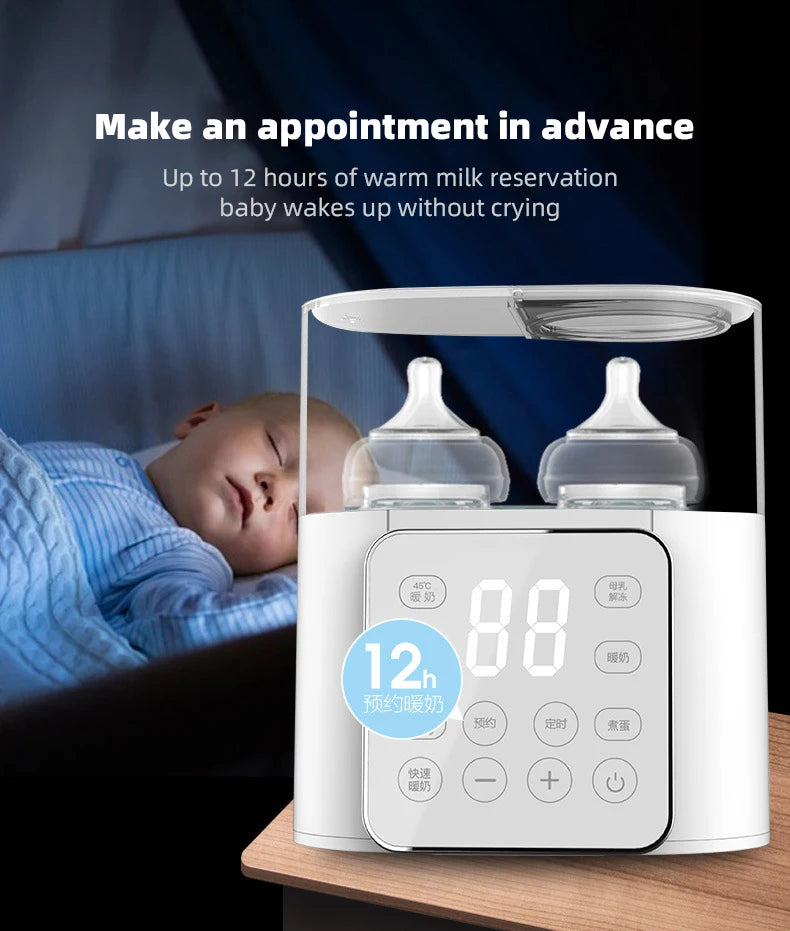
Modern parents often combine sterilizing and warming into one streamlined flow. A multi-function warmer reduces counter clutter and helps maintain consistent temperatures without reheating guesswork.
Families report smoother night feeds, fewer spills, and more confidence when everything works together—especially when paired with thoughtful picks from Baby Care Essentials.
Many parents choose the multi-function bottle warmer to simplify daily routines.
Quick answers parents ask most
Do I need to sterilize bottles every time for a healthy baby?
No. After the newborn stage, thorough washing is usually enough. Sterilize during illness or special circumstances.
Can I rely only on the dishwasher?
Yes, if it reaches high temperatures and bottles are placed correctly. It’s a practical everyday option.
Is steaming safer than boiling?
Both are effective. Steaming is faster and easier for daily use, while boiling works well for glass bottles.
Pillar Article: How to Sterilize Bottles in Microwave: Best Practices for Busy Parents
Other Related Articles:
Explore More:





