

How do you safely warm milk in a microwave for a newborn?
The safest way to warm milk in a microwave is to use a microwave-safe container, heat in short low-power intervals, stir or swirl thoroughly, and test the temperature before serving. For breast milk, however, health experts recommend avoiding the microwave altogether because uneven heating can create dangerous hot spots and may reduce some beneficial components. A bottle warmer or warm water bath is the safer option for infant feeding.
How to Warm Milk in Microwave: Safe Techniques for Newborn Feeding
⏱ 6 min read
Late-night feedings can leave any parent searching for the fastest solution. If you're wondering how to warm milk in microwave safely, you're not alone. While microwaving regular milk is simple when done correctly, warming milk for a newborn requires extra care because uneven heating can create hot spots that may burn your baby's mouth. This guide explains when microwave warming is appropriate, when it isn't, and how to do it as safely as possible.
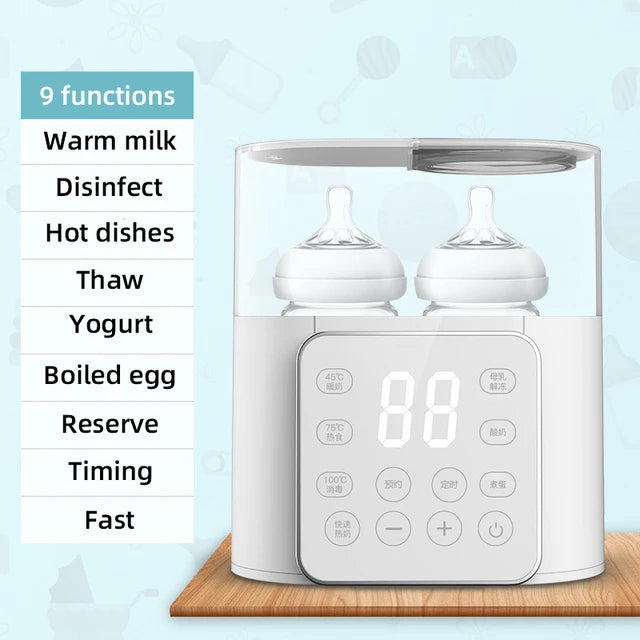
How to warm milk in microwave safely for newborn feeding. See it in action.
How to Warm Milk in the Microwave Safely
Knowing how to warm milk in the microwave correctly helps reduce the risk of overheating and uneven heating. Whether you're warming regular milk or preparing a bottle, the goal is to reach a comfortable serving temperature rather than making the milk hot.
Step 1: Choose a microwave-safe container
Always transfer milk into a microwave-safe glass or BPA-free container if needed. Remove bottle caps, nipples, or tightly sealed lids before heating to prevent pressure buildup.
Instead of heating continuously, use the microwave's low or medium power setting and warm the milk in short bursts.
- 600–700W: Heat for 10–15 seconds.
- 800–1000W: Heat for 8–10 seconds.
- Over 1000W: Heat for 5–8 seconds before checking.
If additional warming is needed, repeat in short intervals rather than using one long heating cycle.
Step 3: Stir thoroughly to eliminate hot spots
One of the biggest challenges when warming milk in microwave ovens is uneven heating. Swirl bottles gently or stir milk thoroughly so warmer areas mix with cooler portions before checking the temperature.
Step 4: Test the temperature before serving
Place a few drops on the inside of your wrist. The milk should feel comfortably warm—approximately body temperature—not hot. Never assume the bottle is safe simply because the outside feels cool.
Recommended Heating Times and Temperatures
Heating time depends on the quantity of milk, the container, and your microwave's power. These guidelines help prevent overheating.
| Milk Amount | Suggested Heating Time* | Target Temperature |
|---|---|---|
| 2 oz (60 ml) | 8–10 seconds | Body temperature (around 98°F / 37°C) |
| 4 oz (120 ml) | 10–15 seconds | Warm, not hot |
| 8 oz (240 ml) | 20–30 seconds, checking halfway | Suitable for drinking |
*Heating times vary depending on microwave wattage and container type. Always stir thoroughly and check the temperature before serving.
For recipes such as hot chocolate or oatmeal, milk may be warmed slightly more, but it should never reach a vigorous boil unless the recipe specifically requires it.
Why Stirring and Temperature Testing Matter
Many people ask, " Is it safe to microwave milk? " The answer depends largely on what happens after heating. Microwaves heat liquids unevenly, meaning one area may become much hotter than another.
- Stirring distributes heat evenly.
- Swirling helps eliminate hidden hot spots inside bottles.
- Temperature testing reduces the risk of burns.
- Checking every time creates a safer feeding routine.
Families exploring Health & Safety resources often prioritize consistent temperature control for this reason.
Can You Microwave Breast Milk or Formula?
The recommendations differ depending on the type of milk being warmed.
Why breast milk should not be microwaved
Most pediatric organizations recommend not microwaving breast milk . While some parents may occasionally do so in emergencies, microwaving breast milk can create dangerous hot spots and may reduce some of the milk's protective properties.
If possible, thaw or warm breast milk by placing the bottle in warm water or using a dedicated bottle warmer.
Formula warming guidance
Prepared infant formula can be warmed, but the same precautions apply. Use low power, short heating intervals, stir thoroughly, and always test the temperature before feeding your baby.
Safer alternatives for infant feeding
- Use a bottle warmer for consistent heating.
- Place the bottle in warm (not boiling) water.
- Avoid reheating the same bottle multiple times.
- Discard leftover milk after a feeding according to your healthcare provider's recommendations.
Many parents combine these methods with products from Breastfeeding Aids for greater convenience.
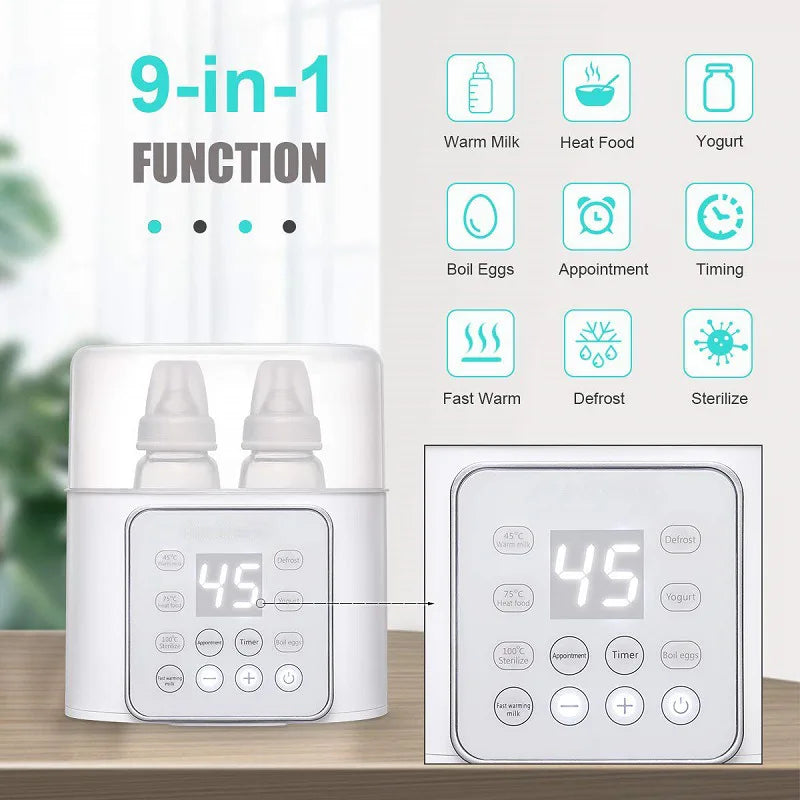
Avoiding overheating while warming milk for infant feeding. See it in action.
Microwave vs Stovetop vs Bottle Warmer
Each warming method has advantages depending on your priorities.
| Method | Advantages | Considerations |
|---|---|---|
| Microwave | Fast and convenient | Requires careful stirring and temperature testing |
| Stovetop (warm water bath) | Gentle, even warming | Takes longer |
| Bottle Warmer | Consistent temperature, easy to use | Requires dedicated equipment |
Many families browsing Bottle Warmers choose them for everyday feedings while keeping microwave warming as an occasional backup.
Common Mistakes to Avoid
- Heating milk for long periods instead of using short intervals.
- Skipping the stirring or swirling step.
- Using containers that are not microwave safe.
- Assuming the bottle's exterior reflects the milk temperature.
- Reheating the same bottle repeatedly.
- Boiling milk unnecessarily.
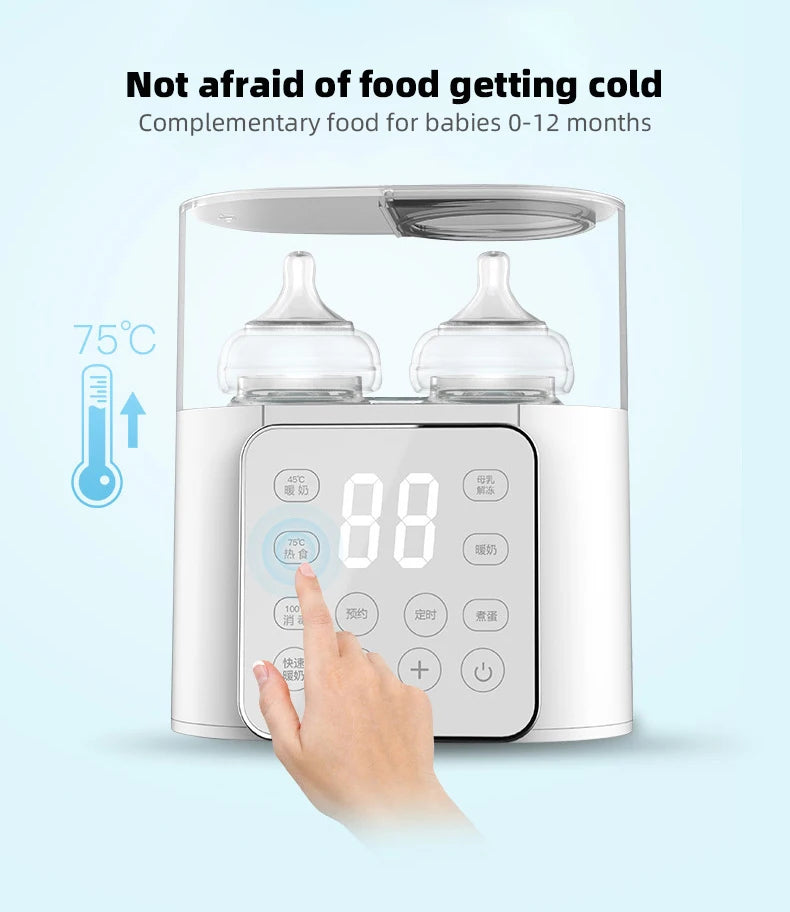
How to warm milk in microwave with confidence and safety. See it in action.
Frequently Asked Questions
Can you warm milk in the microwave without overheating it?
Yes. Use low power, heat in short intervals, stir thoroughly, and test the temperature before serving.
How long should milk be microwaved for different amounts?
Small quantities often require only 8–15 seconds, while larger amounts may need 20–30 seconds. Exact timing depends on your microwave's wattage, so always check after each interval.
Is it safe to microwave regular milk?
Yes. Regular drinking milk can be safely warmed in the microwave when heated gradually and stirred well before drinking.
Why should breast milk not be microwaved?
Microwaving breast milk may create uneven hot spots and can reduce some beneficial components. A warm water bath or bottle warmer is generally recommended instead.
Can infant formula be warmed in a microwave?
Formula can be warmed carefully using short heating intervals, but the bottle must be mixed thoroughly and tested before feeding.
Should you stir milk after microwaving?
Absolutely. Stirring or swirling helps distribute heat evenly and minimizes dangerous hot spots.
What temperature should warmed milk reach?
For babies, milk should feel close to body temperature—comfortably warm, never hot.
Can microwaved milk be reheated again?
Repeated reheating is not recommended, especially for infant feeding, because it may affect quality and increase safety concerns.
Pillar Article: How to Sterilize Bottles in Microwave: Best Practices for Busy Parents
Other Related Articles:
Explore More:





