

How do you sterilize baby bottles safely in a microwave?
How to sterilize bottles in microwave starts with thoroughly washing every bottle, nipple, collar, and cap. Place the clean, disassembled parts into a microwave-safe steam sterilizer, sterilizer bag, or microwave-safe container with the recommended amount of water. Heat according to the manufacturer's instructions or your microwave's wattage, then allow the items to cool before removing them. Steam sterilization can eliminate up to 99.9% of common germs when performed correctly, making it a fast, chemical-free option for daily bottle care.
How to Sterilize Bottles in Microwave: Best Practices for Busy Parents
⏱ 7 min read
How to sterilize bottles in microwave is one of the quickest ways to keep feeding equipment hygienic without adding extra work to your routine. Whether you're preparing bottles for a newborn or cleaning breast pump accessories, microwave steam sterilization offers a reliable solution when you follow the correct steps.
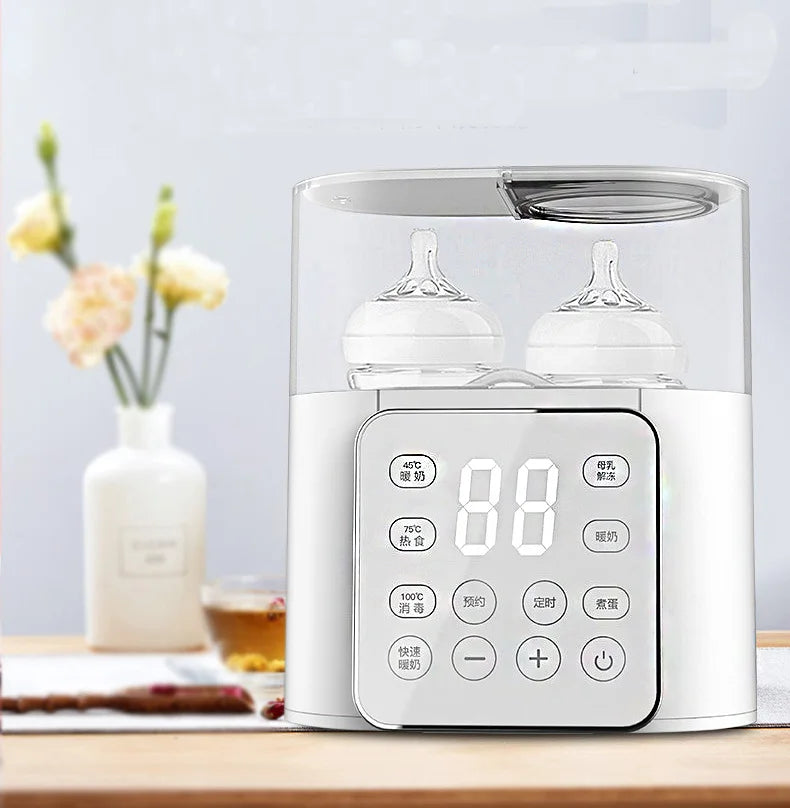
Steam sterilization method for everyday feeding gear — See it in action
Before You Begin: Check That Your Bottles Are Microwave-Safe
Bottle materials and compatibility
Before learning how to sterilize baby bottles in microwave , confirm that every component is labeled microwave-safe. Most modern BPA-free polypropylene bottles are compatible, while some specialty plastics or bottles with metallic parts are not.
- Look for the microwave-safe symbol on bottles and accessories.
- Check the manufacturer's care instructions.
- Glass baby bottles can usually be microwave sterilized if the manufacturer approves.
- Never microwave bottles with metal components.
Disassemble and clean every part
Microwave sterilization works best on items that are already clean. Wash bottles, nipples, valves, collars, caps, and breast pump parts with warm soapy water first to remove milk residue before sterilization.
If you need a complete cleaning routine before steaming, see our Health & Safety resources for additional bottle hygiene guidance.
How to Sterilize Bottles in Microwave: Step-by-Step
There are several safe ways to sterilize in microwave , depending on the equipment you have available.
Using a microwave steam sterilizer
- Wash and rinse all bottle parts.
- Place items inside the sterilizer according to its instructions.
- Add the recommended amount of water.
- Microwave for the specified time based on your wattage.
- Allow the sterilizer to cool before opening to avoid steam burns.
Using microwave sterilizer bags
Reusable microwave sterilizer bags are convenient for travel and small kitchens. Add clean bottle parts with the required amount of water, seal the bag, and microwave following the bag manufacturer's directions.
Using a microwave-safe container
If you don't own a dedicated sterilizer, use a microwave-safe container with a secure lid designed for steam venting. Arrange bottle parts so steam can circulate freely instead of stacking them tightly together.
For parents already shopping in Feeding & Nursing , this method fits easily into everyday feeding preparation.
This multi-function bottle warmer combines bottle warming and steam sterilization in one compact appliance, helping simplify daily feeding routines.
How Microwave Steam Sterilization Works
Microwave sterilization relies on heated water producing steam rather than direct microwave energy cleaning the bottles. The hot steam reaches bottle surfaces, nipples, and accessories, reducing common bacteria and germs when the equipment has been properly cleaned beforehand.
Remember that sterilization is not a substitute for washing. Milk proteins and formula residue protect bacteria, so thorough cleaning always comes first. Steam is most effective when bottle surfaces are already free of visible debris.
Safety Tips to Prevent Burns and Bottle Damage
Handling hot steam safely
- Wait several minutes before opening the sterilizer.
- Open lids facing away from your face.
- Use clean tongs if removing very hot bottle parts.
- Keep children away while steam is escaping.
Avoiding melted or warped bottles
- Never exceed recommended sterilization times.
- Use only microwave-safe bottles and accessories.
- Ensure enough water remains to generate steam.
- Inspect bottles regularly for cracks, discoloration, cloudiness, or warping, and replace damaged items immediately.
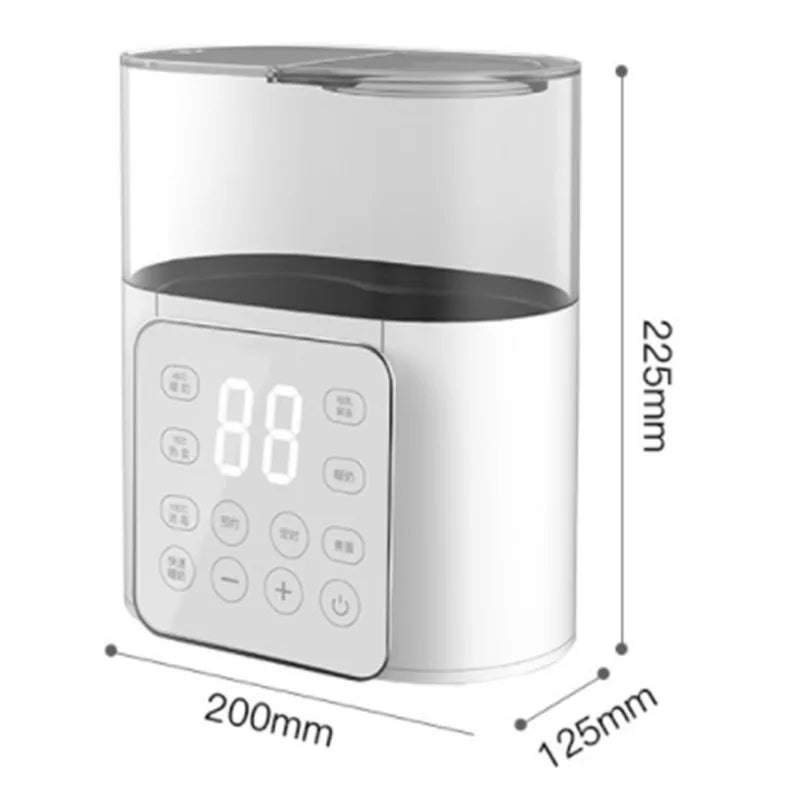
Sterilizing plastic bottles at home without hassle — See it in action
Common Microwave Sterilization Mistakes to Avoid
Even small mistakes can reduce the effectiveness of how to sterilise in microwave methods.
- Skipping the washing step before sterilizing.
- Using containers that are not microwave-safe.
- Adding too little water for adequate steam production.
- Overheating bottles beyond recommended times.
- Overcrowding bottle parts so steam cannot circulate.
- Touching sterilized items with unwashed hands.
- Leaving sterilized bottles uncovered where they can become contaminated again.
Microwave Steam Sterilization vs Other Sterilization Methods
| Method | Typical Time | Convenience | Best For |
|---|---|---|---|
| Microwave Steam | 3–8 minutes | High | Fast daily sterilization |
| Boiling | 10–15 minutes | Moderate | Occasional use without special equipment |
| Electric Steam Sterilizer | 6–12 minutes | Very High | Frequent bottle preparation |
| Cold-Water Sterilization | Approximately 30 minutes | Moderate | Travel or situations without electricity |
Parents browsing Sterilization Devices often choose microwave steam sterilization because it balances speed, convenience, and effective germ reduction.
Drying and Storing Sterilized Bottles
Proper drying is just as important as sterilization. Recontamination can happen if bottles are placed on dirty towels or countertops immediately after steaming.
- Allow bottles to air dry on a clean drying rack.
- Avoid drying the inside with kitchen towels.
- Store fully dry bottles in a clean, covered area.
- Assemble bottles only when they're dry or just before feeding.
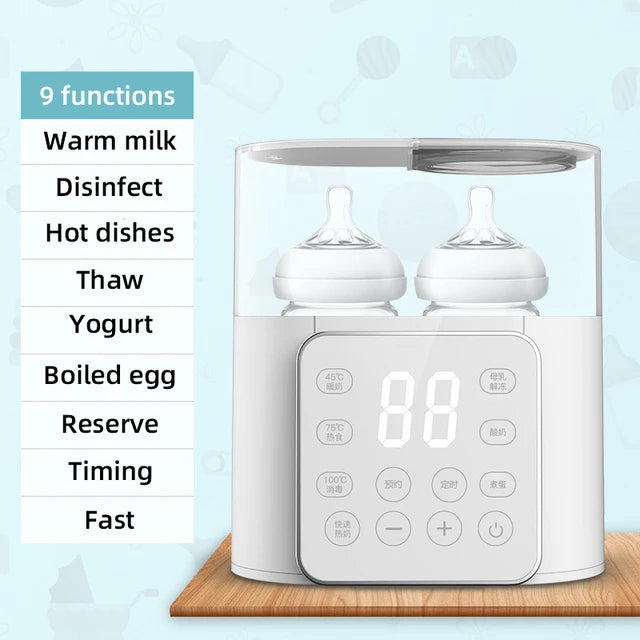
Steam sterilization at home made easier — See it in action
Frequently Asked Questions
How often should I sterilize baby bottles?
Many healthcare professionals recommend sterilizing bottles daily for newborns and young infants, especially during the first few months. As your baby's immune system matures, follow your pediatrician's guidance for ongoing sterilization.
Is microwave steam sterilization safe for all bottles?
No. Only bottles and accessories labeled microwave-safe should be sterilized this way. Always follow the manufacturer's recommendations.
Can I sterilize breast pump parts in the microwave?
Yes, if the individual parts are microwave-safe. Disassemble every component and follow the pump manufacturer's cleaning and sterilization instructions.
Do I need to sterilize bottles after every use?
Not necessarily. Bottles should always be thoroughly washed after every feeding. Whether sterilization is needed after every use depends on your baby's age, health, and your healthcare provider's recommendations.
When can I stop sterilizing baby bottles?
Many families reduce sterilization after about 6 months once babies begin developing stronger immune systems, but recommendations vary. Ask your pediatrician what is appropriate for your child.
Can glass baby bottles be sterilized in a microwave?
Yes, provided the manufacturer states the bottles are microwave-safe and they do not contain metal components.
How long should bottles stay in a microwave sterilizer?
Most microwave sterilizers require between 3 and 8 minutes, depending on microwave wattage and the sterilizer's instructions.
Can silicone nipples be microwave sterilized?
Most silicone nipples are microwave-safe, but always verify the manufacturer's care instructions before sterilizing.
What should I do if a bottle becomes warped after sterilization?
Discard and replace any bottle that shows warping, cracking, or other damage, as it may no longer be safe for feeding.
Is sterilization still necessary after 6 months?
Some families continue regular sterilization, while others sterilize less often after 6 months. Your pediatrician can recommend the best schedule based on your baby's health and feeding needs.
Related Articles:
- Do I Need to Sterilize Bottles Every Time? Expert Advice for Parents
- How to Warm Milk in Microwave: Safe Techniques for Newborn Feeding
Pillar Articles:
- NTC Temp Sensor in Bottle Warmers: How It Protects Your Baby
- Precise Temperature Baby Bottle Heater: Why It Matters for Newborns
- How to Sterilize Bottles by Boiling: Step-by-Step Guide for Parents
- Fast Heating Baby Bottle Warmer: Top Models for Every Parent
- How to Warm Baby Milk: Top Options for Safe and Fast Feeding





