

How Bed Guard Rails Work and When Your Child Needs One
How do bed guard rails work, and when does a child need one?
How bed guard rails work is simple: they create a protective barrier along the side of a bed to help reduce accidental roll-outs during sleep. Most children benefit from a bed rail when transitioning from a crib to a larger bed, especially if they move frequently at night or have experienced falls.
⏱ 8 min read
How Bed Guard Rails Work and When Your Child Needs One
Moving from a crib to a big-kid bed is an exciting milestone, but it can also bring new worries. If your child tosses, turns, or suddenly wakes up on the floor, you're not alone. Understanding how bed guard rails work can help parents create a safer sleep environment, reduce nighttime accidents, and feel more confident during the transition to a larger bed.
Wondering if your child is ready for a bed rail? Read on to learn the signs, installation tips, safety standards, and common mistakes that many parents overlook.

💡 See it in action - how bed guard rails work / transitioning toddler to big bed, best bed rails for toddlers, safe sleep for active toddlers, bedtime safety concerns for parents
How Bed Guard Rails Work
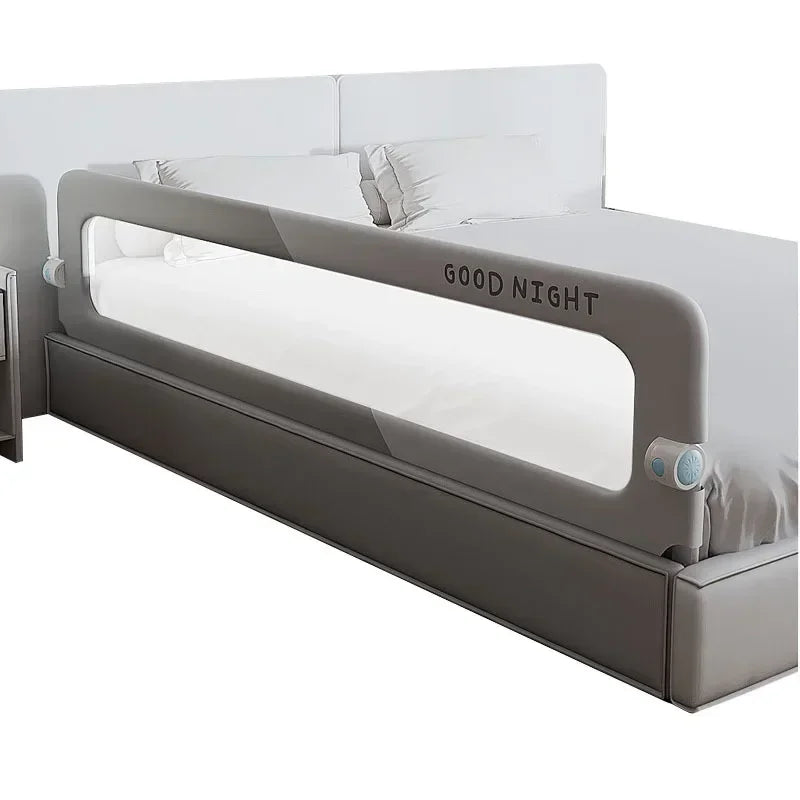
How bed guard rails work is by creating a secure barrier between the sleeping child and the edge of the mattress. Properly installed rails reduce the chance of rolling out of bed while still allowing children to climb in and out safely when awake.
Bed guard rails are designed to attach securely to the bed frame or fit beneath the mattress, depending on the model. Their purpose is not to restrain a child but to provide protection during natural movement throughout sleep.
Children often move far more during sleep than parents realize. Rolling, stretching, kicking blankets away, and changing positions can increase the risk of falling, particularly during the first months after leaving a crib.
- Creates a protective side barrier
- Helps reduce accidental nighttime falls
- Supports independent sleep transitions
- Works with many mattress and frame styles
- Provides reassurance for parents
Many parents browsing Sleep & Comfort products look for solutions that improve bedtime safety while encouraging independence.
When Your Child Needs a Bed Rail During the Transition
The timing varies by child, but many families consider bed rails when transitioning toddler to big bed arrangements between ages 18 months and 3 years.
Signs your child may benefit from a bed rail include:
- Your child recently moved from a crib.
- Your child frequently rolls during sleep.
- Your child has already fallen from bed.
- You notice restless nighttime movement.
- You have ongoing bedtime safety concerns for parents.
If your child keeps falling from bed, adding a properly installed rail can help reduce accidents while your child adjusts to the new sleeping environment.
Parents often combine safe sleep habits with products found in Health & Safety collections to create a more secure bedtime routine.
Why Bed Rails Make Safe Sleep for Active Toddlers Easier
Active sleepers can move dramatically throughout the night. A bed rail acts as a protective boundary that supports uninterrupted rest.
Reduced Nighttime Falls
One of the most obvious advantages is preventing accidental roll-outs. Many falls occur during deep sleep when children are unaware of their position near the mattress edge.
Better Parent Confidence
Parents often report sleeping more comfortably knowing there is an extra layer of protection in place.
Supports Independence
Children gain the freedom of a larger bed while maintaining a safer sleeping environment.
Encourages Consistent Sleep
Fewer disruptions can mean better rest for both children and caregivers.
| Benefit | Impact |
|---|---|
| Fall Prevention | Reduces accidental roll-outs |
| Comfort | Supports uninterrupted sleep |
| Confidence | Helps parents worry less |
| Transition Support | Makes moving from crib easier |
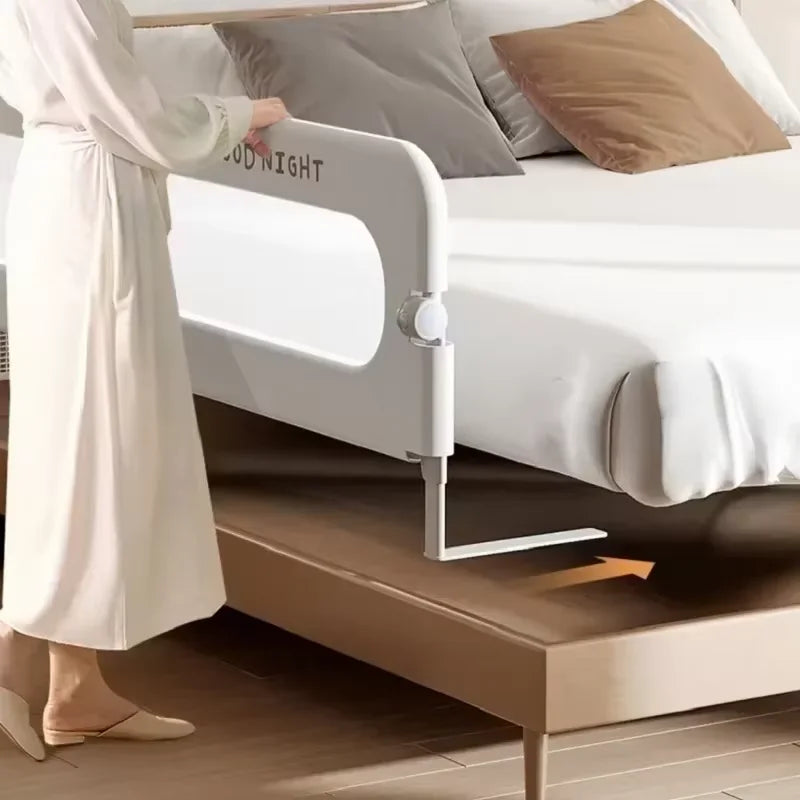
How Proper Installation Prevents Gaps and Loose Fits
Correct installation is just as important as choosing one of the best bed rails for toddlers.
- Read the manufacturer's instructions carefully.
- Confirm compatibility with your mattress and bed frame.
- Secure all straps, anchors, or support bars.
- Check for movement after installation.
- Inspect regularly for loosening over time.
A properly installed rail should feel stable and secure without significant shifting when gently pushed.
💡 See it in action - how bed guard rails work / transitioning toddler to big bed, best bed rails for toddlers, safe sleep for active toddlers, bedtime safety concerns for parents
Common Installation Mistakes That Create Safety Risks
Many bed rail issues stem from installation errors rather than product defects.
| Common Mistake | Potential Risk |
|---|---|
| Loose attachment | Rail shifts during sleep |
| Ignoring compatibility requirements | Poor fit with mattress |
| Leaving large gaps | Entrapment concerns |
| Skipping routine inspections | Hardware loosens over time |
Always check for gaps between the mattress and rail. Small installation mistakes can reduce effectiveness significantly.
Comparing Common Bed Rail Styles
| Type | Best For | Advantages | Considerations |
|---|---|---|---|
| Fold-Down Rail | Daily access | Convenient entry and exit | Requires proper locking |
| Fixed Rail | Active sleepers | Stable protection | Less flexible access |
| Travel Rail | Vacations | Portable | May fit fewer bed styles |
| Extra-Long Rail | Larger beds | Expanded coverage | Requires compatibility checks |
Understanding Bed Rail Safety Standards
Bed rail safety standards exist to help manufacturers design products that reduce hazards and improve reliability.
When evaluating products, look for:
- Clear installation instructions
- Stable attachment systems
- Strong frame construction
- Appropriate mattress compatibility information
- Age and weight guidance
Following installation recommendations is essential regardless of the product chosen.
Parents interested in broader childproofing strategies often explore resources from Health & Safety and sleep-related products within Sleep & Comfort.
What to Do If Your Child Keeps Falling From Bed
If your child keeps falling from bed, consider a combination of safety measures rather than relying on a single solution.
Evaluate Sleep Habits
Observe whether your child consistently sleeps near the edge or moves heavily during the night.
Check Mattress Positioning
A properly fitted mattress helps reduce gaps and improves rail effectiveness.
Use Appropriate Bed Rails
The best bed rails for toddlers typically provide adequate coverage for your child's sleeping style and bed size.
Create a Safer Sleep Space
Keep the area around the bed clear of hard objects and unnecessary furniture.
Parent Review: “After moving our 2-year-old into a twin bed, nighttime falls became a weekly issue. Installing a secure bed rail immediately reduced those incidents and helped everyone sleep more peacefully.”
Additional support products found in Monitoring Devices and Smart Baby Gadgets can also help parents monitor sleep routines more effectively.
The Final Installation Check Many Parents Miss
Before every bedtime, perform a quick safety inspection.
- ✅ Rail feels secure and stable
- ✅ No large gaps between mattress and rail
- ✅ Mattress fits correctly
- ✅ Hardware remains tight
- ✅ Child can safely enter and exit when awake
This simple routine takes less than a minute but can significantly improve nighttime bed safety.
💡 See it in action - how bed guard rails work / transitioning toddler to big bed, best bed rails for toddlers, safe sleep for active toddlers, bedtime safety concerns for parents
Make the Transition to a Big Bed Safer and Easier
Understanding how bed guard rails work gives parents a practical way to reduce falls, improve sleep confidence, and support children during an important developmental milestone. When properly installed and regularly checked, bed rails can provide valuable protection while helping toddlers adapt to a larger sleeping space.
👉 Explore the Baby Bed Guard Rail today and help create a more secure sleeping environment before your next bedtime routine.
Frequently Asked Questions
At what age should a child use a bed guard rail?
Many families introduce bed rails when transitioning from a crib to a toddler or twin bed, often between 18 months and 3 years, depending on the child's development and sleep habits.
Do bed rails prevent all bed falls?
Bed rails can significantly reduce accidental roll-outs when properly installed, but no product can eliminate every risk. Following safe sleep practices remains important.
How often should bed rails be checked?
Inspect bed rails regularly for stability, tight hardware, and gaps between the mattress and rail. Quick checks before bedtime are recommended.
Can bed rails work on different bed frames?
Many models are designed for multiple bed styles, but compatibility varies. Always review manufacturer recommendations before installation.
What should I do if my child still falls from bed?
Check installation, verify mattress compatibility, assess sleep habits, and ensure the rail provides adequate coverage for your child's movement patterns.
Pillar Article: How to Use Bed Rails Safely for Every Stage of Toddler Sleep
Other Related Articles:
- Bed Rail for Toddler Safety: How to Create a Safer Sleep Space
- Install Bed Rails on Any Bed Frame Without Common Mistakes
- Bed Rails Installation Made Easy in 7 Simple Steps
Explore More:





