

Install Bed Rails on Any Bed Frame Without Common Mistakes
Install Bed Rails on Any Bed Frame Without Common Mistakes
⏱ 8 min read
Can You Install Bed Rails on Any Bed Frame?
Yes. You can install bed rails on most bed frames when the rail matches the mattress size, frame design, and installation method. Proper placement, secure anchoring, and checking for gaps help prevent falls and improve nighttime bed safety for toddlers while reducing common installation mistakes.
Install bed rails correctly and turn any bed into a safer sleep space without guesswork. This guide covers practical tips for preventing bed falls, what to do when a child keeps falling from bed, and bed rail safety standards explained in simple terms. You'll also learn how nighttime bed safety for toddlers depends on proper fit, placement, and installation. One overlooked mistake could make rails less effective—do you know what it is?
👉 Discover safer sleep solutions: Explore our Health & Safety and Sleep & Comfort collections to learn more about creating a secure sleep environment for growing children.
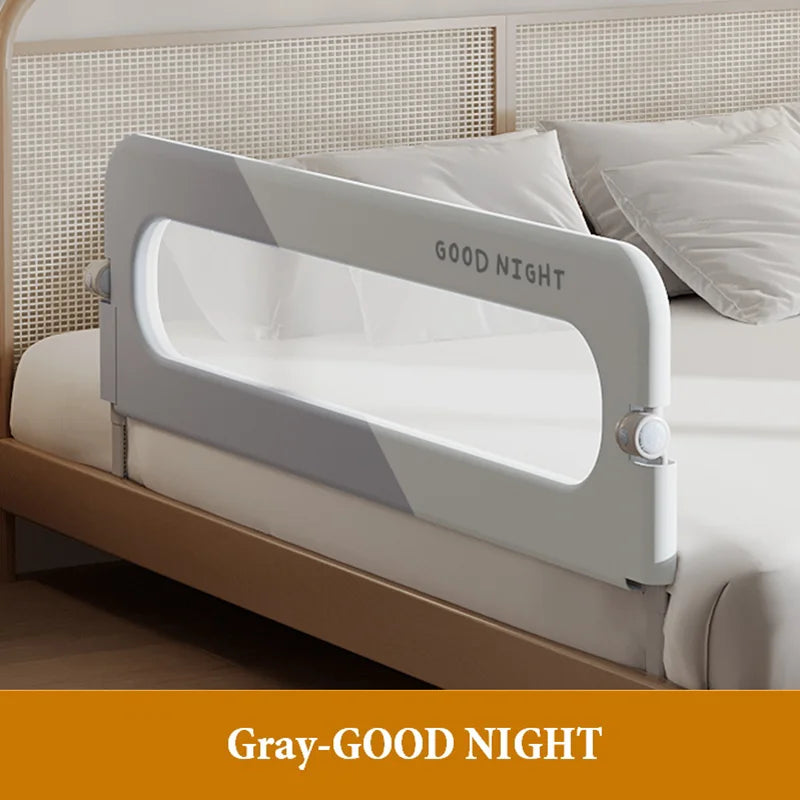
💡 See it in action - install bed rails / tips for preventing bed falls, child keeps falling from bed, bed rail safety standards explained, nighttime bed safety for toddlers
Why Bed Rails Matter for Better Sleep Safety
Many parents transition their toddlers from a crib to a standard bed expecting a smooth adjustment. In reality, nighttime movement often leads to unexpected falls.
Bed rails create a protective barrier that helps prevent rolling off the mattress during sleep. When installed correctly, they can provide reassurance for parents while helping children adapt to larger sleeping spaces.
- Reduce accidental nighttime falls
- Support safer bed transitions
- Increase parent confidence
- Help children sleep more comfortably
- Create a more secure sleep environment
Families looking to improve sleep routines often combine bed rails with products from the Baby Care Essentials and Sleep & Comfort collections.
How to Install Bed Rails Correctly
To install bed rails safely, position the rail according to manufacturer instructions, secure all anchors beneath the mattress, eliminate dangerous gaps, verify stability, and test the rail before use. Proper installation is essential for preventing falls and ensuring reliable protection throughout the night.
-
Measure the Mattress First
Check mattress width, thickness, and length. Not all rails fit every mattress style.
-
Identify the Bed Frame Type
Platform beds, slatted frames, adjustable beds, and box-spring setups may require different attachment methods.
-
Position the Rail Correctly
Place the rail where protection is needed most, usually along the side where falls occur.
-
Secure Anchoring Components
Most modern rails use straps, brackets, or support bars that slide beneath the mattress.
-
Check for Dangerous Gaps
The space between mattress and rail should be minimal to prevent entrapment risks.
-
Test Stability Thoroughly
Apply gentle pressure from different angles to confirm the rail remains secure.
Signs Installation Is Correct
- Rail does not wobble
- No large gaps exist
- Mattress stays firmly in place
- Anchors remain secure overnight
- Child cannot easily dislodge the rail
👉 Learn how to choose the right sleep gear: Browse Health & Safety Tips and discover practical solutions that help families reduce sleep-related worries.
How Different Bed Frames Affect Installation
Platform Beds
Platform beds generally provide excellent support because rails can rest securely against a solid foundation.
Slatted Bed Frames
Verify that support bars sit evenly across the slats. Uneven pressure can reduce stability.
Box Spring Beds
Many bed rails work effectively with box springs, but anchor straps may require additional tightening.
Adjustable Beds
Adjustable frames need special attention because moving sections can interfere with standard rail systems.
Bunk Beds
Bunk beds often require rails specifically designed for elevated sleeping areas.
| Bed Type | Installation Difficulty | Key Consideration |
|---|---|---|
| Platform Bed | Easy | Solid support surface |
| Slatted Frame | Moderate | Even support distribution |
| Box Spring | Easy | Proper strap tension |
| Adjustable Bed | Advanced | Moving sections compatibility |
| Bunk Bed | Moderate | Height safety requirements |
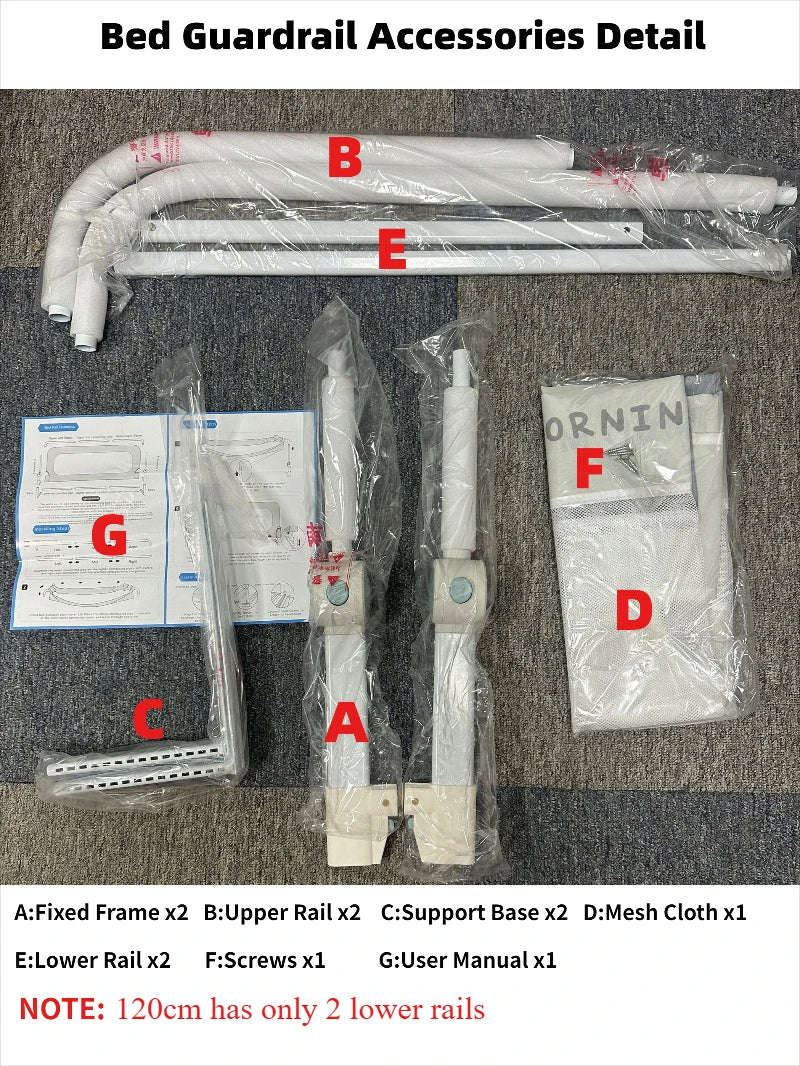
💡 See it in action - install bed rails / tips for preventing bed falls, child keeps falling from bed, bed rail safety standards explained, nighttime bed safety for toddlers
Common Mistakes to Avoid
Many bed rail issues result from simple installation errors rather than product defects.
Mistake #1: Ignoring Mattress Compatibility
A rail designed for a thinner mattress may become unstable on a thick pillow-top mattress.
Mistake #2: Leaving Large Gaps
One of the most common mistakes is failing to eliminate spaces between the rail and mattress.
Mistake #3: Skipping Safety Checks
Even properly installed rails should be inspected regularly for loosened components.
Mistake #4: Using Adult Rails for Toddlers
Products designed for adults may not address the movement patterns of younger children.
Mistake #5: Installing Only Partially
Some caregivers skip straps or anchors because the rail appears stable. This can reduce effectiveness significantly.
Quick Checklist
- ✅ Mattress measured correctly
- ✅ Anchors secured
- ✅ No dangerous gaps
- ✅ Stability tested
- ✅ Child age compatibility confirmed
Bed Rail Safety Standards Explained
Parents often encounter technical language when shopping for sleep safety products.
Understanding bed rail safety standards explained in simple terms helps you make better decisions.
- Rails should fit securely against the mattress.
- Entrapment hazards should be minimized.
- Moving parts should lock properly.
- Installation instructions should be followed exactly.
- Products should be used within recommended age ranges.
Combining safe sleep practices with products from the Monitoring Devices collection can provide additional peace of mind during transitions.
What If Your Child Keeps Falling From Bed?
If your child keeps falling from bed, the issue may involve more than rail placement alone.
Consider these factors:
- Mattress positioned too high
- Rail coverage too short
- Active sleeper behavior
- Insufficient edge protection
- Improper installation
Additional Tips for Preventing Bed Falls
- Keep the bed lower to the ground.
- Remove hard objects nearby.
- Use soft flooring or rugs around the bed.
- Review sleep positioning habits.
- Inspect rails weekly.
Parents often find that combining bed rails with products from Mobility & Training supports safer developmental transitions.
How Proper Installation Improves Nighttime Bed Safety for Toddlers
Correct installation delivers benefits beyond simple fall prevention.
Better Sleep Quality
Children who feel secure may experience fewer nighttime disruptions.
Reduced Parent Anxiety
Knowing protective barriers are installed correctly can improve confidence.
Safer Bed Transitions
Moving from a crib to a larger bed becomes less intimidating.
Long-Term Convenience
Quality rails often remain useful through multiple developmental stages.
"Our daughter stopped rolling out of bed within the first week after we installed a properly fitted rail. We all started sleeping better."
Bed Rail Installation Do's and Don'ts
| Do | Don't |
|---|---|
| Measure mattress dimensions | Assume all rails fit every bed |
| Follow instructions carefully | Skip anchors or straps |
| Inspect for gaps | Ignore spacing issues |
| Test stability regularly | Install and forget |
| Choose age-appropriate products | Use incompatible rail designs |
For families seeking additional sleep-related products, the Sleep & Comfort and Smart Baby Gadgets collections provide complementary solutions.
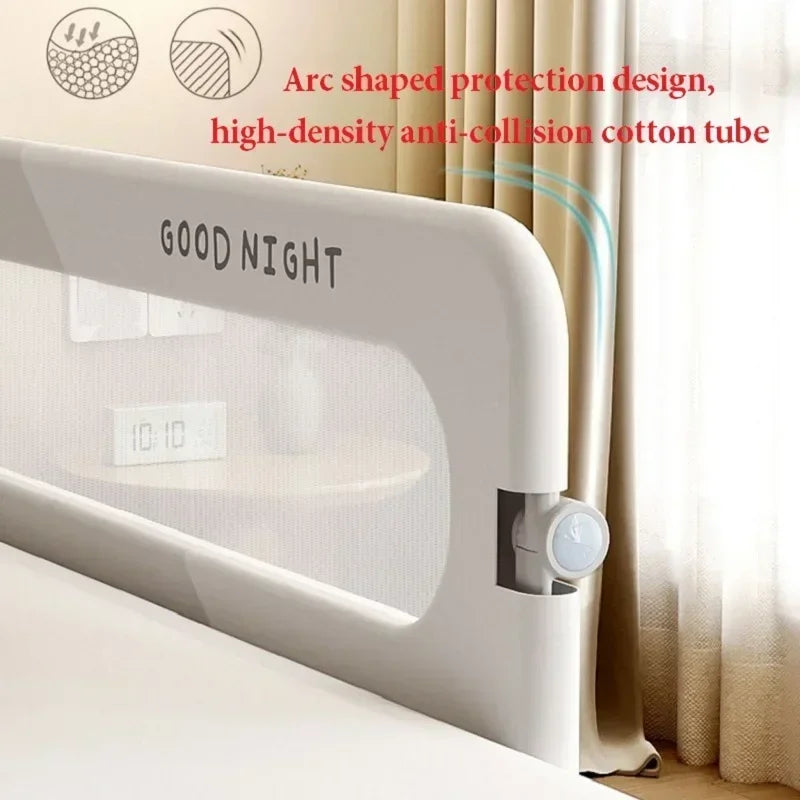
💡 See it in action - install bed rails / tips for preventing bed falls, child keeps falling from bed, bed rail safety standards explained, nighttime bed safety for toddlers
Why Many Parents Choose a Dedicated Bed Guard Rail
A dedicated bed guard rail simplifies installation, improves compatibility, and provides reliable protection during the transition from crib to bed.
Learn more about the Baby Bed Guard Rail and how it can help create a safer sleeping environment while reducing installation guesswork.
👉 Get yours now while supplies last. A properly fitted bed rail can help reduce nighttime falls and make bedtime transitions easier for both children and caregivers.
Frequently Asked Questions
Can I install bed rails on a platform bed?
Yes. Most platform beds work well with bed rails because they provide a stable foundation for support bars and anchors.
How do I know if a bed rail fits my mattress?
Measure mattress thickness, width, and length. Compare those dimensions with the rail manufacturer's recommendations.
What should I do if my child keeps falling from bed?
Check rail placement, inspect for gaps, verify stability, and consider whether additional coverage is needed along the sleeping edge.
Are bed rails safe for toddlers?
When used according to instructions and age recommendations, bed rails can support nighttime bed safety for toddlers and help reduce accidental falls.
How often should bed rails be checked?
Inspect bed rails weekly and after moving furniture, changing mattresses, or noticing any looseness in the installation.
Pillar Article: How to Use Bed Rails Safely for Every Stage of Toddler Sleep
Other Related Articles:
- Bed Rail for Toddler Safety: How to Create a Safer Sleep Space
- How Bed Guard Rails Work and When Your Child Needs One
- Bed Rails Installation Made Easy in 7 Simple Steps
Explore More:





