

Does learning how to express breast milk manually really work?
Yes. Learning how to express breast milk manually is an effective, low-cost way to relieve engorgement, collect milk for later feedings, and maintain supply when pumps aren’t available. With simple positioning, a few manual breast pump tricks, and consistent practice you can get predictable flow and comfortable sessions in 5–20 minutes.
⏱ 8 min readHow to Express Breast Milk Manually: Tools and Techniques
Hand expression is a lifesaver for busy parents who want a gentle, portable way to collect milk, ease fullness, and keep feeding flexible. This guide gives clear steps, product-fit tips, and real parent tricks so you can make milk expression predictable, protect supply, and store expressed breast milk in fridge safely.
How to express breast milk manually - manual breast pump tricks 💡 See it in action
Why hand expression helps (and when to choose it)
Hand expression works when you need a gentle, reliable way to remove milk without an electric pump. It’s ideal for late-night feeding, brief separations, low-supply troubleshooting, and when you want total control of pressure and rhythm. Parents praise it for portability, cost, and improved comfort.
How to express breast milk manually — quick answer
Hand expression combines light massage, positioning, and a rhythmic thumb-and-finger compression just behind the areola. It stimulates the let-down reflex and collects milk in small, steady drops; with practice many parents express 1–3 ounces per side in a single 10–15 minute session.
Hand expression combines light massage, positioning, and a rhythmic thumb-and-finger compression just behind the areola. It stimulates the let-down reflex and collects milk in small, steady drops; with practice many parents express 1–3 ounces per side in a single 10–15 minute session.
Tools and manual breast pump tricks that make it easier
- Clean containers: wide-mouth storage bottles or sterile milk bags to capture flow.
- Warm compress: apply for 3–5 minutes to increase circulation before expressing.
- Hand cream-free hands: no lotion; clean, dry hands ensure a secure grip.
- Manual breast pump tricks: using short, quick compressions near the areola before longer compress-release cycles often triggers stronger flow.
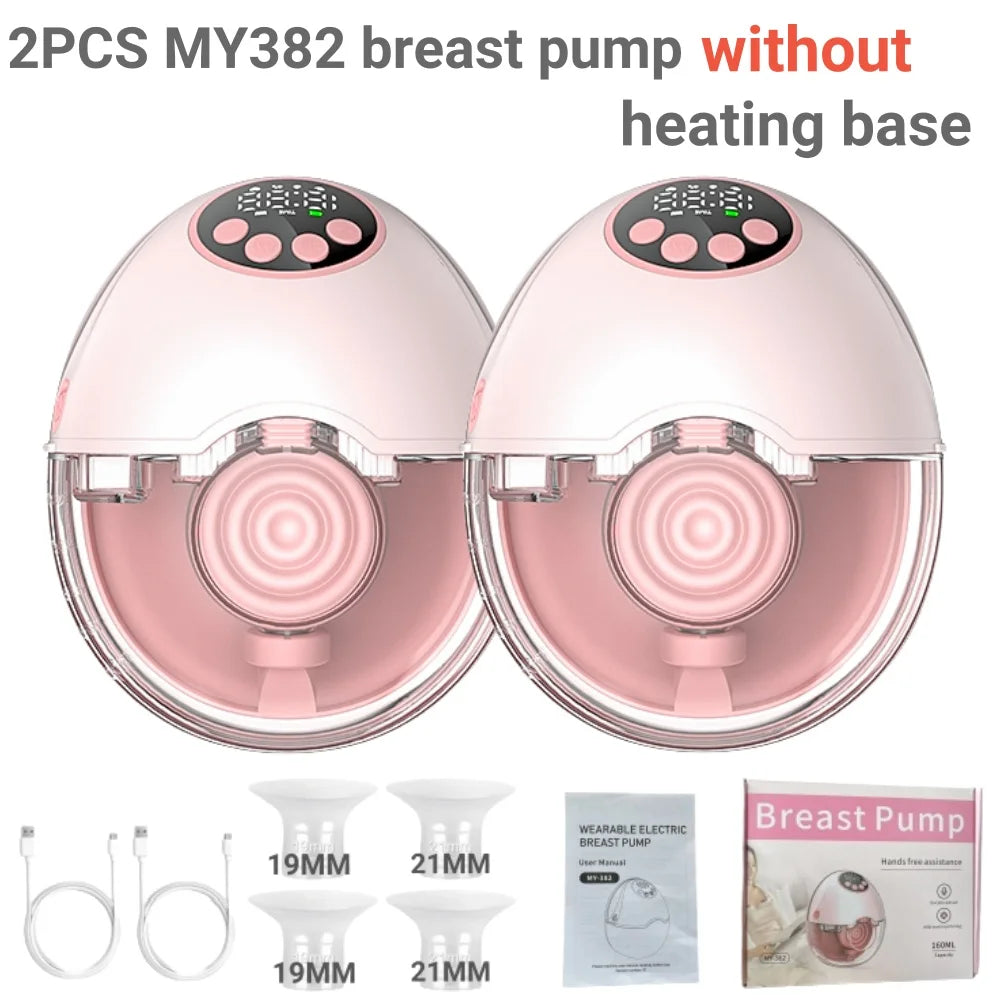
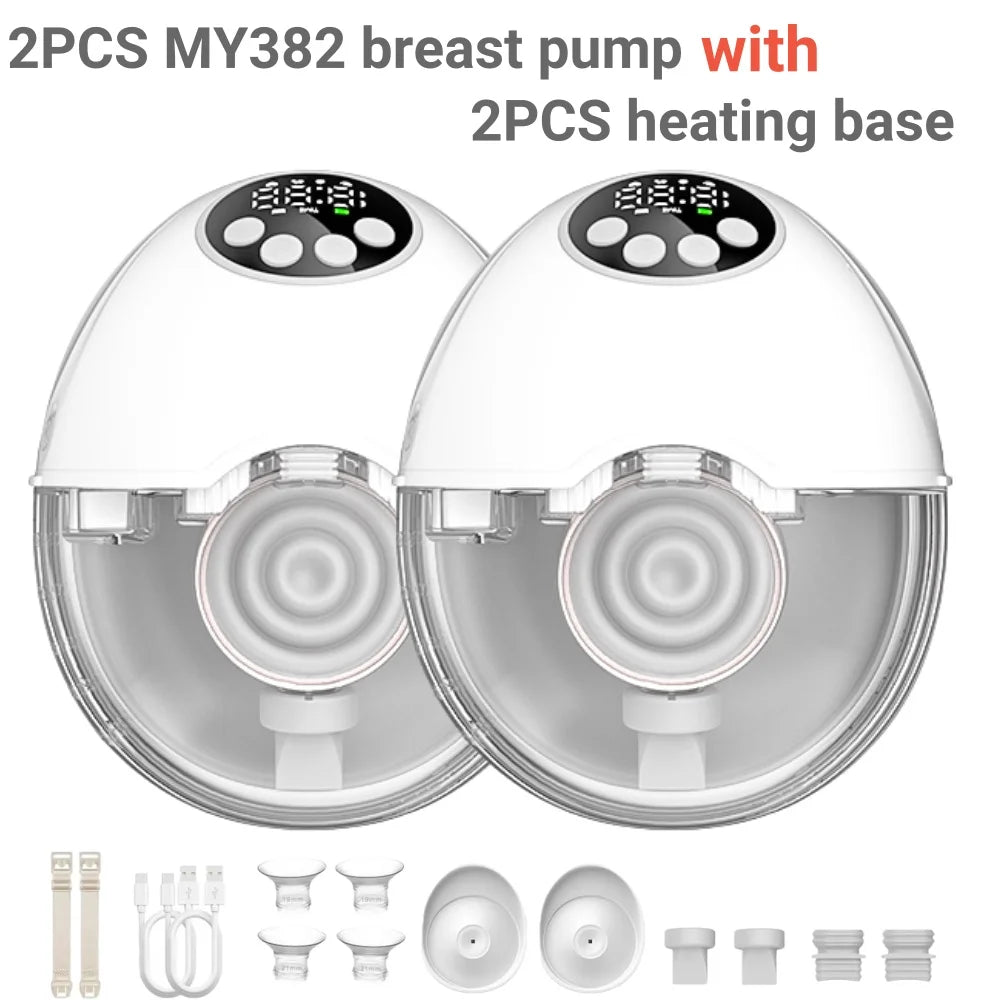
- Hands-free electric alternative: if you want to supplement, consider the product at Hands-Free Electric Breast Pump for longer sessions or double pumping.
Benefit-first: Reduce hand fatigue with a simple rhythm
Try a 1–2–2 rhythm: 1 second quick compress, 2 seconds hold, 2 seconds release. This reduces fatigue and mimics an effective pumping pattern without machines.
Step-by-step: how to express breast milk manually
- Wash hands and prepare container: Have a clean bottle or bag ready.
- Warm and stimulate: Use a warm compress and gentle massage from chest toward the nipple for 1–2 minutes.
- Position your fingers: Place thumb and first two fingers about 1–1.5 cm behind the areola forming a “C” shape (not on the nipple).
- Compress, don’t peel: Compress straight back toward the chest wall, then press the fingers together toward the nipple—avoid sliding along the skin.
- Rhythm: Use the 1–2–2 rhythm; when milk flow slows, repeat massage and change angle slightly.
- Switch sides: Express until flow drops to small amounts, then switch breasts. Repeat 2–3 times per side for a full session.
- Store: Pour into storage bottle or bag, label with date/time, refrigerate promptly.
Comfort and positions to protect flow
Small shifts in position change which ducts drain best. Try these positions:
- Lean-forward: Sit and lean slightly forward with the bottle under the nipple to let gravity help.
- Side-lying: Useful at night—support the breast with your hand and compress gently to avoid strain.
- Cross-cradle hold: Guide the breast with the opposite hand to keep shoulders relaxed.
Benefit-first: Protect skin and reduce pain
If you feel pinching, you’re likely on the nipple. Move thumb and fingers back slightly to target the areola. Use brief breaks and warm compresses to ease tenderness.

Manual breast pump tricks - expressed breast milk in fridge 💡 See it in action
How to store expressed breast milk in fridge safely
Follow safe storage steps to preserve nutrients and prevent waste:
- Label: Write date and time on the container.
- Fridge timing: Use freshly expressed milk within 4 days when stored at 4°C (39°F) or colder.
- Top-up rule: Cool freshly expressed milk before adding to an already chilled container—do not add hot milk to previously chilled milk.
- Freezer rule: Freeze within 24 hours if you won’t use within 4 days; use the oldest milk first.
These simple steps help ensure your baby gets the best nutrition and lets you build a predictable stash for busy days.
Match product benefits to specific needs
Choosing the right tool or routine depends on the parent’s top problems. Below are common needs and the match that helps most:
- Need: quick relief from engorgement — Hand expression plus a warm compress gives immediate relief and works in minutes.
- Need: build a freezer stash efficiently — Alternate manual expression with a double electric pump session like Hands-Free Electric Breast Pump for larger volumes and time savings.
- Need: night feeds without waking fully — Hand expression or a small manual pump works quietly and keeps the baby’s routine calm.
- Need: sensitive nipples or oversupply — Gentle hand expression gives precise control over pressure to avoid soreness.
Want tools grouped by use-case? Check out Breastfeeding Aids for accessories that support hand and manual pumping routines.
Quick comparison: hand expression vs manual pumps
| Method | Pros | Cons | Best for |
|---|---|---|---|
| Hand expression | Free, portable, gentle control | Can tire hands; needs practice | Short sessions, engorgement relief, low supply maintenance |
| Manual pump | Portable, consistent suction, less hand strain | Can still be slow vs electric | Travel, occasional use, parents who prefer mechanical rhythm |
Real parents: short reviews & tips
“I could get a full nighttime bottle with hand expression after a week of practice. Warm showers and tea help let-down.” — Sarah, first-time mom.
“When I went back to work, alternating manual expression and the Hands-Free Electric Breast Pump doubled my stash in half the time.” — Renee, pediatric nurse.
Milk expression - manual breast pump tricks 💡 See it in action
Mini FAQ
- 1. Is hand expression painful?
- Not if done correctly. Move fingers back toward the areola (not on the nipple) and use warm compresses. Stop if you feel sharp pain and try a different angle.
- 2. How much milk should I expect from hand expression?
- Beginners may collect a few teaspoons per side; with practice many get 1–3 ounces per side in 10–15 minutes. Supply varies by individual and time since last feed.
- 3. Can I mix freshly expressed milk with refrigerated milk?
- Yes—cool freshly expressed milk before adding it to chilled milk. Label containers with date/time to use oldest first.
Final notes: make it yours
Hand expression is a skill that pays back in convenience, comfort, and flexibility. Start small—two to three 10-minute sessions per day—and adjust rhythm, angle, and tools until you find what reduces pain and increases yield. Combine simple manual breast pump tricks with targeted products when you need speed or volume; both approaches can coexist in a realistic, family-friendly feeding routine.
Related collections to explore: Baby Care Essentials, Feeding & Nursing, Breastfeeding Aids.
Pillar Article: Breast Pump Travel Guide: Choosing the Right Pump for Your Trips
Other Related Articles:
Explore More:





