

Does breast pump travel really work?
Answer: A well-planned breast pump travel setup—using a portable breast pump hands free model, insulated cooler with frozen packs, and clear expressed breast milk storage guidelines—lets you maintain supply, travel confidently, and safely transport milk. With the right gear and airline/TSA prep, pumping on the road is predictable and manageable. :contentReference[oaicite:0]{index=0}
⏱ 12 min readBreast Pump Travel Guide: Choosing the Right Pump for Your Trips
Traveling while breastfeeding doesn’t have to feel impossible. Whether you’re on a weekend getaway, a business trip, or a long flight, choosing a quiet, portable breast pump and packing the right pumping accessories plus following expressed breast milk storage guidelines can keep you calm, maintain supply, and make feeding your baby easier when you return. Read on for practical scenarios, expert-backed rules, exact storage times, and a step-by-step travel checklist tailored to traveling moms. 💼🤱
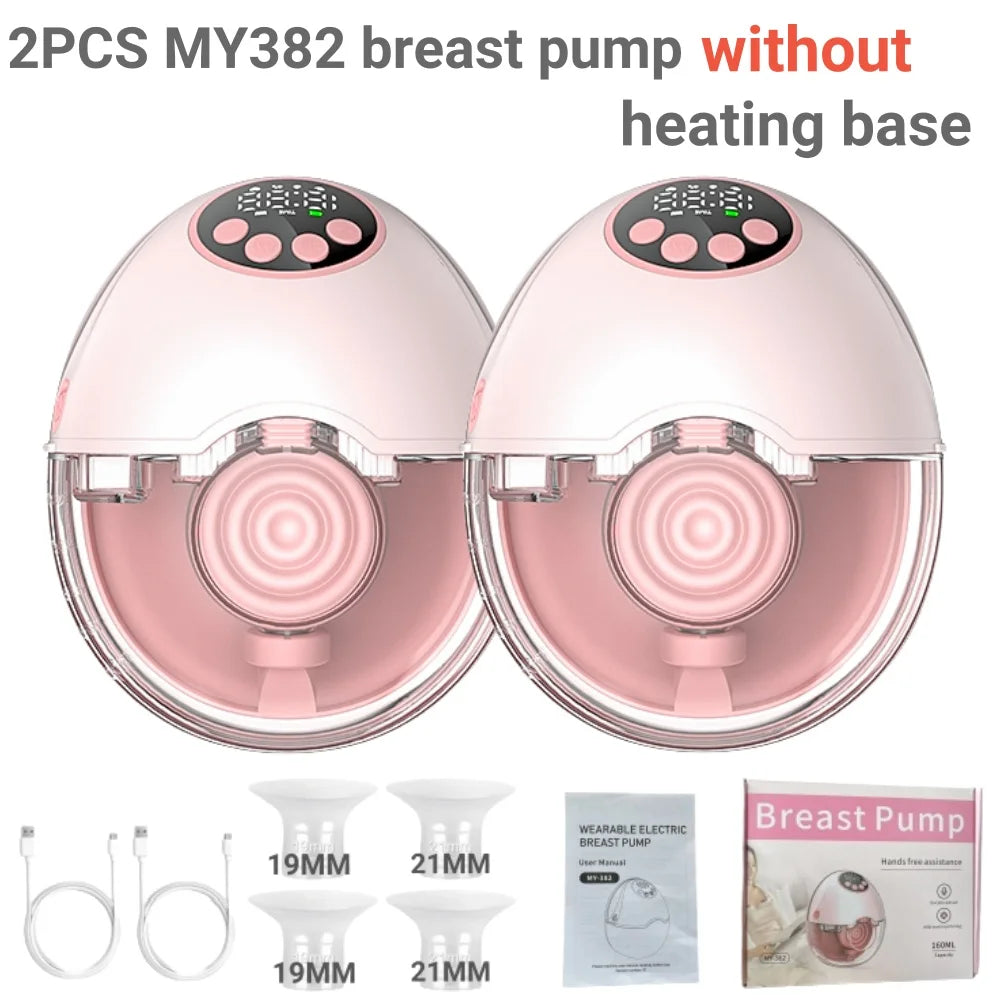
breast pump travel - portable breast pump hands free + quiet breast pump — 💡 See it in action
Why this guide matters (and who it's for)
Travel introduces friction: unfamiliar spaces, tight schedules, and limited privacy. Moms often worry about supply dips, milk safety, and feeling awkward pumping in transit. This guide cuts through the noise with evidence-based milk-storage rules, travel-friendly pump options, and real travel-tested routines so you can choose gear that fits your trip type and comfort level.
Who should read this?
- Moms who need a portable breast pump hands free solution for quick outings.
- Working parents juggling flights or overnight trips who want a quiet breast pump that won’t draw attention.
- Anyone who wants clear expressed breast milk storage guidelines for road trips and flights.
How to choose a travel pump (quick wins)
Make choices that match your trip length, frequency of pumping, and comfort needs. Think about:
- Duration — weekend vs. week-long trip determines battery life and ice-pack needs.
- Privacy — wearables let you pump discreetly; mini electrics may need a quiet room.
- Output needs — if you’re exclusive pumping, choose higher-output double pumps.
- Cleanability — fewer parts = easier cleaning on the go.
Benefit: Travel-ready pumps reduce stress and preserve supply
Choosing a model with reliable suction, portable power (battery or USB-C), and minimal parts directly reduces packing complexity, cleaning time, and the risk of missed sessions.
Portable vs. wearable: which fits your trip?
There are two travel-focused pump categories to weigh: wearable (completely hands-free, typically single-breast) and portable mini electric pumps (compact, often double-pump compatible). Below we break down who each serves best.
Wearable pumps — best for discretion & moving around
- Pros: Entirely hands-free, fits in bra, great for short sessions and public spaces.
- Cons: Usually single-breast and may produce lower output than full double pumps for some users.
- Good for: Short work trips, sightseeing, or airport layovers.
Wearable pumps are repeatedly praised for mobility and quiet operation in product testing and parent reviews. :contentReference[oaicite:1]{index=1}
Mini electric pumps — best for consistent output & double pumping
- Pros: Double pumping possible, higher milk output for some users, usually more adjustable suction settings.
- Cons: Slightly bulkier, may need a flat surface and a private spot to use comfortably.
- Good for: Moms who rely on pumping for supply maintenance or longer trips.
How a quiet breast pump changes travel
Noise stress is real. A pump that hums quietly makes public or shared-space pumping feasible. Look for measured decibel claims in product specs (a 30–40 dB pump is notably quieter than older models) and user reports describing discreet operation. Quiet wearables and newer mini electrics consistently win in parent-tested roundups. :contentReference[oaicite:2]{index=2}
Packing checklist & must-have pumping accessories
Pack smart: your bag should be a mobile pumping station. Prioritize backup batteries, insulated cooler, cleaning supplies, and a dedicated pump pouch.
Essential packing list
- Portable breast pump hands free (or mini electric) + charger and spare battery/USB power bank.
- Insulated cooler bag with frozen ice packs for milk transport. :contentReference[oaicite:3]{index=3}
- Pre-labeled storage bottles or milk bags (date & child’s name).
- Portable bottle warmer or access plan at destination.
- Compact drying rack and baby-safe bottle brush.
- Sanitizing wipes and small bottle of dish soap for quick cleaning.
- Spare bra (if using wearable pumps) and a breathable pump cover or wrap for discretion.
Where to store things in your bag
- Carry-on: pump, milk (in insulated bag), labels, paperwork.
- Checked: extra ice packs or bulky spare parts (if airline allows).
Expressed breast milk storage guidelines — exact times
Follow these evidence-based guidelines to keep milk safe during travel.
- Room temperature (up to 77°F / 25°C): freshly expressed milk — up to 4 hours (shorter in hot climates).
- Refrigerator (≤40°F / ≤4°C): up to 4 days; use back of fridge. :contentReference[oaicite:4]{index=4}
- Insulated cooler with frozen ice packs: up to 24 hours when traveling; use frozen packs and place milk in center. :contentReference[oaicite:5]{index=5}
- Freezer (0°F / −18°C): ideal up to 6 months, safe up to 12 months for deep freezers. :contentReference[oaicite:6]{index=6}
Label all containers with date expressed and baby name when required by childcare or daycare at destination. Store milk toward the back of fridge/freezer to avoid temperature fluctuations. :contentReference[oaicite:7]{index=7}
Thawing, warming, and safety
- Thaw frozen milk in fridge overnight or under warm running water; never refreeze thawed milk.
- Once thawed, use within 24 hours if previously frozen and stored in fridge. :contentReference[oaicite:8]{index=8}
- Do not microwave breast milk; use warm water to avoid hot spots and nutrient degradation.
Flying with milk & pumps — TSA and airline tips
TSA permits breast milk and supplies in quantities larger than 3.4 oz; items may be screened separately. Always inform the security officer about your breast milk and cooling items. :contentReference[oaicite:9]{index=9}
Before you fly
- Pack milk in an insulated cooler with frozen packs and clearly labeled containers.
- Bring a printed screenshot of your pump and milk allowances from TSA or airline policy if you expect confusion. :contentReference[oaicite:10]{index=10}
- Call your airline if you expect to check bulky cooling items or need help boarding with medical devices.
At security
- Declare the milk and cooling packs — you may be asked to remove them for separate screening.
- Gel packs may be subject to additional screening; partially melted packs are still allowed. :contentReference[oaicite:11]{index=11}
Onboard pumping
- Ask flight crew for privacy options: many carriers can suggest a quiet lavatory or crew area; policies vary by airline.
- Wearable pumps work best for in-seat pumping; mini electrics need a stable surface and power (use a charged power bank if no AC outlet). :contentReference[oaicite:12]{index=12}
How to pump on the road — sample routines
Below are three realistic routines depending on trip type.
Quick weekend trip (1–2 days)
- Pump before you leave for travel to top off supply.
- Use a wearable pump if you need one session during the day; store milk in an insulated cooler with frozen packs for return. :contentReference[oaicite:13]{index=13}
- At destination, refrigerate milk or refreeze promptly if possible.
Business trip with meetings (3–5 days)
- Choose a quiet breast pump with strong suction and battery backup for hotel/airport use.
- Schedule pumping like a meeting — calendar reminder + signage (“Pumping in use — back in 20”) if sharing an office.
- Bring portable sterilization options (microwave steam bags or sanitizing wipes) for quick cleaning between sessions.
Long haul flight or multi-leg trip
- Carry an insulated cooler and extra frozen packs; plan for layovers and how to refrigerate or re-freeze as needed.
- Break pumping into shorter sessions if airline seating doesn’t allow full privacy; wearable pumps shine here. :contentReference[oaicite:14]{index=14}
- Upon arrival, move milk to a fridge or freeze depending on timeline.
Minimum product kit & recommended links
Assemble a “pump travel kit” with the smallest number of reliable parts that cover every situation.
- Core kit: pump + charger + spare battery, 2–4 storage bottles/milk bags, insulated cooler, 2–4 frozen packs, labels, small bottle brush, sanitizing wipes.
- Optional add-ons: bra extenders, pump cover, compact drying rack, power bank with USB-C.
When you’re ready to buy, browse curated collections to cross-sell complementary items like milk storage and breastfeeding supports:
Looking for a ready-to-go option? Check this hands-free model for a travel-friendly experience: hands-free electric breast pump.
Quick comparison: wearable vs. mini electric (at-a-glance)
| Feature | Wearable Pump | Mini Electric (Double) |
|---|---|---|
| Hands-free | Yes | No (requires hands for bottles/tubing) |
| Discreet in public | High | Medium |
| Milk output | Moderate (varies) | Higher (double pumping) |
| Cleaning | Easy (fewer parts) | More parts to wash |
| Ideal trip type | Active, public, short sessions | Longer trips, exclusive pumps |
Real parent stories & social proof
"I took a wearable pump on a 3-day conference and never missed a beat — airport security was easy and I pumped discreetly during breaks." — S., product tester. (Wearable user)
"My mini double pump kept my supply steady on a week-long trip. I used a soft cooler and labeled everything — zero leaks, easy hotel fridge storage." — A., busy consultant. (Mini electric user)
Product roundups and tests show wearables excel in convenience while mini electrics maintain supply for exclusive pumpers. For hands-free comfort with decent output, parent-reviewed editors recommend specific wearable models and compact double mini pumps. :contentReference[oaicite:15]{index=15}
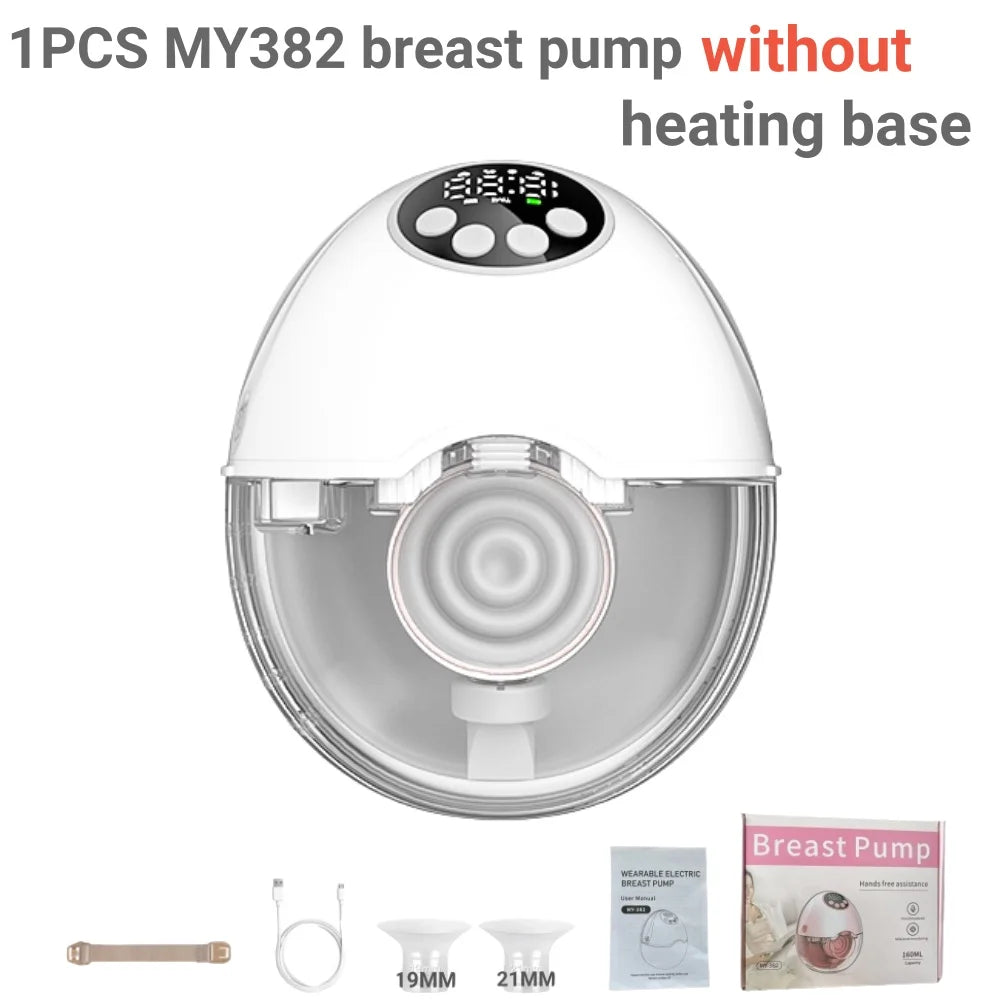
portable breast pump hands free and quiet breast pump — 💡 See it in action
Safety, cleaning, and quick sanitizing tips
On the road, keep cleaning simple but effective:
- Rinse pump parts with warm water immediately after use, then wash with soap and water as soon as possible.
- Use microwave steam bags or sanitizing wipes when sink access is limited.
- Let parts air-dry on a clean towel or compact drying rack. Avoid towel drying inside shared spaces to reduce contamination risk.
Best practices to protect supply while traveling
- Keep a consistent pumping schedule as much as possible to avoid engorgement and signal loss.
- Hydrate and snack—travel dehydrates many of us, which can affect supply.
- Bring an extra pump part kit to avoid downtime if a valve or membrane fails.
Travel confidence checklist (one-page)
- Pump fully charged + power bank
- Insulated cooler + frozen packs
- Pre-labeled bottles/bags
- Spare pump parts + brush + soap
- Printed TSA/airline policy screenshot
- Plan for privacy at destination
Buying tips & red flags
When choosing a travel pump, watch for these signs:
- Red flag: Vague battery life claims with no real-world user feedback.
- Red flag: Over-complicated assemblies that increase cleaning time.
- Good sign: Positive reviews specifically about air travel and discreet use. :contentReference[oaicite:16]{index=16}
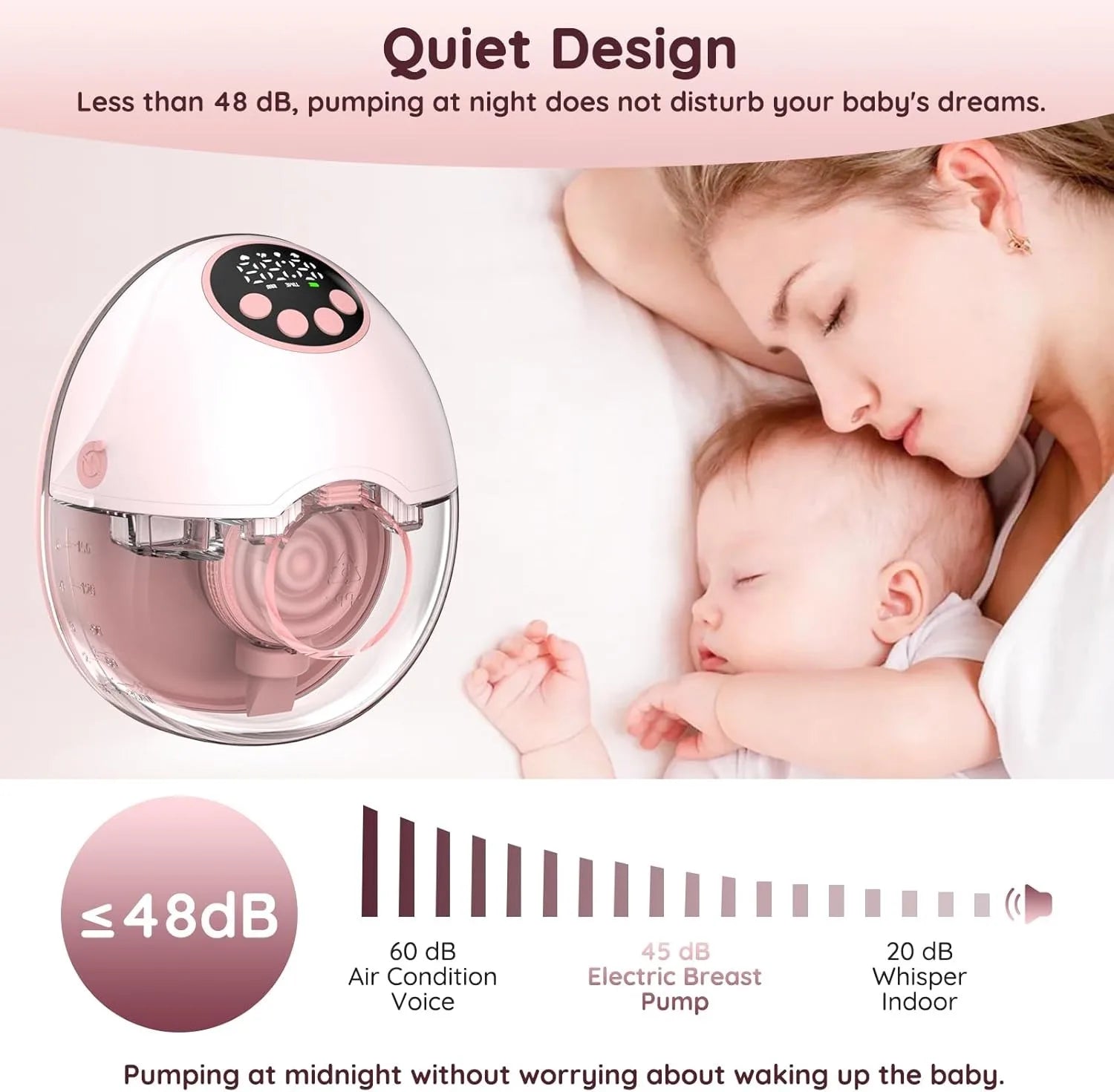
quiet breast pump and pumping accessories — 💡 See it in action
Why trust these tips?
Guidance here draws on public health storage rules and travel screening policies plus parent-tested product roundups and airline/TSA guidance to create realistic, actionable steps you can follow today. Refer to official storage guidelines and TSA pages before travel for the latest updates. :contentReference[oaicite:17]{index=17}
Mini FAQ
- Can I bring unlimited breast milk through airport security?
Yes. Breast milk is exempt from the 3.4 oz limit, but it must be screened separately. Inform the TSA officer and be prepared to remove containers from your carry-on. :contentReference[oaicite:18]{index=18}
- How long is milk safe in an insulated cooler with frozen packs?
Up to 24 hours during travel with proper frozen packs and an insulated cooler; transfer to fridge/freezer as soon as possible. :contentReference[oaicite:19]{index=19}
- Is a wearable pump as effective as a double electric?
Wearables are excellent for convenience and discretion, but some exclusive pumpers find double electrics produce higher output. The right choice depends on your supply needs and travel style. :contentReference[oaicite:20]{index=20}
- Can I pump in an airplane seat?
Yes — many moms use wearable pumps for in-seat sessions. For mini electrics, ask crew for assistance or a quiet place if needed. Policies and accommodations vary; plan ahead. :contentReference[oaicite:21]{index=21}
Final words — travel with confidence
Breast pump travel becomes far easier with the right kit and knowledge. Prioritize a pump that matches your output needs and privacy preferences, pack a reliable insulated cooler, and follow established milk storage rules. With planning, most moms find travel no longer means sacrificing supply or comfort.
Need a travel-ready option? Try the hands-free electric model linked above to test the travel fit for your routine.
Sources: CDC breast milk storage and workplace guidance; TSA transportation rules for breast milk; parent-tested roundups and product reviews summarizing wearables and quiet mini-electric pumps. :contentReference[oaicite:22]{index=22}
::contentReference[oaicite:23]{index=23}Related Articles:
- Best Electric Pump for Breastfeeding: Features That Boost Output
- How to Express Breast Milk Manually: Tools and Techniques
Pillar Articles:
- Breast Pump Quiet Reviews: Top Models Moms Recommend
- Breastfeeding Tips for First Time Moms: Tailored Strategies That Work
- Double Breast Pumps Electric: Features That Maximize Milk Output
- How to Increase Milk Flow: Proven Tips for Consistent Supply
- Best Wearable Breast Pump 2025: Reviews and Top Picks for Moms
- Hands-Free Electric Breast Pump Reviews: Which Model Fits Your Lifestyle





