

Does breast milk safety really protect my baby from spoilage and bacteria?
Yes. Breast milk safety ensures expressed milk stays fresh and nutritious by following simple storage times, correct refrigeration practices, and safe warming methods. Proper breast milk safety reduces bacterial growth, preserves immune factors, and helps busy parents feel confident feeding expressed breast milk whenever baby needs it.
⏱ 7 min readBreast Milk Safety Tips: How to Store and Handle Milk Correctly
Keeping your baby safe starts with small habits: timely cooling, clean containers, and smart reheating. This guide breaks down breast milk storage guidelines, how to handle expressed breast milk in fridge, whether heating milk kills bacteria, and the practical role UV sterilization of milk plays — so you can feed your baby confidently and sleep a little better.
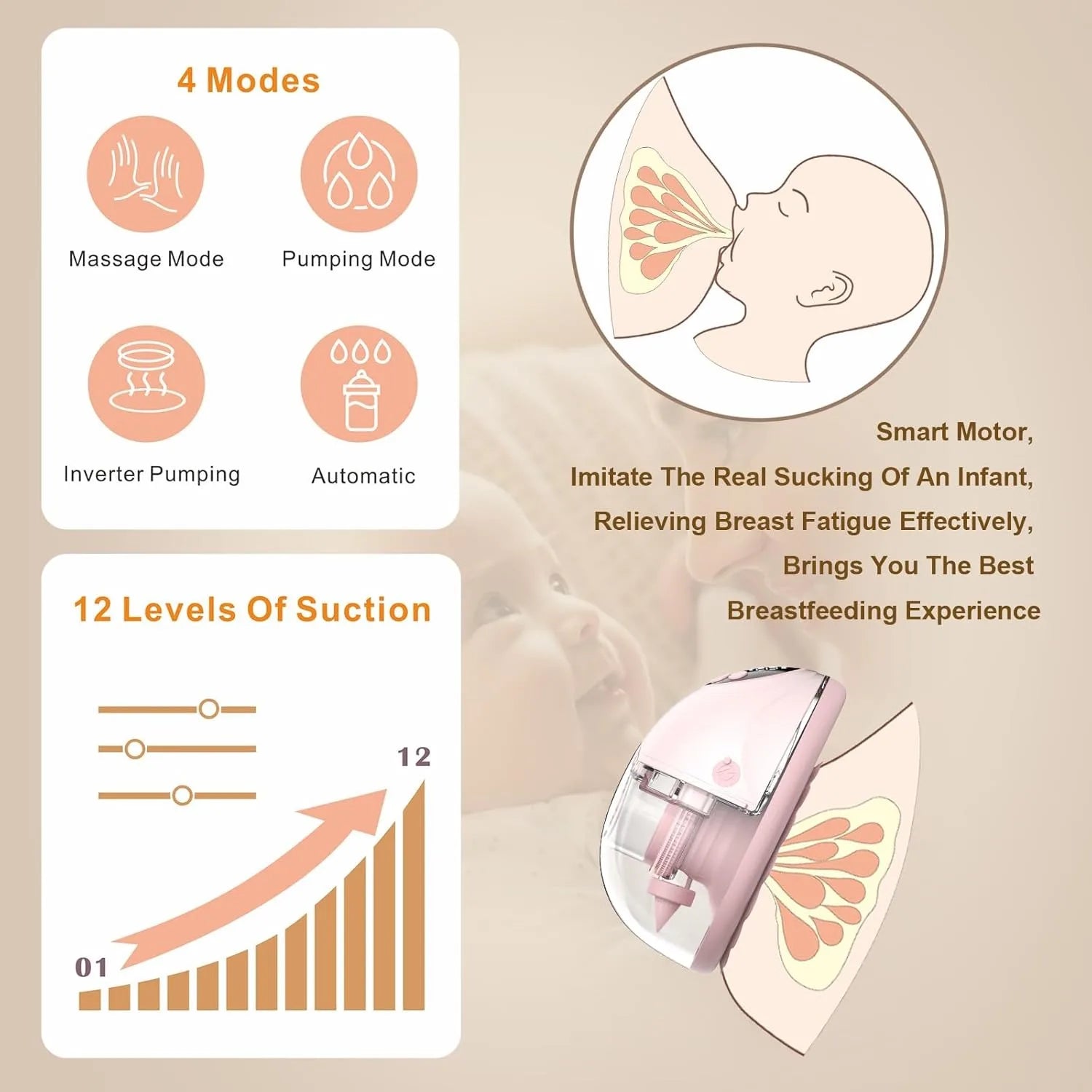
breast milk safety, breast milk storage guidelines — 💡 See it in action
Curious what else makes parenting simpler? Browse the collection for practical picks that pair well with expressed feeding routines: Baby Care Essentials.
Why milk safety matters for your baby
Breast milk is living food — it contains antibodies, enzymes, and nutrients that protect a baby. When mishandled, beneficial components can break down and bacteria can multiply. Following clear breast milk safety practices preserves nutrition and reduces tummy upset, infections, and wasted milk.
Common pain points parents face
- Not knowing how long expressed milk is safe in the fridge.
- Unclear reheating rules — will heating milk kill bacteria or damage nutrients?
- Managing pumps, containers, and travel without contaminating milk.
- Feeling overwhelmed by gadgets and unsure which tools really help.
Quick breast milk storage guidelines (cheat sheet)
Featured answer: For fast decisions, follow these safe times: room temp up to 4 hours (if clean), fridge 4 days (preferably 3), freezer 6–12 months (best within 6). Always cool milk quickly and label with date/time.
- Room temperature: Up to 4 hours in a clean environment (shorter in hot climates).
- Fridge: 3–4 days at 1–4°C — use back of fridge where temp is most stable.
- Freezer: Best used within 6 months; safe up to 12 months in deep freeze.
- Thawed milk: Use within 24 hours once thawed in the fridge; do not refreeze.
How to express, cool and store milk safely
- Wash hands and clean pump parts before expressing.
- Express into sterile bottles or breast milk bags; leave a little headspace for expansion when freezing.
- Label each container with date and time; oldest milk first when rotating.
- Cool milk quickly: place container in iced water or fridge within 30 minutes of expressing.
- Store in the back of the fridge, not the door. For travel, use an insulated bag with ice packs.
Tip: Keep small portions (60–120 ml) so you only warm what baby needs. This reduces waste and keeps stored milk fresh longer.
Best practices for expressed breast milk in fridge
- Use shallow containers — they cool faster.
- Keep milk in original bottle/bag until ready to use; avoid transferring repeatedly.
- Do not store milk in the fridge door or near the light; cold is most stable at back of shelf.
Does heating milk to kill bacteria work?
Heating milk can reduce some bacteria but high heat also destroys protective proteins and antibodies. The safest approach is prevention: store and cool properly so reheating is for comfort, not sterilization. Gentle warming (warm water bath, bottle warmer) preserves nutrients while bringing milk to a pleasant feeding temp.
Short direct answer: avoid using heating as a method to “sanitize” milk — prioritize clean collection and timely refrigeration instead.
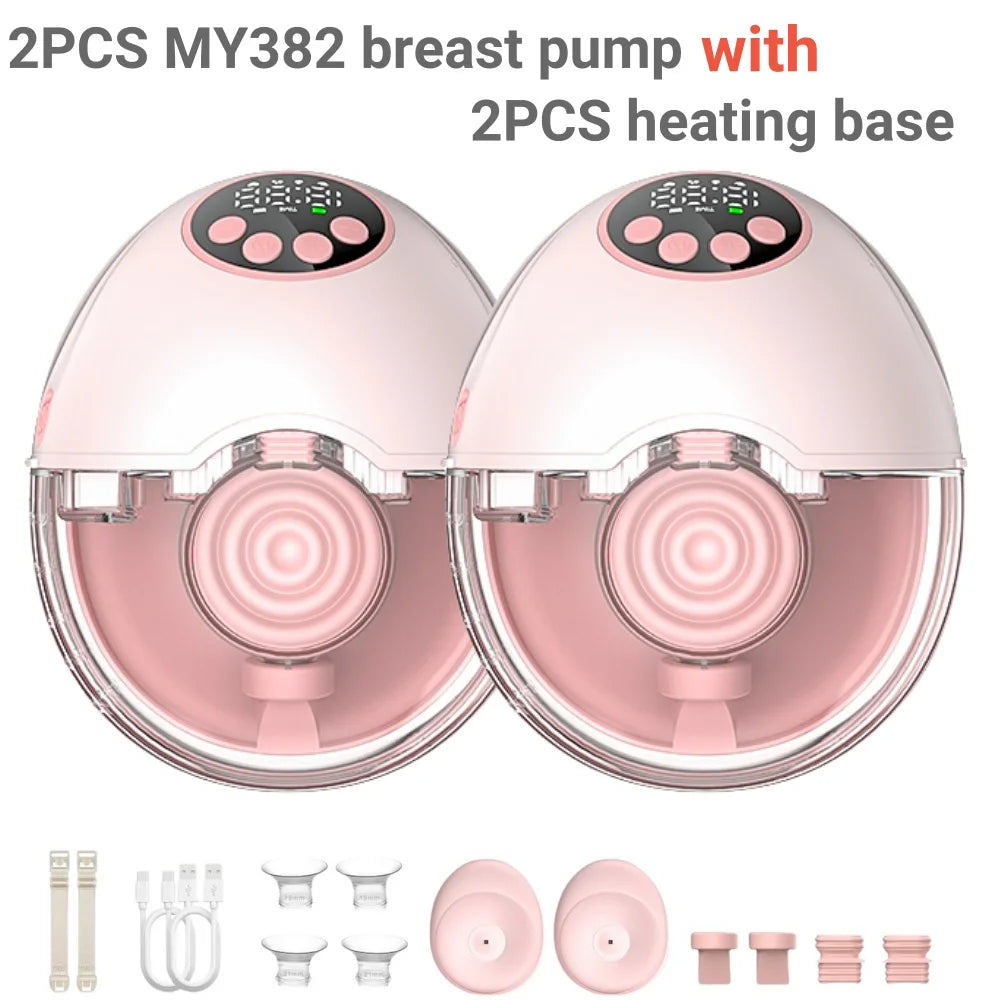
expressed breast milk in fridge, heating milk to kill bacteria — 💡 See it in action
How to warm expressed breast milk safely
- Thaw frozen milk in the fridge overnight, then warm under warm running water or in a bowl of warm water.
- Use a bottle warmer if you prefer a controlled temp — see Bottle Warmers for options.
- Never microwave breast milk (creates hot spots and damages nutrients).
- Test temp on wrist before feeding.
UV sterilization of milk — what you need to know
UV sterilization can disinfect surfaces and some equipment, but using UV directly on milk is experimental and not widely recommended for home use. UV light may reduce microbes on containers and pump parts — that's useful — but it won't safely “fix” improperly stored milk. Prioritize cleanliness of tools and storage conditions.
When UV is useful
- Sanitizing pump parts, bottles, and small accessories between uses.
- Reducing surface bacteria on sterilization devices — see Sterilization Devices.
Night feeding — make it easier and safer
Night routines should balance safety and convenience. Store pre-measured (and chilled) portions in the fridge for late-night feeds so you only warm what’s needed. A hands-free pump plus a smart bottle warmer near the nursery can shave minutes off a feeding session and reduce stress.
Thinking about pumps and warmers? Check out our picks under Breastfeeding Aids and Bottle Warmers to build a night-friendly feeding station.
Quick comparison: storage methods (at-a-glance)
| Method | Time safe | Best for | Pros / Cons |
|---|---|---|---|
| Room temp (clean area) | Up to 4 hours | Immediate feeds | Pros: convenient. Cons: not for long-term. |
| Fridge (1–4°C) | 3–4 days | Daily rotation | Pros: preserves nutrients. Cons: must label & rotate. |
| Freezer | 6–12 months | Long-term storage | Pros: stores bulk. Cons: thawing steps required. |
✅ Quick do/don't list
- ✅ Do label with date/time.
- ✅ Do cool within 30 minutes of expressing.
- ❌ Don’t microwave milk.
- ❌ Don’t refreeze thawed milk.
How this pump & accessories help keep milk safe
Using a reliable pump and sterilization routine reduces contamination risk. A hands-free electric pump saves time and keeps milk cool sooner when you transfer directly to refrigerated containers. Pairing pumps with sterilized containers and a bottle warmer streamlines safe feeding.
- Store small pre-portioned bottles for night feeds to reduce wasted milk.
- Use Feeding & Nursing tools (like storage containers and labels) to keep rotation organized.
- For sanitizing parts quickly, see Sterilization Devices.
Product mention: For hands-free convenience that helps speed up the cool-down and transfer process, consider the hands-free electric pump at /products/hands-free-electric-breast-pump — it fits easily into a safe, consistent routine.
Real parent notes & proof
"I switched to storing 3 oz portions and labeling instantly — no more wasted milk. The bottle warmer made night feeds less frantic." — Sarah, new mom
"Sanitizing pump parts with a UV sterilizer cut my wash time. I still follow fridge times and never warm frozen milk in the microwave." — Jenna, working parent
Mini-FAQ
-
How long can I keep breast milk in the fridge?
Use within 3–4 days for best quality; always store at the back of the fridge where temperature is most stable.
-
Can I heat milk to kill bacteria?
Heating may reduce some bacteria but also damages immune proteins. Do not use warming as a method to sanitize — prevent contamination at collection and storage instead.
-
Is UV sterilization safe for milk?
UV is helpful for sterilizing pump parts and bottles, but it's not a recommended way to treat milk itself. Use UV devices for equipment, not for the milk you will feed.
-
How should I thaw frozen milk?
Thaw in the fridge overnight or under warm running water; use within 24 hours after thawing and never refreeze.
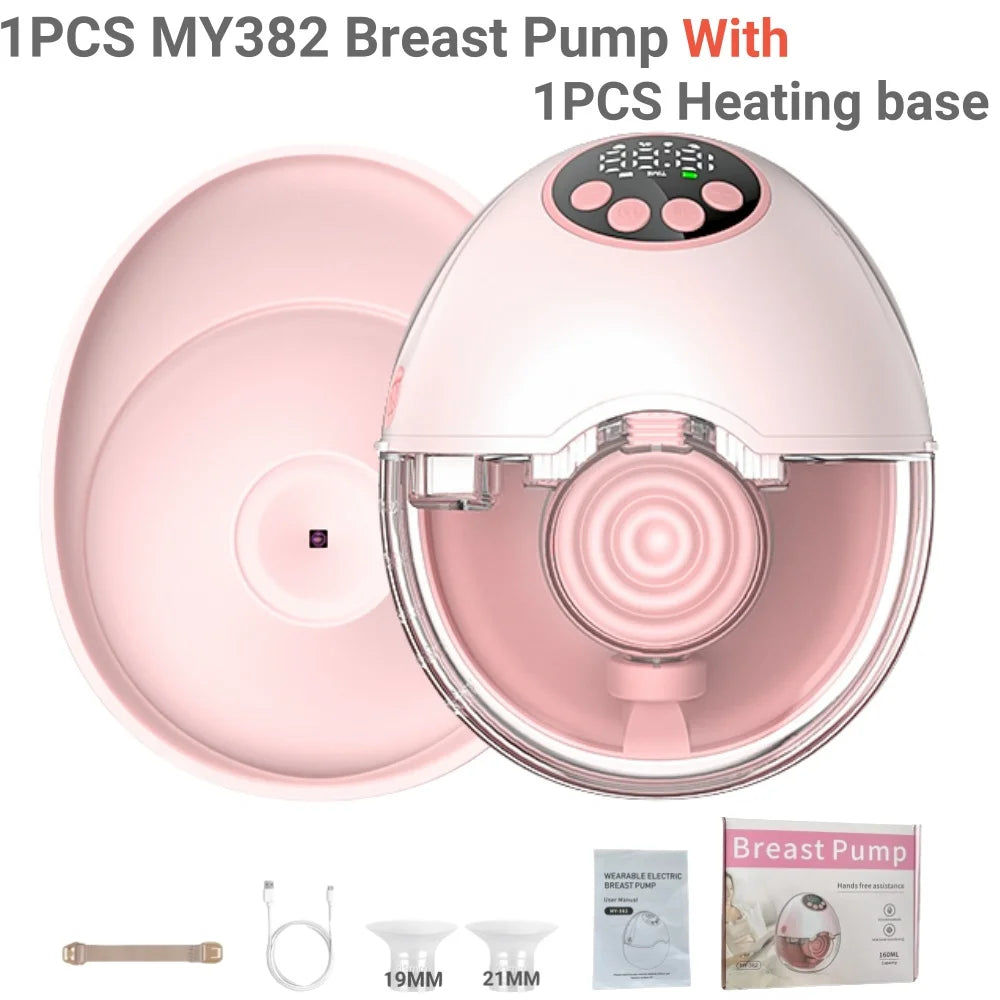
expressed breast milk in fridge, uv sterilization of milk — 💡 See it in action
Hands-Free Electric Breast Pump integrates with safe storage routines and helps busy parents keep milk fresh. Pair it with Bottle Warmers to speed night feeds.
Final practical checklist (printable)
- Label every container with date/time.
- Cool milk within 30 minutes of expressing.
- Store in back of fridge; rotate oldest first.
- Warm gently; never microwave.
- Sanitize equipment regularly (manual wash + UV or steam sterilizer).
Which baby gear suits your newborn best? Read on and start building a calm, safe feeding routine that saves milk, time, and sleep.
FAQ (short)
- Is breast milk safe after warming?
- Warm milk should be used immediately or within 2 hours at room temperature. Refrigerated warmed milk that baby didn't finish should be discarded.
- Can I mix freshly expressed milk with chilled milk?
- Yes — cool freshly expressed milk first in the fridge before adding to already chilled milk to avoid warming the stored batch.
- What’s the safest container?
- Use clean, BPA-free bottles or dedicated breast milk storage bags; glass or food-grade plastic works if sterilized.
Pillar Article: How to Increase Milk Flow: Proven Tips for Consistent Supply
Other Related Articles:
- Storage of Breast Milk Guidelines: Step-by-Step for Fresh Milk
- Breastfeeding for Working Moms: Effective Pumping Strategies
- Electric Breast Pumping 101: Step-by-Step Guide for New Moms
Explore More:





