

Does keeping toddlers safe indoors really get easier with a safety pillow?
Answer: Keeping toddlers safe indoors can be made simpler with targeted padding and supervision. An infant safe pillow designed for head protection reduces impact risk when a 6 month old falls and hits head, supports upright play, and creates a softer landing zone—paired with room-proofing steps, it lowers bump-related injuries and parental anxiety.
⏱ 8 min readKeeping Toddlers Safe Indoors: A Step-by-Step Guide to Using Safety Pillows
Every parent has felt the jolt when a baby topples for the first time. Are you worried about a 6 month old falls and hits head, or looking for simple, effective changes to make your home safer? This guide walks through step-by-step ways to use an infant safe pillow and other practical tactics so you can feel calm and confident at home.
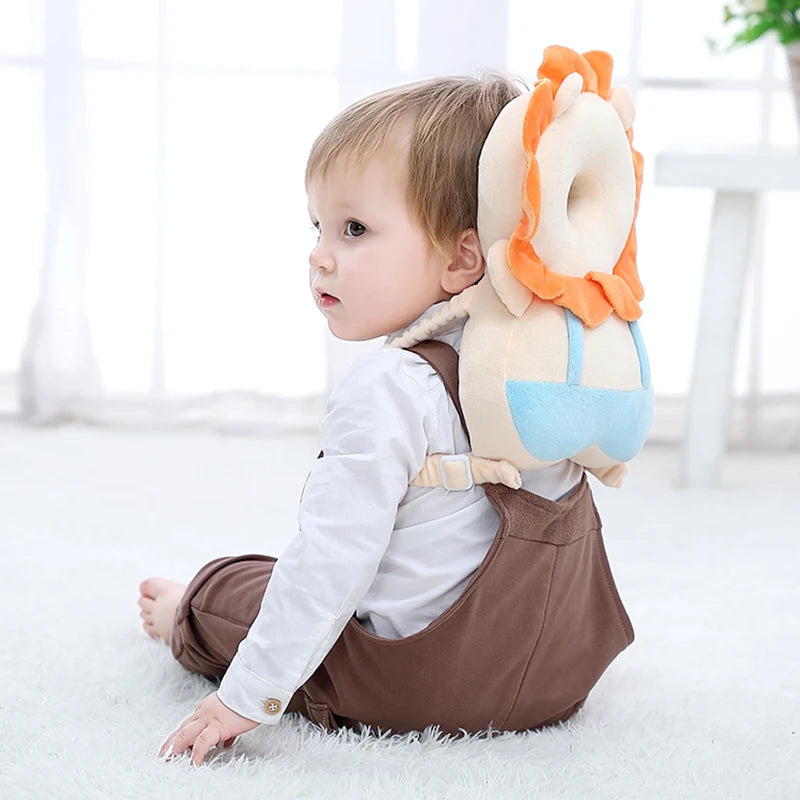
keeping toddlers safe indoors — 6 month old falls and hits head guidance + 💡 See it in action
Why safety matters for early crawlers
Babies around 6 months begin rolling, sitting up, and sometimes lunging forward. Those early milestones are exciting — and they increase exposure to falls and bumps.
When a 6 month old falls and hits head, most bumps are minor but consistent softening of the environment can prevent swelling, reduce crying episodes, and lower the chance of more serious injury.
How an infant safe pillow helps
Direct answer: An infant safe pillow absorbs and redistributes impact when a baby topples, reducing peak force to the skull and providing a soft contact surface, while also helping stabilize upright play and tummy-time positioning.
- Soften hard surfaces where infants spend time.
- Offer gentle neck/head cushioning during supervised play.
- Serve as a visual reminder for caregivers to slow down and watch close by.
Quick setup: 6 steps to safer play areas
Follow these ordered steps to create a safer indoor spot in minutes.
- Pick a low-traffic zone with flat flooring.
- Place a washable mat or foam base as the primary layer.
- Position the infant safe pillow near the sitting/play zone for head protection.
- Move small objects and cords out of reach.
- Keep a baby monitor or line-of-sight supervision while they explore.
- Practice short supervised sessions and adjust placement as they grow.
Daily usage tips and common mistakes
Positioning for different ages
- 4–6 months: Keep pillow close but not forcing head position; allow free movement.
- 6–9 months: Use as extra padding when practicing sitting and pulling up.
- 9+ months: Reevaluate—active climbers may need different protection or supervised boundaries.
Cleaning and maintenance
Choose a pillow with a removable, machine-washable cover. Wipe foam surfaces with gentle cleanser and air-dry completely before reuse.
Common mistakes to avoid
- Placing the pillow where it encourages unsafe leaning or use as a step.
- Using as a substitute for supervision—padding reduces force but doesn’t prevent all injuries.
- Neglecting cover hygiene—crumbs and spills can reduce breathability over time.
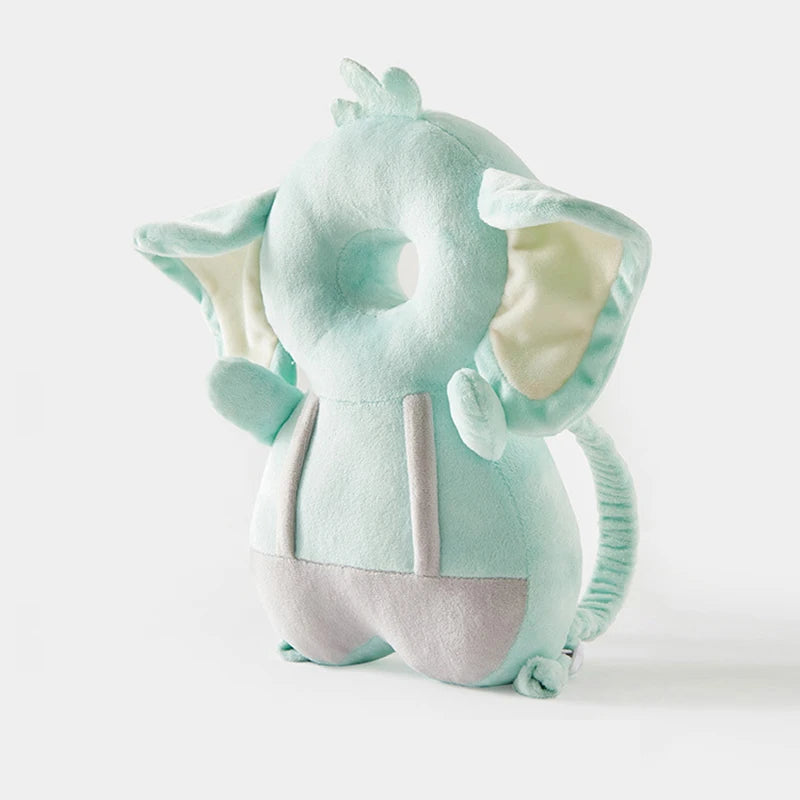
safety concerns for 6 month olds — infant safe pillow demo + 💡 See it in action
Choosing the right pillow & related gear
When comparing options, focus on materials, shape, breathability, and cleaning. Below is a quick comparison to help spot the right features.
| Feature | What to look for | Why it matters |
|---|---|---|
| Core material | Soft memory foam or impact-absorbing polymer | Distributes force to reduce peak impact |
| Cover | Removable, machine-washable, breathable fabric | Keeps hygiene and airflow |
| Shape | Low profile with rounded edges | Prevents tipping and reduces choking hazards |
| Certifications | Non-toxic, CPSIA-compliant materials | Peace of mind about chemicals and safety |
You can try a specialized option like the baby head protection pillow linked below to test how it fits into your routine: baby head protection pillow.
Related gear to consider
- Sleep & Comfort — soft bases and blankets for safe naps.
- Monitoring Devices — simple monitors to keep a second eye when hands are busy.
- Mobility & Training — soft barriers, low gates, and balance aids for older crawlers.
Visual comparison & pros/cons
Here’s a quick ✅/❌ list to clarify trade-offs.
- ✅ Softens impact zones without restricting movement.
- ✅ Easy to add and remove for supervised play.
- ❌ Not a replacement for supervision or safe sleep practices.
- ❌ May need replacement as baby becomes an active climber.
Room-proofing checklist (printable)
- Floor: soft mat or rug with non-slip backing.
- Outlets: covered and cords secured out of reach.
- Furniture: anchor tall items and pad sharp corners.
- Toys: avoid small parts, choose age-appropriate toys.
- Supervision: clear line-of-sight or a working monitor.
- Pillow placement: near sitting/play area, not under baby while sleeping.
Real parents: quick reviews and usage notes
"Saved us a lot of tears" — “Placing a small head pillow near the play mat reduced crying after tumbles. We still watch closely, but the soft landing cut down swelling.” — Jen, mother of a 7-month-old.
"Easy to clean" — “Removable cover made it quick to throw in with baby laundry after weeks of snacks.” — Marcus, dad of twins.
Mini-FAQ
- Is it safe to use a pillow while my baby naps?
- No. Do not use head-protection pillows as sleep surfaces. These are for supervised awake play only.
- Will the pillow hide signs of concussion?
- Padding reduces impact but doesn’t prevent concussion. If your baby shows vomiting, prolonged crying, unconsciousness, or unusual sleepiness after a fall, seek medical attention.
- How often should I replace the pillow?
- Inspect monthly. Replace if foam compresses permanently, the cover weakens, or baby becomes a climber who uses it as a step.
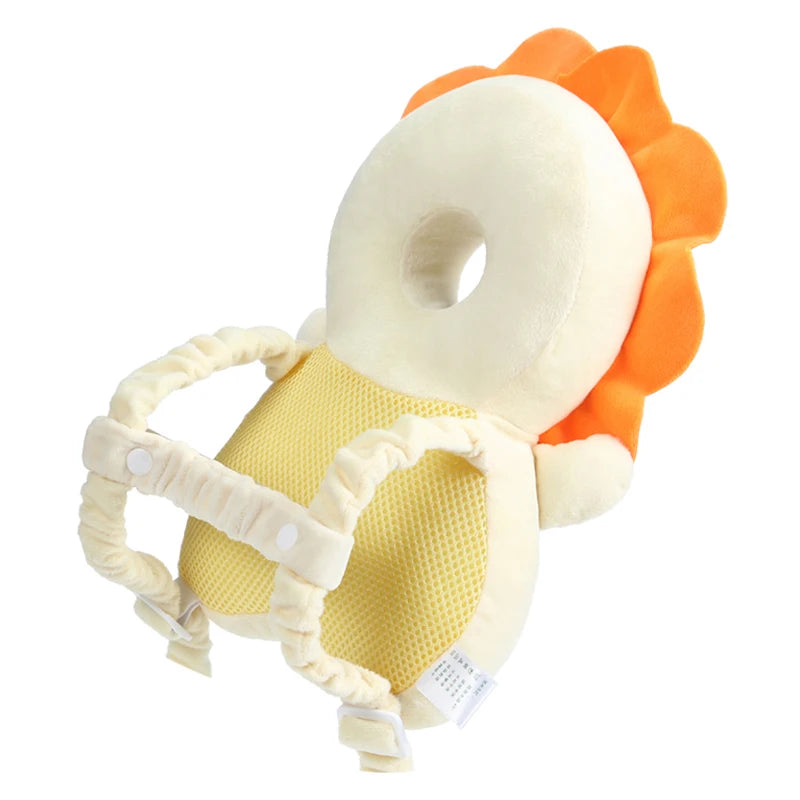
infant safe pillow — safety concerns for 6 month olds + 💡 See it in action
Practical proof & when to call a doctor
Minor bumps are common. Watch for these red flags: repeated vomiting, seizures, loss of consciousness, unusual drowsiness, or unequal pupil size. If you notice any of these, contact medical help immediately.
Final notes: balance safety with exploration
Keeping toddlers safe indoors is about layered protection: soft surfaces, smart gear like infant safe pillows, and mindful supervision. The goal is not to bubble-wrap childhood, but to let little ones explore with fewer hard knocks.
Want more easy setup ideas? See what complements a head protection pillow in our Health & Safety collection and browse soft sleep options under Sleep & Comfort.
Structured mini-FAQ (ready for markup)
Q: Can a pillow prevent head injury in babies?
A: A padded pillow reduces impact force for minor falls but does not prevent all injuries; it should be used during supervised awake play only.
Q: How do I position the pillow?
A: Place it near the sitting/play zone with a soft mat underneath, not under the sleeping baby. Check positioning as baby grows.
Q: When should I seek medical care after a fall?
A: Seek care for vomiting, seizures, loss of consciousness, severe or increasing drowsiness, or behavior changes after a fall.
Pillar Article: How to Cushion Toddler Falls Safely With the Right Protective Pillow
Other Related Articles:
- Soft Toddler Playtime Gear: How to Set Up a Safer Learning-Through-Play Space
- Toddler Crawling Accident Concerns Solved: How to Use Pillows for Safer Exploration
- All-Season Toddler Safety Pillow Tips for Everyday Play and Accident Prevention
Explore More:





