

Toddler Crawling Accident Concerns: What Parents Should Know About Falls, Head Bumps, and Safer Exploration
Toddler crawling accident concerns are common as babies become more mobile and curious. Many parents worry about an 8 month old falling and hitting head during crawling, pulling up, or exploring new spaces. Most minor falls are part of normal development, but knowing what to watch for, how to respond, and how to create a safer environment can help parents feel more confident.

toddler crawling accident concerns, 8 month old falling and hitting head — See it in action.
8 month old falling and hitting head: when is it serious?
An 8 month old falling and hitting head can be frightening, especially when babies are learning to crawl, sit steadily, and move faster than expected. During this stage, falls are common because balance, coordination, and awareness of surroundings are still developing.
Why falls are common at 8 months
At around eight months, many babies begin transitioning from rolling and sitting to crawling, climbing, and pulling up on furniture. These new movements increase the chance of losing balance or bumping into nearby objects. A baby falling during crawling stage is often part of learning how their body moves through space.
Most head bumps are minor
Small bumps, brief crying, and mild swelling can happen after everyday falls. A baby who quickly returns to normal behavior, feeds normally, interacts with caregivers, and remains alert often has a minor injury. However, every fall should be observed carefully because babies cannot explain pain or symptoms.
When the injury may be serious
A crawling baby head injury risk increases when a fall involves a significant height, a hard surface, a sharp edge, or unusual symptoms afterward. Seek medical advice when your baby’s behavior changes or when warning signs appear.
What to do immediately after your baby falls and hits their head
If your baby fell and hit head, what to watch for starts with a calm and careful assessment. Your response in the first few minutes helps you decide whether home observation is appropriate or whether medical guidance is needed.
Stay calm and check responsiveness
- Pick up your baby gently and comfort them.
- Check whether they respond to your voice and touch normally.
- Notice whether crying stops after comfort.
- Observe movement, alertness, and interaction.
Look for visible injuries
Check the area where your baby hit their head. Look for swelling, cuts, bruising, bleeding, or unusual changes. A small bump can occur after minor impacts, but larger swelling or open wounds may require medical advice.
Comfort and observe safely
Keep your baby comfortable and monitor behavior. Avoid shaking your baby, repeatedly pressing on an injured area, or immediately returning them to active play before checking that they seem normal.
Symptoms to watch for over the next 24 to 48 hours
Some symptoms after a fall appear immediately, while others may develop later. Careful observation is important after an 8 month old falling and hitting head incident.
Normal reactions
Common short-term reactions may include:
- Crying immediately after the fall
- Wanting extra comfort
- Mild tenderness around the bumped area
- Temporary fussiness
Warning signs requiring urgent care
Contact emergency services or seek urgent medical attention if your baby shows signs such as:
- Loss of consciousness
- Repeated vomiting
- Extreme sleepiness or difficulty waking
- Seizure activity
- Unusual confusion or inability to respond normally
- Weakness, difficulty moving, or loss of balance beyond normal development
- Fluid or blood coming from the nose or ears
Symptoms that can appear later
A baby can seem fine at first and develop symptoms later. Continue observing eating, sleeping, movement, and behavior during the following day or two after a concerning fall.
When to call your pediatrician or go to the emergency department
Call your doctor
Contact your pediatrician if you are unsure about the severity of a fall, your baby has a persistent change in behavior, or you notice symptoms that concern you but are not an immediate emergency.
Go to the emergency department immediately
Seek emergency care after a fall if your baby has severe symptoms such as unconsciousness, seizures, repeated vomiting, difficulty waking, or significant changes in normal behavior.
When observation at home is appropriate
Many minor falls can be monitored at home when the baby remains alert, behaves normally, and has no concerning symptoms. Continue regular supervision and follow your healthcare provider’s advice if you have concerns.
How to protect baby head while crawling
The best way to reduce crawling injuries is not by preventing movement but by creating a safer environment. Parents searching for how to protect baby head while crawling should focus on removing hazards, improving play areas, and supervising exploration.
Baby-proofing common fall hazards
- Cover sharp furniture corners and remove unstable objects.
- Secure heavy furniture that could tip over.
- Install safety gates near stairs.
- Keep floors clear of cords, small objects, and slippery items.
Safe play spaces
A designated crawling area with a stable play mat provides a more controlled environment for practicing movement. Keep toys within reach and allow enough open space for crawling without unnecessary obstacles.
Why pillows are not recommended for unsupervised protection
Although a safety pillow may seem helpful, loose pillows and soft items should not be used as a replacement for supervision or proper baby-proofing. Breathable infant pillow safety depends on appropriate use, and pillows should not be placed around sleeping babies or used as a guaranteed injury-prevention tool.
For supervised situations, some parents explore products such as the baby head protection pillow as an added comfort accessory during active play. It should always be used according to product instructions and never replace attentive supervision.
Preventing future falls during the crawling stage
Stairs and furniture
Stairs, sofas, beds, and changing tables are common areas where babies can fall. Use barriers where needed and never leave a mobile baby unattended on elevated surfaces.
Beds and changing tables
As babies become more active, even short moments on raised surfaces can create risks. Keep one hand on your baby during diaper changes and move supplies within reach before starting.
Floor surfaces and supervision
Safe crawling habits include regular floor checks, age-appropriate play areas, and active supervision. These toddler crawling safety tips help reduce preventable accidents while allowing babies to build strength and confidence.
Quick home safety checklist
- Furniture corners and sharp edges are addressed
- Stairs have appropriate safety barriers
- Small choking hazards are removed from the floor
- Play surfaces are stable and clean
- Baby is supervised during crawling practice
- Loose pillows and soft objects are removed from sleeping areas
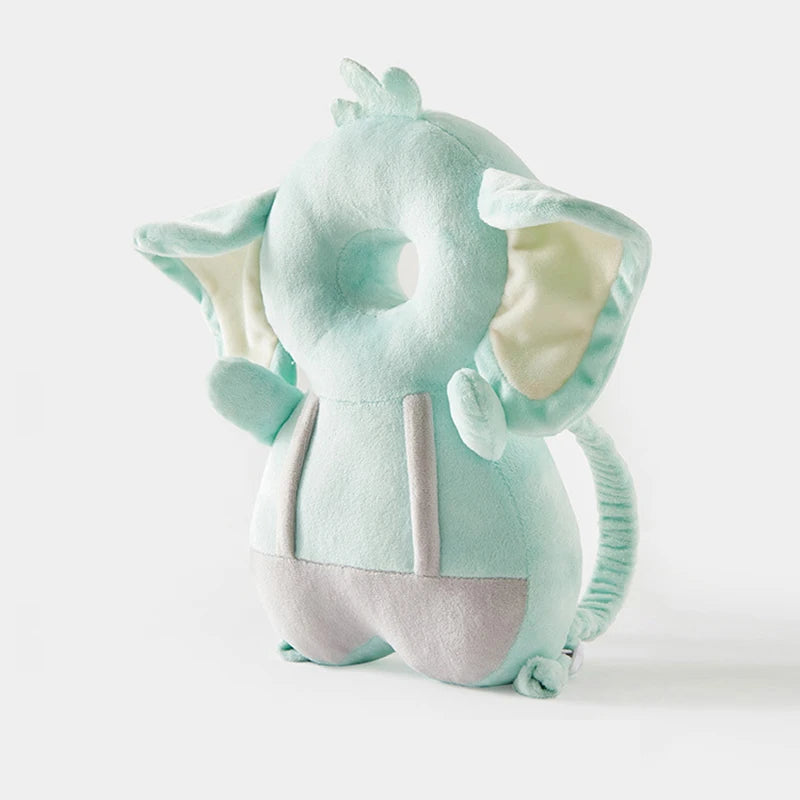
safe crawling environment and baby protection — See it in action.
Key takeaways for worried parents
An 8 month old falling and hitting head can feel alarming, but many crawling-stage falls are minor and part of normal development. The most effective approach combines supervision, thoughtful baby-proofing, and knowing when symptoms require medical attention.
Focus on creating a safe exploration space instead of trying to prevent every movement. Babies learn through crawling, reaching, and practicing new skills, while parents provide the environment and support that keeps those discoveries safer.
Frequently asked questions
-
Is it normal for an 8 month old to fall while crawling?
Yes. Falling is common when babies are learning to crawl, sit, pull up, and coordinate new movements. Supervision and a safer environment help reduce risks.
-
How long should I watch my baby after hitting their head?
Monitor your baby closely for changes in behavior, feeding, movement, and alertness during the next 24 to 48 hours after a concerning fall.
-
Should I let my baby sleep after a minor head bump?
After a minor bump, babies may sleep according to their normal routine if they are otherwise acting normally. If you are concerned about unusual sleepiness or difficulty waking, contact a healthcare professional.
-
What are the signs of a concussion in an infant?
Possible signs include unusual sleepiness, behavior changes, vomiting, balance problems, reduced interaction, or changes in normal feeding patterns.
-
When should I take my baby to the emergency room after a fall?
Seek emergency care for symptoms such as loss of consciousness, seizures, repeated vomiting, difficulty waking, or serious changes in behavior.
-
Can a baby seem fine at first and develop symptoms later?
Yes. Some symptoms may appear later, which is why observation after a fall is important.
-
How can I reduce crawling-related falls at home?
Remove hazards, secure furniture, create safe play areas, and supervise your baby during exploration.
-
Are infant pillows recommended to prevent head injuries?
No. Infant pillows should not be relied on to prevent head injuries. Safe environments, supervision, and proper baby-proofing are the primary ways to reduce crawling-related risks.





