

Does a safety pillow really cushion toddler falls?
Yes — a properly designed safety pillow for toddlers can help cushion certain everyday falls by absorbing and spreading some of the impact energy when a child tumbles. However, it is a supplemental safety tool, not a replacement for active supervision, age-appropriate play spaces, or proper home safety measures.
Understanding how toddler safety pillows work helps parents use them correctly. These protective products are designed for supervised activities such as early walking practice, standing attempts, and play near low-risk fall areas where a soft landing surface can reduce discomfort from minor bumps. The best designs balance impact absorption with breathability, comfort, and freedom of movement.
⏱ 12 min readHow to Cushion Toddler Falls Safely With the Right Protective Pillow
Those first steps are exciting—but the sudden backward tumbles, wobbly turns, and unexpected slips can make many parents feel anxious. This guide explains how to cushion toddler falls using a safety pillow designed for supervised play, while also covering realistic toddler fall protection strategies, safer environments, and practical ways to support confident movement.
A protective pillow can provide an additional layer of comfort during learning stages, but the safest approach combines the right product with supervision, secure furniture, clear play areas, and habits that reduce avoidable hazards.
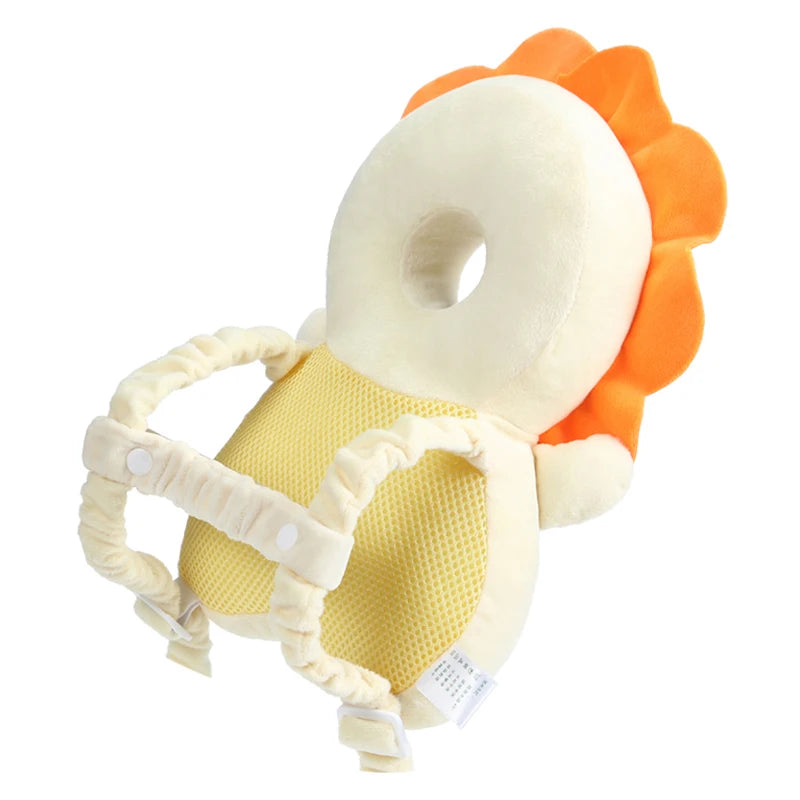
how to cushion toddler falls, breathable infant pillow — See it in action
Curious which baby gear features support safer exploration? Learn what matters most in protective design, comfort, and everyday use.
Why protect toddlers from falls?
Falls are a normal part of early childhood development. As toddlers learn to stand, walk, climb, and explore, they are constantly testing balance, coordination, and movement skills. Their center of gravity is still developing, and their reactions are not yet as quick or controlled as those of older children.
Most toddler falls are minor and help children learn how their bodies move. However, parents can still take steps to reduce unnecessary risks. Combining toddler fall protection products with safe surroundings can make everyday exploration more comfortable while allowing children to build confidence.
Quick answer: how to cushion toddler falls
How to cushion toddler falls: use a breathable protective pillow for babies or toddlers during supervised activities where backward or sideways falls are likely, place it near the expected landing area, and combine it with safe flooring, secure furniture, and active supervision.
A safety pillow works best as an extra layer of protection—not as a guarantee against injury. Parents should continue watching closely, especially when toddlers are learning new movements or exploring unfamiliar spaces.
How to choose a safety pillow that actually works
Choosing the right protective pillow requires looking beyond appearance. A reliable safety pillow for toddlers should balance impact protection, comfort, airflow, and practical daily use. Features such as the internal material, shape, fit, and cleaning requirements all affect how useful the product will be in real family routines.
What to look for (benefit-first)
- Impact absorption: Look for layered materials or cushioning structures designed to absorb and distribute force rather than simply compressing on impact.
- Breathability and airflow: Open-cell materials, ventilation channels, or breathable mesh covers can improve comfort during active play and help reduce heat buildup.
- Secure and comfortable fit: A protective pillow should stay positioned correctly without limiting natural movement or making walking practice uncomfortable.
- Washable cover: Removable, easy-clean covers help maintain hygiene because toddler gear often encounters sweat, spills, and everyday messes.
- Lightweight design: A compact pillow is easier to move between play areas, bedrooms, and childcare spaces.
- Material safety considerations: Choose products made with child-appropriate materials and review manufacturer information about testing and safety standards.
Materials explained
The materials inside a protective pillow affect how it responds during a fall. Memory foam can slowly absorb pressure and distribute impact, while other polyurethane foams may provide a softer, more responsive feel. Many effective designs combine a softer outer layer with a supportive inner structure to improve both comfort and cushioning.
Breathable designs are especially important for active toddlers. Mesh covers, ventilation openings, and lightweight foam structures can help improve airflow while keeping the pillow comfortable during supervised use.
How to use a protective pillow safely
A protective pillow for babies and toddlers works best when parents use it intentionally. Correct placement, supervision, and realistic expectations are essential for safer use during walking practice, play, and movement activities.
- Choose the right location: Place the pillow near areas where falls are more likely, such as beside low furniture, during supervised standing practice, or near a soft play zone.
- Position it near the expected impact area: For backward falls, place the pillow behind the child. For sideways slips, position it beside the likely landing area.
- Keep the pillow stable: Use any included straps or place it securely so it does not slide away when pressure is applied.
- Stay within reach: A safety pillow supports protection but does not replace adult supervision. Keep toddlers closely monitored during use.
- Avoid inappropriate situations: Do not use protective pillows as sleep pillows or leave infants and toddlers unattended with them unless the product instructions specifically allow it.
- Maintain cleanliness: Follow care instructions, wash removable covers regularly, and inspect the cushion for signs of wear.
Quick tip: During standing and early walking practice, kneel nearby and place the protective pillow between your toddler and nearby hard surfaces. This creates a softer landing option while still allowing your child to practice balance and independence.
Want hands-on guidance? Check product details and features to match your family's routines. See this protective pillow.
Simple home safety habits that reduce falls
Creating a safer environment is one of the most effective ways to support toddler fall protection. A protective pillow can provide additional cushioning during supervised activities, but reducing hazards around the home helps prevent many common accidents before they happen.
Safer layouts and surfaces
- Keep walking paths clear: Remove loose rugs, charging cables, small toys, and clutter that can cause toddlers to trip while practicing new movements.
- Create softer play zones: Use play mats, child-safe flooring, or low-pile carpets in areas where toddlers frequently stand, crawl, climb, and explore.
- Improve lighting: Bright, consistent lighting helps toddlers and caregivers see obstacles, steps, and changes in floor height more clearly.
- Protect sharp edges: Add appropriate edge guards to hard furniture corners, tables, and other surfaces located in active play areas.
- Secure furniture: Anchor heavy furniture such as bookcases, cabinets, and televisions to reduce tipping risks when toddlers pull up or climb.
- Choose safer flooring: Prioritize surfaces with good traction and cushioning where toddlers spend the most time practicing balance and movement.
Daily routines that support safer play
- Encourage natural movement: Barefoot indoor walking on safe surfaces can help toddlers develop balance and improve their awareness of foot placement.
- Keep practice sessions age-appropriate: Short, supervised periods of walking and climbing practice can reduce fatigue-related slips and mistakes.
- Organize toys after play: Store unused toys away from walking paths to prevent accidental trips.
- Supervise active exploration: Stay nearby during climbing, standing practice, and movement around furniture.
- Use protective products appropriately: A protective pillow for babies and toddlers is best used during supervised activities where extra cushioning may be helpful.
For product ideas that support daily routines, check the Mobility & Training collection or add damped surfaces via Sleep & Comfort accessories.
Protective pillows vs. helmets vs. padded clothing
Different toddler protection products serve different purposes. The right choice depends on your child's activity level, environment, and the type of fall risk you are trying to reduce.
| Option | Main benefit | When to use | Limitations |
|---|---|---|---|
| Protective pillow | Provides soft cushioning for common indoor tumbles, especially backward falls during early walking practice. | Supervised play, standing practice, low furniture areas, and learning movement skills. | Requires correct positioning and does not replace adult supervision or safe environments. |
| Soft helmet | Offers broader head coverage during certain higher-risk activities. | Outdoor activities, balance bikes, or situations involving harder surfaces and greater movement speed. | May feel uncomfortable for extended wear and is not intended for sleep. |
| Padded clothing | Adds cushioning around areas such as hips, knees, and the back during active play. | Rough-and-tumble play, playground activities, or movement-focused games. | Can feel bulky and may provide less targeted protection for direct head impacts. |
When each option is appropriate
- Choose a protective pillow: When your toddler is learning to stand, taking first steps, or playing in a controlled indoor area where backward tumbles are common.
- Consider a helmet: When activities involve speed, wheels, outdoor surfaces, or a greater chance of harder impacts.
- Consider padded clothing: When protecting the body during active games where falls onto knees, hips, or elbows are more likely.
No product can prevent every fall or guarantee protection from injury. The most effective approach combines suitable safety gear with supervision, childproofing, and age-appropriate activities.
Pros & cons (quick list)
- ✅ Protective pillows: Convenient for indoor use, lightweight, and designed to provide cushioning during supervised learning activities.
- ❌ Protective pillows: Can shift out of position and should never create a false sense of security.
- ✅ Helmets: Useful for selected outdoor activities where head impacts may be more likely.
- ❌ Helmets: May limit comfort and are generally unnecessary for normal indoor walking practice.
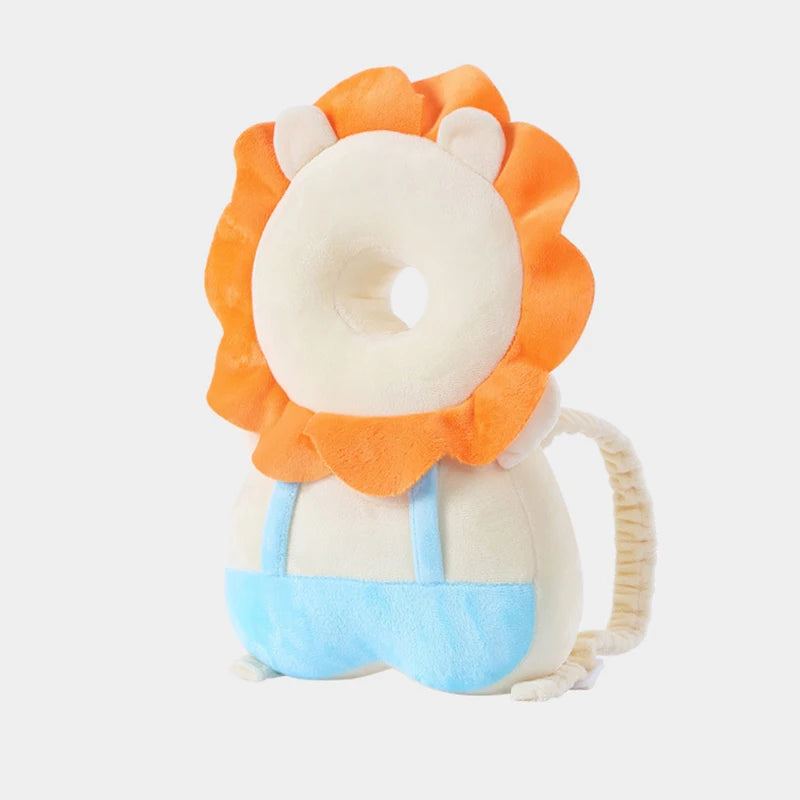
injury prevention for infants, safety pillow in daily routines — See it in action
Care, cleaning, and replacement
Proper care helps a protective pillow for babies remain comfortable, hygienic, and effective during supervised toddler activities. Regular cleaning and inspection also help parents identify when the product may need maintenance or replacement.
- Clean the cover regularly: Wash removable covers according to the manufacturer's instructions, especially after frequent daily use, spills, sweat, or outdoor exposure.
- Protect the inner cushion: Avoid soaking foam components unless the product instructions specifically allow it. Excess moisture can affect materials and drying time.
- Allow proper airflow: Air out the pillow in a dry, ventilated area when needed to reduce moisture buildup and maintain freshness.
- Inspect for wear: Check monthly for flattened areas, damaged seams, tears, loose straps, or changes in the cushioning structure.
- Replace when performance declines: A pillow should be replaced if the inner material no longer returns to its original shape, visible damage affects safety, or the manufacturer recommends replacement.
- Store correctly: Keep the pillow in a dry location away from direct sunlight, heaters, and excessive heat that may degrade fabrics or foam over time.
Safety guidelines and when to seek medical attention
A safety pillow can provide an additional cushioning layer during supervised play, but it does not eliminate the possibility of injury. Parents should still monitor toddlers after falls, especially when a child hits their head or falls from a higher surface.
Seek medical advice or contact a healthcare professional if your toddler experiences warning signs after a fall, including:
- Loss of consciousness: Any period of unconsciousness after an impact should be evaluated.
- Changes in behavior: Unusual confusion, extreme irritability, difficulty waking, or persistent drowsiness may require medical guidance.
- Repeated vomiting: Multiple episodes of vomiting after a head impact should be discussed with a medical professional.
- Worsening symptoms: Increasing headache, balance problems, weakness, seizures, or symptoms that become more severe over time need prompt attention.
- Visible injuries: Deep cuts, uncontrolled bleeding, or significant swelling should be assessed.
What to do immediately after a toddler fall
- Stay calm and check your child: Comfort your toddler and observe their reactions, movement, and alertness.
- Look for visible injuries: Check for bumps, swelling, cuts, or areas causing pain.
- Monitor behavior: Continue watching for changes in normal activity, eating, sleeping, or interaction.
- Contact a healthcare provider when unsure: If a fall seems unusual, symptoms appear, or you are concerned about the impact, seek professional advice.
Use a protective pillow as one part of a broader toddler fall protection strategy. Safe environments, close supervision, and age-appropriate activities remain the most important factors in reducing preventable injuries.
For solutions that pair well with daily comfort and protection, explore the Health & Safety and Sleep & Comfort collections.
Evidence-based recommendations for preventing toddler falls
Effective toddler fall protection combines child development knowledge, safer environments, active supervision, and carefully selected products. A protective pillow for babies can provide an extra cushioning layer during supervised activities, but it works best as part of a broader safety approach rather than as a replacement for prevention.
- Support natural development: Toddlers learn balance, coordination, and body awareness through movement. Safe opportunities to practice walking, climbing, and exploring help build these skills.
- Reduce avoidable hazards: Pediatric safety guidance consistently emphasizes creating safer spaces by securing furniture, removing tripping hazards, and providing suitable play surfaces.
- Choose products with realistic expectations: A safety pillow for toddlers may soften certain falls, especially backward tumbles during supervised play, but it cannot prevent every injury or replace close monitoring.
- Prioritize comfort and correct design: Breathable materials, secure positioning, and impact-absorbing construction help make protective products more practical for everyday use.
When choosing toddler fall protection products, focus on how the item fits into your child’s routine, environment, and developmental stage. The safest approach combines prevention, supervision, and age-appropriate gear.
Toddler fall prevention checklist
Use this quick checklist to create a safer environment while your toddler develops new movement skills:
- Home safety: Furniture is anchored, sharp edges are covered, and pathways are free from loose objects.
- Play areas: Walking and climbing practice takes place on stable surfaces with enough space to move safely.
- Supervision: An adult stays nearby during early walking, climbing, and activities with higher fall risk.
- Protective products: A breathable protective pillow for babies is used only during supervised awake time and positioned correctly.
- Maintenance: Covers are cleaned regularly, materials are inspected, and damaged products are replaced.
Ready to try a safety pillow that parents trust? Order the baby head protection pillow and add a layer of cushion to playtime today.
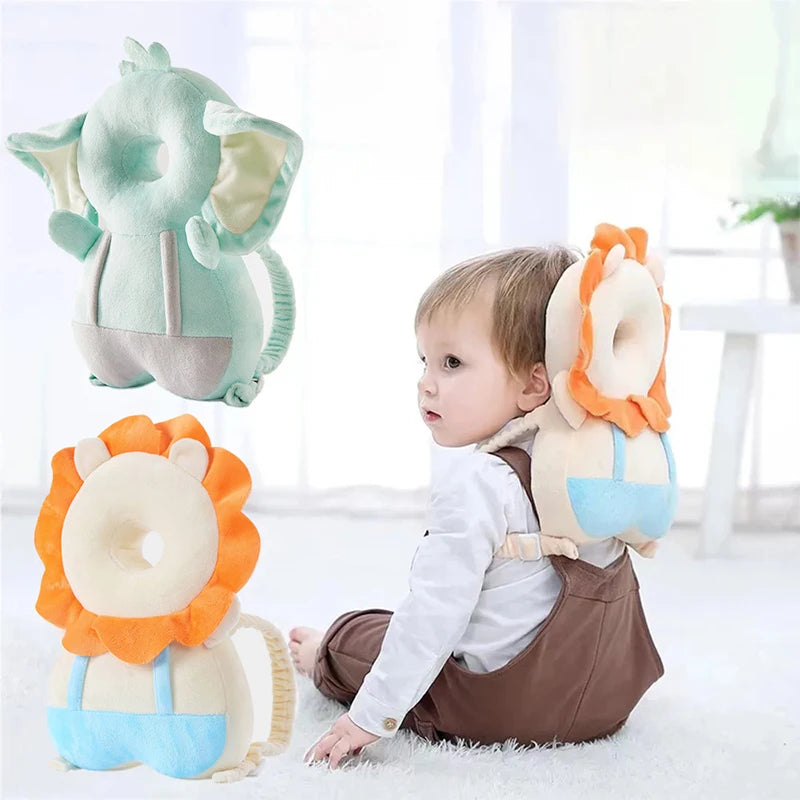
safety pillow, injury prevention for infants — See it in action
Safety guidelines and when to seek medical attention
A safety pillow for toddlers can provide an additional layer of cushioning during supervised play, but it does not eliminate the possibility of injury. The most effective toddler fall protection approach combines safer spaces, age-appropriate activities, and active adult supervision.
After a fall, observe your child and look for signs that may require medical advice. Contact a healthcare professional if your toddler experiences:
- Loss of consciousness: even a brief period of unresponsiveness after a fall should be evaluated.
- Repeated vomiting: ongoing vomiting, increasing sleepiness, or difficulty waking can be warning signs.
- Unusual behavior: confusion, extreme irritability, weakness, or changes from your child’s normal behavior.
- Severe symptoms: worsening headache, seizures, trouble walking, vision changes, or a deep wound.
- High-risk falls: falls from significant heights, hard surfaces, or situations where the impact was especially forceful.
When a toddler hits their head, stay calm, comfort your child, and monitor them closely. A protective pillow is designed for injury prevention for infants and toddlers during everyday activities, but it should always be used as a safety supplement rather than a medical safeguard.
Care, cleaning, and replacement
Proper care helps maintain the performance, hygiene, and comfort of a protective pillow for babies. Regular inspection is especially important because materials can wear down with frequent use.
- Clean the cover regularly: Wash removable covers according to the manufacturer’s instructions, especially after daily play sessions or spills.
- Inspect the cushioning materials: Check for flattened foam, cracks, tears, or reduced rebound that may affect impact absorption.
- Keep it dry: Allow the pillow to air out when needed and store it away from moisture, excessive heat, and direct sunlight.
- Replace when damaged: A pillow that no longer maintains its shape or has visible wear may not provide the same level of cushioning.
Frequently asked questions
-
Are safety pillows safe for toddlers?
Yes, when used correctly during supervised awake activities. A safety pillow for toddlers should not be used for sleep and should never replace safe surroundings or adult supervision.
-
Do protective pillows prevent head injuries?
No. Protective pillows are designed to cushion certain impacts and may reduce the severity of minor bumps, but they cannot prevent all injuries. Fall prevention, home safety, and supervision remain essential.
-
What is the best pillow for toddler fall protection?
The best option is one that combines impact-absorbing materials, breathable construction, a comfortable fit, secure positioning, and easy cleaning. A breathable infant pillow designed for supervised play can be a practical choice for early walking stages.
-
How do toddler safety pillows work?
Toddler safety pillows work by using cushioning materials that absorb and distribute some of the force created during a fall. Designs with supportive inner cores and breathable outer layers aim to balance protection and comfort.
-
Should toddlers wear protective helmets while learning to walk?
Most toddlers learning normal walking skills do not need helmets indoors. Helmets may be more appropriate for specific higher-risk activities, such as certain outdoor sports or riding toys, where impact risks are different.
-
What should I do if my toddler hits their head after a fall?
Comfort your child, check for visible injuries, observe their behavior, and monitor for warning signs such as vomiting, unusual sleepiness, confusion, or worsening symptoms. Seek medical guidance if you are concerned.
-
How can I protect my toddler from falls at home?
Create safer play zones, secure furniture, remove tripping hazards, improve lighting, use suitable flooring, and supervise activities that involve climbing or unstable surfaces. A protective pillow can add extra cushioning during supervised practice.
-
When should I take my toddler to the emergency room after a fall?
Seek urgent medical care after serious falls, loss of consciousness, seizures, breathing problems, severe symptoms, or any situation where your child’s condition appears concerning or rapidly changes.
Key takeaways: safer exploration with confidence
Toddler falls are a normal part of learning balance, coordination, and independence. The goal is not to prevent every stumble, but to create an environment where children can explore safely while parents reduce avoidable risks.
Learning how to cushion toddler falls starts with choosing appropriate protective products, maintaining safe play areas, and understanding the limits of any safety gear. A well-designed protective pillow can support early walking and active play when combined with supervision, home safety improvements, and healthy developmental routines.
Related resources: Check Baby Care Essentials for must-have comfort items and Health & Safety for more protective solutions.
- Day 1: Create a safer walking area, remove hazards, and supervise short movement sessions.
- Day 2: Add protective cushioning to common fall zones and review your child’s play environment.
- Day 3: Check product condition, adjust placement, and continue encouraging safe independent movement.
Want to try a protective pillow now? Click here to view the baby head protection pillow and add an extra layer of comfort and protection during play.
Related Articles:
- Soft Toddler Playtime Gear: How to Set Up a Safer Learning-Through-Play Space
- Toddler Crawling Accident Concerns Solved: How to Use Pillows for Safer Exploration
- All-Season Toddler Safety Pillow Tips for Everyday Play and Accident Prevention
- Keeping Toddlers Safe Indoors: A Step-by-Step Guide to Using Safety Pillows
Pillar Articles:





