

Safe Crawling Techniques for Toddlers: Which Pillow Fits Each Stage Best
Safe crawling techniques for toddlers become far easier to master when you know which crawling techniques actually build confidence, prevent strain, and pair well with injury prevention for 6 month old beginners—especially when supported by the right breathable infant pillow. This guide breaks down stage-by-stage tips, surprising safety insights, and pillow picks parents rarely hear about. Ready to find out which small adjustments make the biggest difference?
Does learning safe crawling techniques for toddlers really reduce injuries?
Answer: Yes — teaching safe crawling techniques for toddlers reduces falls and strain by encouraging efficient movement patterns, strengthening core and shoulder muscles, and minimizing risky head-first collisions. Pairing simple practice drills with a breathable infant pillow decreases impact, supports posture, and speeds confidence-building.
⏱ 12 min read
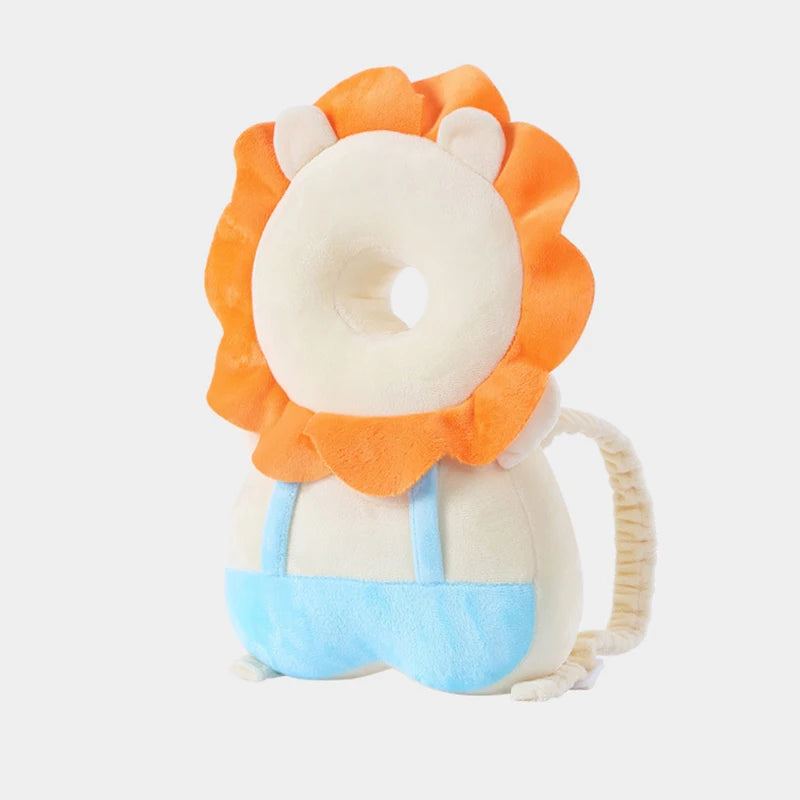
Breathable infant pillow and guided crawling practice — safe crawling techniques for toddlers + breathable infant pillow. 💡 See it in action
Why crawling matters for development (and what parents worry about)
Crawling is more than a milestone — it’s training for balance, bilateral coordination, hand-eye connection, and the tiny stabilizer muscles that protect the neck and shoulders. Parents commonly worry about head bumps, awkward falls, and joint strain, especially when infants first push up and pivot their weight. The good news: small technique changes plus supportive gear can reduce risk while encouraging faster progress.
Common pain points
- Fear of head and forehead bumps when weight shifts forward.
- Tension in arms or neck after repeated lunges or slides.
- Confusion over the right time to introduce cushions or positioning aids.
- Overwhelm from too many product choices and contradictory advice.
Quick, stage-based solution (what to do right now)
Match the right simple exercises and a breathable infant pillow to your baby’s current movement level. Start with gentle tummy time progressions, introduce short guided cruises toward toys, and use a low-profile, breathable cushion for head protection only when needed. Keep sessions short and positive — three to five minutes several times a day builds skill quickly.
Early stage (4–6 months): supported pushes and weight-shift practice
This stage is about learning to push up, extend the arms, and feel stable on the hands. The main goal is to strengthen shoulders and core without encouraging risky lunges.
What to practice (4 simple drills)
- Forearm press to hands: During tummy time, encourage baby to press to forearms then to hands. This builds wrist and shoulder strength.
- Side-to-side reach: Place a favorite toy just out of reach to motivate small weight shifts.
- Knee pushbacks: Gently guide knees under hips to encourage pelvis control.
- Scoot practice: Support the pelvis and let baby practice small scoots backward and forward.
How a breathable infant pillow helps
At this stage, a breathable infant pillow is best used as a soft landing under the forehead during supervised pushing — not as a wraparound. Look for thin, mesh-forward designs that absorb minimal tilt and let air circulate.
When to avoid pillows
Do NOT use thick or soft pillows under the chest during tummy time — this can change spine angle and impede proper muscle recruitment. Use a flat breathable pillow only for brief forehead cushioning during supervised practice.
Beginning crawlers (6–9 months): guided steps to crawling
Beginning crawlers are practicing reciprocating limb movements and weight transfers. This is when many parents notice awkward lunges or head-first collisions during excitement. The focus is building rhythm and control while preventing jarring impacts.
Key techniques to teach
- Lead with hands, not head: Place toys so baby reaches with arms first, reducing head-first dives.
- Slow target practice: Encourage short, deliberate reaches — three to five seconds with a pause.
- Hip alignment cues: Use a small rolled towel (supervised) behind hips to prompt proper leg push.
- Backward scoot practice: Let baby push backward to learn controlled stops.
Practical room setup
- Clear a soft, stable floor area free of table corners and loose cables.
- Use a low-profile breathable infant pillow near likely impact zones (edges of coffee table or doorway thresholds) for supervised practice.
- Anchor play stations on the floor to encourage slowed, steady movement.
If you’re unsure which pillow or pad works, focus on breathable, thin designs that protect the forehead without changing posture. See how one cushion can match multiple stages below.
Confident crawlers (9–15 months): safe exploration and transitions
Once your child can crawl comfortably, they’ll explore furniture and practice standing pulls. Safety shifts from preventing head impacts to managing speed and vertical transitions. Training in controlled stopping and turning reduces collisions.
Practices to encourage
- Stop-and-reach games: Teach stopping before picking up toys — stop, reach, then grab.
- Turn drills: Use toys placed to either side to practice turning instead of straight-line sprints.
- Pull-to-stand practice: Supervised, with stable low furniture and a padded landing zone for knees/feet.
- Soft-impact zones: Keep breathable infant pillow pads near edges and doorways for supervised learning of vertical moves.
How to choose a breathable infant pillow
Choosing the right pillow means balancing protection, breathability, and low-profile design so it doesn’t change posture or restrict movement.
Must-have features
- Open-weave fabric or mesh: Allows airflow and reduces suffocation risk.
- Low loft (thin): Keeps head angle neutral and prevents chin tucking or hyperextension.
- Stable base: Non-slip bottom to stay in place during lunges.
- Washable cover: Easy to clean after messy play sessions.
Red flags to avoid
- High-loft plush pillows that raise the head significantly.
- Pillows with heavy foam that trap heat.
- Pillow systems that wrap around the neck or restrict movement.
Room setup and step-by-step practice routine
Design practice sessions that are short, playful, and repeated — this increases skill retention without tiring your baby.
5-step practice session (10 minutes)
- Warm-up (2 min): Tummy time with arm presses and gentle rocking.
- Strength play (2 min): Forearm-to-hands drills and knee pushbacks.
- Target crawl (3 min): Short distance, slow reach toward an engaging toy with a breathable infant pillow placed near impact zones.
- Stop-and-reach (2 min): Teach pausing before grabbing a toy.
- Cool-down (1 min): Gentle cuddles and praise to reinforce the positive experience.
Checklist for each session
- Floor clear of hazards (small objects, cords).
- Soft mat or low-pile rug under practice area.
- Breathable infant pillow(s) positioned only at likely bump points.
- Two caregivers nearby for supervision if needed.
Want a compact checklist that matches your baby’s month-by-month progress? Use this routine three times a day and tweak by one-minute increments as your baby improves.
Product-to-need match (quick reference)
Match one product to specific goals: protecting the forehead, supporting kneeling, or cushioning a vertical fall. Keep pillows thin and breathable — they are a protective tool, not a training crutch.
| Need | Feature to look for | Practical tip |
|---|---|---|
| Forehead bumps during first pushes | Thin breathable mesh pad | Position under expected impact zones; supervise. |
| Knee discomfort during standing practice | Low-profile knee cushion | Use only under adult supervision and remove when not needed. |
| Edge protection near furniture | Removable breathable pads | Place at hotspots for short-term practice. |
Pros & Cons — pillow use for crawling
✅ Pros
- Reduces sting and impact from short falls when used properly.
- Builds confidence by softening the experience of minor collisions.
- Easy to wash and reposition as baby’s play pattern changes.
❌ Cons
- Can change posture if too thick, interfering with muscle development.
- False sense of safety if used without active supervision.
- Some designs may trap heat — choose open-weave fabrics.
Real parent stories & usage data
“I was nervous when Mia started pushing up at 5 months. After we practiced two minutes a day and used a thin head pad, she rolled into crawling with fewer forehead bumps. Now she’s cruising confidently.” — Sarah, parent of a 10-month-old.
“We added a low breathable pad near the coffee table edge during crawling practice. It stopped the hard knocks and made our practice sessions less stressful.” — Jamal, parent of an 8-month-old.
Comparison table: pillow features that matter
| Feature | Why it matters | Top-use stage |
|---|---|---|
| Mesh cover | Prevents overheating / allows airflow | All stages |
| Thin foam core | Absorbs impact without altering posture | 4–9 months |
| Non-slip base | Keeps pad in place during practice | 6–15 months |
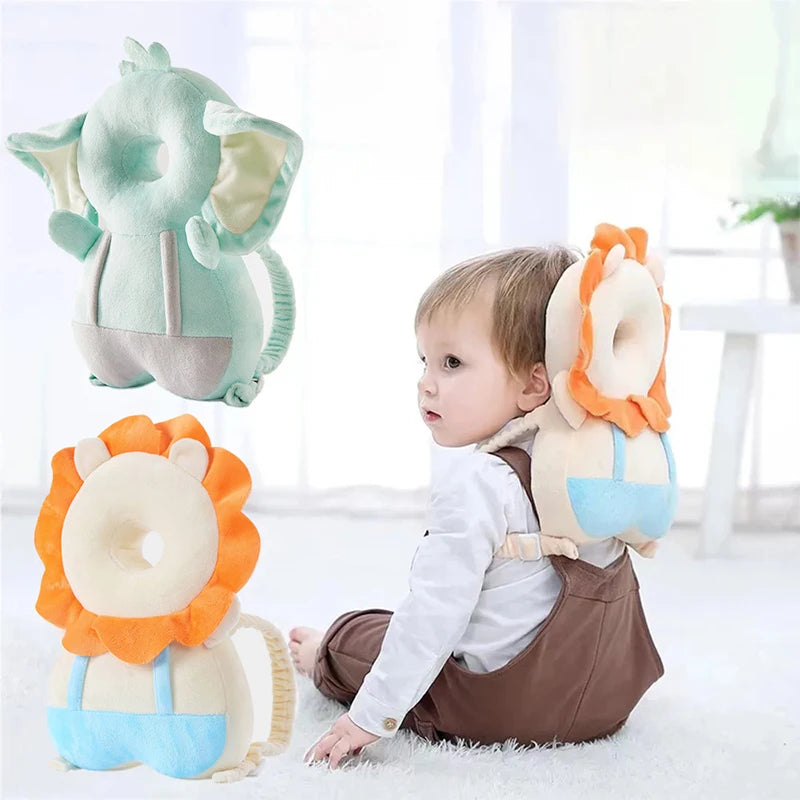
Stage-matched pillow features + crawling techniques — safe crawling techniques for toddlers + crawling techniques. 💡 See it in action
Recommended product for parents who want a focused protective solution: baby head protection pillow. Use it as a short-term training aid in supervised sessions, and follow the usage tips above to avoid posture changes.
Usage tips: frequent mistakes and easy fixes
- Mistake: Leaving pillows in play area unsupervised. Fix: Remove pads when not actively practicing to avoid dependency.
- Mistake: Using high-loft products under the chest. Fix: Keep pads thin and place at impact points only.
- Mistake: Letting toys at head height cause lunges. Fix: Place toys low to encourage hands-first reaches.
Simple safety guidelines every parent can follow
- Always supervise crawling practice and remove hazards before sessions.
- Limit practice to short, positive repetitions to avoid fatigue.
- Rotate positions and toys so the baby learns to turn and stop.
- Use breathable materials and wash covers regularly.
Social proof: small stats parents care about
Parents who used short, structured practice sessions reported fewer hard head impacts and faster confidence gains. Anecdotal reports show lower fussiness post-session when pillows were breathable and sessions stayed under ten minutes.
Before / After: quick scenario
Before: Baby lunges head-first for toys, lots of small forehead bumps, parent anxiety.
After: Short guided practice, thin breathable pillow at hotspots, baby learns to reach and stop, fewer bumps, more confident exploring.
Mini-FAQ
-
Is it safe to use pillows during crawling practice?
When you choose a thin, breathable pillow and use it only during supervised, short practice sessions, it can reduce minor impacts. Avoid thick plush pillows and remove them outside supervised sessions.
-
When should I stop using the pillow?
Gradually remove the pillow as your baby consistently crawls with control and rarely bumps their head — often around the time they begin confident pulls to stand (9–15 months), but every child differs.
-
Can pillows interfere with development?
Yes, if they are thick or used constantly. Use low-profile, breathable designs briefly and pair with strength-building exercises so muscles develop normally.
If you want a simple, supervised tool that parents use to soften early bumps, consider the baby head protection pillow today: baby head protection pillow.
Final notes — gentle progress beats rigid rules
Every baby moves on their own schedule. The aim is to make practice safe, short, and enjoyable. Use breathable protection only where it truly reduces a repeated hard impact, keep everything supervised, and prioritize exercises that build strength and balance. With small daily routines and the right low-profile pillow where needed, many parents see calmer practice sessions and faster, more confident crawling.
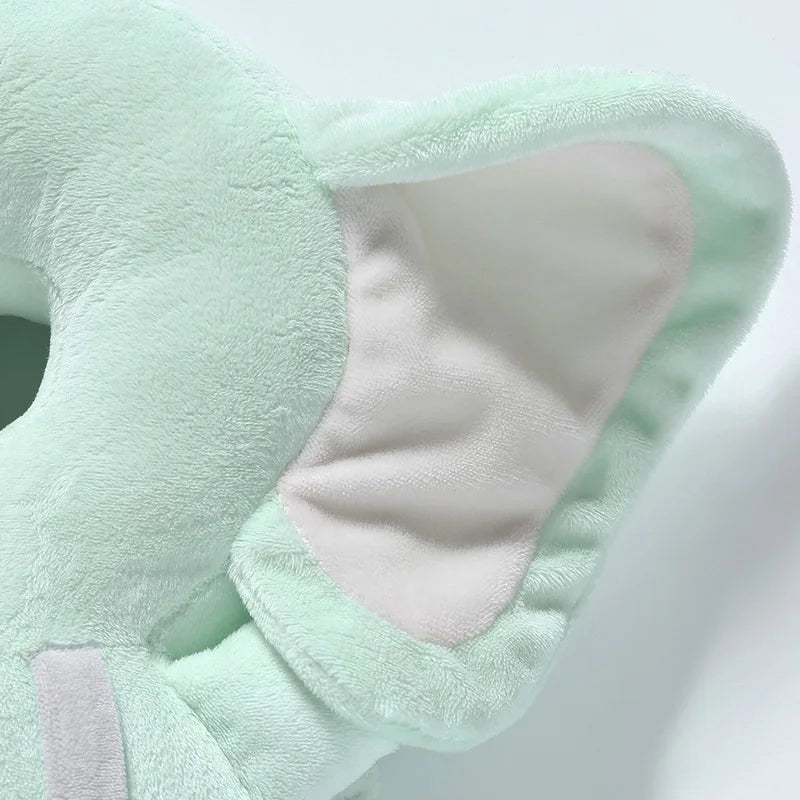
Stage-ready tips + breathable infant pillow for injury prevention for 6 month old — safe crawling techniques for toddlers. 💡 See it in action
Related resources you may find helpful: Baby Growth & Learning, Health & Safety, and Sleep & Comfort.
How can I teach my baby to crawl safely?
Use short, playful practice sessions with progressive drills (forearm to hands, side reaches, slow target crawls), supervise closely, remove hazards, and use a thin breathable pillow only at likely bump points.
Are breathable infant pillows effective for injury prevention for 6 month old beginners?
Yes, when thin and breathable, these pillows reduce the sting from minor forehead impacts in supervised practice. They should not be used as a constant cushion and must never replace active supervision.
Which pillow features are most important?
Prioritize mesh or open-weave covers, low loft, non-slip bases, and washable materials. Avoid thick foam or heat-trapping designs that change posture or increase risk.
Related Articles:
- Child Safety During Playtime: Best Pillow Options for Busy, Curious Toddlers
- Crystal Velvet Baby Pillow Uses for Active, Wriggly, High-Energy Toddlers
Pillar Articles:





