

Prevent Toddler Head Bruises: Top-Rated Safety Pillows Compared
⏱ 8 min read
Does a toddler safety pillow really prevent toddler head bruises?
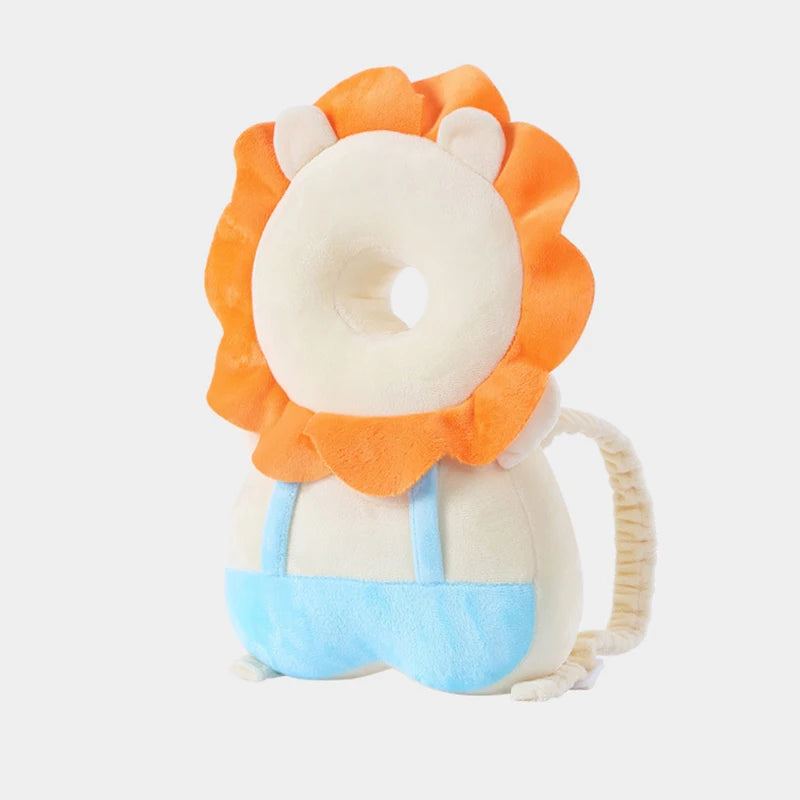
Prevent toddler head bruises by choosing a breathable, cushioned infant support pillow designed to absorb light impact, stabilize balance, and protect the back of the head during early walking and crawling. For many parents, a well-fitting protective pillow reduces bruising risk while preserving freedom of movement and natural development.
When exploring safe crawling techniques for toddlers, parents often overlook how the right pillow supports balance and boosts confidence. In this guide we break down age-appropriate crawling techniques, smart injury prevention for 6 month old beginners, and why choosing a breathable infant pillow makes each stage smoother and safer—so which pillow truly grows with your child?
Explore related essentials: Baby Growth & Learning
prevent toddler head bruises, injury prevention for 6 month old — 💡 See it in action
Why parents worry about head bumps
Every parent knows the sudden jolt of seeing a little one stumble: a scrape, a cry, and the worry that follows. For infants around six months learning to sit, crawl, and stand, backward falls and unexpected hits are common. While most are minor, repeated knocks to the back of the head can cause bruising and leave parents anxious.
Key concerns:
- Soft skull regions and developing coordination make infants more likely to bump the back of the head.
- Homes have hard surfaces (tile, hardwood) and sharp corners that amplify impact.
- Parents want protection that doesn’t restrict movement or delay milestones.
How a protective pillow helps prevent toddler head bruises
Prevent toddler head bruises by using a lightweight, cushioned pillow that absorbs impact and keeps the head from striking hard surfaces. The right design protects without interfering with balance or neck movement.
Benefits at a glance
- Impact absorption for low-force falls.
- Breathable materials to reduce overheating and skin irritation.
- Adjustable fit that grows with the child from sitting to early walking.
- Easy to clean surfaces for hygiene after messy play.
Top-rated safety pillows: side-by-side comparison
Below is a clear comparison of popular protective pillows so you can evaluate which fits your home, lifestyle, and safety needs.
| Product | Best for | Material | Age range | Key feature | Shop |
|---|---|---|---|---|---|
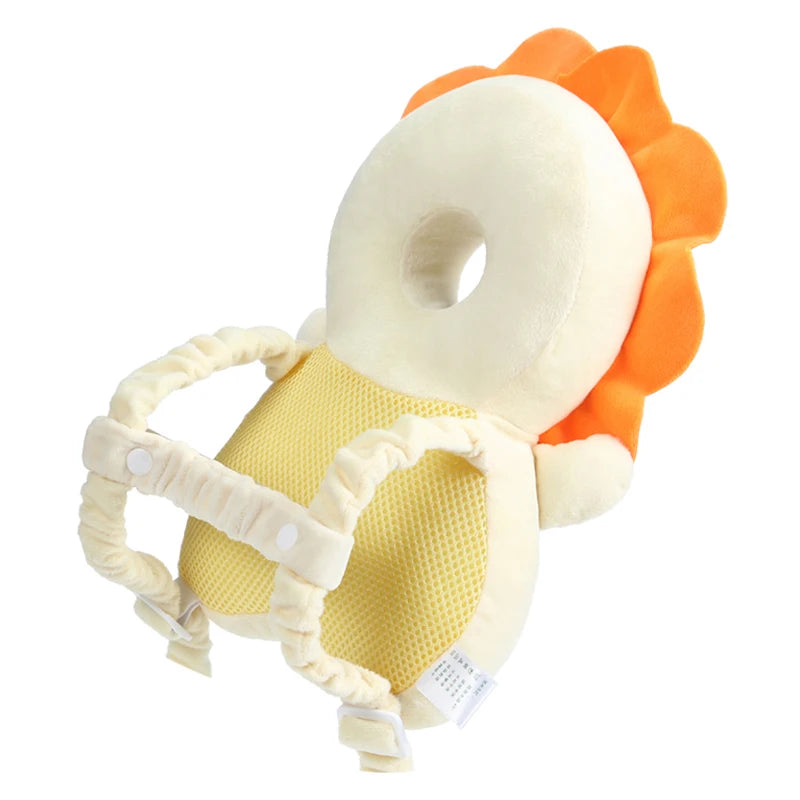
| Baby Head Protection Pillow | Everyday crawling & walking | Crystal velvet + high-elastic PP cotton | 6–24 months | Adjustable shoulder straps, breathable cover | Baby Head Protection Pillow |
| Cushion-Pad Helmet | Active walkers who fall often | High-density foam with mesh cover | 8–36 months | Full top & back coverage | Check retailer listing |
| SoftLoop Neck Cushion | Rolling & tummy time protection | Soft memory foam blend | 4–12 months | Neck stabilizer design | Check retailer listing |
6 month old falls and hits head, infant safe pillow — 💡 See it in action
How to choose the right pillow for a 6 month old
Choosing the right pillow is about fit, function, and comfort. A wrong size can slide or restrict movement—both undesirable for early development.
Checklist for selection
- Lightweight construction: under 300g is easier for small shoulders.
- Secure, adjustable straps: prevents slipping during active play.
- Breathable cover: prevents sweating and skin irritation.
- Washable materials: frequent cleaning is inevitable with spit, snacks, and spills.
- Low profile under-chin support: avoids forcing neck posture.
Quick steps to measure a good fit
- Place the pillow behind the head while the infant sits supported; check for even coverage of the occipital area (back of head).
- Adjust straps so the pillow rests firmly without pressing into shoulders.
- Test during supervised crawling—ensure the infant can pivot head and shoulders naturally.
- Reassess fit at monthly intervals as your baby grows.
Practical how-to tips for safer crawling and play
Beyond protective gear, small environment changes dramatically reduce injury risk. Use these proven tactics together with a protective pillow for the best results.
- Soft-surface zones: create padded play areas with play mats near hard floors.
- Corner cushions: cover coffee table and cabinet corners at head height.
- One step at a time: stage practice sessions for sitting → crawling → standing.
- Supervised exploration: stay within arm's reach when trying new movements.
- Model safe balance: guide with hands rather than restricting movement to build confidence.
Stepwise practice routine (for caregivers)
- 5 minutes of tummy time on a soft mat to strengthen neck muscles.
- 5–10 minutes of supported sitting practice using a pillow behind the baby as a safety buffer.
- Short crawling laps between caregiver knees to practice reaching and turning.
- Supervised supported standing at furniture (no more than 60 seconds at a time for beginners).
Related reading: Baby Care Tips & Advice
Real parents: short reviews & results
Social proof matters. Here are condensed snippets from parents who used protective pillows while teaching movement milestones.
- "We noticed fewer red bumps after two weeks. It didn't slow crawling — just made both of us less nervous." — Ana, mom of 7-month-old.
- "Lightweight and breathable. My baby sleeps better and slams into the couch less hard now." — Derek, dad of 9-month-old.
- "The adjustable straps were a game changer as she grew quickly between 6 and 8 months." — Priya, mom of 8-month-old.
Quick pros & cons
| Feature | Pros | Cons |
|---|---|---|
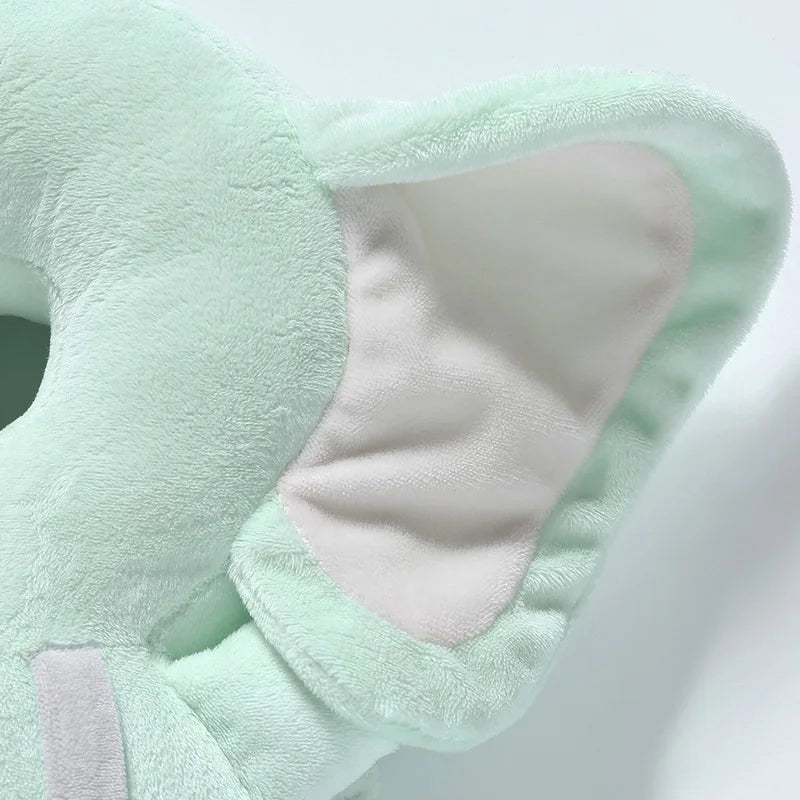
| Breathable crystal velvet cover | Comfort, less sweat | Requires gentle wash cycle |
| High-elastic PP cotton filler | Good shock absorption | May compress over years of heavy use |
| Adjustable straps | Grows with baby | Improper adjustment reduces protection |
Safety checklist before purchasing
- Confirm visible seams and secure stitching—no loose threads near straps.
- Check material certifications for low-toxicity and hypoallergenic claims.
- Ensure product allows full range of motion—avoid bulky designs that force head posture.
- Plan for cleaning—removable covers are easier to maintain.
infant safe pillow, 6 month old falls and hits head — 💡 See it in action
Where this pillow fits in your routine
For parents concerned with injury prevention for 6 month old beginners, a lightweight infant support pillow is a practical tool—not a substitute for supervision or environment proofing. Use it alongside padded play spaces and targeted practice to reduce bruises and build your baby’s confidence.
Want to compare options or view sizing? See the Baby Head Protection Pillow: Baby Head Protection Pillow.
Purchase: Baby Head Protection Pillow
Mini FAQ
Will a pillow delay my baby’s motor development?
When used correctly and for short supervised sessions, a supportive pillow does not delay motor milestones. It provides a safety buffer while allowing natural movement—caregiver-guided practice remains crucial.
Is it safe for tummy time?
Protective pillows designed for head protection are typically worn behind the head and are not intended as tummy time props. Continue regular supervised tummy time on a flat, safe surface to build neck strength.
How often should I wash the cover?
Wash the cover at least weekly or when soiled to prevent skin irritation. Follow the manufacturer’s gentle cycle instructions and air dry to preserve cushioning.
At what age can I stop using the pillow?
Most families stop when the child consistently walks without frequent backward falls or when the pillow no longer fits comfortably—often around 18–24 months, but this varies by child.
Final words: simple steps to prevent toddler head bruises
Protecting an active infant is a balance of smart equipment, home setup, and guided practice. A breathable infant pillow can reduce the sting of low-force impacts, help parents feel more confident, and support your baby’s exploration. Combine a protective pillow with soft play zones, corner guards, and short supervised training sessions to give your little one a safer start.
Related collections for more support items: Mobility & Training, Sleep & Comfort, Health & Safety.
Short testimonial snapshot (social proof)
"After two weeks with the pillow and a padded play spot, bumps dropped from multiple times a day to rare instances. We all sleep easier." — L.M., parent
Related Articles:
- Toddler Walking Fall Dangers Reviewed: Which Pillows Offer Real Protection?
- Safe Movement Pillow for Toddlers: Best Options for Confident Early Walkers
- Prevent Toddler Head Bruises: Top-Rated Safety Pillows Compared
- Adjustable Baby Head Pillow Review Guide for Safer Crawling and Walking
- Lightweight Protective Toddler Pillow Picks That Actually Reduce Fall Impact
Pillar Articles:





