

Do sleep tips for newborns really work?
Sleep tips for newborn parents work best when they focus on simple routines, safe environments, and calm monitoring habits. By following consistent steps, using gentle cues, and prioritizing baby safety during sleep, families often see longer rest stretches within weeks while reducing anxiety about monitoring and worried leaving baby alone.
Sleep Tips for Newborns: Step-by-Step Guide for Restful Nights
⏱ 7 min read
Sleep tips for newborn care can feel overwhelming when nights blur together and every sound sparks worry. If you’re balancing exhaustion, safety questions, and the fear of leaving your baby alone—even briefly—you’re not failing. You’re learning. This guide walks you through calm, proven steps that help newborns sleep longer while helping you rest with confidence.
Sleep tips for newborn routines with smart baby sleep monitoring 💡 See it in action
Why Newborn Sleep Feels So Hard at First
Newborns aren’t wired for long stretches of sleep yet. Their tiny stomachs, immature circadian rhythms, and need for closeness mean frequent waking is normal. Understanding this helps reframe expectations and reduces frustration.
- Newborns sleep 14–17 hours per day, often in short blocks
- Day/night confusion is common in the first 6–8 weeks
- Startle reflexes can wake babies suddenly
- Parents often feel anxious about safety during sleep
Step-by-Step Sleep Tips for Newborns That Actually Help
Sleep tips for newborn care work best when they’re predictable, gentle, and repeated nightly. Small changes add up.
1. Choose a Consistent Bedtime Window
A flexible window (not a strict time) teaches your baby when night sleep begins. Aim for the same 30–60 minute range each evening.
2. Follow a Wake–Feed–Sleep Flow
Feeding before sleep helps babies rest longer and reduces wake-ups caused by hunger.
3. Use Calm, Repetitive Cues
- Dim lights
- Soft voice
- Gentle rocking or swaying
- Consistent phrases like “It’s sleepy time”
4. Put Baby Down Drowsy, Not Fully Asleep
This builds early self-soothing skills and reduces reliance on being held to sleep.
Parents often combine these steps with supportive items from Sleep & Comfort to create calmer transitions.
How to Create a Safe Sleep Environment
Baby safety during sleep is the foundation of restful nights—for both baby and parents.
Safe Sleep Essentials Checklist
- Firm, flat mattress
- Baby placed on their back
- No loose blankets, pillows, or toys
- Comfortable room temperature (68–72°F)
Many parents rely on tools from Health & Safety and Temperature Tools to keep conditions consistent overnight.
Baby Sleep Monitoring Without Constant Checking
Tips for baby sleep monitoring help reduce anxiety while maintaining awareness.
What’s the best way to monitor a sleeping newborn?
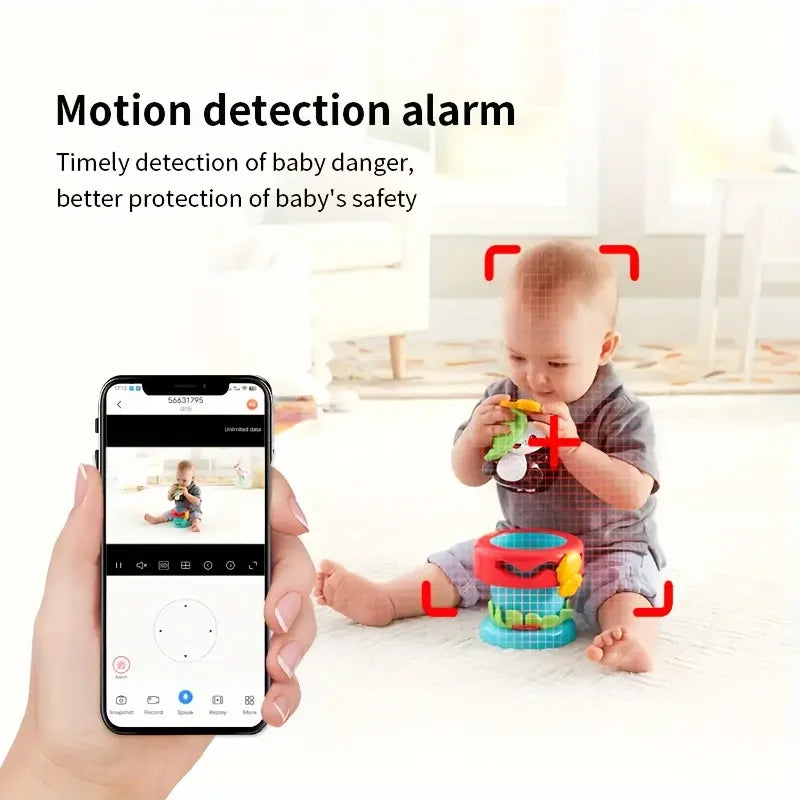
Sleep tips for newborn monitoring focus on visibility and reassurance without constant physical checks. A reliable baby monitor allows parents to see and hear their baby clearly, reducing stress, limiting unnecessary wake-ups, and helping caregivers rest while maintaining confidence in baby safety during sleep.
Many parents choose a simple video monitor like the 4MP WiFi Baby Monitor to stay connected without hovering.

Tips for baby sleep monitoring that ease nighttime worry 💡 See it in action
For families wanting extra peace of mind, browsing options in Monitoring Devices and Smart Baby Gadgets can help tailor monitoring to your comfort level.
How to Cope When You’re Worried Leaving Baby Alone
Feeling worried leaving baby alone—even for a shower—is incredibly common.
- Start with short separations (2–5 minutes)
- Use visual monitoring for reassurance
- Remind yourself that safe sleep setups reduce risk
- Gradually extend time as confidence grows
Parents report that visual confirmation through a monitor reduces repeated checking by over 50% after the first month.
Building a Simple Night Routine That Sticks
Consistency beats complexity. A short routine signals sleep without overstimulation.
- Diaper change
- Feeding
- Gentle cuddle or song
- Into bed while drowsy
Optional comfort aids from Massage & Relaxation can support winding down without adding clutter.
Common Newborn Sleep Mistakes to Avoid
| ❌ Mistake | ✅ Better Approach |
|---|---|
| Overstimulating before bed | Keep evenings calm and predictable |
| Waiting too long to respond | Respond calmly and consistently |
| Constant physical checking | Use visual monitoring for reassurance |
Growing Confidence as Nights Improve
As routines settle, many parents notice longer stretches of rest within 6–8 weeks. Confidence grows when you trust your setup, your baby, and your instincts.
Combining safe sleep habits with a dependable monitor like the 4MP WiFi Baby Monitor helps families rest without fear.

Baby safety during sleep made easier with smart monitoring 💡 See it in action
Newborn Sleep Mini FAQ
How long should newborns sleep at night?
Newborns typically sleep in 2–4 hour stretches. Longer periods develop gradually over the first few months.
Is it safe to monitor my baby all night?
Yes, visual and audio monitoring is safe and helps parents stay aware without disturbing sleep.
When does newborn sleep get easier?
Most families notice improvement between 6–12 weeks as routines form and babies mature.
Related Articles:
- MicroSD Baby Video Storage: How to Save and Review Recordings
- Improve Baby Safety at Night: Practical Monitor Usage Tips
- Automatic Baby Cry Detection: How to Use Monitors Effectively
- How to Monitor Baby Remotely: Easy Setup and Usage Tips
Pillar Articles:





