

Does baby cry detection really work?
Automatic baby cry detection uses AI-assisted sound pattern recognition to distinguish infant crying from everyday household noise and send alerts in real time. When properly configured, baby cry detection improves awareness, reduces unnecessary notifications compared with basic sound alerts, and helps caregivers respond faster. While highly effective, it works best as a monitoring aid rather than a replacement for attentive caregiving.
Automatic Baby Cry Detection: How to Use Monitors Effectively
⏱ 6 min read
Waking up suddenly and wondering if you heard your baby cry is a common concern for new parents. Missed cries, false alerts, and unclear sounds can make nights stressful instead of restful. Automatic baby cry detection can improve peace of mind—but only when it's configured correctly. This guide explains how baby cry detection works, how to improve accuracy, and what to expect from today's smart baby monitors.
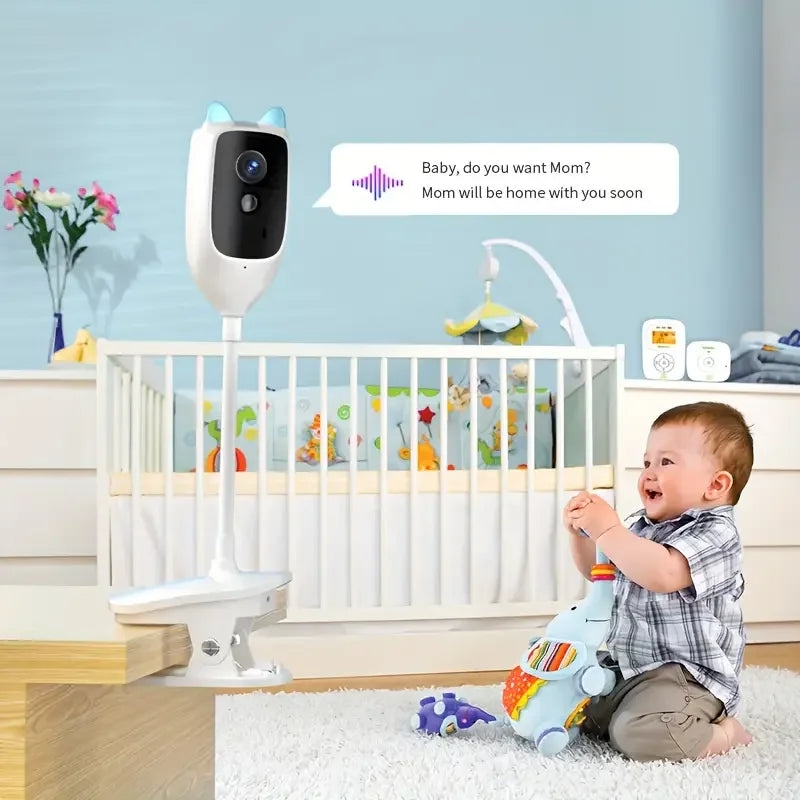
Automatic baby cry detection helps parents respond faster and prevent missing baby cries. See it in action.
What Is Baby Cry Detection?
Baby crying detection technology analyzes audio captured by a monitor and looks for patterns that match infant crying rather than responding to every sound in the room. Many modern smart baby monitor features combine digital signal processing with AI models trained to recognize crying characteristics such as pitch, rhythm, and intensity.
Types of baby crying detection technology
- AI-based cry recognition
- Traditional sound threshold detection
- Hybrid audio and video monitoring systems
- Cloud-assisted or on-device audio analysis
How smart baby monitors analyze crying
Instead of simply measuring volume, advanced monitors compare incoming sounds against known cry patterns. This helps reduce alerts triggered by televisions, fans, conversations, or other background noises while improving real-time baby monitoring alerts.
Parents using smart nursery monitor for parents often pair cry detection with tools from Monitoring Devices and Sleep & Comfort to create a safer nighttime environment.
How Baby Cry Detection Technology Works
Audio processing and pattern recognition
Most systems follow a similar workflow:
- The monitor microphone continuously listens for sounds.
- Audio processing filters steady background noise.
- The software compares remaining sounds with crying patterns.
- If confidence is high enough, an alert is generated.
Real-time monitoring alerts
Depending on the monitor, alerts may appear as smartphone notifications, audible alarms, smartwatch alerts, or in-app messages. Many systems allow customizable sensitivity levels to better match your nursery environment.
Notification methods
Some baby monitors process audio locally on the device, while others use cloud services for additional analysis. On-device processing can reduce internet dependence, whereas cloud-enabled systems may receive feature improvements through firmware updates.
Why Parents Miss Baby Cries
Even attentive caregivers sometimes miss cries because of exhaustion, distance from the nursery, white noise, or household distractions. Automatic baby cry detection provides an additional layer of awareness during these situations.
Common nighttime challenges
- Deep sleep reducing awareness of quieter cries
- Closed doors limiting sound transmission
- Background appliances masking crying
- Caregivers balancing multiple children or responsibilities
When cry detection is most helpful
- Nighttime sleep monitoring
- Naps in another room
- Parents working elsewhere in the home
- Homes with moderate background noise
Combining automatic detection with guidance from Health & Safety collections helps parents balance awareness without constant anxiety.
How to Improve Baby Cry Detection Accuracy
Even the best baby monitor cry alert performs better when the environment and settings are optimized.
Factors affecting accuracy
- Correct microphone sensitivity
- Up-to-date firmware
- Stable Wi-Fi connection for connected models
- Proper monitor orientation toward the crib
Environmental considerations
- Reduce echo in very empty rooms
- Keep loud fans away from the microphone
- Avoid placing monitors beside white noise machines
- Keep microphones free from blankets or decorations
Parents often integrate monitors with items from Smart Baby Gadgets to simplify nightly routines.
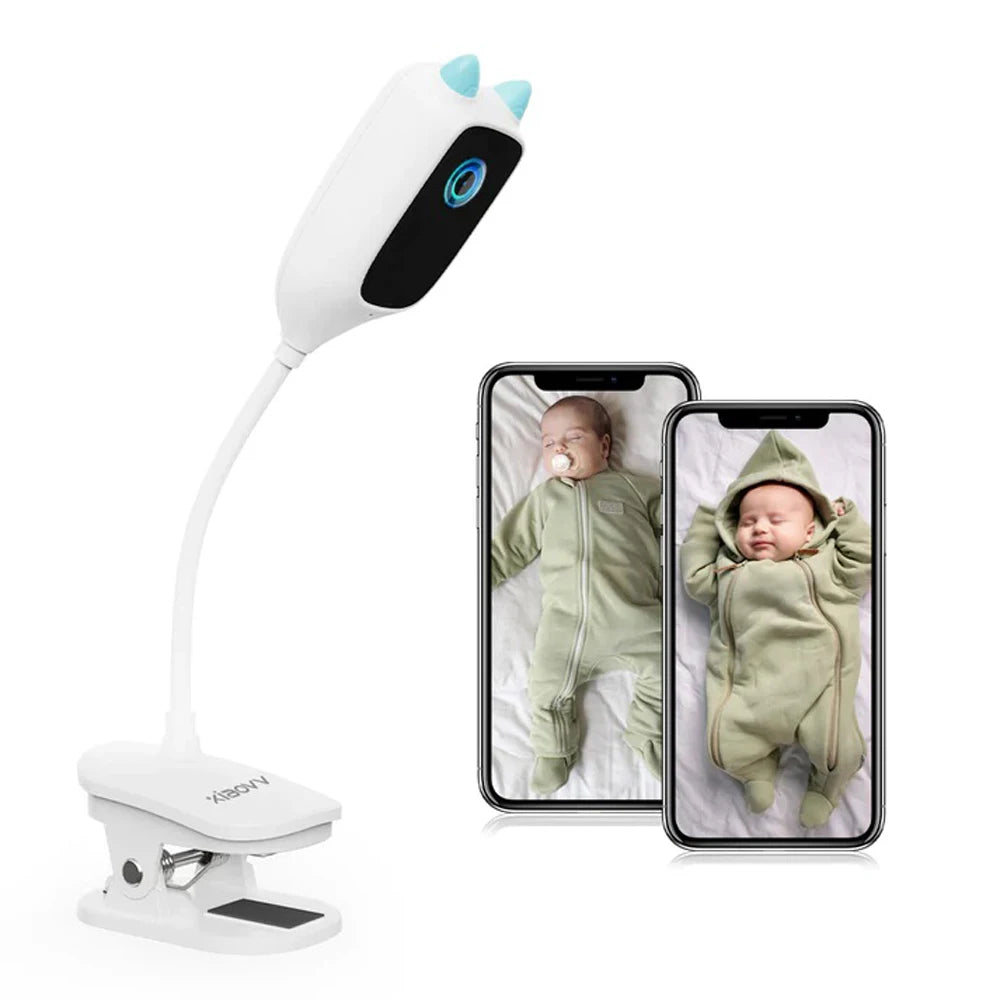
Real-time baby monitoring alerts make nighttime responses faster. See it in action.
Step-by-Step Setup for Reliable Cry Alerts
Initial configuration
- Install the companion app if required.
- Complete Wi-Fi pairing following the manufacturer's instructions.
- Enable push notification permissions.
- Select medium cry detection sensitivity as your starting point.
- Position the monitor correctly before testing.
Testing alerts after setup
- Test during daytime naps.
- Verify notifications arrive on every caregiver's device.
- Adjust sensitivity after one or two nights of use.
- Repeat testing after moving furniture or changing nursery layouts.
Pairing your setup with supportive items from Baby Care Essentials helps maintain consistent sleep routines.
Best Monitor Placement for Accurate Detection
Correct placement significantly improves baby monitor sound detection while reducing unnecessary alerts.
Recommended distance
Most manufacturers recommend placing the monitor approximately 6 to 10 feet (1.8 to 3 meters) from the crib with a clear line of sight while keeping cords safely out of your baby's reach.
Placement mistakes to avoid
| Placement | Likely Result |
|---|---|
| Too close to the crib | Overly sensitive alerts |
| Behind furniture | Reduced sound quality |
| Near a fan or speaker | More false notifications |
| Open, elevated position | Better overall detection accuracy |
For best results, combine monitoring with calming tools from Massage & Relaxation and Sensory Toys .
How to Reduce False Alerts Without Missing Baby Cries
Common causes of false positives
- Television audio
- Pets vocalizing
- Loud siblings playing nearby
- White noise machines positioned too close
Balancing sensitivity and reliability
- Start with medium sensitivity.
- Increase sensitivity only if quieter cries are missed.
- Review alert history occasionally.
- Keep firmware updated when available.
Parents often find better balance by pairing monitors with Temperature Tools to reduce discomfort-related noises.
Privacy and Security Considerations
Audio data handling
Different baby monitors process audio differently. Some analyze sounds directly on the device, while others securely transmit encrypted information to cloud services. Reading the manufacturer's privacy policy helps you understand how audio is handled.
Protecting monitor accounts
- Create a strong, unique password.
- Enable two-factor authentication if available.
- Keep apps and firmware updated.
- Review app permissions periodically.
Limitations of Baby Cry Detection
When alerts may be missed
No monitoring technology is perfect. Extremely soft cries, unusual vocalizations, excessive background noise, or poor monitor placement may reduce detection accuracy.
Situations requiring caregiver judgment
Automatic baby cry detection supports caregivers but should not replace regular supervision, safe sleep practices, or visual checks when appropriate.
How to Choose the Best Baby Monitor With Cry Detection
Features worth comparing
- Quality of cry recognition
- Customizable sensitivity levels
- Fast mobile notifications
- Privacy and security features
- Reliable mobile app support
- High-quality video and night vision
Who benefits most
Automatic cry detection is especially useful for parents sleeping in separate rooms, caregivers managing multiple children, and families who want faster notifications without monitoring audio continuously.
Many families choose advanced options like this baby monitor to support long-term night baby monitoring.
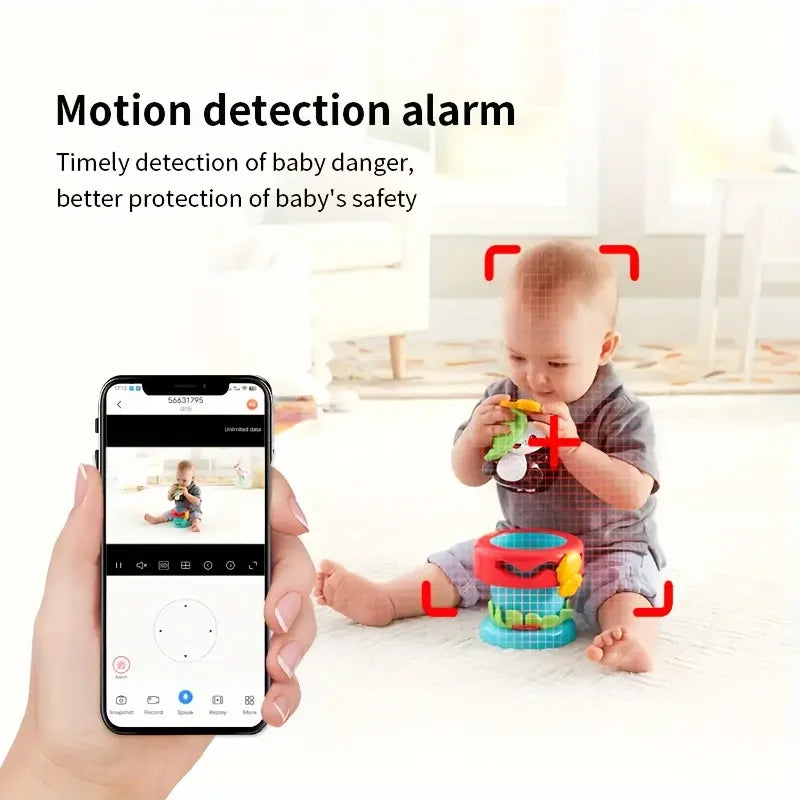
Prevent missing baby cries with automatic baby cry detection. See it in action.
Frequently Asked Questions
How does baby cry detection differ from standard sound detection?
Standard sound detection responds to almost any loud noise. Baby cry detection analyzes sound patterns to identify infant crying more accurately, helping reduce unnecessary notifications.
How accurate is AI baby cry detection?
Accuracy depends on microphone placement, room conditions, software quality, and correct sensitivity settings. Modern systems generally perform well when installed properly.
Can baby cry detection work without Wi-Fi?
Some monitors process audio directly on the device and continue detecting cries without internet access. Wi-Fi may still be required for remote smartphone notifications.
Do smart baby monitors record audio continuously?
Recording behavior varies by manufacturer. Some record continuously, while others save clips only after detecting movement, sound, or crying.
What causes false baby cry alerts?
Household conversations, televisions, pets, loud toys, and incorrect sensitivity settings are common causes of false alerts.
Can cry detection distinguish one baby from another?
Most consumer monitors are designed to detect crying rather than identify individual babies, particularly in shared environments.
What is the best sensitivity setting for baby cry detection?
Medium sensitivity is usually the best starting point. Fine-tune it after observing your nursery's background noise and your baby's typical crying volume.
Is baby cry detection enough without video monitoring?
Audio alerts provide valuable awareness, but combining cry detection with video monitoring gives caregivers additional context before entering the nursery.
Pillar Article: Sleep Tips for Newborns: Step-by-Step Guide for Restful Nights
Other Related Articles:
- MicroSD Baby Video Storage: How to Save and Review Recordings
- Improve Baby Safety at Night: Practical Monitor Usage Tips
- How to Monitor Baby Remotely: Easy Setup and Usage Tips
Explore More:





