

Sounds of a Heart Monitor: How Accurate Are They
Do sounds of a heart monitor accurately reflect heart health?
Sounds of a heart monitor can reveal meaningful information about heart rhythm and valve activity, but accuracy depends on sensor quality, signal processing, and interpretation. When combined with heart sound waveform analysis and phonocardiogram heart sounds, these audio signals help clinicians and caregivers detect patterns, changes, and potential concerns earlier.
⏱ 7 min read
Sounds of a heart monitor often feel reassuring—until a beep changes or a rhythm sounds unfamiliar. For parents, caregivers, and clinicians alike, the question is simple: can these sounds really be trusted? Understanding how heart sound waveform data is created and interpreted can turn anxiety into clarity and help families feel more confident about everyday monitoring.
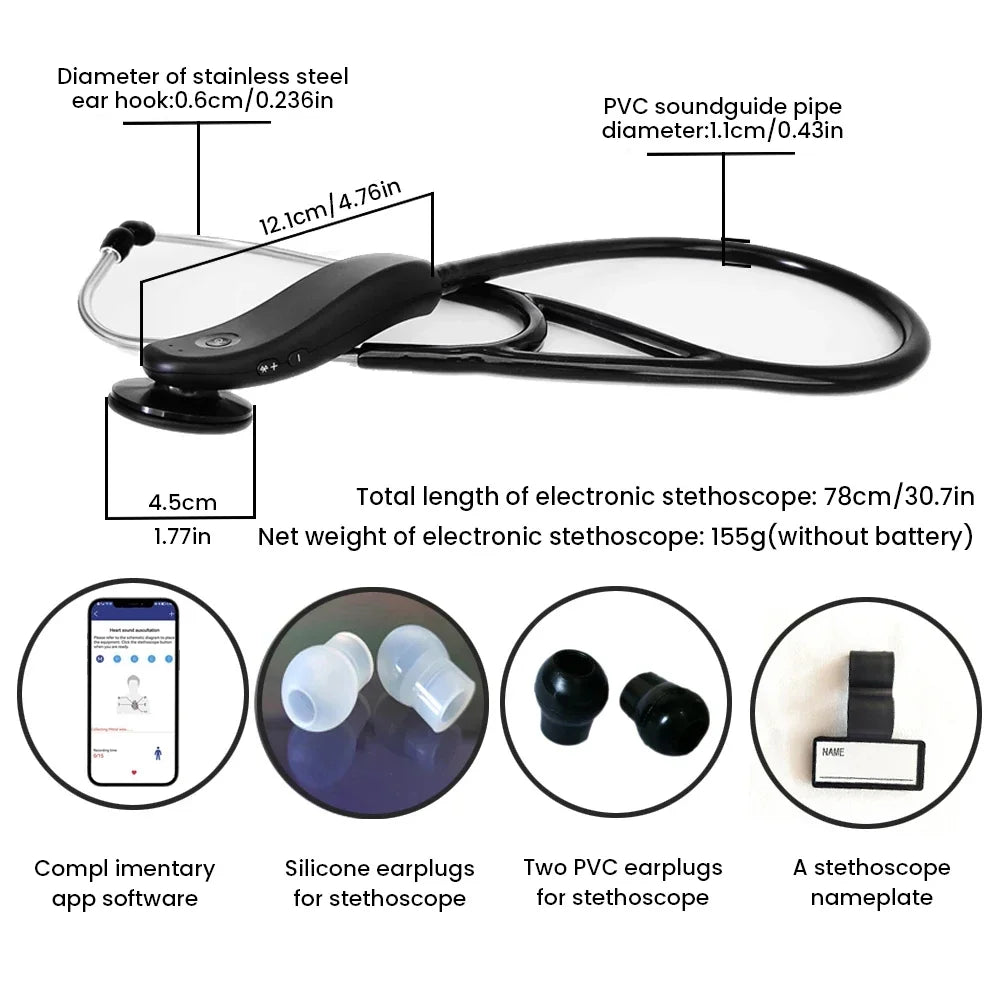
Sounds of a heart monitor and heart sound waveform clarity 💡 See it in action
What Are Heart Monitor Sounds and Why Do They Matter?
Sounds of a heart monitor are audio representations of electrical or mechanical heart activity. They translate beats, pauses, and rhythm changes into tones that humans can recognize. For parents checking a sleeping baby or clinicians validating heart function, these sounds act as an early warning system.
- They reflect timing between beats
- They can hint at irregular rhythms
- They support trend tracking over time
- They help non-experts notice sudden changes
When paired with devices found in Monitoring Devices, these sounds become part of a broader safety routine, especially in homes focused on wellness and prevention.
How Accurate Are the Sounds of a Heart Monitor?
Sounds of a heart monitor can be highly accurate when sensors are well-placed and algorithms are properly calibrated. Accuracy improves when audio is matched with heart sound waveform data and reviewed over time rather than judged from a single moment.
Clinical studies show that modern monitors capture timing and rhythm reliably, but interpretation still matters. Background noise, movement, and device quality can affect clarity, which is why context is essential.
Heart Waveform Explained: Turning Sound Into Insight
A heart waveform explained simply is a visual map of each beat. Peaks represent contractions, while spaces show relaxation. When sounds of a heart monitor are converted into waveforms, patterns become easier to analyze.
- Normal rhythm shows consistent spacing
- Irregular rhythm appears uneven
- Murmurs create additional waveform vibrations
- Trend changes signal when to investigate further
This approach helps both clinicians and informed parents feel more confident about what they’re hearing.
Phonocardiogram Heart Sounds in Everyday Monitoring
Phonocardiogram heart sounds are recordings of acoustic heart activity. Unlike basic beeps, they capture subtle vibrations from valves and blood flow, offering deeper insight into function.
| Feature | Basic Monitor | Phonocardiogram |
|---|---|---|
| Detail level | Low | High |
| Valve sound detection | Limited | Clear |
| Use for trend analysis | Basic | Advanced |
These recordings are especially useful when paired with wellness-focused tools often found in Health & Safety collections.
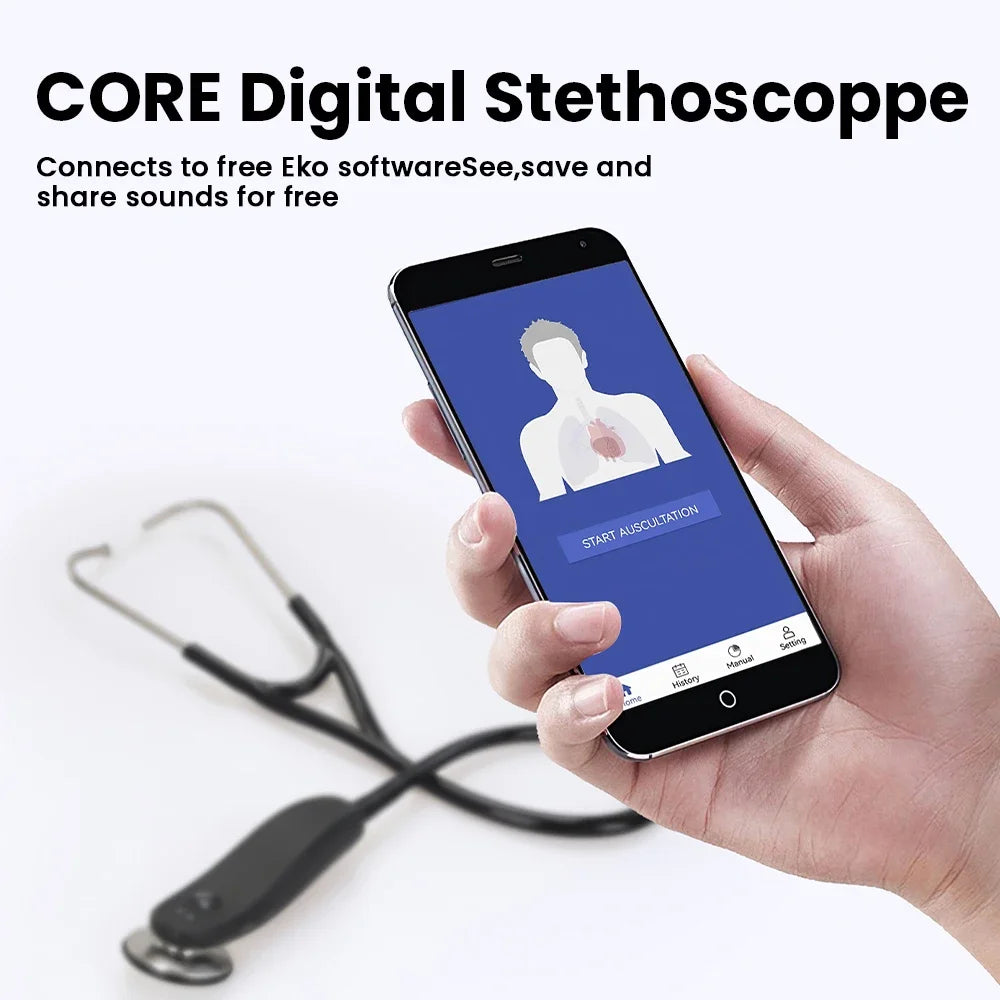
Phonocardiogram heart sounds and heart waveform explained 💡 See it in action
Heart Sound Recorder Interpretation: What Listeners Often Miss
Heart sound recorder interpretation goes beyond recognizing fast or slow beats. It involves comparing recordings over time and noting subtle shifts that may signal stress, illness, or recovery.
- Consistency matters more than single readings
- Context like sleep or activity affects sound
- Quality microphones reduce distortion
- Playback features help catch missed details
Families using smart wellness tools from Smart Baby Gadgets often value record-and-review features for this reason.
Heart Monitor Audio vs Traditional Evaluation
Traditional auscultation relies on trained ears, while monitors rely on sensors and software. Each has strengths.
| Aspect | Traditional | Heart Monitor Sounds |
|---|---|---|
| Accessibility | Clinic-based | At home |
| Continuous tracking | No | Yes |
| User confidence | Depends on expertise | Improves with education |
For many households, combining both approaches offers the greatest reassurance.
Why Modern Electronic Stethoscopes Stand Out
Sounds of a heart monitor captured through modern electronic stethoscopes offer clearer amplification, noise reduction, and recording. These features help bridge the gap between home monitoring and clinical evaluation.
Compared with older tools, newer devices provide cleaner heart sound waveform visuals and easier sharing with professionals, reducing guesswork and stress.
Pros:
- Enhanced sound clarity
- Recording and playback
- Wireless connectivity
Cons:
- Requires basic learning curve
- Higher upfront cost
Many caregivers pair these tools with calming routines supported by items from Massage & Relaxation to reduce stress during checks.
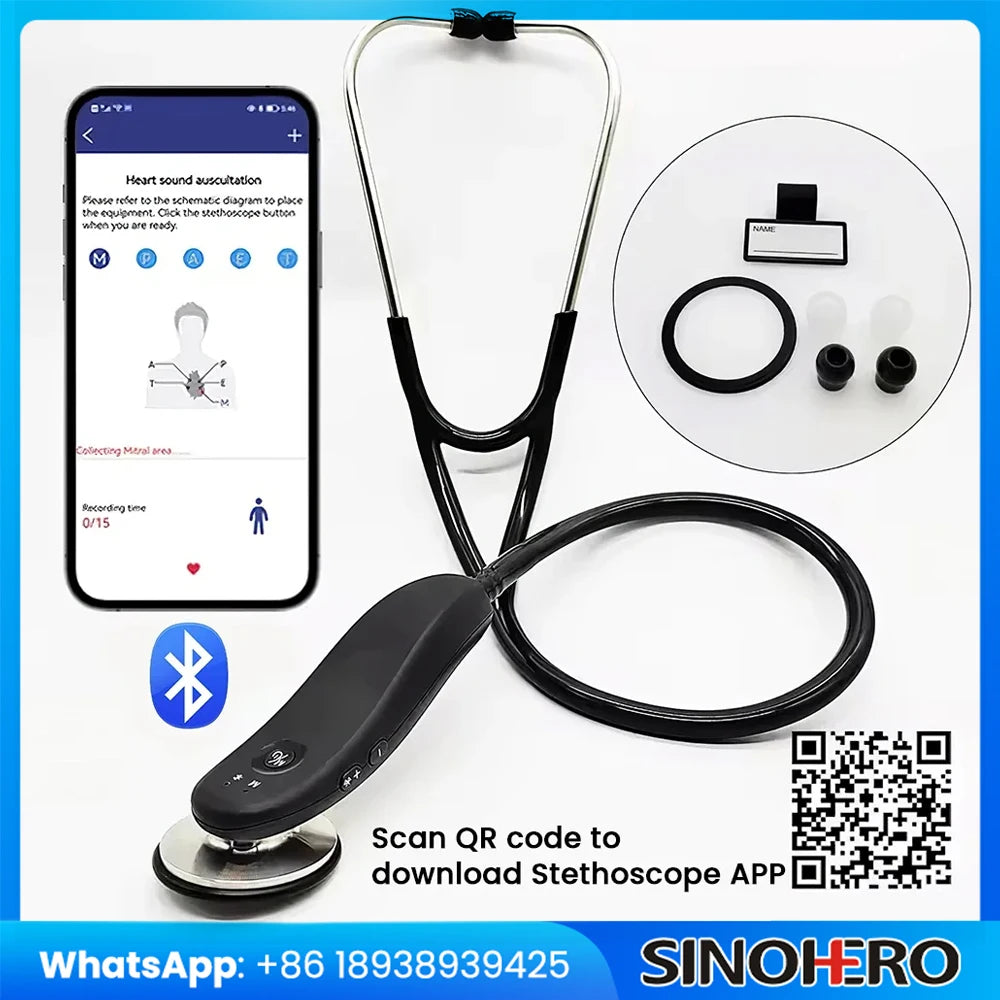
Heart sound recorder interpretation and phonocardiogram heart sounds 💡 See it in action
Check availability now
Mini FAQ
Can sounds of a heart monitor detect serious problems?
They can indicate irregular patterns or changes, but diagnosis still requires professional evaluation. Monitors are best used for awareness and trend tracking.
Are heart sound waveform visuals necessary?
Waveforms make patterns easier to understand, especially for non-experts reviewing recordings over time.
Do phonocardiogram heart sounds work for babies?
Yes, when designed for sensitive use, they can help caregivers notice changes while maintaining comfort and safety.
Pillar Article: X Amplified Electronic Stethoscope Review: Is It Worth It
Other Related Articles:
Explore More:





