

Does electronic stethoscope noise reduction really work?
Electronic stethoscope noise reduction helps clinicians hear critical heart and lung sounds more clearly by filtering background noise and amplifying target frequencies. Modern devices combine intelligent noise reduction with digital amplification, improving accuracy during noisy clinical auscultation in busy wards, emergency rooms, and training environments without adding distortion.
Electronic Stethoscope Noise Reduction: Top Models Compared
⏱ 7 min read
Electronic stethoscope noise reduction is transforming how clinicians listen, learn, and diagnose in real-world environments. From crowded emergency departments to teaching hospitals filled with ambient noise, clarity matters. If you’ve ever struggled to distinguish subtle cardiac or lung sounds during noisy clinical auscultation, this guide walks you through how modern noise reduction works, which models perform best, and how to choose confidently.
Ever tried to hear a faint murmur while alarms beep nearby? You’re not alone. Many clinicians and students face listening fatigue and uncertainty every shift. The good news: the right amplified stethoscope can restore confidence and reduce missed cues.
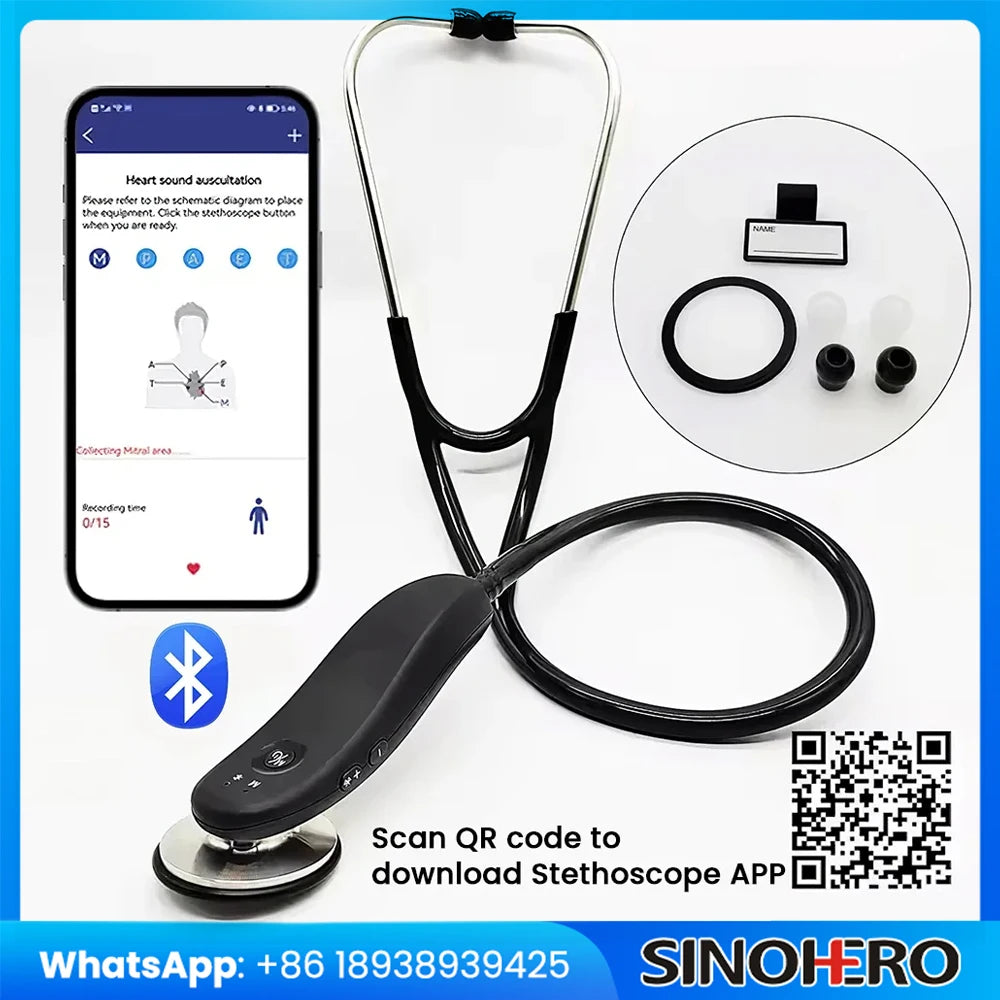
Electronic stethoscope noise reduction in action — clearer heart sounds even in busy environments. 💡 See it in action
Why Background Noise Disrupts Auscultation
Noisy clinical auscultation is more than an inconvenience—it can affect diagnostic confidence. HVAC systems, monitors, conversations, and movement all mask low-frequency sounds like S3 gallops or fine crackles.
- Subtle cardiac murmurs are easily drowned out
- Students struggle to learn correct sound patterns
- Repeated listening increases fatigue and stress
- Traditional acoustic scopes lack filtering
In settings focused on safety and accuracy, tools designed for noise control align naturally with broader Health & Safety solutions used across care environments.
How does electronic stethoscope noise reduction work?
Electronic stethoscope noise reduction uses microphones and digital signal processing to suppress ambient sounds while enhancing clinically relevant frequencies. By combining amplification with intelligent noise reduction, these devices help clinicians focus on heart and lung sounds even during noisy clinical auscultation, improving clarity without overwhelming hiss or distortion.
Key technologies you’ll encounter
- Active noise cancellation: Reduces consistent background hums
- Frequency filtering: Emphasizes cardiac or pulmonary ranges
- Adaptive algorithms: Adjust in real time as noise changes
- Digital amplification: Boosts faint sounds safely
This approach mirrors other smart listening tools found in Monitoring Devices, where clarity and reliability are essential.
Top noise-reducing electronic stethoscopes compared
Electronic stethoscope noise reduction varies by model. Below is a practical comparison focused on real-world listening, not specs overload.
| Model Type | Noise Reduction | Amplification | Best For |
|---|---|---|---|
| Basic amplified stethoscope | Passive filtering | Low–Medium | Quiet clinics, home visits |
| Noise cancellation stethoscope | Active cancellation | Medium–High | Busy wards, teaching hospitals |
| Intelligent noise reduction model | Adaptive digital filtering | High, adjustable | Emergency, ICU, training |
Many clinicians prefer intelligent systems for their balance of comfort and precision, similar to how wellness professionals rely on refined tools from Beauty & Wellness collections for consistent results.
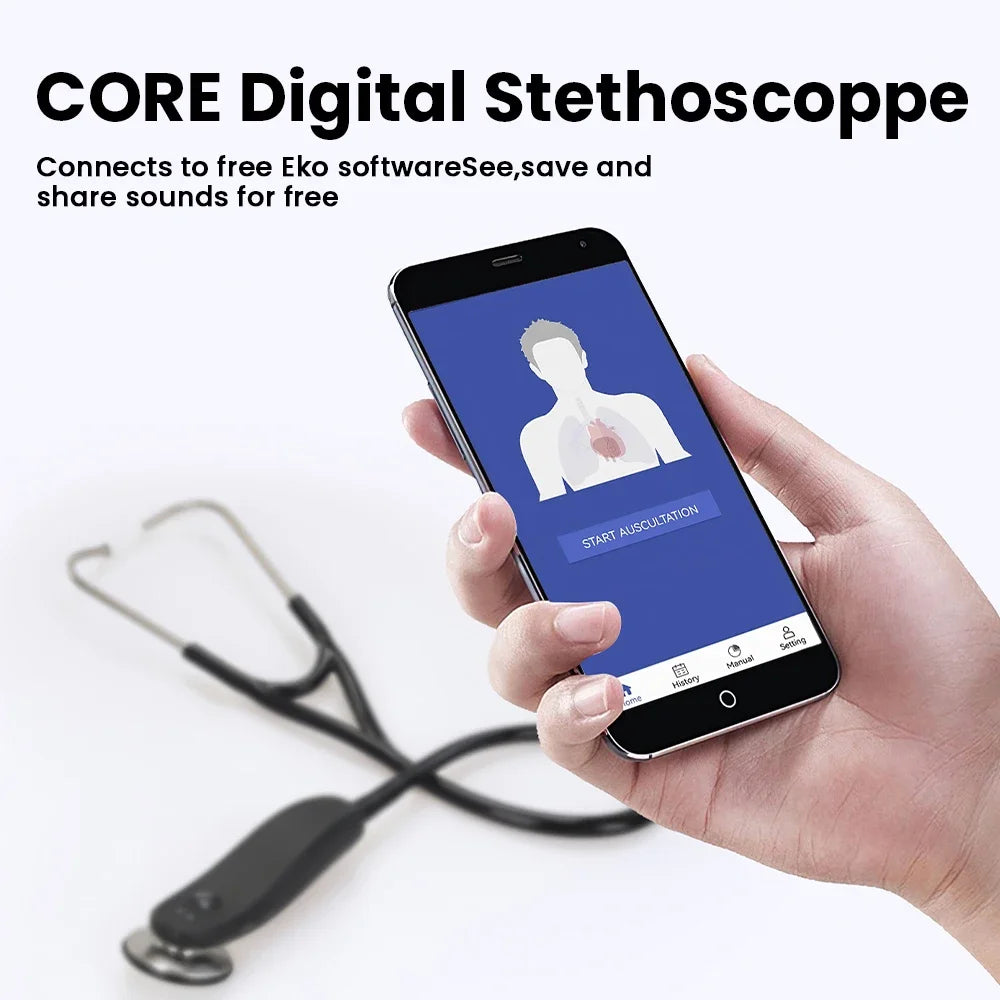
Noise cancellation stethoscope comparison highlights intelligent noise reduction benefits. 💡 See it in action
Using noise cancellation in real clinical settings
Imagine assessing breath sounds during peak shift change. With electronic stethoscope noise reduction enabled, clinicians report faster identification of wheezes and crackles.
- Reduced need to reposition repeatedly
- Less listening fatigue over long shifts
- Improved teaching clarity for students
- Greater confidence in documentation
These gains echo feedback seen across practical care tools designed to simplify complex routines, much like supportive aids found in Massage & Relaxation for physical recovery.
How to choose an electronic stethoscope with effective noise reduction
Selecting the right device doesn’t have to feel overwhelming. Focus on how and where you practice most.
Step-by-step selection guide
- Assess your typical noise level (clinic vs. ER)
- Look for adjustable amplification levels
- Check battery life for long shifts
- Ensure comfort with earbuds or headset
- Confirm compatibility with recording or teaching needs
Clinicians juggling demanding schedules often appreciate tools that reduce cognitive load, aligning with convenience-focused solutions across Smart Baby Gadgets—different audience, same principle of smart design.
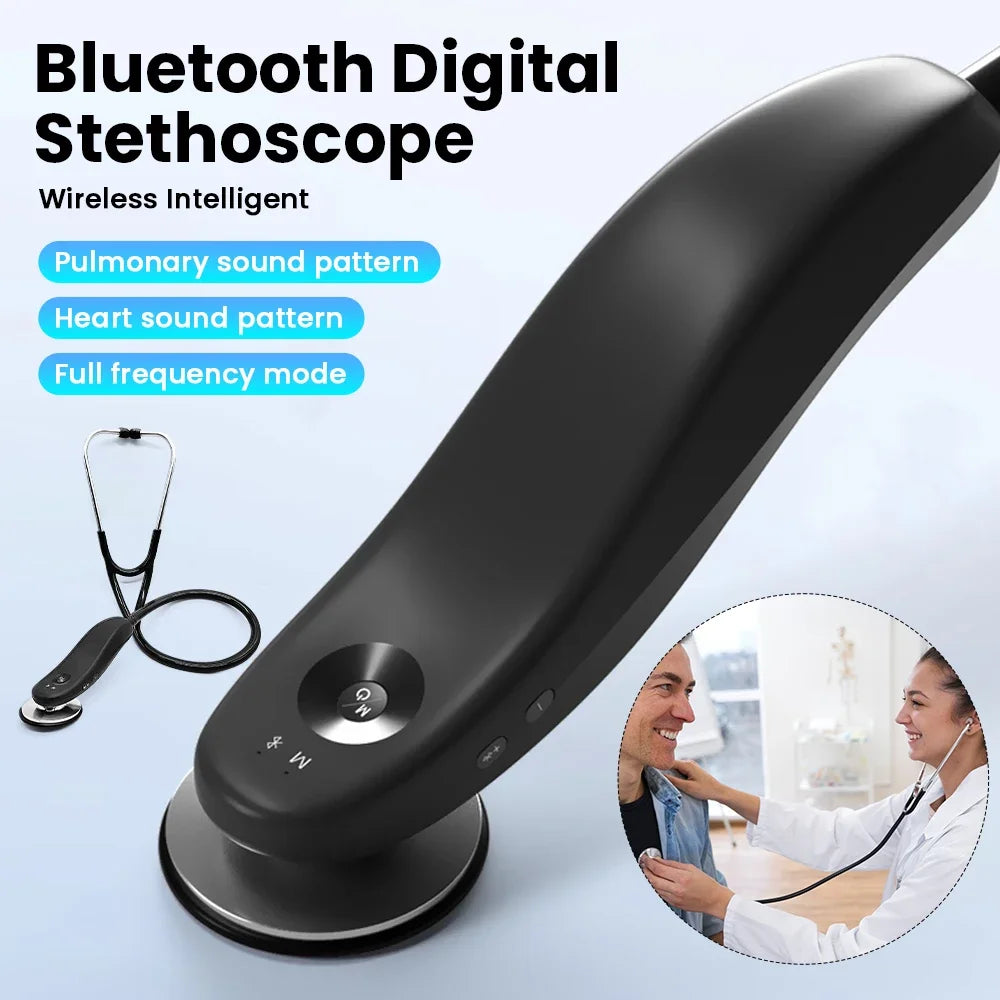
Intelligent noise reduction and amplified stethoscope clarity combined. 💡 See it in action
Frequently Asked Questions
Is electronic stethoscope noise reduction safe for daily use?
Yes. Modern designs are built for continuous clinical use, maintaining natural sound profiles while reducing ambient noise. Proper volume adjustment helps prevent listening fatigue.
Can a noise cancellation stethoscope help students learn faster?
Many students report improved recognition of heart and lung sounds because background noise is minimized, making subtle variations easier to identify.
Do amplified stethoscopes distort sounds?
Quality amplified stethoscopes use digital processing to boost signals cleanly. Intelligent noise reduction helps prevent distortion by filtering unwanted frequencies.
When is intelligent noise reduction most useful?
It’s especially helpful in emergency departments, ICUs, and teaching rounds where noise levels change constantly and rapid adaptation is needed.
Pillar Article: Not Found
Other Related Articles:
- Difficulty Hearing Heart Murmurs? Step-by-Step Guide
- Cardiac Auscultation Sound Amplification: How to Use It
- Digital Auscultation Best Practices for Clear Results
- How to Improve Auscultation Clarity in Noisy Settings
Explore More:





