

How can you improve auscultation clarity in noisy settings?
How to improve auscultation clarity starts with controlling environmental noise, refining listening technique, and using tools designed to enhance sound. In noisy clinical auscultation, combining intelligent noise reduction, proper positioning, and an amplified stethoscope can quickly reduce poor stethoscope sound quality and help clinicians hear subtle heart and lung cues with confidence.
How to Improve Auscultation Clarity in Noisy Settings
⏱ 7 min read
How to improve auscultation clarity is a question many clinicians quietly struggle with, especially during busy shifts. Alarms beep, conversations overlap, and ventilation systems hum while you try to detect faint murmurs or subtle crackles. Have you ever wondered why sounds seem clear one moment and frustratingly muffled the next? The good news: clarity is achievable with the right approach and tools.
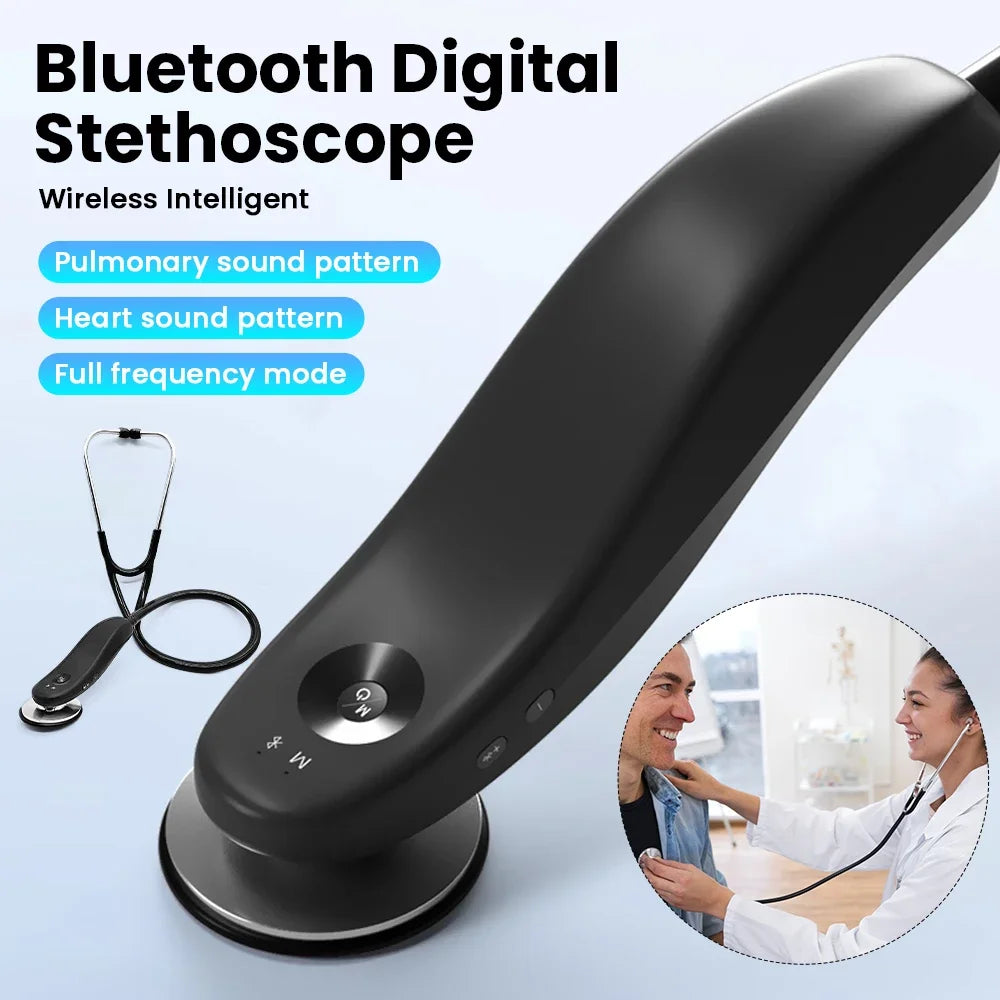
How to improve auscultation clarity in noisy clinical auscultation — 💡 See it in action
Why Noise Disrupts Clinical Listening
In ideal conditions, auscultation relies on quiet surroundings and focused attention. In reality, noisy clinical auscultation is the norm. Overhead paging systems, patient movement, and equipment sounds overlap with the low-frequency tones clinicians need to hear.
When background noise competes with heart and lung sounds, the brain works harder to filter signals. Fatigue sets in, increasing the chance of missed cues and contributing to poor stethoscope sound quality over time.
How to Improve Auscultation Clarity: A Practical Method
How to improve auscultation clarity involves reducing external noise, improving sound transmission, and enhancing the listener’s ability to interpret what they hear. Small adjustments can deliver immediate improvements even in crowded environments.
- Position yourself strategically: Stand between noise sources and the patient whenever possible.
- Optimize patient posture: Ask patients to sit upright or lean forward to expose lung fields.
- Seal and placement: Ensure earpieces fit snugly and the chest piece fully contacts skin.
- Use sound-enhancing tools: An amplified stethoscope with intelligent noise reduction can dramatically improve clarity.
Refining Technique for Better Sound Recognition
Even with excellent equipment, technique matters. Clinicians who slow their breathing and pause surrounding conversation often notice immediate gains. Consistent placement patterns help the brain compare sounds more accurately.
- Listen through full respiratory cycles.
- Compare left and right sides methodically.
- Repeat questionable findings to confirm consistency.
These habits build confidence and reduce reliance on guesswork during fast-paced exams.
How Intelligent Tools Restore Lost Details
Traditional acoustic devices struggle in noisy environments. Modern solutions incorporate intelligent noise reduction that actively suppresses background interference while amplifying clinically relevant frequencies.
An amplified stethoscope designed for digital processing can restore details masked by environmental noise. Many clinicians report clearer differentiation between murmurs, wheezes, and crackles within minutes of use.
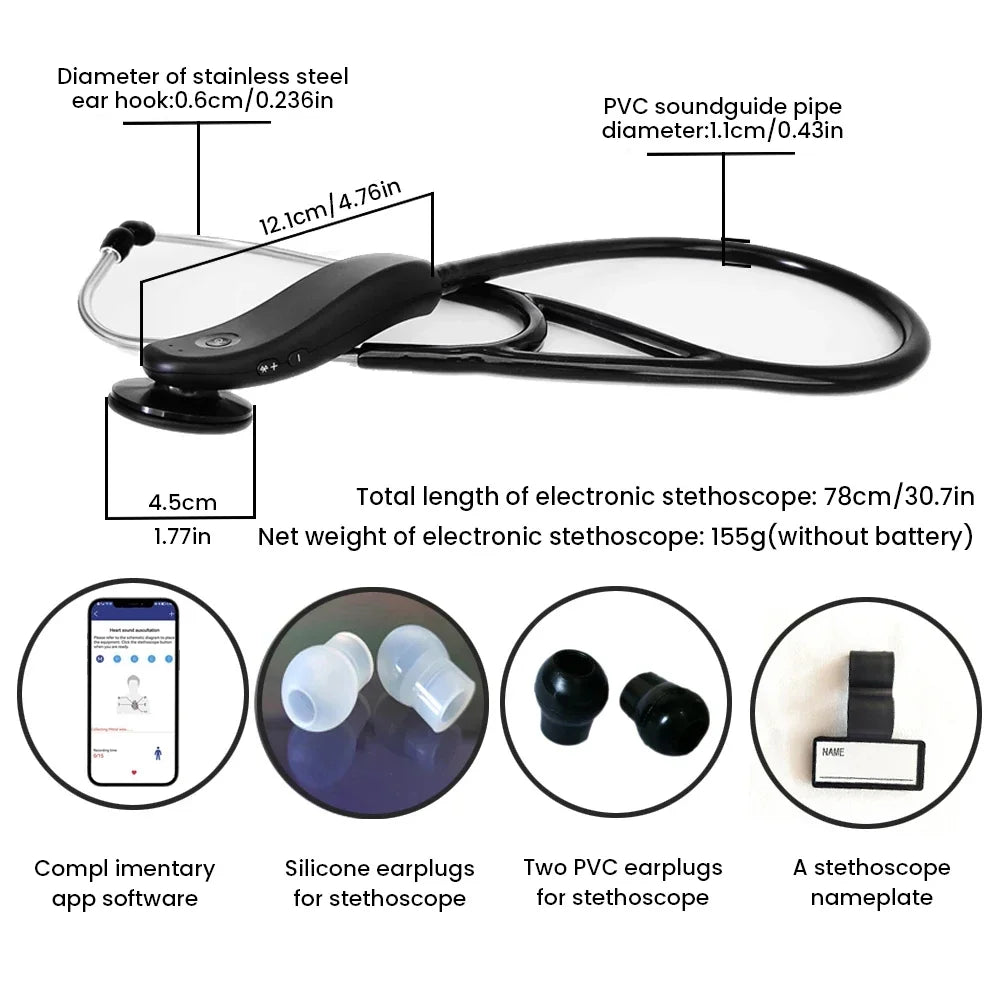
Intelligent noise reduction improves auscultation accuracy — 💡 See it in action
For clinicians already using digital monitoring tools, pairing listening devices with other items from Monitoring Devices can streamline assessments and documentation.
Manual vs Amplified Listening: What Changes?
| Aspect | Manual Stethoscope | Amplified Stethoscope |
|---|---|---|
| Background Noise | Unaffected | Reduced through filtering |
| Sound Volume | Fixed | Adjustable amplification |
| Fatigue Over Time | Higher | Lower due to clarity |
This contrast explains why many professionals transition once they experience consistent clarity during peak activity hours.
Real-World Scenarios in Busy Wards
Imagine assessing a newborn while monitors beep and staff converse nearby. In these moments, clear auscultation supports confident decisions. Clinicians often combine improved listening tools with calming practices borrowed from Health & Safety environments to maintain focus.
Similarly, wellness-focused settings emphasize reduced sensory overload. Resources aligned with Beauty & Wellness principles highlight how calmer surroundings improve perception and accuracy.
Building Long-Term Listening Confidence
Repeated exposure to clearer sounds retrains the ear. Over weeks, clinicians report faster recognition and reduced second-guessing. This confidence translates into smoother workflows and better patient communication.
Social proof from training hospitals shows fewer repeat checks and improved diagnostic agreement when amplified listening tools are adopted alongside technique coaching.
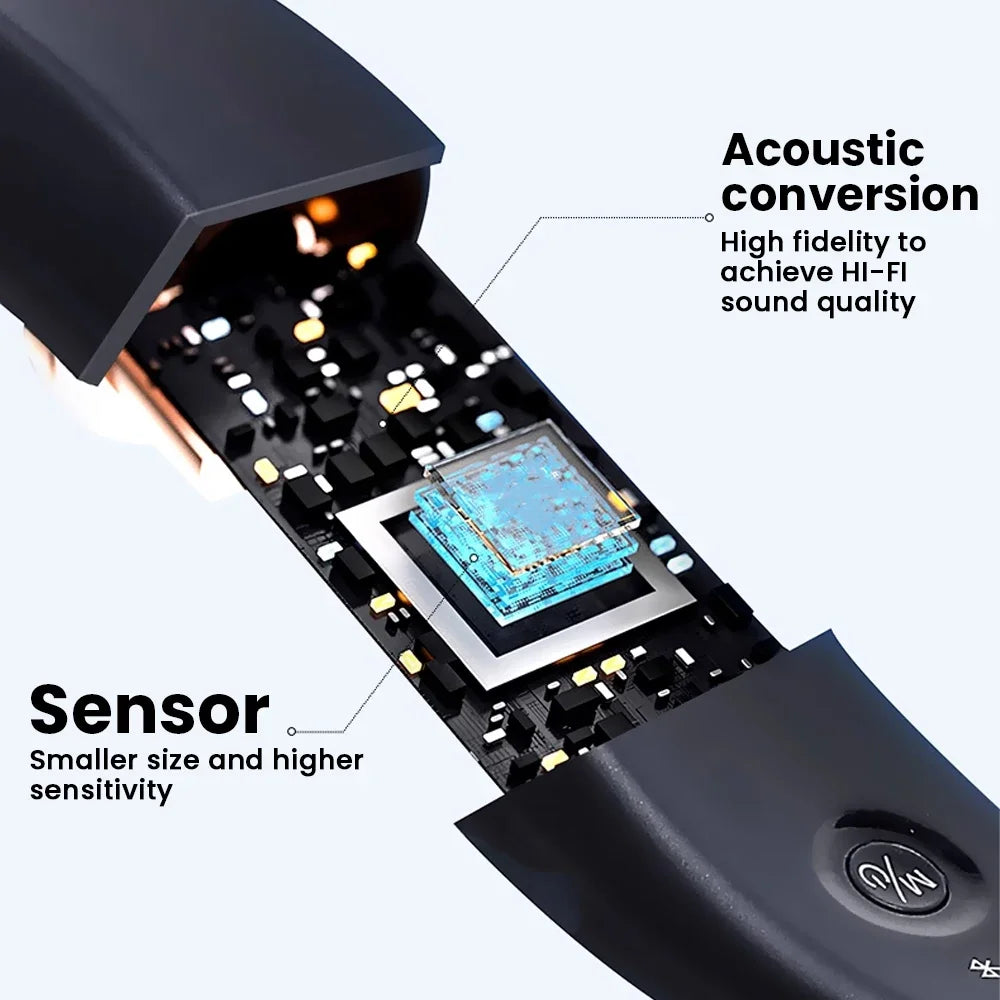
From poor stethoscope sound quality to confident listening — 💡 See it in action
Mini FAQ
Does an amplified stethoscope really help in noisy clinical auscultation?
Yes. By increasing volume and applying intelligent noise reduction, amplified devices isolate heart and lung sounds from ambient noise, improving clarity in busy wards.
How quickly can clinicians adapt to enhanced listening tools?
Most users report noticeable improvement within their first few exams, with continued gains as their ears adjust to clearer, more consistent sound patterns.
Can better auscultation reduce diagnostic uncertainty?
Clearer sound reduces missed cues and repeat checks, supporting more confident assessments and smoother clinical decision-making.
Pillar Article: Stethoscope With Bluetooth: Best Options Compared
Other Related Articles:
- Poor Stethoscope Sound Quality? Devices That Fix It
- Pulmonary Sounds Audio: Top Digital Tools Compared
- Heart Sound Recording Devices Reviewed Side by Side
- Sound Waves Visualization Tools: Which Devices Perform Best
Explore More:





