

Best Hands Free Pumping Nursing Bra for Busy Moms
Do Wearable Pumps Decrease Supply? Comparing the Evidence
Do Wearable Pumps Decrease Supply?
Do wearable pumps decrease supply? For most parents, the answer is no when the pump fits correctly, removes milk effectively, and is used consistently. Research and lactation experts suggest that milk supply is influenced more by milk removal frequency, flange fit, and pumping technique than by whether a pump is wearable or traditional.
⏱ 9 min read
Many breastfeeding parents worry that switching to a wearable breast pump could reduce milk production. It's an understandable concern, especially when online discussions often share conflicting experiences. The reality is more nuanced. While some parents notice lower output with wearable pumps, others maintain or even improve their routine because wearable technology helps them pump more consistently. Understanding the evidence behind milk production, pump performance, and proper fit can help you make an informed decision that supports your feeding goals.
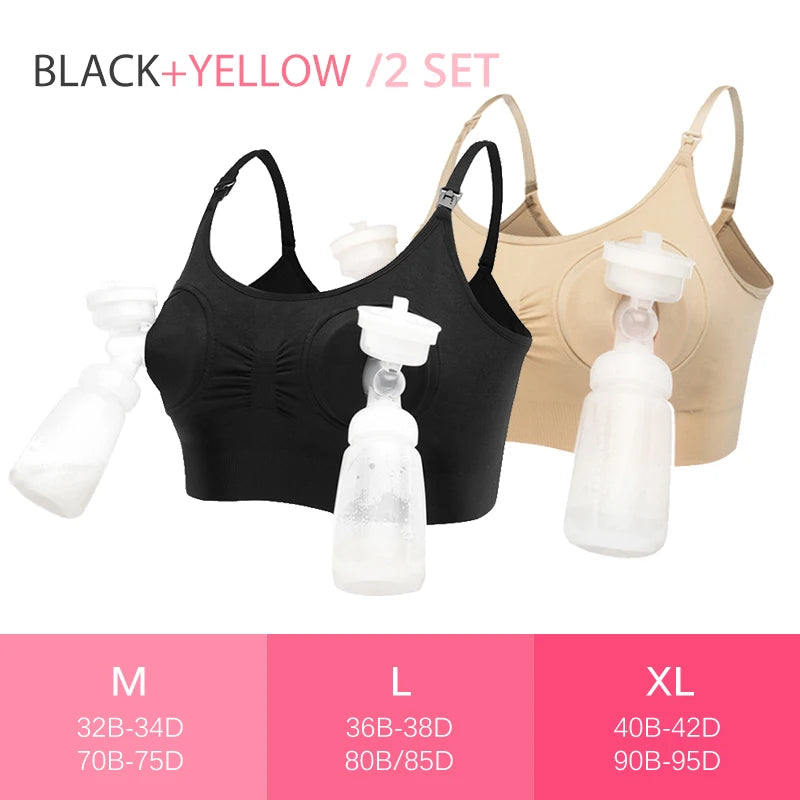
💡 See it in action - do wearable pumps decrease supply / wearable pump versus pumping bra, breast pump flange slipping issues, pumping bra fit and sizing, best pumping bra for work
What Does the Evidence Say About Milk Supply?
Milk production operates largely on a supply-and-demand system. When milk is removed efficiently and regularly, the body receives signals to continue producing milk.
Current evidence does not show that wearable pumps inherently decrease milk supply. However, some studies and clinical observations suggest that certain wearable pumps may remove milk less efficiently for some users compared with hospital-grade or traditional electric pumps.
The key distinction is that lower pumping output during a session does not automatically mean lower milk supply. Factors such as stress, hydration, flange fit, and pump settings can influence the amount collected.
| Factor | Impact on Supply |
|---|---|
| Pumping frequency | High impact |
| Milk removal efficiency | High impact |
| Flange fit | High impact |
| Pump type alone | Moderate impact |
| Session consistency | High impact |
Common Reasons Output Appears to Drop
When parents report lower output after switching to a wearable pump, several factors may be involved.
- Incorrect flange sizing
- Reduced suction strength compared with previous equipment
- Breast pump flange slipping issues
- Shorter pumping sessions
- Infrequent pumping due to busy schedules
- Battery performance variations
In many cases, adjusting fit and technique improves results significantly.
Wearable Pump Versus Pumping Bra: What's the Difference?
The wearable pump versus pumping bra comparison often causes confusion because these products serve different purposes.
| Feature | Wearable Pump | Pumping Bra |
|---|---|---|
| Milk collection system | Built-in | Requires separate pump |
| Hands-free use | Yes | Yes |
| Portability | Excellent | Depends on pump |
| Pump strength options | Varies | Depends on attached pump |
| Cost | Higher | Lower |
A pumping bra simply secures traditional pump flanges in place, allowing hands-free pumping while maintaining access to stronger or hospital-grade pump motors.
Wearable pumps integrate the collection system into compact units that fit inside the bra.
How Breast Pump Flange Slipping Issues Affect Output
One overlooked factor in pumping success is breast pump flange slipping issues.
When the flange shifts during pumping, suction may be disrupted. Even small movements can reduce milk removal efficiency and cause discomfort.
Signs of flange slipping include:
- Reduced milk output
- Loss of suction sensation
- Frequent need to reposition equipment
- Nipple rubbing against flange walls
- Milk leaking around the seal
Many parents assume the pump itself is responsible for lower output when the actual issue is flange positioning.
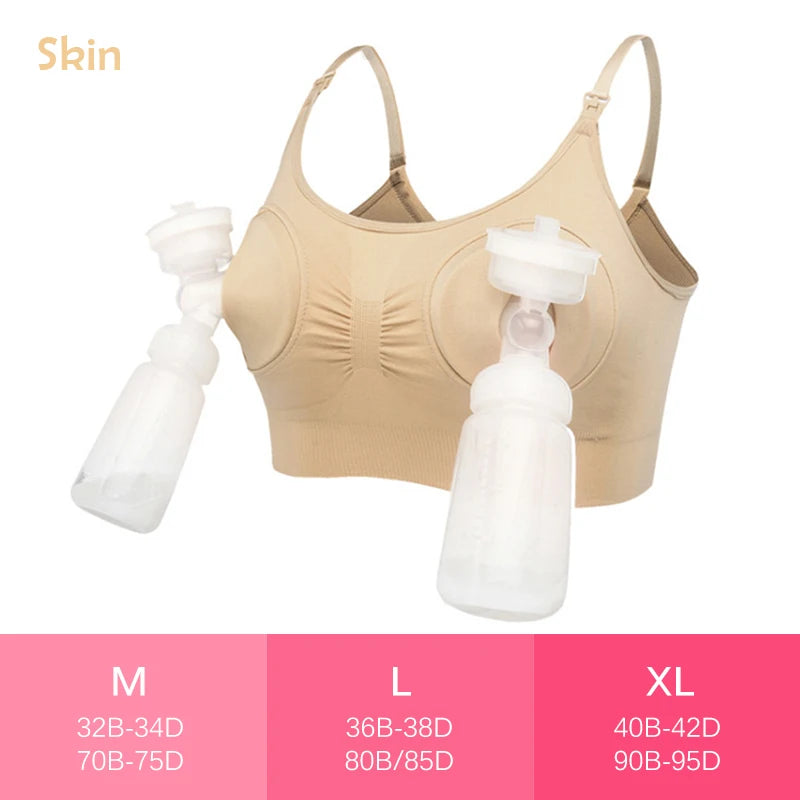
💡 See it in action - do wearable pumps decrease supply / wearable pump versus pumping bra, breast pump flange slipping issues, pumping bra fit and sizing, best pumping bra for work
Why Proper Pumping Bra Fit and Sizing Matters
Pumping bra fit and sizing can dramatically affect comfort and milk collection efficiency.
A bra that is too loose may allow flanges to shift. A bra that is too tight may compress breast tissue and interfere with milk flow.
Signs Your Pumping Bra Fits Well
- Flanges remain stable throughout sessions
- No excessive pressure on breast tissue
- Comfortable wear for extended periods
- Consistent suction and milk collection
- Minimal need for adjustments
Signs Your Pumping Bra May Need Adjustment
- Red pressure marks
- Frequent repositioning
- Pain or discomfort
- Flanges tilting during use
- Milk leakage around seals
Parents who experience output concerns should evaluate pumping bra fit and sizing before assuming their wearable pump is affecting supply.
How the Best Pumping Bra for Work Supports Consistency
One major advantage of hands-free solutions is improved consistency during busy workdays.
The best pumping bra for work should provide:
- Secure flange support
- Comfort during long wear
- Easy access for pumping breaks
- Compatibility with multiple pump types
- Durable construction for daily use
Many working parents find that hands-free pumping reduces skipped sessions. Since regular milk removal is one of the strongest predictors of supply maintenance, this benefit can outweigh minor differences in pump performance.
For parents balancing meetings, commuting, and childcare, convenience often becomes a critical factor in long-term success.
Pros and Cons of Wearable Pumps
Wearable pumps offer significant advantages but may not be perfect for every situation.
| Pros | Cons |
|---|---|
| Hands-free mobility | May have lower suction than some traditional pumps |
| Discreet pumping | Can require more cleaning parts |
| Easier multitasking | Higher upfront cost |
| Encourages pumping consistency | Fit may vary between users |
| Convenient for work and travel | Battery management required |
What Real Parents Commonly Report
Parent experiences vary widely.
Some exclusive pumping parents report collecting slightly less milk with wearable pumps but appreciate the flexibility enough to pump more frequently overall.
Others alternate between wearable pumps and traditional systems depending on their schedule.
Common themes include:
- Proper flange sizing improves results.
- Consistency matters more than equipment style.
- Comfort encourages longer-term pumping success.
- Supportive pumping bras reduce movement and leaks.
These observations align with what lactation consultants often emphasize: effective milk removal is more important than the specific type of pump being used.
Parents looking to improve overall feeding routines may also find helpful resources within Mom Essentials, Mom Essentials Guide, and Feeding Tools.
What Really Determines Long-Term Milk Supply?
The strongest predictors of milk production include:
- Frequent milk removal
- Effective breast drainage
- Proper flange sizing
- Comfortable pumping setup
- Consistent daily routine
For many parents, wearable pumps improve convenience enough to increase pumping frequency, which can help support supply goals rather than hinder them.
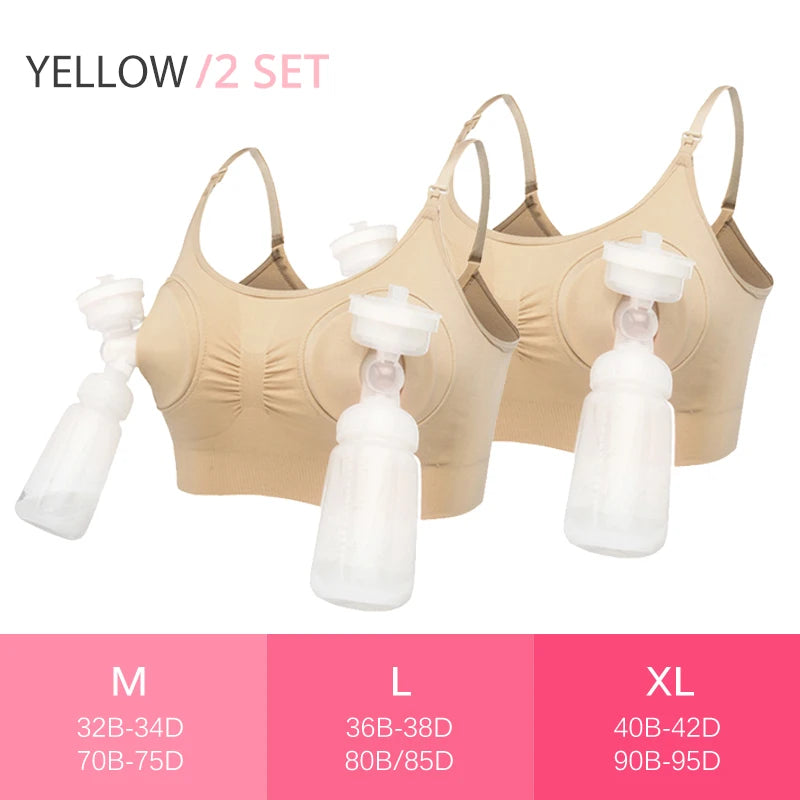
💡 See it in action - do wearable pumps decrease supply / wearable pump versus pumping bra, breast pump flange slipping issues, pumping bra fit and sizing, best pumping bra for work
Explore our hands-free pumping bra and discover how better support, secure positioning, and all-day comfort can make pumping easier wherever your day takes you.
Additional support products can also be found in our Breastfeeding Aids and Feeding & Nursing Tips collections.
Frequently Asked Questions
Do wearable pumps decrease supply over time?
Not necessarily. Most evidence suggests milk supply depends more on effective and frequent milk removal than on whether the pump is wearable or traditional.
Can flange slipping reduce pumping output?
Yes. Breast pump flange slipping issues can reduce suction efficiency and make milk removal less effective, potentially lowering collected output.
Is a pumping bra necessary with a wearable pump?
Most wearable pumps are designed to fit directly inside a bra, but a supportive bra can improve stability and comfort.
How do I know if my pumping bra fits correctly?
Proper pumping bra fit and sizing should keep flanges stable without creating excessive pressure or discomfort.
What is the best pumping bra for work?
The best pumping bra for work offers comfort, strong support, compatibility with your pump, and enough stability to prevent flange movement throughout the day.
Pillar Article: Nursing Bra vs Pumping Bra: Which One Fits Your Routine?
Other Related Articles:
- Do Wearable Pumps Decrease Supply? Comparing the Evidence
- Comfortable Nursing Bras Reviewed: 7 Top Picks Compared
- Cotton Pumping Bras vs Synthetic Options: What’s Better?
- Wire Free Nursing Bra Review: Comfort vs Support Explained
Explore More:





