

Do Wearable Pumps Decrease Supply? Comparing the Evidence
Do wearable pumps decrease supply?
Do wearable pumps decrease supply? Current evidence suggests wearable pumps do not automatically reduce milk supply. Milk production is primarily driven by effective breast emptying, pumping frequency, flange fit, and consistency. Some parents experience lower output with wearable pumps, but this is often linked to fit, suction effectiveness, or breast pump flange slipping issues rather than the wearable pump itself.
Do Wearable Pumps Decrease Supply? Comparing the Evidence
⏱ 9 min read
Many breastfeeding parents hear conflicting advice about wearable pumps. Some claim they reduce milk production, while others successfully use them every day without any noticeable drop in output. So what does the evidence actually show? If you've wondered whether wearable pumps affect supply, how a wearable pump versus pumping bra setup compares, or whether pumping bra fit and sizing influences results, this guide breaks down the facts and practical considerations that matter most.
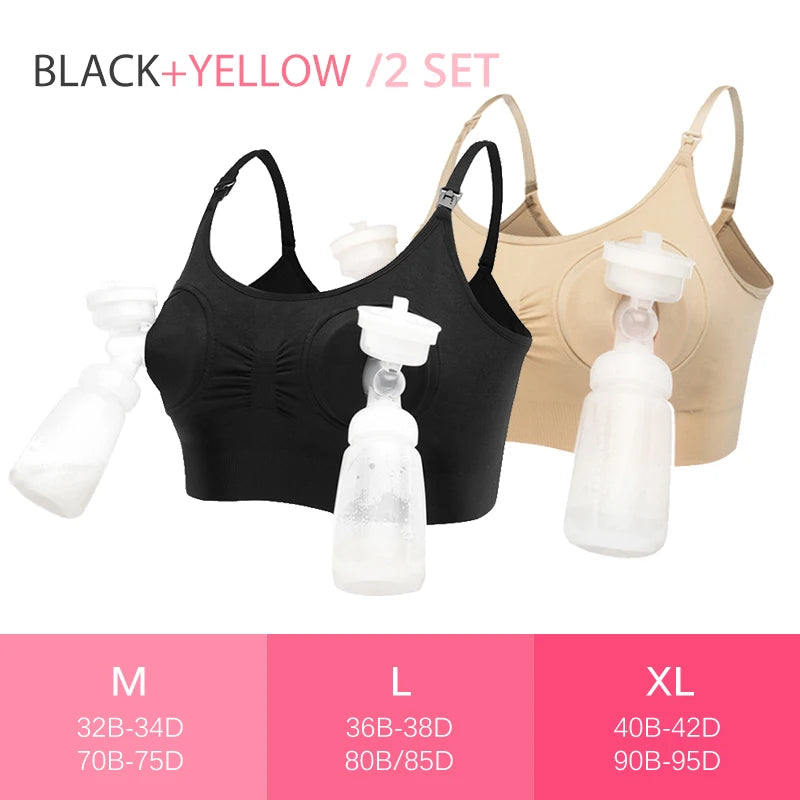
💡 See it in action - do wearable pumps decrease supply / wearable pump versus pumping bra, breast pump flange slipping issues, pumping bra fit and sizing, best pumping bra for work
👉 Curious about making pumping sessions more comfortable? Explore the hands-free pumping bra and discover how a stable pumping setup can support efficient milk expression.
Wondering why output sometimes changes even when using the same pump? Small factors like flange positioning, suction settings, and bra support often matter more than the pump style itself.
What Does the Evidence Say About Wearable Pumps?
Do wearable pumps decrease supply? The short answer is that wearable pumps do not inherently reduce milk supply for every parent.
Most lactation professionals agree that milk supply responds primarily to milk removal. When breasts are emptied effectively and consistently, the body receives signals to continue producing milk. If a wearable pump removes milk efficiently for your anatomy and routine, supply may remain stable.
However, some parents report collecting less milk with wearable pumps compared with traditional electric pumps. This doesn't necessarily mean supply has decreased. It may simply reflect differences in suction strength, flange alignment, pumping duration, or breast shape compatibility.
| Factor | Impact on Supply |
|---|---|
| Pumping frequency | High impact |
| Effective breast emptying | High impact |
| Flange fit | High impact |
| Pump type | Moderate impact |
| Session consistency | High impact |
| Bra support | Moderate to high impact |
How a Wearable Pump Versus Pumping Bra Setup Changes the Experience
When evaluating a wearable pump versus pumping bra arrangement, convenience is often the first consideration.
Wearable Pump Setup
- Fits inside the bra
- Offers maximum mobility
- Useful during work, commuting, or household tasks
- Can be discreet under clothing
- May require careful positioning for optimal milk removal
Pumping Bra with Traditional Pump
- Typically supports stronger pump motors
- Allows hands-free operation
- Often provides more stable flange positioning
- Can help reduce movement-related issues
- May produce higher output for some users
Neither setup is universally superior. The better option depends on your anatomy, daily routine, pumping goals, and comfort preferences.
Parents looking for additional breastfeeding accessories may also find useful solutions within the Breastfeeding Aids collection.
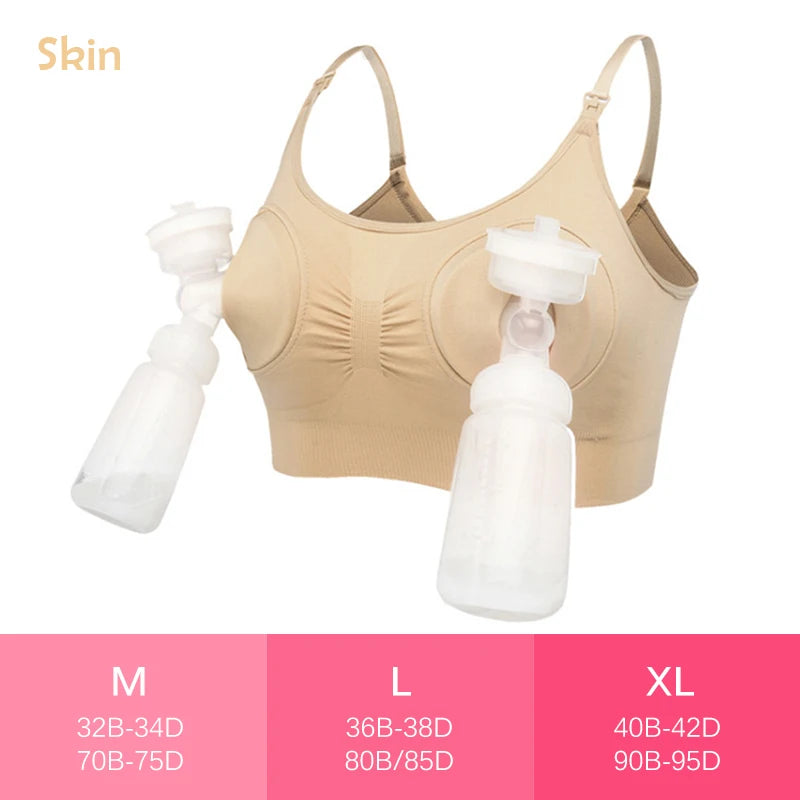
💡 See it in action - do wearable pumps decrease supply / wearable pump versus pumping bra, breast pump flange slipping issues, pumping bra fit and sizing, best pumping bra for work
👉 Learn how proper support can improve pumping comfort. A well-designed hands-free pumping bra can help maintain flange stability during busy days.
What Actually Influences Milk Supply More Than Pump Choice?
Many parents focus heavily on equipment while overlooking factors with a stronger impact on production.
1. Pumping Frequency
Milk supply responds to demand. Missing sessions regularly often has a larger effect than switching pump styles.
2. Effective Milk Removal
Incomplete breast emptying can gradually signal the body to produce less milk.
3. Flange Size and Positioning
Incorrect flange sizing can reduce comfort and efficiency, regardless of whether you're using a wearable or traditional pump.
4. Stress and Fatigue
Sleep deprivation, stress, and inconsistent schedules can influence let-down and pumping effectiveness.
Supportive products found in the Mom Essentials collection may help simplify daily routines during the breastfeeding journey.
How Breast Pump Flange Slipping Issues Affect Output
Breast pump flange slipping issues are one of the most overlooked reasons parents believe their supply is decreasing.
When flanges move during pumping, suction may be disrupted. This can lead to:
- Reduced milk collection
- Longer pumping sessions
- Nipple discomfort
- Incomplete breast emptying
- Frustration and inconsistent results
A wearable pump can be especially sensitive to movement because the collection cups sit inside the bra. If the bra fails to hold components securely, output may appear lower even when milk production remains unchanged.
Why Pumping Bra Fit and Sizing Matters More Than Many Parents Realize
Proper pumping bra fit and sizing plays a critical role in maintaining consistent suction and flange positioning.
A bra that is too loose may allow shifting and misalignment. A bra that is too tight can create pressure points and discomfort.
Signs Your Pumping Bra Fits Well
- Flanges stay centered throughout sessions
- No excessive movement while walking or working
- Comfortable support without pinching
- Stable suction performance
- Easy insertion and removal of pump components
Signs You May Need a Different Size
- Frequent flange adjustments
- Visible shifting during pumping
- Red marks after sessions
- Uneven milk output between breasts
- Difficulty maintaining suction
Many exclusive pumping parents report improved consistency after upgrading their pumping bra rather than changing pumps.
How to Choose the Best Pumping Bra for Work
The best pumping bra for work balances comfort, support, and practicality during long days.
- Look for secure flange openings.
- Choose adjustable straps.
- Prioritize all-day comfort.
- Consider compatibility with your pump.
- Select breathable materials.
- Test movement before relying on it at work.
For working parents who pump multiple times daily, a supportive hands-free pumping bra may reduce adjustments and help maintain a more predictable routine.
Parents building a complete feeding station can also browse the Feeding & Nursing collection for complementary products.
Wearable Pump Versus Pumping Bra: Pros and Cons
| Option | Advantages | Limitations |
|---|---|---|
| Wearable Pump | Portable, discreet, flexible | May be sensitive to positioning |
| Pumping Bra + Traditional Pump | Stable suction, hands-free use | Less portable |
Wearable Pump Pros
- Greater mobility
- Convenient for multitasking
- Discreet under clothing
Wearable Pump Cons
- Fit-dependent performance
- Potential alignment challenges
- May require more troubleshooting
Pumping Bra Pros
- Reliable flange positioning
- Works with many pump types
- Supports longer pumping sessions
Pumping Bra Cons
- Less portable than wearable-only setups
- May require carrying external equipment
Practical Tips for Maintaining Supply Regardless of Pump Type
- Maintain a consistent pumping schedule.
- Check flange size regularly.
- Replace worn pump parts when needed.
- Monitor output trends over several days, not a single session.
- Ensure proper hydration and nutrition.
- Address breast pump flange slipping issues promptly.
- Invest in proper pumping bra fit and sizing.
- Consult a lactation professional if output changes significantly.
Additional wellness tools and comfort-focused products can be explored within the Beauty & Wellness collection and the Massage & Relaxation collection.
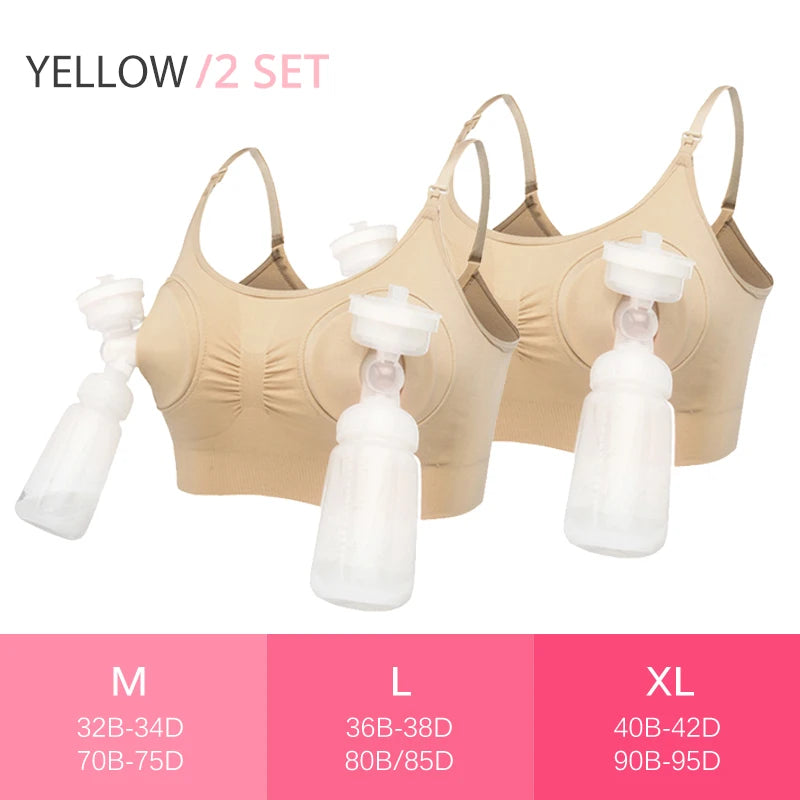
💡 See it in action - do wearable pumps decrease supply / wearable pump versus pumping bra, breast pump flange slipping issues, pumping bra fit and sizing, best pumping bra for work
Final Thoughts
The evidence suggests that wearable pumps do not automatically decrease milk supply. For most parents, successful pumping depends more on consistent milk removal, proper flange fit, supportive bra design, and regular sessions than on whether a pump is wearable or traditional.
If you're evaluating a wearable pump versus pumping bra setup, focus on comfort, efficiency, and fit rather than assumptions about supply. Small adjustments to positioning and support often make a bigger difference than changing pumps entirely.
👉 Ready to improve pumping comfort and consistency? Explore the hands-free pumping bra and find a supportive solution designed for everyday pumping routines.
Frequently Asked Questions
Do wearable pumps decrease supply over time?
Wearable pumps do not inherently reduce milk supply. Supply changes are more commonly associated with ineffective milk removal, inconsistent pumping schedules, or fit-related issues.
Can breast pump flange slipping issues reduce milk output?
Yes. Flange movement can disrupt suction and reduce effective milk removal, which may lead to lower collected volumes during pumping sessions.
What is the best pumping bra for work?
The best pumping bra for work provides secure flange support, comfortable all-day wear, adjustable sizing, and compatibility with your preferred pumping setup.
Is a wearable pump versus pumping bra setup better for exclusive pumping?
Some exclusive pumpers prefer traditional pumps with supportive pumping bras for maximum stability, while others successfully use wearable pumps. Individual fit and effectiveness are the most important factors.
How important is pumping bra fit and sizing?
Proper pumping bra fit and sizing can help maintain suction, improve comfort, reduce flange movement, and support more consistent pumping sessions.
Pillar Article: Nursing Bra vs Pumping Bra: Which One Fits Your Routine?
Other Related Articles:
- Comfortable Nursing Bras Reviewed: 7 Top Picks Compared
- Cotton Pumping Bras vs Synthetic Options: What’s Better?
- Wire Free Nursing Bra Review: Comfort vs Support Explained
- Best Hands Free Pumping Nursing Bra for Busy Moms
Explore More:





