

How to Pump for Breastfeeding and Build a Reliable Routine
How to Pump for Breastfeeding and Build a Reliable Routine?
How to pump for breastfeeding successfully starts with a consistent schedule, proper pump fit, and a comfortable environment. Most parents benefit from pumping every 2–3 hours while establishing supply, using hands-free solutions when possible, and following a routine that matches feeding patterns. Small adjustments can improve comfort, save time, and support long-term breastfeeding goals.
How to Pump for Breastfeeding and Build a Reliable Routine
⏱ 8 min read
How to pump for breastfeeding becomes much easier when you have a routine that works with your daily life instead of against it. Many breastfeeding mothers worry about finding time to pump, maintaining milk supply, and balancing responsibilities while caring for a baby. Whether you're returning to work, building a freezer stash, or introducing pumping alongside nursing, the right strategy can make the process more manageable, comfortable, and sustainable.
Wondering why some parents pump efficiently while others struggle with stress and inconsistency? The difference often comes down to routine, comfort, and using supportive tools that simplify everyday tasks.
👉 Curious about making pumping easier from day one? Explore practical solutions in Feeding & Nursing and discover tools designed to support your breastfeeding journey.
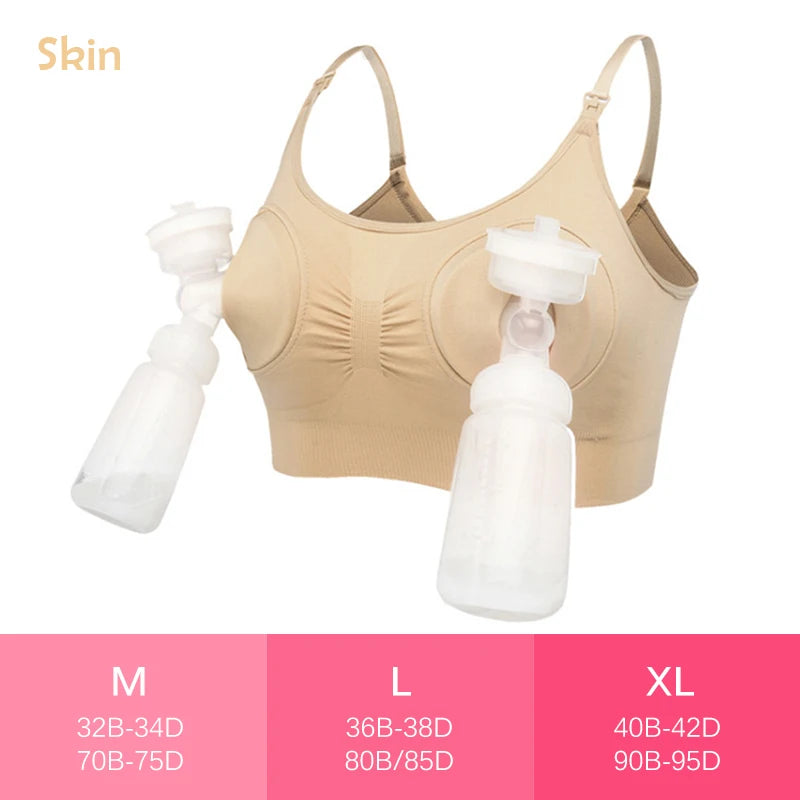
💡 See it in action - how to pump for breastfeeding / how to pump hands free, hands free pumping for beginners, tips for comfortable breast pumping, difficulty multitasking while pumping milk
Why a Consistent Pumping Routine Matters
A reliable routine helps signal your body to produce milk consistently. While every breastfeeding journey looks different, regular pumping sessions often lead to more predictable output and less stress.
Without a routine, many mothers experience:
- Missed pumping sessions
- Reduced milk supply over time
- Breast discomfort and fullness
- Difficulty planning feeding schedules
- Increased frustration during busy days
Creating a pumping habit doesn't require perfection. Consistency matters more than rigid timing.
| Consistent Routine | Irregular Routine |
|---|---|
| More predictable milk production | Supply fluctuations |
| Better comfort levels | Frequent engorgement |
| Easier scheduling | Daily uncertainty |
| Reduced stress | Higher mental load |
Step-by-Step: How to Pump for Breastfeeding
How to pump for breastfeeding effectively involves preparing your equipment, pumping on a regular schedule, ensuring proper flange fit, and emptying the breasts consistently. Following a simple routine helps maximize comfort, support milk production, and make pumping easier to maintain over time.
- Wash your hands and prepare equipment.
- Find a comfortable position.
- Use the correct flange size.
- Start with stimulation mode if available.
- Switch to expression mode after milk begins flowing.
- Pump for approximately 15–20 minutes.
- Store milk safely according to guidelines.
- Clean pump parts thoroughly after use.
Many lactation professionals recommend pumping shortly after nursing sessions when introducing pumping gradually.
Best Times to Pump During the Day
- Early morning when milk supply is naturally higher
- After nursing sessions
- During baby's longer sleep stretches
- At scheduled breaks during work hours
How Hands-Free Pumping Saves Time and Supports Daily Life
Learning how to pump hands free can dramatically improve your daily experience. One of the biggest frustrations many mothers report is feeling tied to a chair during pumping sessions.
Hands free pumping for beginners often feels intimidating at first, but many parents quickly discover how much flexibility it provides.
Benefits include:
- Ability to answer emails
- Reading or studying while pumping
- Light household organization
- Monitoring older children
- Reducing the feeling of lost time
A dedicated hands-free pumping bra can help secure pump flanges comfortably and allow greater mobility during sessions.
Many mothers also explore supportive products within Breastfeeding Aids to streamline their routine.
Tips for Comfortable Breast Pumping That Make a Big Difference
Comfort directly affects consistency. When pumping feels uncomfortable, it's much harder to maintain a routine.
Check Flange Fit First
An incorrect flange size is one of the most common causes of discomfort.
Signs of poor fit include:
- Nipple rubbing excessively
- Pain during pumping
- Reduced milk output
- Swelling after sessions
Create a Relaxing Environment
Stress can interfere with milk letdown. Consider:
- Listening to calming music
- Looking at baby photos
- Drinking water before pumping
- Practicing gentle breathing exercises
Support Your Posture
Back and shoulder tension can make sessions feel longer and more tiring. Use supportive seating whenever possible.
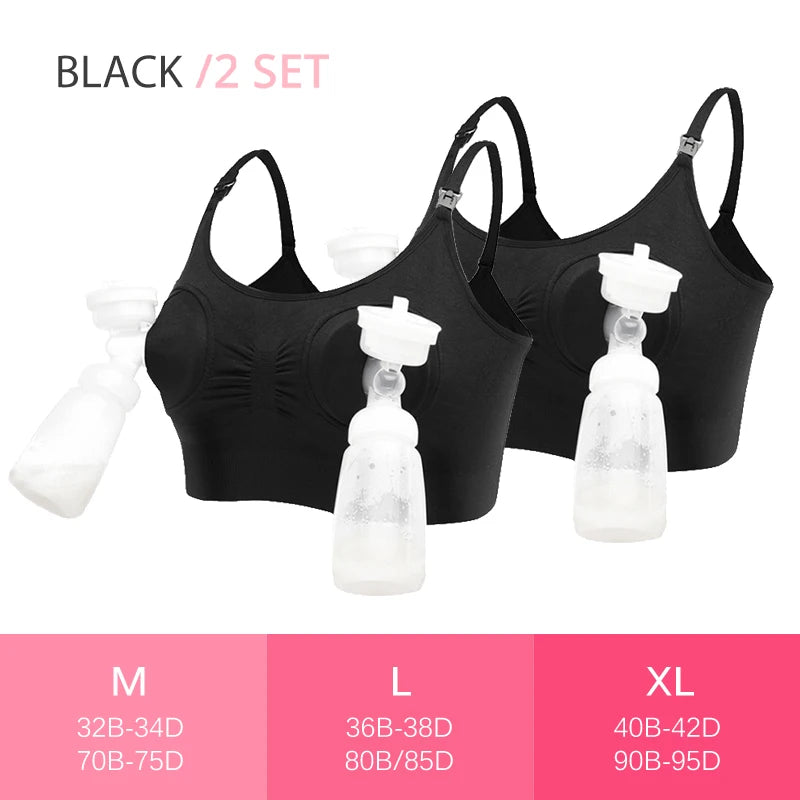
💡 See it in action - how to pump for breastfeeding / how to pump hands free, hands free pumping for beginners, tips for comfortable breast pumping, difficulty multitasking while pumping milk
👉 Ready to simplify your pumping routine? Browse helpful resources and supportive products in Mom Essentials and Feeding Tools.
Managing the Difficulty Multitasking While Pumping Milk
The difficulty multitasking while pumping milk is one of the most common concerns among breastfeeding mothers.
Even with portable equipment, certain activities remain challenging.
Instead of trying to do everything during a pumping session, focus on low-effort tasks:
- Checking messages
- Planning your schedule
- Reading articles
- Ordering groceries online
- Reviewing family calendars
A hands-free setup often reduces physical restrictions, allowing more freedom without compromising pumping effectiveness.
What Not to Do While Pumping
- Activities requiring excessive bending
- Heavy lifting
- Tasks causing pump displacement
- Situations that increase stress significantly
Many mothers report feeling more productive when they stop trying to maximize every minute and instead focus on comfort and consistency.
A Sample Pumping Routine That Works for Many Families
Every family's schedule differs, but this example can serve as a starting point.
| Time | Activity |
|---|---|
| 6:00 AM | Morning pump |
| 9:00 AM | Second pumping session |
| 12:00 PM | Midday pump |
| 3:00 PM | Afternoon pump |
| 6:00 PM | Evening session |
| 9:00 PM | Final pump before bed |
This schedule may need adjustments based on your baby's age, nursing frequency, and personal goals.
Common Pumping Mistakes to Avoid
Many challenges can be solved by avoiding a few common errors.
| ✅ Helpful Habits | ❌ Common Mistakes |
|---|---|
| Maintain consistent sessions | Skipping pumps frequently |
| Replace worn pump parts | Using damaged components |
| Stay hydrated | Ignoring hydration needs |
| Use proper flange size | Using incorrect fit |
| Track output trends | Obsessing over individual sessions |
Remember that milk output naturally varies throughout the day. Focus on overall trends rather than comparing every session.
Helpful Tools for Daily Pumping Success
The right support products can make pumping more manageable and comfortable.
- Hands-free pumping bras
- Milk storage bags
- Pump cleaning supplies
- Nursing accessories
- Portable pumping equipment
A hands-free pumping bra is especially useful for mothers who want greater flexibility while pumping.
You may also find additional support products in Feeding & Nursing, Mom Essentials, and Health & Safety.
Parent Experience: "Once I switched to a hands-free setup and followed a consistent schedule, pumping felt much less overwhelming. I stopped feeling stuck in one place and finally found a routine that worked for my family."
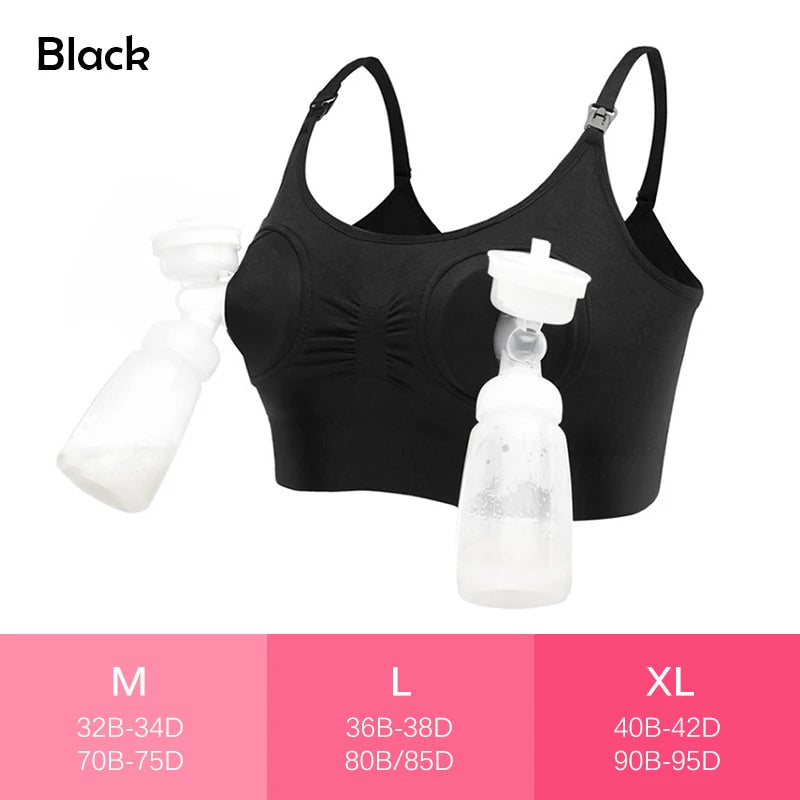
💡 See it in action - how to pump for breastfeeding / how to pump hands free, hands free pumping for beginners, tips for comfortable breast pumping, difficulty multitasking while pumping milk
Build Confidence With a Routine That Fits Real Life
Successful pumping isn't about achieving perfection. It's about creating a routine that feels sustainable, comfortable, and realistic for your lifestyle.
Whether you're learning how to pump hands free, searching for tips for comfortable breast pumping, or trying to overcome the difficulty multitasking while pumping milk, small improvements can have a significant impact over time.
👉 Get yours now and make pumping more convenient every day. Explore the hands-free pumping bra and discover supportive essentials from Breastfeeding Aids while supplies are available.
Frequently Asked Questions
How often should I pump for breastfeeding?
Most breastfeeding mothers pump every 2–3 hours when establishing supply, though individual schedules may vary based on baby's age and feeding patterns.
How can I learn how to pump hands free?
Using a properly fitted hands-free pumping bra can securely hold pump flanges in place, allowing greater mobility during pumping sessions.
What are the best tips for comfortable breast pumping?
Use the correct flange size, maintain good posture, stay hydrated, and create a calm environment to improve comfort.
Why is multitasking while pumping milk difficult?
Pumping equipment can limit movement and require positioning adjustments. Hands-free solutions help reduce restrictions and improve flexibility.
Can I combine nursing and pumping?
Yes. Many mothers successfully combine both methods by introducing pumping gradually and following a consistent routine that supports milk production.
Pillar Article: How to Breastfeed and Pump Without Feeling Overwhelmed
Other Related Articles:
- How to Combine Breastfeeding and Pumping for Better Flexibility
- How to Schedule Breastfeeding and Pumping for a Smoother Day
- Fit Breast Pump Flange Correctly in 5 Easy Steps
Explore More:





