

Does a baby bottle cleaning brush with case really keep tools germ-free?
Yes. A baby bottle cleaning brush with case helps reduce recontamination by keeping damp cleaning tools protected from airborne particles, kitchen surfaces, and everyday household bacteria. When paired with proper washing, thorough drying, and regular sterilization, a ventilated storage case helps brushes stay cleaner between uses and supports safer baby bottle hygiene.
Baby Bottle Cleaning Brush With Case Tutorial: How to Keep Tools Germ-Free
A baby bottle cleaning brush with case makes daily bottle care more hygienic whether you're feeding at home or traveling. Unlike loose brushes left beside the sink, a bottle cleaning travel kit or complete bottle brush kit keeps essential cleaning tools organized, encourages faster drying, and reduces the chance of contamination between feeds. While sterilizing bottles is important, storing cleaning tools correctly is equally essential. This guide explains why protective storage matters, what features to look for, and how to maintain cleaner feeding tools every day.
⏱ 7 min read
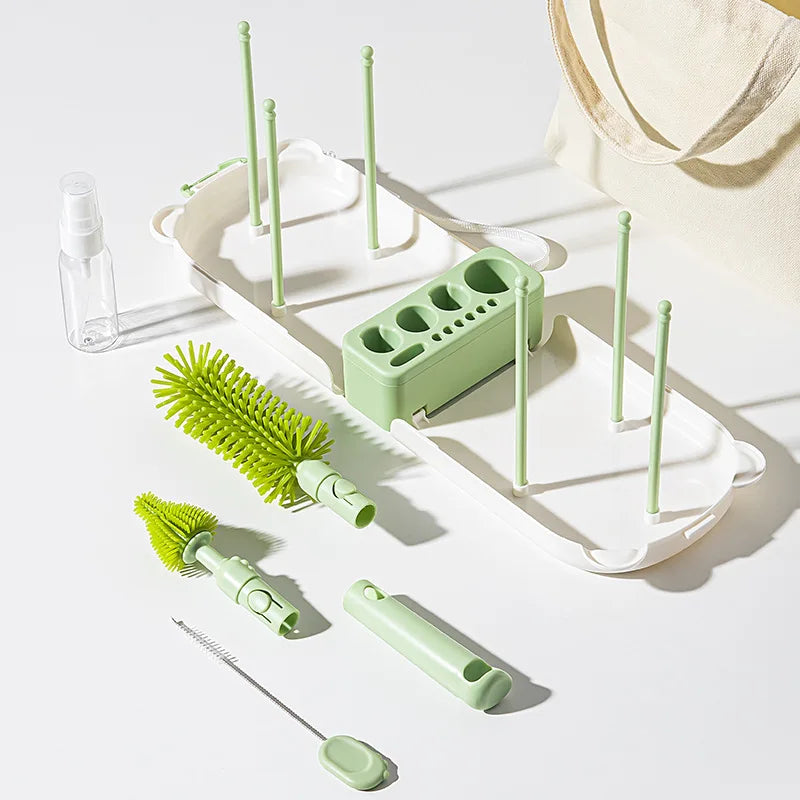
Baby bottle cleaning brush with case and bottle cleaning travel kit ready for hygienic daily use.
Why this matters: germs, drying, and storage
Baby bottles come into contact with milk or formula several times every day, making thorough cleaning essential. However, the job isn't finished once the bottle is washed. Brushes that remain damp or are stored on countertops can collect bacteria, food residue, and moisture that encourage unpleasant odors or mold growth. Keeping both bottles and cleaning tools hygienic helps create a safer feeding routine.
A protective storage case supports better hygiene by allowing brushes to dry while shielding them from everyday contaminants. Combined with regular washing and sanitizing, this simple habit can reduce bacterial regrowth and extend the life of your cleaning tools.
Common pain points parents face
- Wet brushes sitting on sinks or countertops collect dust and kitchen bacteria.
- Poor airflow slows drying, increasing the risk of lingering moisture and biofilm.
- Loose brushes become contaminated inside diaper bags during travel.
- Busy parents need a cleaning routine that is both effective and easy to maintain every day.
Choosing practical feeding accessories can make everyday baby care simpler and more hygienic.
Are Baby Bottle Cleaning Brushes With Cases Worth It? (Quick Answer)
For most families, yes. A baby bottle cleaning brush with case helps keep cleaning tools separated from contaminated surfaces while promoting better airflow during drying. Although the case itself does not sterilize brushes, it reduces unnecessary exposure between uses and keeps your portable bottle cleaning kit organized for both home and travel.
Why a Portable Bottle Cleaning Kit Improves Baby Bottle Hygiene
A well-designed bottle cleaning travel kit combines protective storage with practical organization. Look for features such as ventilation holes, drainage channels, BPA-free materials, secure closures, and enough space for a bottle brush, nipple brush, and small accessories. Remember that even the best storage case should be cleaned regularly and used alongside proper washing and periodic sterilization for optimal hygiene.
Key features that make a case effective
The best baby bottle cleaning brush with case does more than organize your cleaning tools. It should promote quick drying, protect brushes from contamination, and make daily bottle cleaning easier both at home and while traveling.
Ventilation and drainage
Good airflow is one of the most important hygiene features. Ventilated lids and built-in drainage holes allow excess water to escape so brushes dry faster. Since bacteria and mold thrive in damp environments, faster drying helps reduce moisture-related microbial growth compared with storing brushes in sealed containers.
Material and finish
Choose cases made from durable, BPA-free, non-porous plastic or food-grade silicone. These materials resist staining, clean easily, and are less likely to retain odors. While some products advertise antimicrobial coatings or silver-ion technology, they should always complement—not replace—regular washing and sanitizing.
Compact travel design
A well-designed bottle cleaning travel kit should fit neatly inside a diaper bag while keeping brushes separated from bottles, clothing, and other baby essentials. Secure closures, lightweight construction, and convenient carrying loops make everyday transport easier without sacrificing hygiene.
Compatibility with sterilizers
If your storage case is compatible with electric steam sterilizers or microwave sterilization, routine deep cleaning becomes much more convenient. Always verify the manufacturer's recommendations before exposing any plastic components to high temperatures.
How to Clean Baby Bottle Brushes Properly
Cleaning the bottle is only part of good feeding hygiene. Brushes themselves collect milk residue and should be cleaned after every use to prevent odor, bacteria, and premature wear.
Daily Cleaning Steps After Washing Bottles
- Rinse the bottle brush immediately after cleaning bottles to remove milk or formula residue.
- Wash the brush thoroughly using warm water and mild dish soap, making sure the bristles are fully cleaned.
- Use the nipple brush to clean nipples, valves, straws, and other narrow feeding accessories.
- Rinse away all soap residue with clean running water.
- Shake off excess moisture before placing the brush upright in its ventilated storage case.
- Allow additional air circulation whenever possible instead of sealing excess moisture inside the case.
How to Sanitize a Bottle Brush Safely
Depending on how often bottles are used, sanitize compatible brushes and storage cases regularly using steam sterilization, boiling water (if approved by the manufacturer), or another recommended sanitizing method. Replace brushes immediately if bristles become bent, loose, cracked, or permanently stained.
Quick checklist
- ✓ Rinse immediately after use.
- ✓ Wash thoroughly with bottle-safe soap.
- ✓ Drain excess water completely.
- ✓ Store upright inside a ventilated case.
- ✓ Sanitize routinely for additional protection.
- ✓ Replace brushes every 2–3 months or sooner if worn.
How to Use a Baby Bottle Cleaning Brush With a Case While Traveling
Travel often means cleaning bottles in hotel rooms, airports, relatives' homes, or public washrooms where clean storage space is limited. A portable bottle cleaning kit helps protect brushes between uses and keeps feeding supplies organized throughout the trip.
Packing a Bottle Cleaning Travel Kit for Diaper Bags
- Pack a full-size or compact bottle brush together with a nipple brush.
- Include travel-size bottle-safe soap or soap sheets.
- Carry a clean microfiber cloth or disposable paper towels for quick drying.
- Keep brushes inside the protective case rather than loose in the diaper bag.
- Bring a spare resealable bag for temporarily storing damp accessories if immediate drying is not possible.
Cleaning Bottles Safely Away From Home
Whenever possible, rinse bottles soon after feeding instead of allowing milk residue to dry. After washing, let brushes drain before returning them to the storage case. Once you're home, sanitize both the brush and case as part of your regular bottle-cleaning routine.
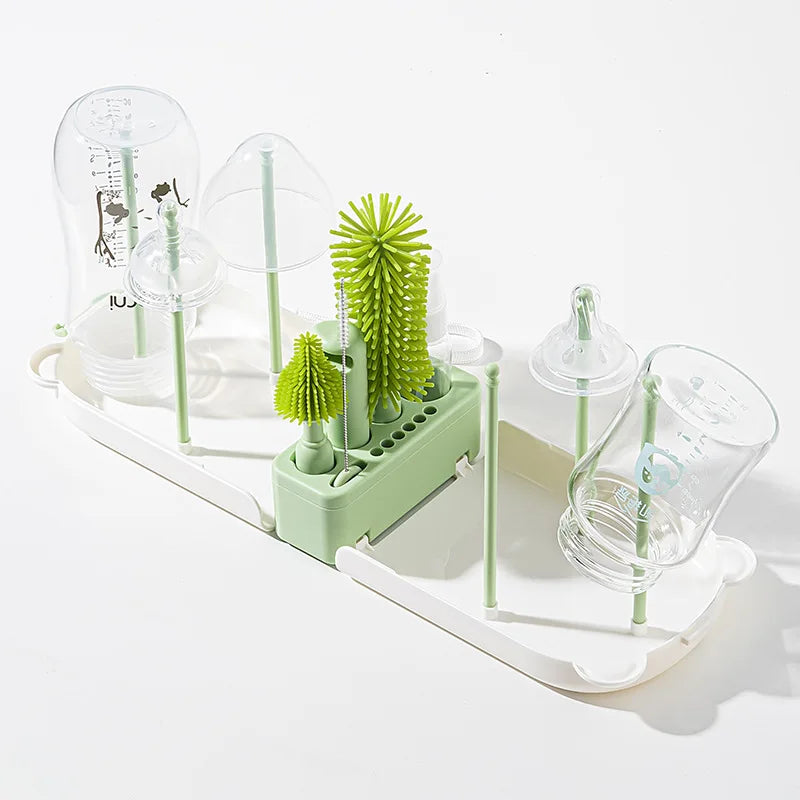
Bottle cleaning travel kit and bottle brush kit designed for hygienic cleaning wherever you go.
Quick comparison: brush + case vs loose brushes
Choosing a baby bottle cleaning brush with case offers practical hygiene advantages over storing brushes loose beside the sink or inside a diaper bag. While both options can clean bottles effectively, proper storage helps reduce unnecessary contamination between uses.
| Feature | Brush + Protective Case | Loose Brush |
|---|---|---|
| Drying performance | Better airflow with vents and drainage | Often stays damp on flat surfaces |
| Protection from contamination | Covered between uses | Exposed to countertops, splashes, dust, and pets |
| Travel convenience | Compact and easy to pack | Can contact other diaper bag contents |
| Organization | Brushes and accessories stay together | Individual pieces are easier to misplace |
| Maintenance | Brush and case both require routine cleaning | Only the brush requires cleaning |
Pros & Cons
- ✅ Better hygiene through protected storage.
- ✅ Easier organization for home and travel.
- ✅ Reduced contact with contaminated kitchen surfaces.
- ✅ Convenient storage for nipple brushes and small accessories.
- ❌ Storage case should also be washed and dried regularly.
- ❌ Closing the case before the brush dries can trap moisture.
Real parents: testimonials & practical experiences
Parents often notice the biggest difference after improving how they store their cleaning tools rather than changing the brush itself. Consistent drying and protected storage can help brushes stay fresher and easier to maintain.
“I used to leave my bottle brush beside the sink after every feeding. Since switching to a ventilated storage case, the brush dries much faster, smells fresher, and is always easy to find when we're out with the baby.” — Sarah, first-time mom
Parenting communities frequently report that keeping bottle brushes inside ventilated storage cases helps reduce lingering odors, minimizes countertop contamination, and makes travel routines much more organized.
Typical routine improvement
- Before: Damp brush left beside the sink, occasional odors, cluttered diaper bag.
- After: Brush dries inside a ventilated case, stays cleaner between uses, and is easier to pack for outings.
Want one that fits your routine? Consider this product: /products/travel-baby-bottle-brush-set (compact brush & case set designed for travel and home use).
Related gear for a complete feeding setup: Feeding Tools and Sterilization Devices .
Daily bottle brush hygiene checklist
- After every feeding: rinse, wash thoroughly, rinse again, drain excess water, and store in a ventilated case.
- Weekly: sanitize both the bottle brush and the storage case according to the manufacturer's instructions.
- Inspect bristles regularly and replace the brush every 2–3 months or sooner if it becomes worn.
- Keep the storage case clean by washing away soap residue and allowing it to dry completely.
- ✓ Rinse immediately after use.
- ✓ Wash with bottle-safe soap.
- ✓ Let the brush drain before closing the case.
- ✓ Sanitize brush and case regularly.
- ✓ Replace worn brushes promptly.
Ready to try a bottle brush kit that actually helps?
A quality baby bottle cleaning brush with case makes bottle cleaning simpler, more organized, and more hygienic. Whether you're feeding at home, visiting family, or traveling, a protective storage case helps reduce unnecessary contamination while keeping your cleaning tools together. Pair your bottle brush kit with regular sterilization and proper drying for the best results.
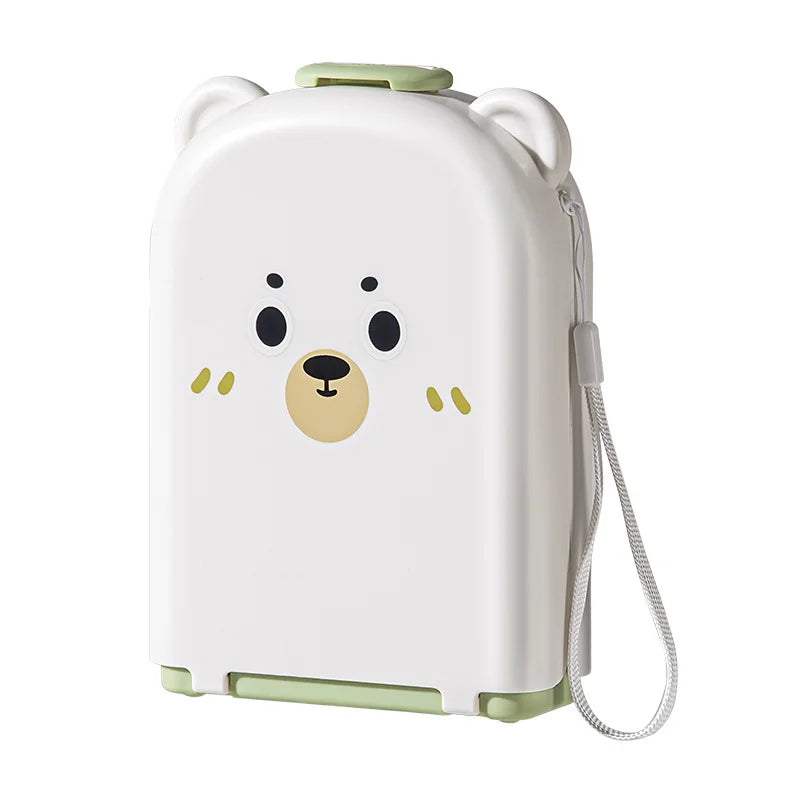
Baby bottle cleaning brush with case and bottle brush kit for hygienic feeding routines at home and on the go.
FAQs
Are baby bottle cleaning brushes with cases more hygienic?
Yes. A protective storage case helps keep bottle brushes away from kitchen surfaces, dust, and other contaminants while allowing them to dry more effectively. Although the case does not sterilize the brush, proper ventilation combined with routine washing and sanitizing supports a cleaner feeding routine.
How do you sanitize a baby bottle cleaning brush?
Wash the brush thoroughly after every use with warm water and bottle-safe soap. If the brush is designed for sterilization, follow the manufacturer's instructions for steam sterilizers, boiling water, or microwave sterilization. Allow both the brush and storage case to dry completely before storing.
What type of bottle brush is best for newborn bottles?
Both silicone and nylon bottle brushes work well. Silicone brushes tend to resist odors and dry quickly, while quality nylon brushes provide excellent scrubbing performance for stubborn milk residue. A complete bottle brush kit that also includes a nipple brush offers the most versatility for newborn feeding accessories.
Can a bottle cleaning travel kit be used for straw cups?
Yes. Many portable bottle cleaning kits include small brushes designed for nipples, valves, straws, and narrow drinking spouts. Always choose a brush size that matches the accessory to clean hard-to-reach areas effectively without damaging delicate parts.
How often should baby bottle brushes be replaced?
Most bottle brushes should be replaced every two to three months with regular use, or sooner if the bristles become bent, frayed, cracked, or retain persistent odors. Replacing worn brushes helps maintain effective cleaning and supports better baby bottle hygiene.
Pillar Article: Hygienic Travel Baby Feeding Tools Breakdown: Why They Keep Bottles Safer
Other Related Articles:
Explore More:





