

Does learning how to feed baby traveling really make mealtime stress-free?
Yes — learning how to feed baby while traveling can make trips easier by combining preparation, a predictable feeding routine, and practical travel gear for infants. With the right plan, parents can reduce spills, avoid last-minute stress, and create a safer feeding experience whether they are taking a short outing, a road trip, or a flight. A compact setup with essentials like bottles, wipes, and a portable feeding seat can help make meals smoother anywhere.
How to Feed Baby Traveling: Step-by-Step Tips for Easy Meals
Travel mealtimes do not have to feel overwhelming. Many parents worry about feeding schedules, unfamiliar environments, food storage, and keeping their baby comfortable while away from home. This guide shares practical tips for feeding baby while traveling, including preparation steps, packing advice, and safe routines that work for breastfeeding, formula feeding, and solids.
⏱ 12 min read
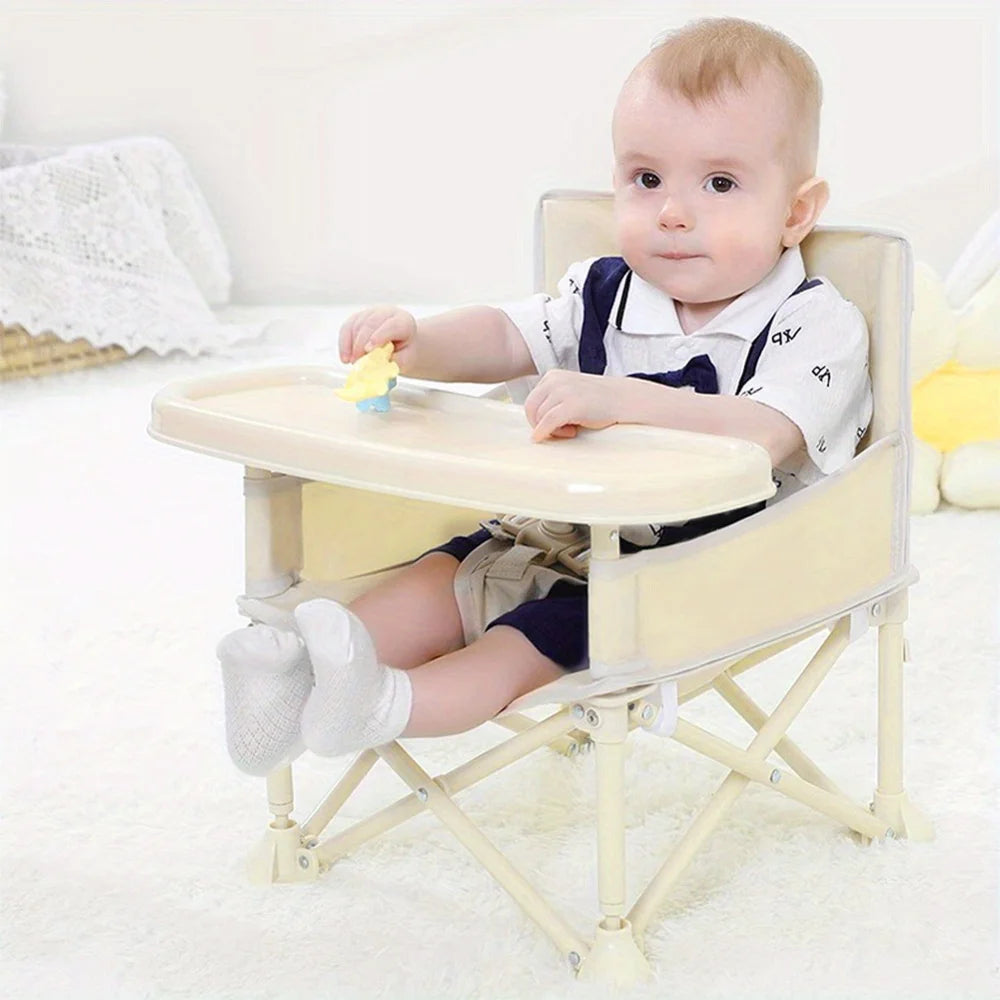
how to feed baby traveling + travel gear for infants — See it in action
How to feed baby while traveling: the safest step-by-step approach
Direct answer: When learning how to feed baby while traveling, focus on three priorities: prepare meals before departure, pack the right feeding supplies, and follow a safe routine during the trip. These steps help maintain your baby's normal feeding pattern while reducing stress for parents.
Plan feeds before departure
Successful feeding baby during travel starts before you leave home. Consider your baby's usual feeding times, travel duration, and available stops. Planning ahead helps you avoid rushing when your baby becomes hungry.
- Check whether your destination has clean water, refrigeration, or suitable food options.
- Schedule travel around regular nap and feeding windows when possible.
- Prepare bottles, snacks, or solid foods before leaving instead of assembling meals on the go.
- Pack extra supplies in case of delays, spills, or unexpected schedule changes.
Pack feeding essentials
A simple feeding system makes traveling with a baby much easier. Keep frequently used items together in a small, easy-access bag so you can prepare meals quickly during stops.
- Bring feeding tools based on your baby's age, including bottles, cups, spoons, bowls, or snacks.
- Use portable items that are lightweight, washable, and easy to organize.
- Carry backup clothing, wipes, and cleaning supplies for unexpected messes.
- Create a dedicated feeding pouch so every trip starts with the same routine.
Follow safe feeding routines during travel
Babies often feel more comfortable when mealtimes remain familiar. Try to recreate your home feeding habits as much as possible while adapting to your travel environment.
- Choose a stable feeding location instead of feeding while walking or moving.
- Secure your baby safely before offering food or drinks.
- Allow enough time for feeding instead of rushing between activities.
- Clean feeding surfaces and utensils before and after meals.
Smart packing list: what to bring
Effective portable baby feeding tips start with organized packing. Instead of carrying everything you own, choose items based on your baby's feeding stage, trip length, and transportation method. A small travel feeding kit can help you stay prepared without adding unnecessary bulk.
Feeding essentials
- Bottles and cups: Pack enough bottles, sippy cups, or toddler cups for the trip length, plus one extra option for emergencies.
- Utensils: Bring soft spoons, silicone bowls, suction plates, and familiar feeding tools your baby already uses.
- Bibs and wipes: Extra bibs, travel wipes, burp cloths, and small towels help handle spills quickly.
- Seating support: A portable travel booster seat or compact feeding chair can create a familiar eating space when away from home.
Food storage items
- Insulated bottle bag: Helps keep milk or prepared bottles organized during travel.
- Food containers: Use sealed containers for snacks, fruit pieces, and prepared baby meals.
- Formula storage: Pre-measure formula portions in clean containers for convenient preparation.
- Snack containers: Collapsible snack cups and pouches are useful for older babies and toddlers.
Cleaning supplies
- Travel bottle brush: A compact brush makes cleaning bottles easier away from home.
- Sanitizing wipes: Useful for cleaning tables, feeding surfaces, and equipment.
- Disposable bags: Store used utensils, dirty bibs, or clothing until washing is available.
- Steam or sterilizing supplies: Helpful for longer trips when regular cleaning access is limited.
Pro tip: Prepare a small "travel mealtime" pouch with one complete feeding setup per outing. This makes feeding baby on the go faster because everything you need is already together.
Feeding guidance by your baby's age
A baby travel feeding guide should consider your child's developmental stage. Feeding needs change quickly during the first years, so the best travel routine depends on age, feeding method, and comfort level.
Newborns
Newborns usually need frequent feeds and a familiar routine. When feeding infant while traveling, prioritize comfort, cleanliness, and easy access to breast milk or formula.
- Plan frequent feeding breaks based on your baby's normal schedule.
- Bring extra diapers, burp cloths, and feeding supplies for longer travel times.
- Keep bottles or breastfeeding supplies easily accessible rather than packed away.
Formula-fed infants
Formula-fed babies need careful preparation while traveling. Pre-measuring formula powder and carrying clean bottles can make feeding more convenient.
- Use safe water sources and clean preparation equipment.
- Pack extra formula in case travel plans change.
- Store prepared formula according to recommended safety guidelines.
Babies starting solids
When babies begin eating solids, travel meals require more planning. Choose familiar foods that are easy to transport and simple to serve.
- Pack soft foods, purees, or age-appropriate finger foods.
- Bring familiar spoons and bowls to make meals less stressful.
- Avoid introducing many new foods during a busy travel day.
Toddlers
Toddlers often prefer independence, so flexible options work best. Offer familiar foods while allowing your child to explore new meals safely.
- Pack favorite snacks alongside healthy travel-friendly foods.
- Use small portions to reduce waste and encourage eating.
- Maintain regular meal and snack routines when possible.
Feeding baby during different types of travel
Different travel situations require different feeding strategies. Whether you are driving, flying, or using public transportation, the goal is to keep your baby comfortable while maintaining safe feeding habits. Planning stops, packing accessible supplies, and creating a calm routine can make feeding baby on the go much easier.
How to feed a baby on a road trip
Road trips give parents more control over timing, but long periods in a car can disrupt normal feeding schedules. Never feed your baby while the vehicle is moving. Instead, plan regular stops where you can safely remove your baby from the car seat and provide a comfortable feeding environment.
- Schedule breaks around your baby's usual feeding times whenever possible.
- Stop at safe locations such as rest areas, parks, or family-friendly facilities.
- Bring a cooler for breast milk, formula, or temperature-sensitive baby foods.
- Pack extra bottles, snacks, clothing, and cleaning supplies for unexpected delays.
- Use a portable feeding seat setup after stopping to create a stable eating area.
How to feed baby on a plane
Flying with a baby requires extra organization because space is limited and routines may change. Keep feeding supplies within easy reach so you do not need to search through luggage during the flight.
- Pack bottles, snacks, wipes, and feeding tools in a small carry-on pouch.
- Feed during takeoff and landing if your baby is comfortable doing so, as sucking can help with pressure changes.
- Bring enough supplies for delays, including extra formula, milk storage options, or familiar snacks.
- Check airline rules before traveling with liquids, prepared foods, or feeding equipment.
Train and public transit tips
Public transportation often means less space and fewer opportunities for long stops. A compact feeding system helps you manage meals without carrying unnecessary items.
- Choose lightweight feeding supplies that fit easily into a diaper bag.
- Use spill-resistant cups and containers whenever possible.
- Plan feeding times before boarding when you have more space and flexibility.
- Keep wipes, bibs, and cleanup items accessible for quick mess management.
Eating out, hotels, and vacation feeding
Feeding baby on vacation does not need to mean abandoning your normal routine. Restaurants, hotels, and unfamiliar environments become easier when you prepare a clean feeding space and bring a few familiar items from home.
Restaurant meals
Restaurant feeding can feel challenging because of unfamiliar seating, busy surroundings, and limited cleanup options. A portable travel booster seat or foldable booster seat for travel helps create a more consistent feeding area for your baby.
- Choose a stable seating location away from heavy foot traffic when possible.
- Clean the table surface before placing bowls, utensils, or snacks.
- Bring familiar feeding tools such as a favorite spoon, cup, or suction bowl.
- Pack wipes and a small towel nearby so spills can be handled quickly.
Hotel room feeding
Hotel rooms can become a convenient feeding space with a little preparation. Creating a small feeding station helps keep meals organized during vacations.
- Use a clean surface for preparing bottles, snacks, or baby meals.
- Store milk and food properly using a refrigerator or cooler when available.
- Bring disposable mats or washable covers to create a cleaner eating area.
- Keep frequently used feeding supplies together to simplify daily routines.
Local food safety
When traveling to new destinations, choose foods and preparation methods that match your baby's age and feeding stage. Familiar foods can help reduce stress when your baby is adjusting to a new environment.
- Choose fresh, properly prepared foods from trusted sources.
- Avoid foods that may be difficult for your baby to chew or digest safely.
- Carry familiar snacks if your baby is hesitant to try new foods.
- Check water safety when preparing formula or washing feeding equipment.
Food safety, hygiene, and hydration while traveling
Safe feeding habits are especially important when traveling because parents may have fewer resources for cleaning and food storage. Following a simple hygiene routine helps protect your baby from avoidable feeding risks.
Bottle cleaning
- Wash bottles, nipples, cups, and spoons after use whenever possible.
- Carry a compact bottle brush and travel-safe cleaning supplies.
- Use clean containers to store washed feeding items until the next meal.
- Replace items that become damaged, cracked, or difficult to clean.
Temperature control
- Use insulated bags or coolers to maintain safe storage conditions for milk and prepared foods.
- Label stored milk or food with preparation times to make tracking easier.
- Avoid leaving baby food or milk in warm environments for extended periods.
- Pack backup supplies in case travel delays affect meal timing.
Keeping baby hydrated
Hydration needs can change during travel, especially in warm weather or unfamiliar climates. Offer appropriate fluids based on your baby's age and feeding stage.
- Continue regular milk feeds for younger babies according to their normal routine.
- Offer water only when developmentally appropriate and recommended for your baby's age.
- Watch for signs of discomfort, reduced wet diapers, or changes in normal feeding behavior.
- Keep hydration supplies accessible during long trips and outdoor activities.
Step-by-step: from prep to clean-up
A reliable feeding routine can make traveling with a baby feel much more manageable. Use this step-by-step process as a flexible guide and adjust it based on your baby's age, feeding method, and travel conditions.
- Plan the meal window: Schedule feeding times around your baby's usual routine whenever possible. Planning meals near rest stops, quiet breaks, or familiar parts of the day can help prevent overtiredness and reduce stress.
- Prepare before leaving: Organize bottles, formula portions, breast milk storage, snacks, or solid foods before your trip begins. Preparing ahead helps avoid rushing when your baby becomes hungry.
- Create a safe feeding area: Choose a stable location before starting a meal. Set up your feeding equipment, clean the surface, and use appropriate seating support to help your baby sit comfortably.
- Keep the feeding routine familiar: Babies often respond well to familiar habits while traveling. Use the same spoon, cup, foods, or calming routine you use at home whenever possible.
- Feed slowly and monitor comfort: Allow enough time for your baby to eat without pressure. Keep wipes nearby for spills and watch for signs that your baby needs a break.
- Clean after every meal: Wipe down feeding surfaces, rinse or store used utensils properly, and separate dirty items from clean supplies to keep your travel bag organized.
- Restock your feeding kit: Before moving to your next destination, replace used supplies and prepare the bag for the next feeding opportunity.
Frequently asked questions
How do I feed my baby safely while traveling?
To feed your baby safely while traveling, prepare supplies before leaving, use clean feeding equipment, choose stable feeding locations, and follow your baby's normal feeding routine as much as possible. Avoid feeding while a vehicle is moving and always supervise your baby during meals.
What should I pack for feeding a baby on the go?
A travel feeding kit should include bottles or cups, age-appropriate foods, spoons, bowls, bibs, wipes, cleaning supplies, food storage containers, and backup items for unexpected delays. Portable supplies that are lightweight and easy to clean are usually the most practical choices.
How can I keep formula or breast milk safe during travel?
Keep breast milk in an insulated cooler with appropriate cold packs and store it according to recommended safety guidelines. For formula feeding, carry measured portions and prepare feeds using safe water and clean bottles. Avoid leaving milk or prepared formula in warm conditions for extended periods.
What foods are easiest to bring when traveling with a baby?
The easiest travel foods are familiar, easy-to-pack options that match your baby's feeding stage. Examples include prepared purees, soft finger foods, pouches, cut fruits stored safely, and familiar snacks for older babies. Choose foods your baby already enjoys instead of introducing many new options during travel.
How do I feed my baby on a plane during takeoff and landing?
Many parents offer breastfeeding, a bottle, or a pacifier during takeoff and landing to encourage swallowing and help babies manage pressure changes. Keep feeding supplies in an easily accessible bag so you can reach them quickly during the flight.
How often should I stop to feed my baby on a road trip?
The best stopping schedule depends on your baby's age, feeding needs, and normal routine. Plan breaks based on your baby's hunger cues and comfort rather than following a strict travel schedule. Always stop in a safe location before feeding.
Can I use tap water to prepare formula while traveling internationally?
Water safety standards vary by destination, so check local recommendations before using tap water for formula preparation. When traveling internationally, many parents choose bottled water labeled as suitable or use another trusted water source recommended for infant feeding.
What should I do if my baby refuses to eat while traveling?
Travel changes can affect appetite, so try to stay calm and avoid forcing food. Offer familiar foods, reduce distractions, check whether your baby is tired or uncomfortable, and try again after a short break if needed.
Final travel feeding checklist
Before leaving for your next trip, use this final review to make feeding baby while traveling easier, safer, and more predictable. A simple packing system helps prevent forgotten supplies and keeps your baby comfortable during outings.
- Feeding essentials: Pack bottles, nipples, spoons, bowls, bibs, and age-appropriate foods in an easy-access meal pouch.
- Portable baby feeding tools: Bring a portable travel booster seat or foldable booster seat for travel that fits your routine and creates a cleaner feeding space.
- Food and milk storage: Use insulated coolers, sealed containers, and properly labeled storage bags to protect breast milk, formula, and solids.
- Cleaning supplies: Include sanitizing wipes, bottle cleaning tools, disposable bags, extra towels, and backup bibs for quick cleanup.
- Safety checks: Inspect straps, buckles, and feeding equipment before each use, and always follow the manufacturer's safety instructions.
- Emergency backups: Carry extra snacks, water supplies when appropriate, spare clothes, and one additional feeding option in case of delays.
Portable baby feeding tip: Prepare one dedicated travel mealtime kit that stays organized and ready. This makes feeding baby on the go faster because everything you need is packed together before leaving home.
Need more ideas? Browse Feeding & Nursing for tools that pair well with portable seats and check Baby Care Essentials for travel-friendly basics.
Related Articles:
- Indoor Outdoor Baby Chair: How to Use Safely in Every Setting
- Foldable Baby Dining Chair: Easy Assembly and Travel Tips
- Travel Booster Seat Baby: How to Set Up for Restaurants and Trips
- Keeping Baby Seated Safely: A Complete Guide for Parents
Pillar Articles:





