

Does baby nail trimming safety really matter for newborns?
Yes — baby nail trimming safety is essential because newborn nails grow surprisingly fast and their skin is extremely delicate. Safe trimming techniques help prevent accidental scratches, reduce the risk of cuts and infection, and make routine nail care less stressful for both parents and babies. Using baby-specific tools, preparing properly, and trimming only the white edge of the nail are the safest ways to care for newborn nails.
⏱ 8 min read
Baby Nail Trimming Safety: Techniques Every Parent Should Know
Baby nail trimming safety is one of the first grooming skills new parents need to learn. Although newborn nails are soft, they grow quickly and can easily leave scratches on your baby's face and eyes. Knowing how to trim baby nails safely, choosing newborn-specific tools, and following a calm routine significantly reduce the chance of accidental cuts. This guide explains when to trim newborn nails, how to prepare, which tools work best, and the safest finger-positioning techniques for stress-free nail care.
How to Trim Baby Nails Safely: Why Safety Matters
Learning how to trim baby nails safely protects delicate newborn skin while making everyday care much less stressful. Because babies have little control over their hand movements, even slightly sharp nails can leave scratches on their face, eyelids, or scalp. Safe trimming techniques also reduce the chance of accidentally cutting the surrounding skin, which can be painful and increase the risk of infection.
Practicing good baby nail trimming safety means using age-appropriate tools, trimming only the white free edge of the nail, and working slowly while your baby is calm. With consistent routines, most parents become comfortable with nail trimming after only a few sessions.
- Protects delicate skin from accidental scratches.
- Helps prevent painful cuts and minor infections.
- Reduces anxiety for first-time parents.
- Keeps baby's hands comfortable during feeding, sleeping, and play.
When Is It Safe to Trim Newborn Nails?
When to trim baby nails
Most newborn fingernails grow quickly enough to require trimming every 5–10 days, while toenails usually grow more slowly. Instead of trimming on a fixed schedule, check your baby's nails regularly and trim whenever the edges become long enough to scratch the skin.
- Trim every 5–10 days during the first months of life.
- Trim sooner if your baby is scratching their face.
- Toenails generally need trimming less often than fingernails.
- Choose filing instead of clipping for very soft or premature newborn nails if needed.
Best time to trim nails while baby is calm or asleep
The safest time to trim newborn nails is when your baby is relaxed and unlikely to make sudden movements. Many parents find success immediately after a warm bath because the nails are slightly softer. Others prefer trimming after a feeding or while the baby is sleeping, provided there is enough lighting to clearly see the nail edge.
- After a warm bath.
- Following a feeding when baby is relaxed.
- During a nap if your baby sleeps soundly.
- Avoid trimming while your baby is crying or actively moving.
Choose the Safest Newborn Nail Trimming Tools
Selecting baby-specific grooming tools is one of the easiest ways to improve baby nail trimming safety. Adult nail clippers are larger and more difficult to control, while newborn grooming tools are designed for tiny fingers and better visibility.
Baby nail clippers vs. baby nail scissors vs. nail file
- Rounded-tip baby clippers: The best choice for quick, precise trimming once parents feel comfortable using them.
- Emery board or baby nail file: Excellent for smoothing sharp edges and often the safest option for very young newborns.
- Baby nail scissors: Helpful for parents who prefer trimming gradually with greater control.
- Electric baby nail trimmer: A gentle alternative for restless babies or parents worried about accidental cuts.
What to look for in newborn nail trimming tools
Choose tools designed specifically for infants with rounded edges, comfortable grips, and blades or filing surfaces that remain clean and undamaged. Inspect each tool before use and replace worn files or damaged clippers that could create uneven cuts.
For a dedicated set of gentle tools, check the collection Baby Nail Care Tools for curated options designed specifically for newborns.
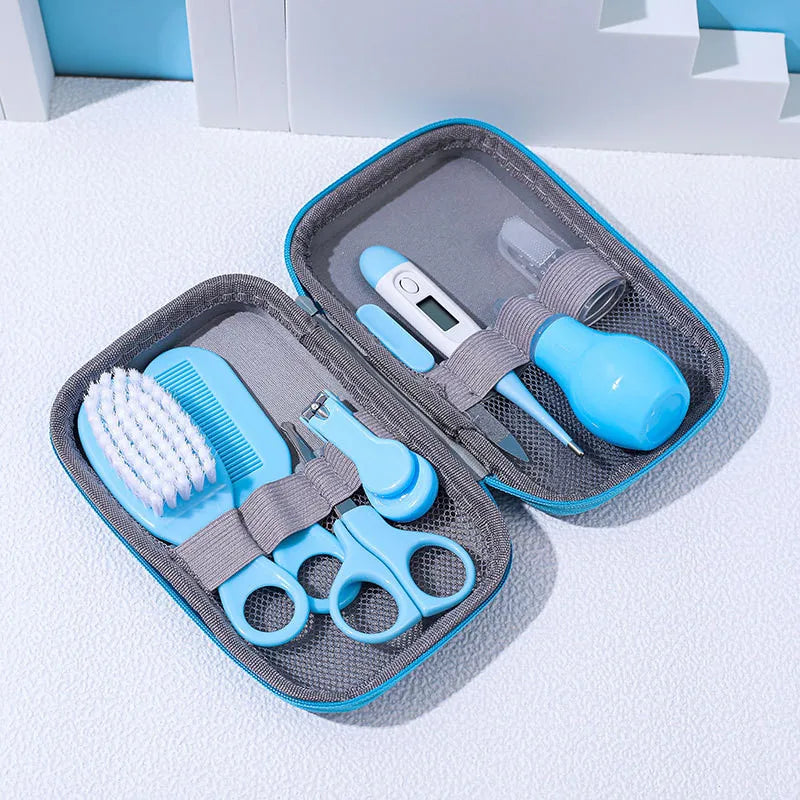
baby nail trimming safety - newborn nail kit See it in action
How to Trim Baby Nails Safely Step by Step
Preparing your environment before you begin makes trimming easier and helps prevent accidental slips. Wash and dry your hands, make sure your baby's hands are clean, inspect your tools, and choose a well-lit area where you can clearly see the white edge of each nail.
Follow these steps to trim baby nails safely and consistently:
Step 1: Hold your baby's hand securely
Support your baby's hand with your non-dominant hand. Hold one finger at a time while keeping the hand steady without squeezing.
Step 2: Separate the fingertip from the nail
Use your thumb to gently pull the fingertip pad away from the nail. This simple technique creates a safer gap between the skin and the cutting edge, reducing the chance of accidentally nicking the finger.
Step 3: Trim only the nail edge
Clip only the thin white free edge using small, controlled cuts. Avoid cutting into the pink area beneath the nail and avoid trimming deeply into the corners.
Step 4: Smooth sharp edges with a file
After trimming, gently smooth rough or sharp edges with an emery board or baby nail file. Filing helps prevent snagging on clothing and reduces facial scratching.
Step 5: Check each nail before moving on
Inspect every finger before continuing to the next one. If your baby begins moving or becomes unsettled, pause and continue later rather than rushing the process.
Why this method improves safety
- Proper finger positioning keeps delicate skin away from the cutting edge.
- Small, gradual trims improve accuracy and reduce accidental cuts.
- Filing smooths remaining sharp edges without removing excess nail.
- Working slowly allows you to stop immediately if your baby moves unexpectedly.
Baby Nail Trimming Safety Tips and Common Mistakes
What not to do when trimming baby nails
- Never rush the process: If your baby becomes upset or moves suddenly, pause and continue later rather than trying to finish quickly.
- Do not bite or peel your baby's nails: Although this was once common advice, it may damage the surrounding skin and increase the risk of infection.
- Avoid adult-sized nail tools: Larger clippers and scissors reduce precision and make accidental cuts more likely.
- Don't trim too deeply: Remove only the white free edge of the nail and avoid cutting into the corners.
- Choose filing when appropriate: For very soft newborn nails or premature infants, a baby nail file may be the safest option.
What to do if your baby squirms or resists
- Pause instead of forcing the trim: Wait until your baby settles before continuing.
- Try trimming during sleep: Many parents find naps or nighttime sleep provide the calmest opportunity.
- Use an electric baby nail trimmer: Gentle filing pads can be easier to control on active babies.
- Keep sessions short: Trimming a few nails at a time is perfectly acceptable if your baby becomes restless.
Compare: Clippers vs. Trimmers vs. Files — Which Is Safest?
| Tool | Best for | Advantages | Limitations |
|---|---|---|---|
| Rounded-tip baby clippers | Routine trimming for most infants | Fast, accurate, clean cuts | Requires good lighting and steady hands |
| Electric baby nail trimmer | Wiggly babies and first-time parents | Very low risk of cutting skin, gentle, quiet | Takes longer than clipping |
| Baby emery board or nail file | Very soft newborn nails or premature infants | Safest option for smoothing edges without cutting | Less efficient for longer nails |
If you prefer an all-in-one grooming solution, the Baby Care Kit — Multi-Functional includes newborn-friendly nail care tools designed to make routine trimming easier while helping parents maintain good baby nail trimming safety.
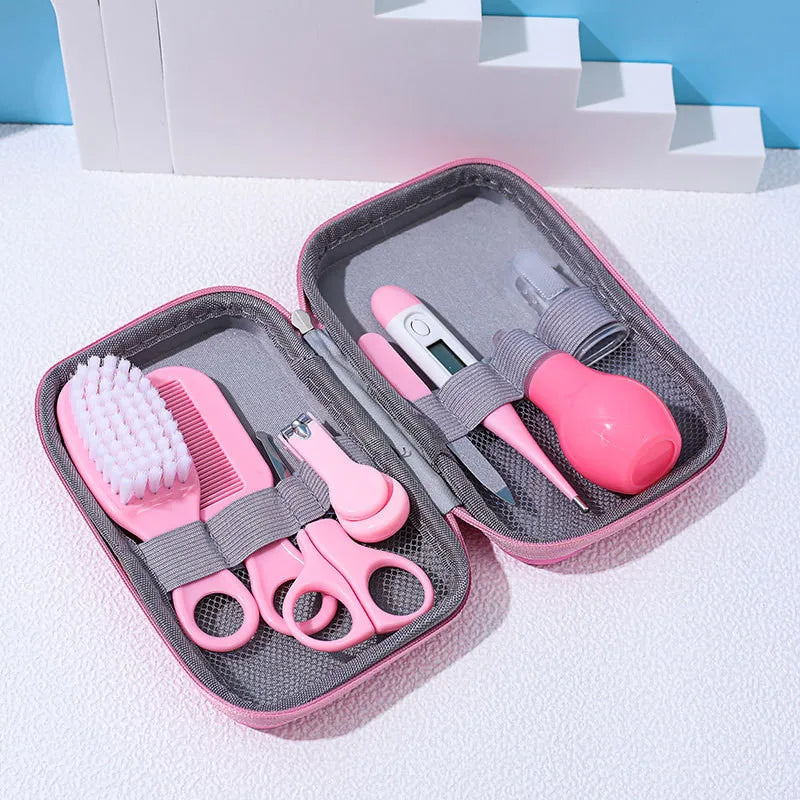
baby nail trimming safety - newborn nail care See it in action
What to Do If You Accidentally Cut Your Baby's Skin
Even with careful technique, small nicks can occasionally happen. Remaining calm helps you care for the injury safely and reassures your baby.
- Wash your hands before touching the area.
- Apply gentle pressure with clean sterile gauze until the bleeding stops.
- Rinse gently with clean water if necessary and keep the area clean.
- Avoid using harsh antiseptics or home remedies unless recommended by your healthcare provider.
- Monitor the area over the next few days for increasing redness, swelling, warmth, or drainage.
When a small nick needs medical attention
Most minor cuts stop bleeding within a few minutes. Contact your pediatrician if bleeding continues despite several minutes of gentle pressure, the cut appears deep, signs of infection develop, or your baby seems unusually uncomfortable after the injury.
How Often Should You Trim Baby Nails?
Fingernails usually require trimming every 5–10 days because they grow rapidly during the newborn period. Toenails grow more slowly and often only need attention every few weeks. Rather than following a strict schedule, inspect your baby's nails regularly and trim them whenever the edges become sharp enough to scratch the skin.
- Check fingernails every few days.
- Trim only when the white edge extends beyond the fingertip.
- Inspect toenails regularly but expect less frequent trimming.
- Avoid unnecessary trimming if the nails remain short and smooth.
How to Clean, Sanitize, and Store Baby Nail Tools
Proper tool care helps maintain baby nail care safety and keeps grooming equipment ready for future use. Follow the manufacturer's cleaning recommendations whenever available.
- Clean clippers, scissors, and filing attachments after every use.
- Wipe metal surfaces with rubbing alcohol or another manufacturer-approved disinfectant.
- Allow tools to dry completely before storing them.
- Replace worn emery boards or damaged filing pads.
- Store grooming tools in a clean, dry protective case away from moisture.
For more baby care routines and supporting tools, explore the collection Baby Care Essentials for product pairings that make grooming simple and tidy.
Baby Nail Trimming Safety Checklist
Before each nail trimming session, use this quick checklist to help create a safe, calm routine for both you and your baby.
- ✓ Choose a time when your baby is calm, relaxed, or asleep.
- ✓ Wash and dry your hands before handling your baby's fingers.
- ✓ Check that your nail clippers, scissors, or file are clean and in good condition.
- ✓ Use only baby-specific grooming tools designed for newborn nails.
- ✓ Hold one finger securely and gently pull the fingertip pad away from the nail.
- ✓ Trim only the white free edge of the nail without cutting into the surrounding skin.
- ✓ Smooth any rough edges with a baby nail file.
- ✓ Keep sterile gauze nearby in case of a minor nick.
- ✓ Clean, dry, and safely store your grooming tools after each use.
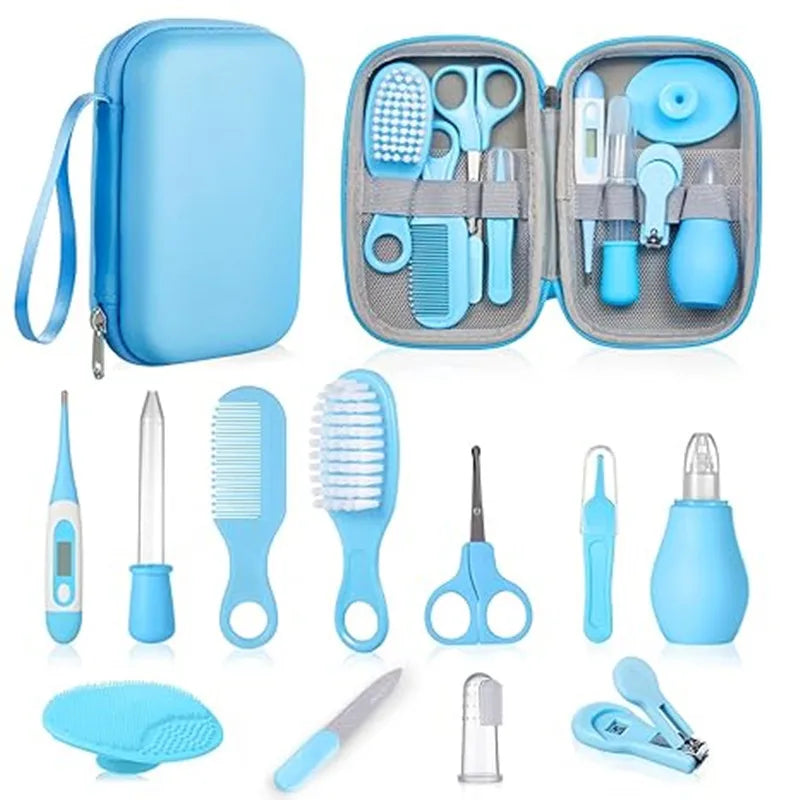
baby nail trimming safety - newborn nail care See it in action
FAQ: How to Trim Baby Nails Safely
How often should I trim my newborn's nails?
Most newborn fingernails need trimming about every 5–10 days because they grow quickly. Instead of following a strict schedule, check your baby's nails regularly and trim them whenever the edges become sharp enough to scratch the skin. Toenails usually grow more slowly and require trimming less often.
What is the safest way to trim baby nails?
Trim your baby's nails when they are calm or asleep, use baby-specific nail tools, gently pull the fingertip away from the nail, and remove only the white free edge using small, controlled cuts. Finish by smoothing sharp edges with a baby nail file.
Should I use baby nail clippers, scissors, or a file?
Each tool has advantages. Rounded-tip baby clippers work well for routine trimming, baby scissors offer precise control, and a baby nail file is often the safest choice for very soft newborn nails or premature infants. Electric baby nail trimmers can also be helpful for active babies.
Can I trim my baby's nails while they are sleeping?
Yes. Many parents find trimming during a nap or nighttime sleep easier because babies are less likely to move suddenly. Make sure you have good lighting and stop immediately if your baby wakes or becomes unsettled.
What if my baby moves while I am trimming a nail?
Pause the trimming session rather than trying to continue through sudden movements. Resume later when your baby is calm. Taking breaks is safer than rushing to finish all the nails at once.
What should I do if I accidentally cut my baby's skin?
Apply gentle pressure with clean sterile gauze until the bleeding stops, keep the area clean, and watch for signs of infection. Most small nicks heal quickly, but contact your healthcare provider if bleeding continues or the injury appears serious.
When should I contact a pediatrician about a nail injury?
Seek medical advice if bleeding does not stop after several minutes of gentle pressure, the cut is deep, redness or swelling worsens, drainage develops, or you have concerns about possible infection.
Closing notes
Baby nail trimming safety becomes much easier with the right preparation, gentle techniques, and newborn-specific tools. By trimming only the nail's white edge, working slowly, and keeping your baby comfortable, you can make nail care a simple part of your regular grooming routine while helping prevent scratches and accidental cuts.
Need more grooming ideas and paired products? Browse related collections like Baby Hygiene Gadgets and Sleep & Comfort to build a practical, safe baby-care kit at home.
Pillar Article: How to Use a Nasal Aspirator on Newborn: Step-by-Step Guide
Other Related Articles:
- Baby Grooming Tools Set: How to Use Every Essential Safely
- Newborn Hygiene Checklist: Step-by-Step Daily Routine
- How to Groom Newborn: Practical Tips for Daily Care
Explore More:





