

Does a newborn hygiene checklist really make daily care easier?
Yes — a newborn hygiene checklist makes daily care more manageable by turning essential tasks into a simple, repeatable routine. Instead of guessing what to clean, when to wash, or which products are necessary, parents can follow a clear newborn hygiene routine that supports healthy skin, reduces irritation risks, and keeps important supplies organized.
A consistent newborn daily care routine also helps caregivers notice small changes early, such as unusual redness, dryness, or discomfort. With a properly prepared newborn health kit and safe baby hygiene tools nearby, daily care becomes less stressful and leaves more time for bonding with your baby.
Newborn Hygiene Checklist: Step-by-Step Daily Routine
⏱ 8 min read
New parents often feel overwhelmed by newborn care: what needs cleaning, how often bathing is needed, and which products are actually useful. This newborn hygiene checklist simplifies those decisions with a practical routine covering face care, diaper hygiene, bathing, nail care, feeding equipment, and essential supplies. By organizing a newborn grooming kit and newborn health kit, families can create a calm, safe, and consistent hygiene routine from the first days at home.
Sensory Toys
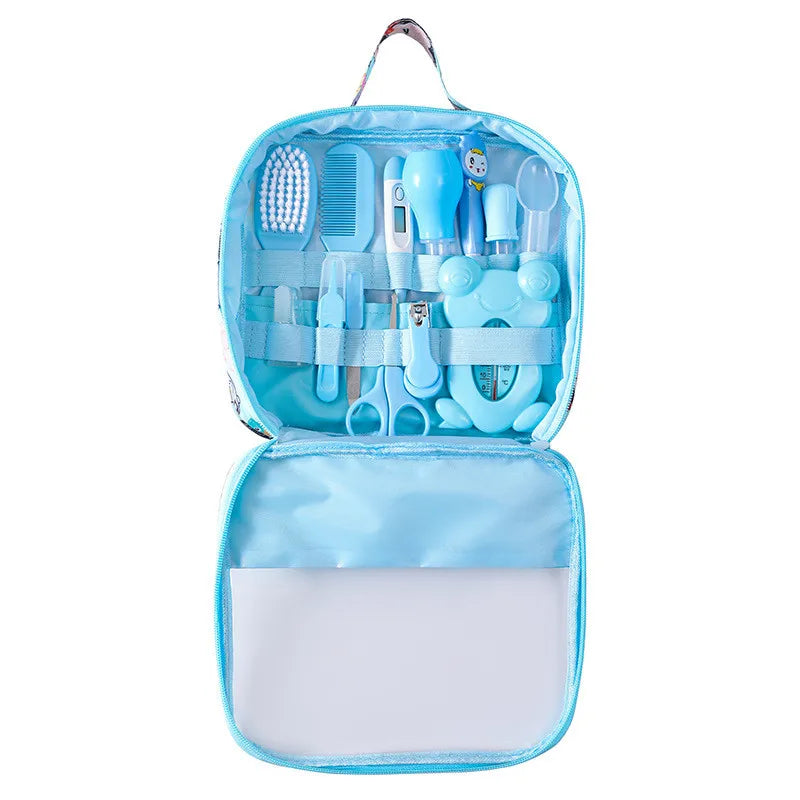
newborn hygiene checklist + safe baby hygiene tools — See it in action.
Why a routine matters for newborn hygiene
Newborn hygiene is not about frequent washing or using many products. It is about maintaining a gentle, age-appropriate routine that protects your baby’s developing skin barrier while keeping common problem areas clean.
A consistent baby hygiene routine can help prevent avoidable irritation caused by moisture, friction, leftover milk, or diaper exposure. Newborn skin is thinner and more sensitive than adult skin, so simple steps such as drying skin folds, changing diapers regularly, and choosing mild products make a meaningful difference.
A structured newborn hygiene routine also supports caregivers by reducing uncertainty. When essentials are prepared in a newborn health kit and daily tasks follow a predictable order, parents can spend less time searching for supplies and more time focusing on comfort, feeding, and bonding.
Daily newborn hygiene checklist (quick steps)
This newborn care checklist covers the main hygiene tasks most families need each day. Adjust the routine based on your baby's age, skin needs, and healthcare provider recommendations.
Morning hygiene
- Gently clean the face, eyes, and neck folds with soft cotton and lukewarm water.
- Check skin folds for trapped moisture and pat dry after cleaning.
- Prepare fresh clothing, diapers, and essential newborn hygiene supplies for the day.
Every diaper change
- Clean the diaper area carefully and dry the skin before putting on a fresh diaper.
- Use a barrier cream when recommended to help protect sensitive skin.
- Restock your diaper-changing supplies so your newborn health kit is always ready.
After feeding
- Wipe milk residue from the mouth, cheeks, and neck folds.
- Keep a soft cloth nearby for spit-up and small cleanups.
- Clean feeding equipment after use according to recommended hygiene practices.
Evening routine
- Use a gentle wipe-down or sponge bath when needed.
- Check nails, skin condition, and any areas that need extra attention.
- Prepare clean clothes and supplies for overnight care.
Detailed step-by-step routine
Learning how to clean a newborn becomes easier when each task has a clear purpose. Keep your newborn grooming kit and newborn health kit within reach so daily care stays simple and consistent.
Face, eyes, nose, and ears
- Use a clean, soft cotton pad or washcloth with lukewarm water to gently wipe your baby's face.
- For eye cleaning, use a fresh section of cotton for each eye and wipe gently from the inner corner outward.
- Clean around the nose and outer ears only. Avoid inserting cotton swabs or objects inside the ear canal.
- Dry facial creases carefully because moisture trapped in folds can contribute to irritation.
Diaper hygiene and skin protection
- Change diapers regularly, especially after bowel movements, to reduce prolonged moisture exposure.
- Clean gently from front to back and allow the skin to dry before applying a fresh diaper.
- Use fragrance-free wipes or water and soft cotton when appropriate for your baby's skin.
- Keep a small diaper-change kit with diapers, wipes, barrier cream, and spare clothing inside your newborn health kit.
Bathing routine
A gentle newborn bathing routine focuses on comfort rather than daily full-body washing. Most newborns do not need a full bath every day. Regular spot cleaning of the face, neck, hands, and diaper area helps maintain hygiene while protecting natural skin moisture.
Umbilical cord care
- Keep the umbilical cord stump clean and dry until it naturally separates.
- Fold diapers below the stump area to help keep it exposed and reduce rubbing.
- Follow your healthcare provider’s instructions if your baby needs additional cord care.
Hair and scalp care
- Use a soft baby brush to gently care for the scalp during grooming.
- Avoid aggressive scrubbing when cleaning flakes or areas affected by cradle cap.
- Speak with a pediatrician if scalp changes appear persistent or concerning.
Nail care
- Newborn nails grow quickly and may need regular attention to reduce accidental scratches.
- Use baby nail care tools designed with rounded edges or gentle filing surfaces.
- Choose a calm moment when your baby is relaxed before attempting nail care.
Oral care and feeding equipment
- Before teeth appear, gently wipe milk residue from the gums with a clean, damp cloth if recommended.
- Wash bottles, nipples, and pump parts after each use.
- Follow appropriate sterilization guidance for your baby's age and health situation.
Baby Hygiene Gadgets
Choosing safe baby hygiene tools (what to keep in your newborn grooming kit)
A useful newborn grooming kit does not need dozens of products. The best supplies are safe, easy to clean, and designed specifically for newborn needs. Choosing reliable safe baby hygiene tools helps simplify daily care while avoiding unnecessary products that may irritate sensitive skin.
Newborn grooming kit essentials
- Baby nail care: rounded clippers or emery boards from Baby Nail Care Tools .
- Bathing: soft washcloths, gentle towels, and infant-safe cleansers with minimal fragrance.
- Cleaning and sterilization: suitable sterilization devices help keep feeding items and teethers clean — see Sterilization Devices .
- Monitoring: keep a reliable thermometer and basic monitoring supplies in Monitoring Devices .
Safe baby hygiene tools and storage tips
- Clean grooming tools regularly and allow them to dry completely before storage.
- Store newborn hygiene essentials together so caregivers can quickly find what they need.
- Replace worn-out items such as nail files, damaged brushes, or expired products.
Bathing schedule: when to bathe vs. spot clean
Knowing how often to bathe a newborn helps protect delicate skin while maintaining good hygiene. Daily full baths are rarely necessary during the newborn stage and may contribute to dry skin. Instead, combine regular spot cleaning with occasional full baths based on your baby's needs.
Before the umbilical cord stump falls off, sponge baths are generally preferred unless your healthcare provider recommends otherwise. Once the stump has healed, a gentle tub bath can become part of your newborn bathing routine .
- Daily: Clean the face, neck folds, hands, diaper area, and any skin exposed to milk or spit-up.
- Two to three times weekly: Give a gentle full bath using lukewarm water and infant-safe cleanser when needed.
- Any time your baby is visibly soiled: Bathe or clean the affected area promptly.
- After bathing: Pat the skin dry carefully, paying attention to skin folds where moisture may collect.
Keeping baths short and using mild products helps preserve the skin's natural protective barrier while supporting a comfortable newborn hygiene routine.
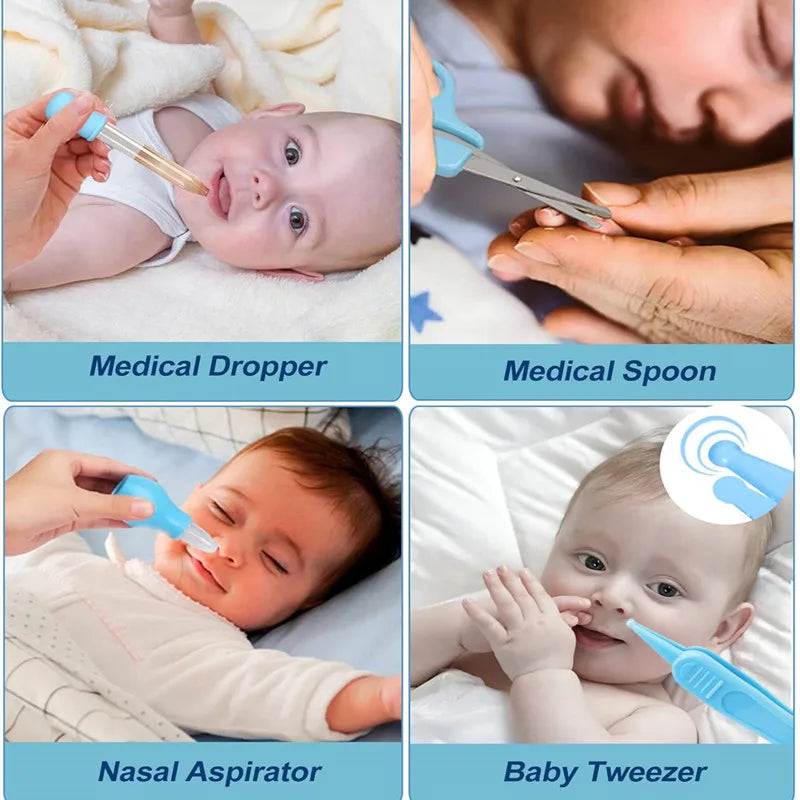
newborn grooming kit + newborn health kit — safe baby hygiene tools for everyday use. See it in action.
Weekly and as-needed newborn hygiene checklist
Weekly tasks
- Inspect your baby's skin for dryness, irritation, cradle cap, or diaper rash.
- Trim or file nails if they have become long enough to scratch the face.
- Wash towels, washcloths, changing pad covers, and frequently used bedding.
- Clean and inspect grooming tools before returning them to the newborn health kit.
- Replace any hygiene products that are empty, expired, or damaged.
As-needed hygiene tasks
- Clean the face and neck after spit-up or heavy drooling.
- Change clothing whenever it becomes wet or soiled.
- Apply barrier cream if the diaper area shows early signs of irritation.
- Increase diaper checks during illness or periods of frequent bowel movements.
- Adjust the hygiene routine as your baby grows and becomes more active.
Safety reminders and when to call the pediatrician
Most newborn hygiene concerns improve with gentle daily care, but certain symptoms deserve prompt medical attention. Contact your pediatrician if you notice:
- Fever in a newborn.
- Increasing redness, swelling, or foul-smelling drainage around the umbilical cord.
- A widespread rash, blisters, or skin changes that continue to worsen.
- Persistent diaper rash that does not improve after several days of appropriate care.
- Unusual discharge from the eyes or signs of infection.
- Any concern that your baby appears unusually sleepy, difficult to feed, or generally unwell.
During everyday care, avoid inserting cotton swabs into the ears or nose, use products formulated for infants, and follow your healthcare provider's advice for bathing, cord care, and nail trimming.
Put it all together: building your newborn hygiene routine
Keeping all essential supplies together makes your newborn hygiene routine easier to follow, especially during nighttime diaper changes or busy mornings. Organize diapers, wipes, grooming tools, thermometer, creams, and feeding-care essentials into one accessible location so every caregiver follows the same newborn care checklist.
A multi-functional baby care kit helps reduce clutter and keeps everyday essentials within reach. Consider adding one organized solution to your routine: /products/baby-care-kit-multi-functional .
Restock your newborn health kit regularly and replace worn or expired items so you're always prepared for everyday care as your baby's needs change.
Buy the baby care kit
Printable newborn hygiene checklist
Keep this newborn hygiene checklist near your changing station or save a copy on your phone so every caregiver can follow the same routine.
Daily
- □ Clean the face, eyes, neck folds, and hands as needed.
- □ Change diapers promptly and dry the skin thoroughly before putting on a clean diaper.
- □ Apply barrier cream when recommended to help protect sensitive skin.
- □ Wipe away milk or spit-up after feeds.
- □ Wash bottles, nipples, and feeding equipment after every use.
- □ Check your baby's skin for redness, irritation, or unusual changes.
Weekly
- □ Give 2–3 gentle full baths, unless your healthcare provider recommends otherwise.
- □ Trim or file nails if they have become long.
- □ Clean grooming tools and restock your newborn health kit.
- □ Wash towels, washcloths, and frequently used bedding.
As needed
- □ Clean the diaper area immediately after bowel movements.
- □ Change soiled clothing and bedding.
- □ Monitor the umbilical cord until it heals completely.
- □ Contact your pediatrician if you notice signs of infection, persistent rash, or other concerning symptoms.
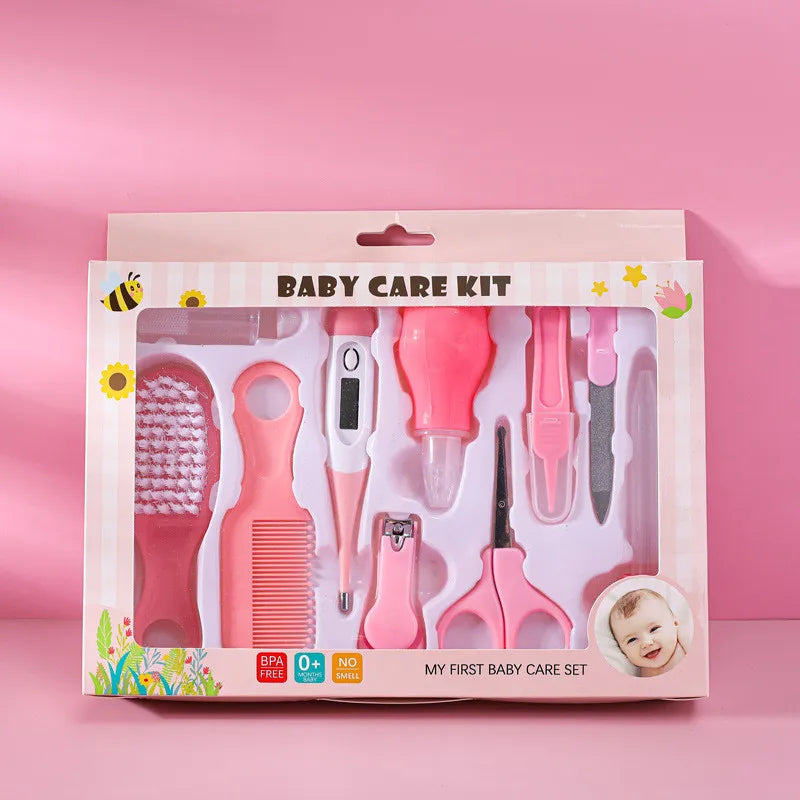
newborn hygiene checklist + newborn grooming kit — safe baby hygiene tools suggested. See it in action.
Frequently asked questions
How often should I bathe my newborn?
Most healthy newborns only need a full bath two or three times each week. On other days, gently clean the face, neck, hands, and diaper area to keep your baby comfortable while protecting the skin's natural moisture.
How do I clean my newborn's umbilical cord?
Keep the cord stump clean and dry, fold the diaper below it to reduce rubbing, and allow it to fall off naturally. Contact your pediatrician if you notice increasing redness, swelling, foul-smelling drainage, or bleeding.
When should I start trimming newborn nails?
Trim or file your baby's nails whenever they become long enough to scratch the face. Many parents find it easiest to do this while the baby is sleeping or calm using newborn-safe nail care tools.
Is it safe to clean inside a newborn's ears or nose?
No. Clean only the outside of the ears and around the nostrils. Avoid inserting cotton swabs or other objects into the ear canal or nose because they can cause injury.
Do newborns need oral hygiene before teeth appear?
Yes. Gently wiping the gums with a clean, damp cloth after feeds can help keep the mouth clean. Follow your pediatrician's recommendations for your baby's individual needs.
What belongs in a newborn grooming kit?
A basic newborn grooming kit typically includes rounded-tip nail clippers or a baby nail file, soft brush, washcloths, thermometer, diapers, wipes, barrier cream, and feeding hygiene essentials stored in one organized location.
How can I prevent diaper rash?
Change diapers promptly, clean the skin gently, allow the area to dry completely, and use a protective barrier cream when appropriate. Frequent diaper changes are one of the most effective ways to reduce irritation.
When should I contact a pediatrician about hygiene concerns?
Seek medical advice if your newborn develops a fever, persistent or worsening diaper rash, signs of umbilical cord infection, unusual eye discharge, severe skin changes, or any symptoms that concern you.
Need more resources? Browse related collections for tools and tips: Baby Care Essentials , Health & Safety , and Baby Bath Accessories .
Pillar Article: How to Use a Nasal Aspirator on Newborn: Step-by-Step Guide
Other Related Articles:
- Baby Grooming Tools Set: How to Use Every Essential Safely
- How to Groom Newborn: Practical Tips for Daily Care
- Baby Nail Trimming Safety: Techniques Every Parent Should Know
Explore More:





