

How to Use a Nasal Aspirator on Newborn: Step-by-Step Guide
⏱ 12 min read
Does using a nasal aspirator on a newborn really help?
The best way to clear a newborn’s stuffy nose is with gentle nasal care: a nasal aspirator helps remove excess mucus that can make breathing, feeding, and sleeping more difficult. Learning how to use nasal aspirator on newborn safely can help parents provide comfort while protecting delicate nasal tissue.
How nasal aspirators remove mucus
A newborn nasal aspirator works by creating gentle suction to remove mucus from the front of the nasal passage. Because young babies naturally rely heavily on nose breathing, even mild congestion can make everyday activities like feeding and settling to sleep more challenging.
Using saline drops first can soften dried or thick mucus, making suction more comfortable and improving the effectiveness of the aspirator. The best way to clear baby nasal congestion is usually a calm combination of saline, gentle suction, and careful positioning.
When suction is most helpful
A nasal aspirator is often most useful before feeding or sleep when congestion is affecting your baby’s comfort. Many parents find that clearing the nose before a feed helps their newborn breathe more easily while nursing or taking a bottle.
If you are wondering is nasal aspirator safe for newborn , the answer depends on using the correct technique: choose an infant-safe device, avoid inserting the tip too far, and use gentle suction rather than frequent aggressive clearing.
Worried your newborn can’t breathe comfortably through their nose at night? You’re not alone. Newborn congestion is common and can leave parents concerned when their baby struggles during feeding, wakes frequently, or seems uncomfortable. This guide explains how to use nasal aspirator on newborn with a simple, gentle approach that combines safe suction techniques, newborn nasal care, and practical preparation tips.
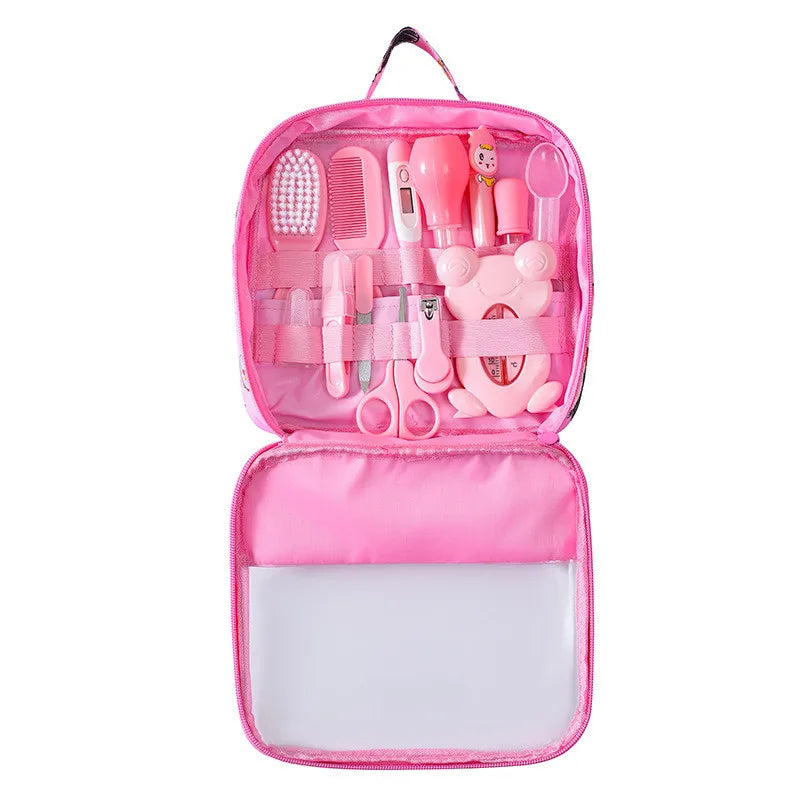
how to use nasal aspirator on newborn, gentle newborn nasal care — See it in action
Why nasal care matters for newborns
Newborns have small nasal passages and rely heavily on their noses for breathing, especially during feeding. Even a small amount of mucus can make it harder for a baby to coordinate breathing and swallowing comfortably.
Understanding the best way to clear baby nasal congestion helps parents provide relief while avoiding unnecessary irritation. A gentle nasal care routine can support easier feeding, better rest, and a calmer experience for both baby and caregiver.
Why newborns struggle with congestion
Newborn congestion can happen for several everyday reasons, including:
- Small nasal passages: A newborn’s narrow airways can become blocked more easily by normal mucus.
- Dry air: Low humidity may cause mucus to become thicker and harder to clear.
- Normal adjustment after birth: Babies continue adapting to breathing outside the womb during their early weeks.
- Common irritants: Dust, fragrances, and smoke exposure can contribute to nasal discomfort.
Real parenting pain points
Parents often notice congestion becomes more stressful during moments when their baby needs to breathe comfortably the most:
- Difficulty feeding because the baby cannot breathe easily through the nose.
- More frequent waking or fussiness when lying down.
- Concern about accidentally hurting delicate nasal tissue while trying to help.
A safe newborn blocked nose remedy focuses on gentle steps: loosening mucus, using appropriate tools, and knowing when professional advice is needed.
What you’ll need before you begin
Before using a nasal aspirator, prepare everything you need so the process stays calm and efficient. Having supplies ready reduces interruptions and helps you focus on your baby’s comfort.
Saline drops first
Saline drops or an infant-formulated saline spray are often used before suctioning because they help loosen thick mucus. The combination of saline drops and nasal aspirator baby care can make clearing congestion gentler and more effective.
Only use saline products designed for infants. Avoid medicated nasal sprays unless specifically recommended by a healthcare professional.
Preparation checklist
- A clean infant nasal aspirator (bulb, manual silicone, oral suction, or electric model).
- Infant saline drops or a pediatric saline spray.
- Soft tissues, gauze, or a clean towel.
- Clean hands and a well-lit area for safe handling.
- A calm position where your baby feels supported.
- Optional: a multi-functional baby care kit or nasal hygiene gadget. See product details .
Which nasal aspirator is right?
Choosing the right newborn nasal aspirator depends on how often you plan to use it, how comfortable you are with the technique, and how easy the device is to clean. A good newborn nasal aspirator guide should consider safety, control, and hygiene—not just suction strength.
Bulb vs manual vs electric
| Type | How it works | Best for | Main advantage |
|---|---|---|---|
| Bulb aspirator | A squeezable bulb creates suction when released after placing the tip near the nostril. | Occasional congestion relief | Simple, affordable, and portable |
| Manual silicone aspirator | A parent controls suction using a soft silicone tip and manual pressure. | Parents who want gentle control | Easy to adjust and clean |
| Electric aspirator | A small motor provides consistent suction with preset settings. | Frequent congestion or parents who prefer automation | Consistent suction levels |
| Oral suction aspirator | A parent-controlled tube system creates suction with a filter barrier. | Parents who prefer direct feedback | Precise manual control |
Which one should I pick?
For many newborns, a soft silicone-tip or gentle electric aspirator can be practical choices because they balance comfort, control, and cleaning convenience. When selecting a device, look for a newborn-safe design, replaceable parts if needed, and clear cleaning instructions.
Step-by-step: How to use nasal aspirator on newborn
The best way to use a nasal aspirator on newborn is to first loosen mucus with saline, then gently position your baby and use short, controlled suction at the nostril opening. Keep movements slow, avoid deep insertion, and stop if your baby becomes uncomfortable.
When to call your pediatrician
Most newborn congestion can be managed with gentle nasal care at home, but some symptoms require medical guidance. Contact your pediatrician if your baby’s congestion becomes persistent, affects feeding, or is accompanied by signs that suggest a more serious issue.
- Breathing difficulty: Fast breathing, unusual breathing sounds, or visible effort while breathing.
- Feeding problems: Poor feeding, refusing multiple feeds, or difficulty staying comfortable while eating.
- Fever or unusual behavior: Especially in babies under 3 months old, fever or unusual sleepiness should be discussed with a healthcare provider.
- Persistent or concerning mucus: Symptoms that continue for several days, worsening congestion, or unusual nasal discharge.
While a gentle newborn blocked nose remedy like saline and careful suction can provide comfort, it is important to monitor your baby’s overall condition. A pediatrician can help determine whether congestion is normal or needs further evaluation.
Emergency signs
Seek emergency medical care immediately if your baby shows serious breathing concerns, such as a bluish color around the lips, significant pauses in breathing, or extreme difficulty staying alert.
How to clean and store your nasal aspirator
Keeping your nasal aspirator clean is an important part of safe newborn nasal care. Because the device comes into contact with mucus, regular cleaning helps reduce the buildup of bacteria and keeps the tool ready for the next use.
Cleaning after every use
- Disassemble removable parts: Separate the tip, container, bulb, or other washable components according to the manufacturer’s instructions.
- Wash thoroughly: Clean reusable parts with warm water and mild soap, then rinse away any residue.
- Dry completely: Allow parts to air dry fully before reassembling to help prevent moisture buildup.
- Check for wear: Replace damaged tips, filters, or parts when recommended by the manufacturer.
Learning how to clean baby nose safely includes more than cleaning the nose itself—it also means maintaining the hygiene of the tools used during care.
Sterilization and storage
- Follow the manufacturer’s instructions before using boiling water, steam sterilization, or other sanitizing methods.
- Store the aspirator in a clean, dry location away from dust and moisture.
- Keep replacement parts available if your device uses disposable filters or interchangeable tips.
Proper maintenance helps your aspirator remain comfortable and effective while supporting safer newborn nasal care habits.
Illustrated usage guide
Visual guidance can make learning a newborn nasal aspirator guide much easier, especially for first-time parents. Images or videos should demonstrate gentle positioning, saline application, and correct aspirator placement without showing forceful suction.
Step-by-step images or video
- Positioning: Show how to support your baby’s head and keep them comfortable before beginning.
- Saline application: Demonstrate applying infant saline drops before suctioning to loosen mucus.
- Correct tip placement: Show that the aspirator tip stays at the nostril opening rather than being inserted deeply.
- Gentle suction technique: Explain using short, controlled suction movements while observing your baby’s comfort.
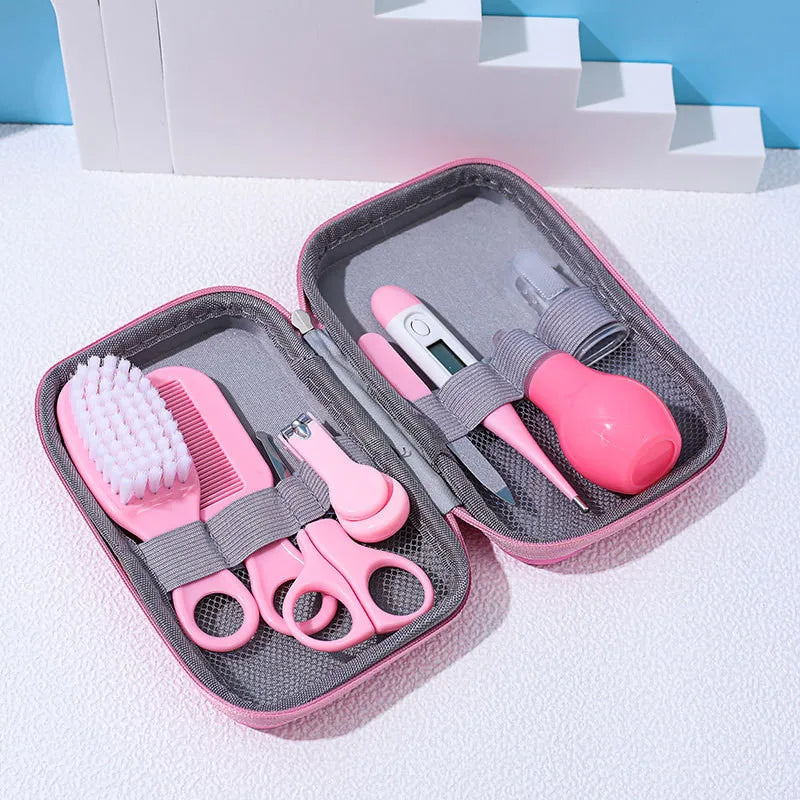
gentle newborn nasal care, best infant nasal spray — See it in action
Product & usage photos
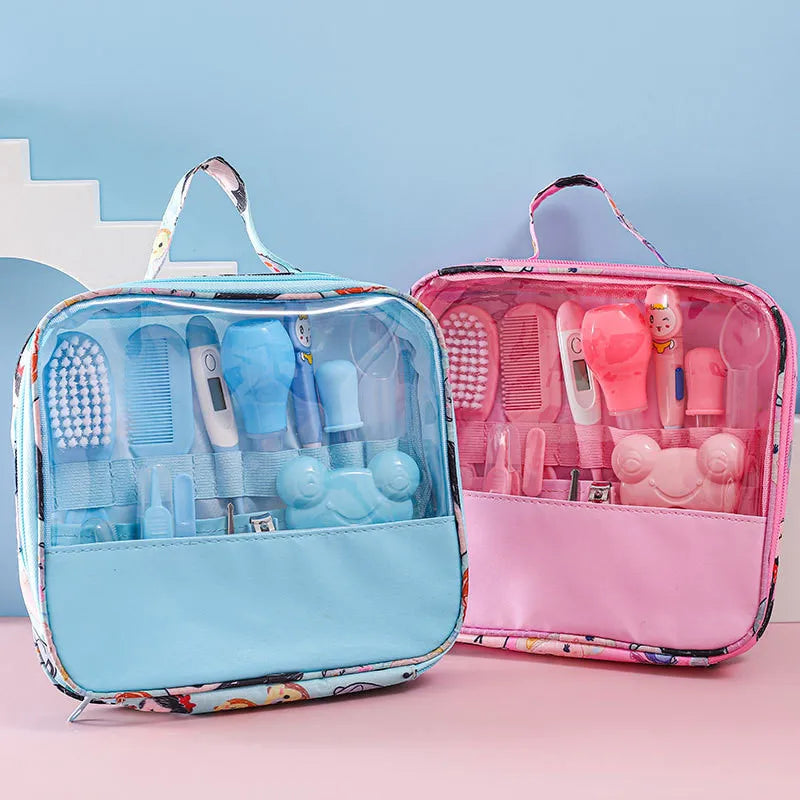
newborn health tips, best infant nasal spray — See it in action
Frequently asked questions
How do you safely use a nasal aspirator on a newborn?
Use saline drops first to loosen mucus, then gently place the aspirator tip at the nostril opening without inserting it deeply. Apply short, controlled suction while keeping your baby comfortable. A safe technique focuses on gentle pressure, proper positioning, and stopping when the nose is clear.
Should I use saline drops before suctioning my baby's nose?
Yes. Infant saline drops or saline spray are commonly used before suctioning because they help soften mucus, making removal easier and more comfortable. Use only products designed for babies and avoid medicated sprays unless recommended by a healthcare professional.
How often can I use a nasal aspirator on a newborn?
A nasal aspirator can usually be used when congestion affects feeding or sleep, often before feeds or bedtime. Avoid repeated suctioning throughout the day unless advised by a pediatrician, as too much suction may irritate delicate nasal tissue.
Can a nasal aspirator hurt my newborn's nose?
A nasal aspirator is generally safe when used correctly. To reduce irritation, choose an infant-safe device, avoid deep insertion, use gentle suction, and stop if your baby shows discomfort or irritation.
Which type of nasal aspirator is best for newborns?
The best choice depends on your needs. Manual silicone aspirators offer gentle control and easy cleaning, while electric models may be convenient for parents who prefer consistent suction. The most important factors are safe design, proper fit, and simple maintenance.
How do I clean and sterilize a baby nasal aspirator?
Follow the manufacturer’s cleaning instructions. Most reusable parts should be washed with warm soapy water, rinsed thoroughly, and completely dried before storage. Use sterilization methods only if they are approved for your specific device.
What should I do if my baby's nose bleeds after suctioning?
Stop suctioning if you notice bleeding and allow the nose to rest. Minor irritation can happen if suction is too frequent or the tip is placed incorrectly. Contact your pediatrician if bleeding continues, returns often, or you have concerns.
When should I call a pediatrician for newborn nasal congestion?
Call your pediatrician if congestion is affecting feeding, breathing, or comfort, or if your newborn has fever, unusual tiredness, worsening symptoms, or signs of breathing difficulty. Medical advice is especially important for very young infants.
Related Articles:
- Baby Grooming Tools Set: How to Use Every Essential Safely
- Newborn Hygiene Checklist: Step-by-Step Daily Routine
- How to Groom Newborn: Practical Tips for Daily Care
- Baby Nail Trimming Safety: Techniques Every Parent Should Know
Pillar Articles:





