

Does a non slip cushioned baby mat really stop a baby slipping on floor?
Yes. A well-designed non slip cushioned baby mat can reduce the likelihood of a baby slipping on floor by providing better traction, stable cushioning, and a textured surface that supports crawling, cruising, and early walking. While no mat can prevent every fall, choosing one with a high-friction base and supportive foam helps create a safer environment for developing balance and coordination.
⏱ 8 min readBaby Slipping on Floor Solutions: Why Proper Mat Grip Matters
Watching your little one learn to crawl, pull up, and take first steps is exciting, but it can also be stressful when your baby slipping on floor becomes a daily occurrence. Hardwood, tile, laminate, and other smooth surfaces often provide limited traction for developing muscles. A quality non slip cushioned baby mat helps improve grip, cushions minor tumbles, and creates a comfortable space for movement practice. This guide explains how baby play mat grip works, what features matter most, and how to choose a mat that supports safe, confident mobility indoors and outdoors.
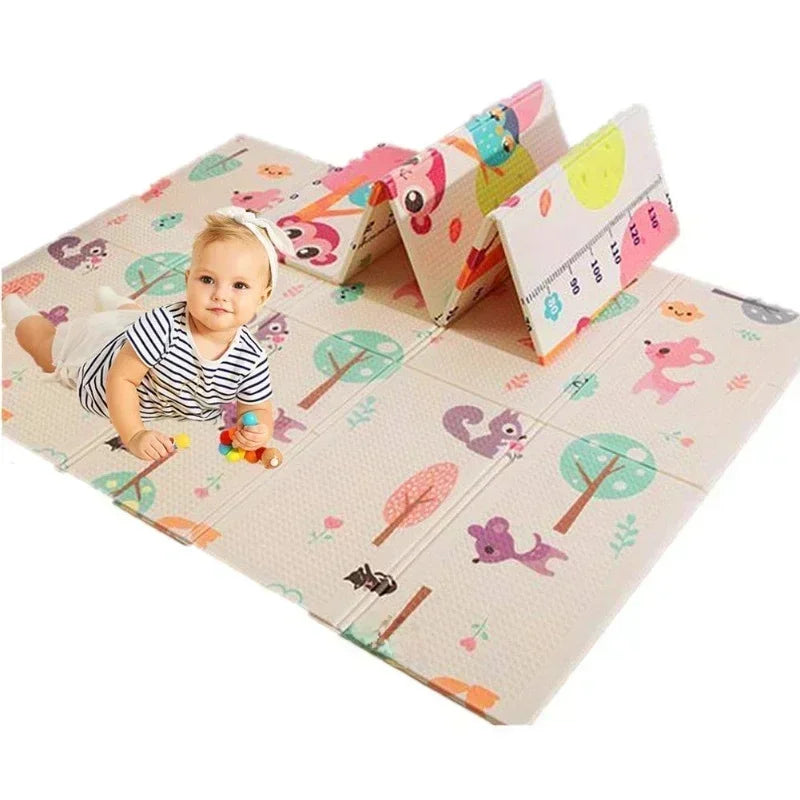
baby slipping on floor + non slip cushioned baby mat — See it in action.
Why mat grip matters for baby safety
As babies develop, they naturally progress from tummy time to crawling, pulling to stand, cruising along furniture, and eventually independent walking. During these milestones, smooth flooring such as hardwood, tile, laminate, and polished vinyl can reduce traction, making slips more common. While occasional slips are a normal part of learning, repeated loss of footing can interrupt practice and increase the chance of bumps and bruises.
A supportive play surface improves stability by creating consistent friction beneath hands, knees, and feet while also providing cushioning if a fall occurs. This combination encourages babies to practice movement with greater confidence without restricting their natural development.
Does a mat actually help reduce slips?
Yes. A quality non slip cushioned baby mat addresses one of the main causes of baby slipping on floor by combining a textured upper surface with a high-grip base that helps keep both the mat and your baby more stable during movement. Although no mat can eliminate every fall, it can significantly improve traction compared with slippery bare flooring.
- Improves traction during crawling, cruising, and standing practice.
- Absorbs impact from minor tumbles without feeling unstable.
- Provides tactile sensory feedback that helps babies judge foot and hand placement.
- Creates a designated play space that encourages regular motor skill practice.
How non slip cushioned baby mats work (simple mechanics)
Modern baby play mats combine multiple design features to improve both comfort and safety. Instead of relying only on soft foam, better mats use layered construction that keeps the surface stable while protecting against everyday falls.
Key technologies and why they matter
- High-friction base: Helps prevent the mat from shifting on smooth flooring when babies crawl, push up, or begin cruising.
- Closed-cell cushioning: Provides supportive shock absorption while resisting moisture, spills, and compression over time.
- Textured sensory surface: Fine patterns improve baby play mat grip and offer gentle tactile feedback for developing coordination.
- Waterproof coatings: Simplify cleaning after spills and make the mat suitable for both indoor use and outdoor mat for play area setups.
Materials such as EVA foam, XPE foam, TPU coatings, and textured polymer surfaces are commonly used because they balance durability, cushioning, hygiene, and grip without making movement feel unstable.
How to choose the right mat (quick checklist)
When comparing baby play mats, focus on features that directly improve safety, stability, and long-term usability rather than appearance alone.
- Choose a genuine non-slip base with textured rubber or silicone-style grip.
- Select firm yet supportive cushioning that protects against falls without feeling overly soft.
- Look for a textured upper surface that improves traction for crawling and standing.
- Prefer waterproof or water-resistant construction for easier daily cleaning.
- Pick a size large enough for tummy time, crawling practice, and first walking attempts.
- Choose durable materials that maintain grip after repeated cleaning and everyday use.
- Read independent customer reviews that mention stability, traction, and durability.
For parents who prefer a practical option, consider the foldable baby play mat (waterproof, soft). It combines a grippy base, supportive cushioning, waterproof construction, and an easy-to-clean surface suitable for everyday indoor play as well as occasional outdoor use.
Compare common mat types: which reduces baby slipping on floor best?
Different play mat designs offer different balances of grip, cushioning, portability, and maintenance. The comparison below highlights where each option performs best.
| Type | Grip | Cushioning | Waterproof | Best use |
|---|---|---|---|---|
| Interlocking foam tiles | Medium (varies by backing) | Medium-high | Variable | Dedicated playrooms and semi-permanent spaces |
| Foldable waterproof play mat | High | Supportive medium cushioning | Yes | Everyday indoor use and portable outdoor play |
| Rubber mats | Very high | Low-medium | Yes | Outdoor play areas and high-traffic spaces |
| Plush fabric mats | Low | Soft but less stable | No | Supervised tummy time in low-slip environments |
Pros & Cons (quick)
- ✅ Foldable waterproof mats provide the best balance of grip, cushioning, portability, and easy cleaning.
- ✅ Rubber mats deliver exceptional traction but generally offer firmer support.
- ✅ Interlocking foam tiles work well for permanent play areas with customizable layouts.
- ❌ Plush rugs and thick fabric mats may feel comfortable but can slide or bunch on smooth flooring, reducing stability for early walkers.
Use cases: indoor, outdoor, tummy time, and travel
Choosing the right play mat depends on where your child spends the most time practicing movement. Matching the mat to your home's surfaces and your family's routine helps maximize grip, comfort, and convenience.
Living room + hardwood floors
Hardwood floors are durable and easy to clean but can be slippery for babies learning to crawl or stand. Choose a mat with a textured rubberized base that stays securely in place and supportive cushioning that won't compress excessively under little feet. A foldable waterproof design also makes cleaning up snacks, spills, and art activities quick and simple.
Outdoor mat for play area
An outdoor baby play mat should resist moisture, wipe clean easily, and provide dependable traction on patios, decks, or grass. Waterproof surfaces dry quickly after damp weather, while textured bottoms help reduce unwanted movement on smooth outdoor flooring. Always place the mat on a reasonably level surface and supervise outdoor play.
Tummy time & early crawling
For babies building neck, shoulder, and core strength, look for cushioning that protects knees and elbows without feeling overly soft. A lightly textured sensory surface encourages pushing, rolling, and crawling while maintaining enough stability for healthy movement development.
Travel & grandparents' homes
Portable foldable mats are ideal for visits to family, vacations, or daycare. Since flooring materials vary from home to home, test the mat on the surface before play begins and ensure it lies completely flat to provide consistent grip throughout the session.

non slip cushioned baby mat + sensory surface — See it in action.
Install & care tips to keep grip reliable
Even a high-quality play mat performs best when it is properly installed and maintained. Regular cleaning and simple inspections help preserve traction, extend product life, and provide a consistently safe play surface.
- Wipe both the floor and the underside of the mat before first use to remove dust that can reduce grip.
- Place the mat directly on a flat, stable surface instead of thick rugs or loose carpeting.
- Clean the top surface regularly using the manufacturer's recommended method to remove dirt, food residue, and moisture.
- Inspect the base periodically for wear, peeling, or damage that could affect stability.
- Store the mat flat or folded according to the manufacturer's instructions to avoid permanent creases.
- Replace the mat if the cushioning loses support or the textured surface becomes excessively worn.
Everyday safety tips beyond the mat
- Encourage barefoot practice whenever possible, as bare feet often provide better natural traction than smooth socks.
- If socks are needed, choose well-fitting grip socks designed for early walkers.
- Keep the play area clear of toys, cords, and other tripping hazards.
- Position the mat away from sharp furniture corners or protect nearby edges with corner guards.
- Closely supervise babies who are learning to pull up, cruise, or take their first independent steps.
- Support balance and coordination through age-appropriate movement games and sensory activities such as those found in Sensory Toys.
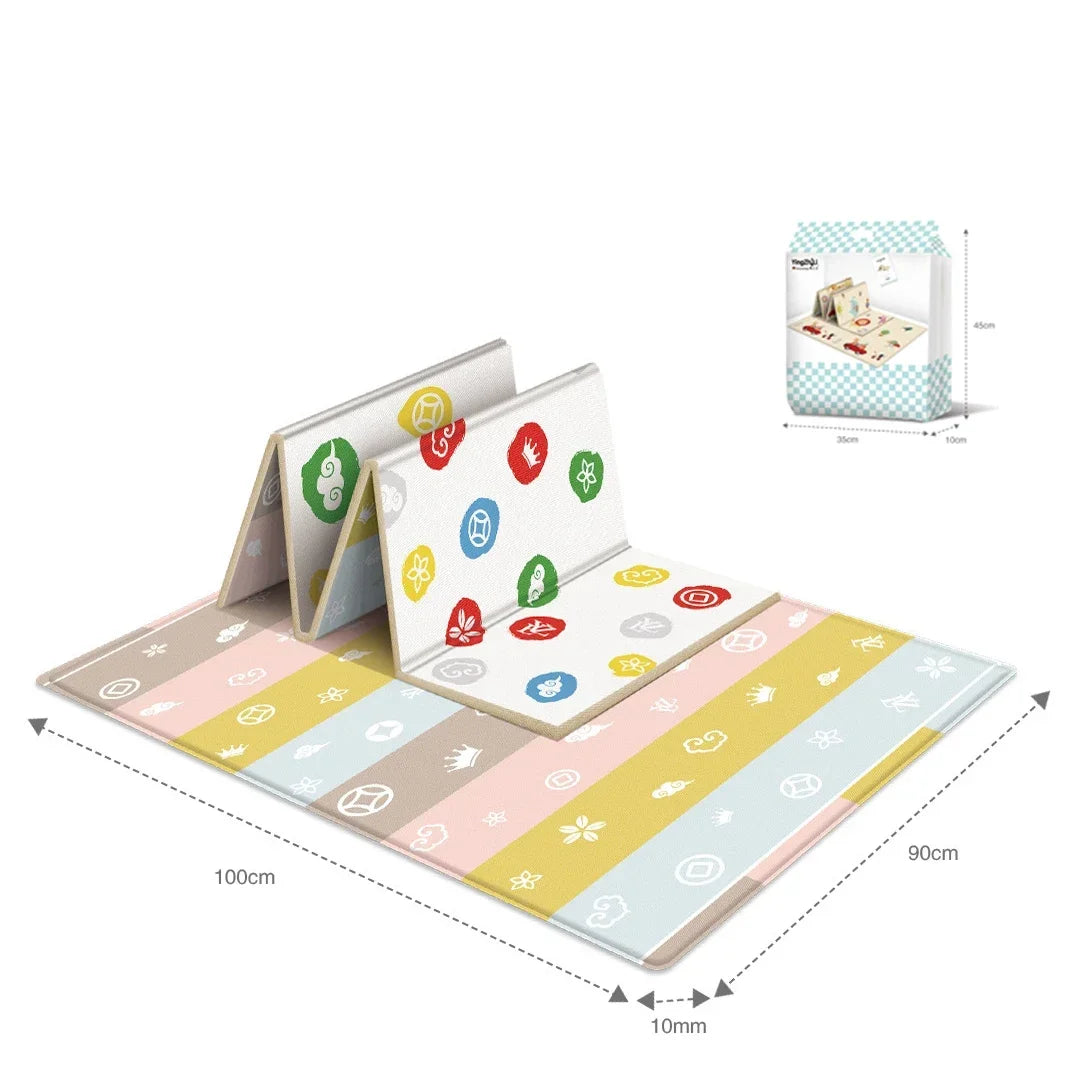
outdoor mat for play area + play-ready grip — See it in action.
Frequently asked questions
-
Why does my baby keep slipping on hardwood floors?
Hardwood floors have smooth, low-friction surfaces that can make it harder for babies to gain traction while crawling, cruising, or taking their first steps. A non slip baby play mat provides a more stable surface while allowing normal movement practice.
-
Is it better for babies to crawl barefoot or wear grip socks?
Bare feet usually provide the best natural grip because the toes can spread and help maintain balance. If the room is cold, well-fitting grip socks are a better choice than smooth socks, which may increase slipping.
-
Do non slip baby play mats actually help prevent slipping?
Yes. A quality mat improves traction and cushions minor falls, helping reduce slipping on smooth floors. However, it cannot eliminate every fall, so active supervision and a safe play environment remain essential.
-
Can slipping delay crawling or walking?
Occasional slipping is a normal part of learning new motor skills and rarely causes developmental delays. If frequent slipping prevents your baby from practicing movement or is accompanied by concerns about muscle strength or coordination, consult your pediatrician.
-
Which floor type is safest for babies learning to walk?
A firm, level surface paired with a cushioned non-slip play mat generally provides the best combination of stability and impact protection. Thick rugs that bunch or slide are typically less suitable for early walkers.
-
When should frequent slipping be evaluated by a pediatrician?
Seek medical advice if your baby consistently struggles with balance, shows significant delays in crawling or walking milestones, appears unusually weak on one side, or experiences frequent unexplained falls despite practicing on stable surfaces.
-
How thick should a cushioned non slip baby mat be?
A medium-thickness mat that provides cushioning while remaining firm is generally the best choice. Excessively soft mats may reduce stability, while very thin mats provide less impact protection.
-
Can I use an outdoor baby play mat indoors?
Yes. Many waterproof outdoor baby play mats also work well indoors as long as they provide good grip on your flooring and remain flat during use.
Final thoughts
The right play surface supports more than comfort—it creates a safer environment where babies can practice crawling, standing, cruising, and early walking with greater confidence. While no product can prevent every fall, choosing a non slip cushioned baby mat with reliable grip, supportive cushioning, and easy-to-clean materials is one of the most practical baby slipping on floor solutions for everyday family life.
Combine a quality play mat with close supervision, age-appropriate movement opportunities, and a well-prepared play space to help your child build balance and coordination naturally while reducing unnecessary slips on smooth floors.
Related reads: explore practical gear that supports movement and safety in our Baby Growth & Learning collection or check tools for secure routines in Health & Safety.
Pillar Article: Not Found
Other Related Articles:
- Sensory Learning Play Surface Setup: Easy Steps for Daily Baby Engagement
- Uncomfortable Tummy Time Surface Fixes: How to Create Softer Support
Explore More:





