

What is the best surface for tummy time?
The best surface for tummy time is a safe, flat, supportive area that provides enough firmness for babies to push, lift their heads, and practice movement while offering gentle cushioning for comfort. A textured, waterproof tummy time mat or play surface often works well because it balances traction, hygiene, and support without being too hard or too soft.
⏱ 7 min read
Uncomfortable Tummy Time Surface Fixes: How to Create Softer Support
If your baby cries, slips, or avoids tummy time, the problem may be the setup beneath them. An uncomfortable tummy time surface can make it harder for babies to practice important movements like head lifting, pushing up, reaching, and rolling. Choosing the best surface for tummy time means finding the right balance between firmness, comfort, traction, and safety. From foam play mats to padded blankets, this guide explains how different surfaces affect tummy time and how to create a safer, more comfortable routine at home.
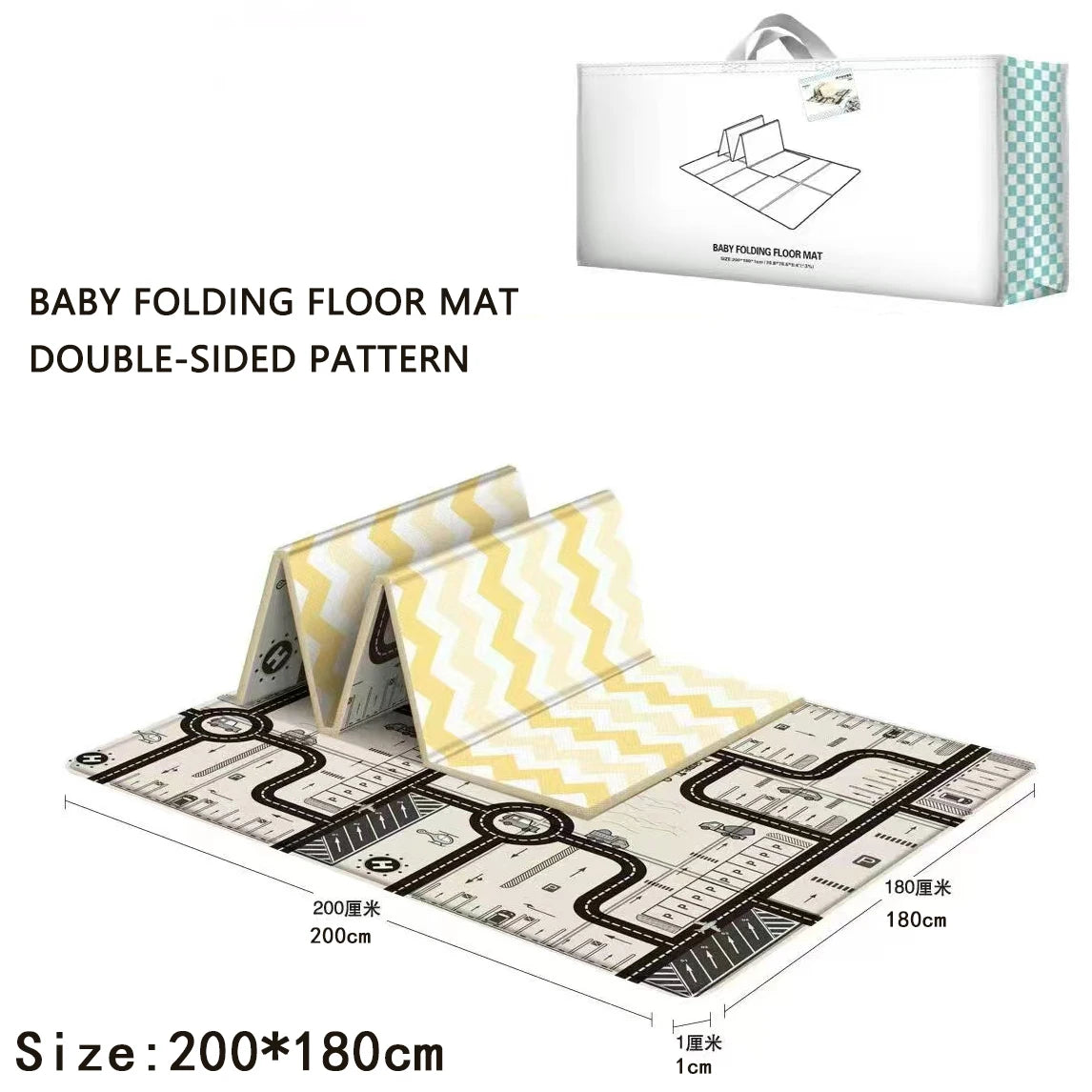
best surface for tummy time, tummy time on hard or soft surface — See it in action.
Not sure where to start? Learn what surfaces and toys encourage longer, happier tummy time sessions.
Best Surface for Tummy Time: What Makes a Safe and Comfortable Setup?
The best surface for tummy time supports natural movement while keeping babies comfortable during practice. Pediatric experts commonly recommend supervised tummy time on a firm, flat surface because babies need resistance underneath their arms and chest to strengthen muscles.
A good tummy time surface should provide:
- Balanced firmness: enough support for pushing and lifting without creating uncomfortable pressure.
- Gentle cushioning: helps reduce discomfort from hard floors while maintaining movement control.
- Grip and texture: prevents slipping during early attempts at pushing and reaching.
- Easy cleaning: keeps daily baby play areas hygienic.
Blankets, rugs, foam mats, and activity mats can all work depending on the environment. The goal is not the softest possible surface—it is a stable, safe tummy time setup that helps babies participate comfortably.
Why the surface affects comfort, movement, and development
During tummy time, babies use their arms, shoulders, neck, and core muscles to lift their heads and explore movement. A surface that is too slippery may prevent effective pushing, while a surface that is too hard may create pressure that makes babies less willing to practice.
An uncomfortable setup may lead to:
- Short tummy time sessions with frequent crying.
- Avoiding belly-down positions.
- Difficulty pushing up because hands slide forward.
- Less motivation to reach for toys or turn toward sounds.
Why the Tummy Time Surface Matters for Baby Development
A comfortable tummy time surface helps babies focus on movement instead of discomfort. The right level of firmness gives babies the resistance needed for strengthening exercises, while gentle cushioning can make longer practice sessions more enjoyable.
Signs your baby is uncomfortable on a surface
Not every complaint during tummy time means the surface is the problem. Many babies simply need time to adjust to this new position. However, surface-related discomfort may appear when your baby:
- Immediately fusses after being placed down.
- Slides backward instead of pushing forward.
- Repeatedly lifts their body away from the surface.
- Calms down when moved to a different mat or area.
To improve tummy time comfort, adjust one factor at a time, such as adding more grip, changing the temperature of the surface, or switching from a thin blanket to a supportive mat.
Best Tummy Time Surface Types Compared
Different tummy time surfaces work better for different homes, ages, and routines. Comparing materials can help parents choose the right option.
Foam play mats
Foam play mats are popular because they provide consistent cushioning, easy cleaning, and a stable base for movement. Many waterproof designs are suitable for everyday tummy time because they protect babies from cold floors while maintaining support.
Quilted blankets and padded rugs
Soft blankets are convenient and affordable, especially for newborn tummy time setup tips. However, they can bunch up, shift, or provide less traction compared with a dedicated baby mat.
Carpet and hardwood floors
Carpet provides warmth but may collect dust and offer inconsistent support. Hardwood floors are easy to clean but can feel cold, hard, and slippery without an added layer.
Baby gyms and activity mats
Activity mats combine play features with cushioning. They can encourage reaching and visual tracking but may have smaller surfaces compared with full-size play mats.
| Surface Type | Benefits | Limitations |
|---|---|---|
| Foam play mat | Supportive, washable, portable | Requires storage space |
| Blanket | Affordable and easy to move | May slip or wrinkle |
| Hardwood floor | Easy to clean | Cold and less comfortable |
| Activity mat | Encourages engagement | May have limited space |
Firm vs Soft Surface for Tummy Time: Which Is Better?
For tummy time, a moderately firm surface is usually better than an extremely soft one. Babies need a stable base to push against and develop control over their movements.
A very soft surface, such as a thick cushion or adult bed, can make movement more difficult and may create safety concerns. A hard floor may provide stability but can become uncomfortable without proper cushioning.
The ideal balance is:
- Firm enough for pushing and lifting.
- Cushioned enough to reduce pressure.
- Textured enough to prevent slipping.
This makes a quality tummy time mat a practical solution for many households.
How to Choose the Best Tummy Time Mat
Material and safety certifications
Choose baby mats made with non-toxic materials and designed specifically for infant use. Avoid products with strong chemical odors, damaged surfaces, or loose parts.
Washable covers and easy cleaning
A comfortable tummy time mat should also be practical. Waterproof and wipeable materials help parents clean milk spills, drool, and everyday messes quickly.
Size, thickness, and portability
A good mat should provide enough room for rolling and reaching without overwhelming your living space. Foldable designs are useful for small apartments, travel, or storing between play sessions.
Best Tummy Time Surfaces by Use Case
Best for newborns
Newborns often benefit from a supportive but comfortable surface that allows short practice sessions. A thin cushioned mat can provide better stability than loose blankets.
Best for hardwood floors
For hardwood homes, a waterproof foam mat adds warmth, cushioning, and grip while protecting babies from direct contact with cold flooring.
Best for small apartments
Foldable mats work well in smaller spaces because they can be stored easily after playtime.
Best portable option for travel
A lightweight foldable baby mat allows families to maintain familiar tummy time routines at grandparents’ homes or while traveling.
How to Create a Safe Tummy Time Setup at Home
Step-by-step setup checklist
- Choose a flat, stable area away from sharp furniture edges.
- Place a clean tummy time mat, blanket, or safe play surface on the floor.
- Make sure the surface provides support without excessive softness.
- Add age-appropriate toys at eye level to encourage lifting and reaching.
- Stay nearby and supervise every tummy time session.
Cleaning and Maintaining Tummy Time Surfaces
- Wipe waterproof mats regularly with mild soap and water.
- Wash fabric blankets according to care instructions.
- Allow surfaces to dry fully before storage.
- Check for tears, loose seams, or worn areas.
Common Tummy Time Surface Mistakes to Avoid
- Using overly soft bedding: Beds and thick cushions do not provide the stable support babies need.
- Ignoring slippery surfaces: Smooth floors can make pushing and reaching frustrating.
- Skipping cleaning: Baby play areas collect drool, dust, and spills quickly.
- Choosing the wrong size: A surface that is too small limits movement practice.
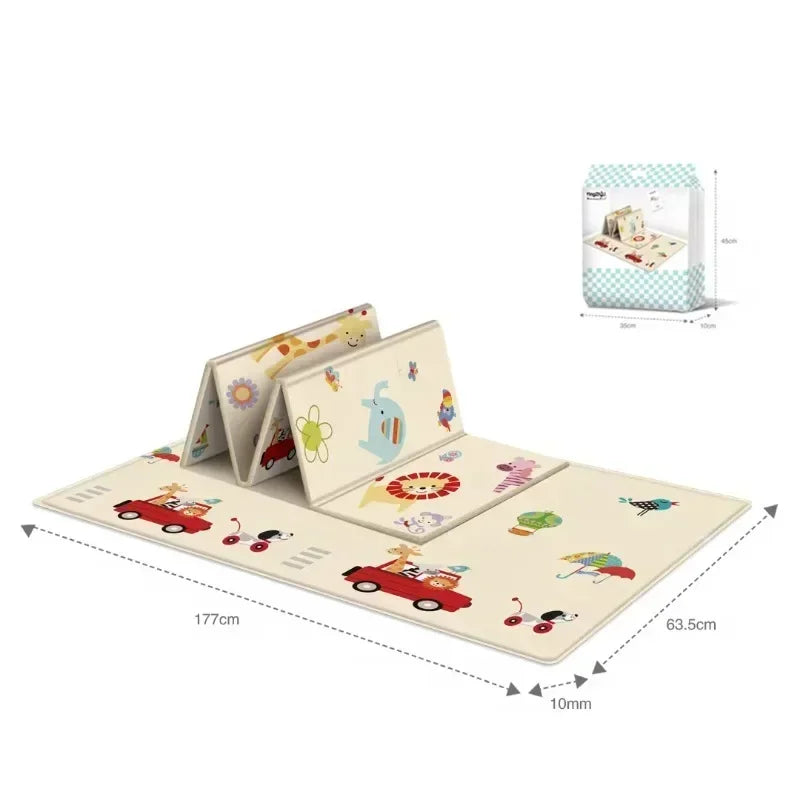
tummy time mat, sensory surface — See it in action.
How the foldable baby play mat helps
A foldable waterproof mat combines supportive cushioning with a textured, easy-clean surface. For uncomfortable tummy time surface problems, it provides traction, warmth, and portability while creating a consistent area for daily practice.
- Portable comfort: Easy to move between rooms or take on trips.
- Hygiene-first design: Wipe-clean materials simplify daily maintenance.
- Movement support: Textured surfaces help babies push and reach.
- Space-saving storage: Fold away when not in use.
Shop the foldable baby play mat .
Frequently Asked Questions About Tummy Time Surfaces
- What is the best surface for tummy time?
- The best surface is a firm, flat, comfortable area that provides support, traction, and safe movement practice. A waterproof textured baby mat is often a practical choice.
- Should tummy time be on a hard or soft surface?
- Tummy time should be on a supportive surface that is firm enough for movement but comfortable enough for practice. Extremely soft surfaces are not recommended.
- Is the floor safe for tummy time?
- Yes, the floor can be safe when covered with a clean, suitable surface and when the baby is supervised.
- Is a tummy time mat better than a blanket?
- A mat usually provides better grip, consistent cushioning, and easier cleaning, while blankets can be useful for short supervised sessions.
- Can newborns do tummy time on carpet?
- Yes, newborns can practice tummy time on clean carpet, although adding a supportive layer may improve comfort and stability.
- What type of mat is safest for tummy time?
- A safe tummy time mat should be non-toxic, stable, easy to clean, and appropriately firm for infant movement.
Choose a More Comfortable Tummy Time Setup
Fixing an uncomfortable tummy time surface often comes down to choosing the right balance of support, comfort, and cleanliness. A foldable waterproof mat can simplify daily routines by creating a reliable play area where babies can practice important early movements safely.
Make tummy time something both you and your baby look forward to. Shop the foldable baby play mat

waterproof play mat, tummy time support — See it in action.
Explore more baby development resources through Baby Growth & Learning and practical safety guidance in Health & Safety .
FAQ (schema-ready)
-
Why do babies dislike tummy time?
Answer: Babies may dislike tummy time because they are still developing strength, adjusting to the position, or experiencing discomfort from an unsuitable surface. -
What material is best for tummy time mats?
Answer: Non-toxic waterproof materials with supportive cushioning and a textured surface are commonly preferred because they balance comfort, grip, and hygiene. -
How long should tummy time last?
Answer: Start with short supervised sessions and gradually increase duration as your baby becomes stronger and more comfortable.
Pillar Article: Not Found
Other Related Articles:
- Baby Slipping on Floor Solutions: Why Proper Mat Grip Matters
- Sensory Learning Play Surface Setup: Easy Steps for Daily Baby Engagement
Explore More:





